
Translated material
The phenomenon of the generation
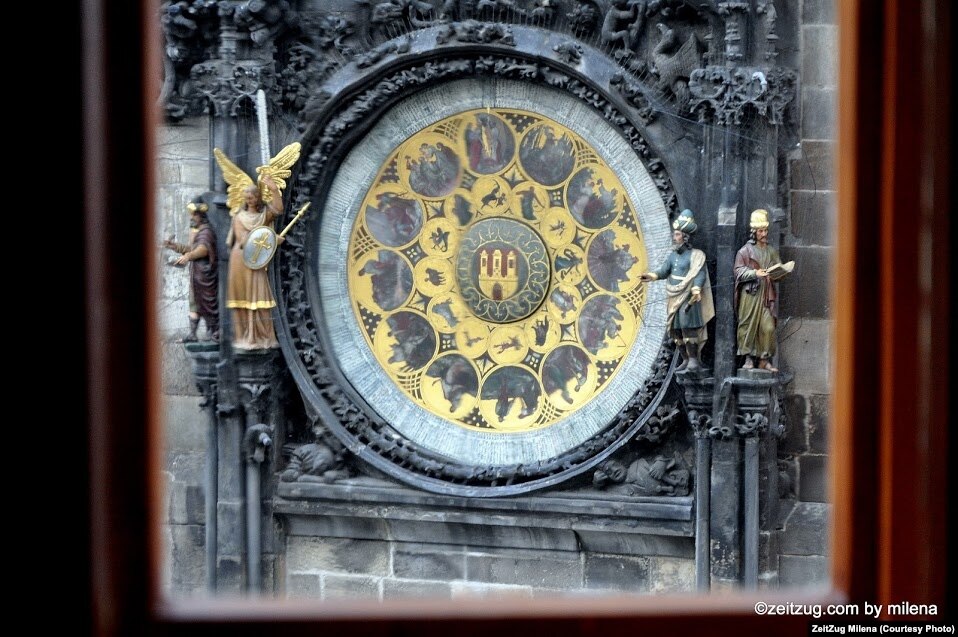
The philosopher, historian, prison warder, and frant-workers speak of his generation *** Poet and translator of Swedish poetry Ilya Kutik *** “Pushkin days in Vilnius”. Lithuanian schoolchildren read and comment on Pushkin's poems
In the “Philosophical Encyclopedia”, a solid article is devoted to the phenomenon of the generation. Even more “generations” in the “Literary Encyclopedia”: the “lost generation” of writers who survived the First World War, the “generation of disaster” of the Spanish Silver Age, the “generation of returning” German writers who survived the Second World War.
Philosopher A. Pyatigorsky (1929-2009): “Generation, if we talk about human consciousness, is a way of arranging its past. The entire vulgar line of “fathers and children” in European and Russian literature, starting from the end of the XYIII century, is a denial of the creation of history. “Generation” serves in order to deny: “Oh, this is not a generation.” I really love the generation that arose in Europe at the end of the XYII century, and which brought with it the era of enlightenment. The previous era has ended on them. ”
Louis Martinez, a French writer-fontovik, a native of Algeria: “In the late fifties, I was 25 years old. Decolonization was premature, but necessary. I loved Algerians, I was born among them. I understood why they were fighting, and this exacerbated the feeling of my bifurcation. I have seen horror there. Sometimes corpses that turned yellow and very quickly blackened under the merciless sun. ”
I.P. Savitsky, Prague historian (1937-2010): “If you look at the political scene of Russia in 1917 from left to right, you will see that people born in the 70th year of the XIX century are doing history: Ulyanov-Lenin, Zhordania, Sludov, Dan, Vladimir Dmitrievich Nabokov, Pytra Struve, General Kornilov, General Krasnov, General Krasnov, General Krasnov, General Krasnov, General Krasnov, General Krasnov, General Krasnov, General Krasnov, General Purishkevich. How to characterize this generation? This is the first, maybe in the history of Russia a purely political generation. ”
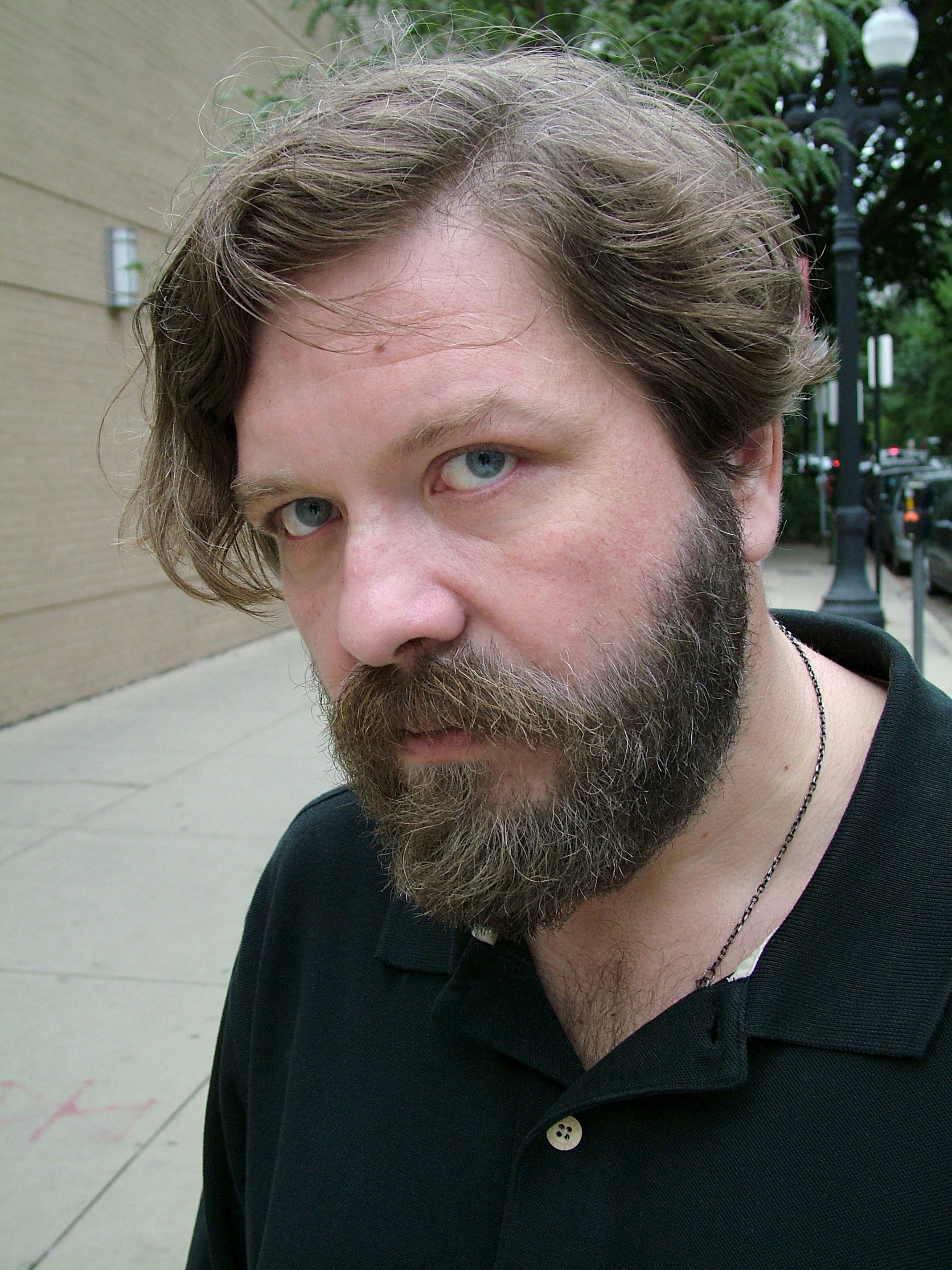
In the section “Native Language” - Ilya Kutik, poet, translator of Swedish poetry, American professor:
“Here, let's say, the languages of the Scandinavian. The Swedish language is rhythmic as a metronome, under which gamma is learned. Danish is belligerent, like a maple of Orlov over the field of a long -lost battle. Norwegian is excited and dramatic, as if this is not a kitchen conversation, but the third act of the Shakespearean tragedy. All the Swedes are botanists, like Linnie, and ornithologists, as their fathers and mothers. Therefore, the Swedish language is replete with the names of birds and plants. ”
"Pushkin days in Vilnius"
Vilnius children read and comment on the poems of A.S. Pushkin