
Translated material
New ally of Moscow
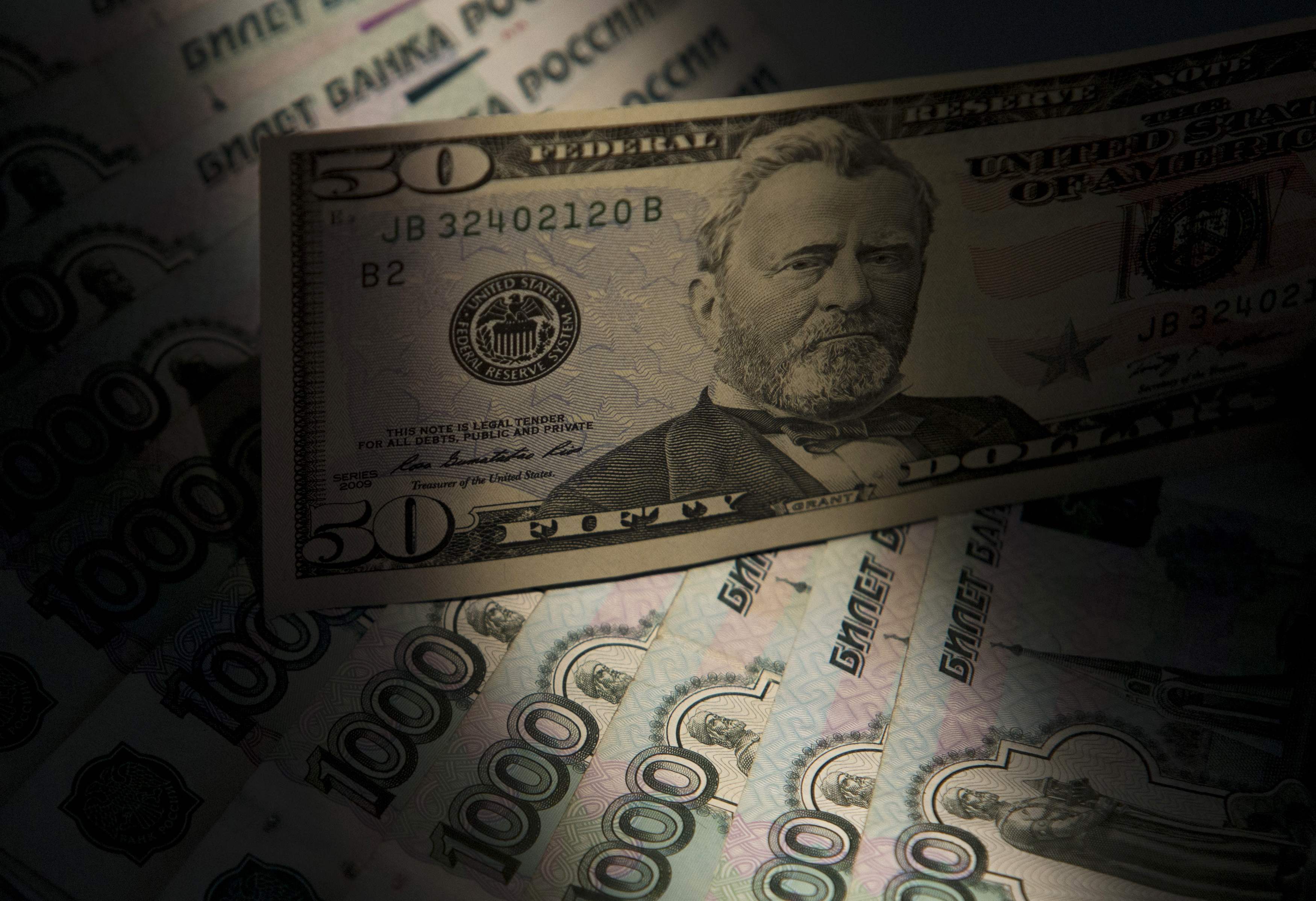
The American Chamber of Commerce and the National Association of Manufacturers urge the White House not to impose unilateral sanctions against Russia
How serious can the price of Russian sanctions become for the United States? Can a big business resistance change the plans of the White House?
We are discussing these issues with Stephen Hank , an economist, professor at Johns Hopkins University, an adviser to several East European and Latin American governments; Paul Gregori , an employee of the Guuver Institute, the observer of Forbes magazine; Gregory Grushko , managing director of the financial company HWA, and American publicist David Satther .
On Thursday, a paid announcement appeared in several leading American newspapers, which occupied a whole page. “American interests are at Kon in Russia and Ukraine,” Jay Timmons warn readers, head of the American National Association of Manufacturers, and Thomas Donohee, and the head of the American Chamber of Commerce.
The two largest lobbying groups representing the American large business warn the "people responsible for American politics" that these people intend to take steps that can harm American interests. We are talking about sanctions against Russia, and the exact addressee of these advertisements is calculated simply: the announcements followed in the newspapers that the White House has prepared a new package of sanctions against Russia, including the boycott of leading Russian banks, and for gesture, ultimatically sounding warnings to Moscow from the highest representatives of the American administration. What is the unhappy with American business?
Evgeny Aronov: From the announcements posted by the Commercial Chamber of the United States and the National Association of Manufacturers, it is clear that they are concerned not so much by measures already taken against individual Russian companies, but by the prospect of sanctions against entire sectors of the Russian economy: energy, defense industry, banking sphere.
“We are worried about potential harm that can be done to American enterprises and workers employed in them,” the announcement of the President of the National Association of manufacturers Jay Timmons said. “In the long run, the best way to strengthen America’s influence in the world is to make its production base as strong as possible, relying on stimulating foreign trade and multilateral diplomacy.”
As the White House spokesman Josh Ernst said, President Obama is well aware of what consequences can be hungry for American business, and therefore makes so much effort to develop a single approach to Russia together with US allies, including key trading partners of Russia. “This is a difficult matter requiring the balance of many factors,” Obama press secretary emphasized.
On Monday, during a telephone conversation with Vladimir Putin, Barack Obama repeated the US position, which consists in the fact that if Moscow promises to promote peace negotiations in eastern Ukraine will be implemented, then Washington, under the appropriate circumstances, will be ready for additional sanctions. On Tuesday, during a conversation by telephone of the American president and British Prime Minister, two leaders agreed that in the absence of Putin’s steps, the US situation and the European Union would take new measures to raise the price that Russia will be forced to pay for its policy. On Wednesday, Obama discussed the situation in Ukraine with the Prime Minister of Italy Matteo Renzi.
Neither the authors of the newspaper announcement-the US Chamber of Commerce and the National Association of manufacturers-neither such a major player as the American-Russian business council, did not respond to our request to comment on this action. But we were able to get a short comment from the Russian-American Chamber of Commerce, one of the organizations that contributes to the development of American-Russian business ties, mainly in the field of energy. This is what her president Sergei Millin said:
Sergei Millian: Over the years, American investors regard Russia as a country of high risks and at the same time high potential profitability. The threat of new sanctions only increases these risks, subordinating the purely business and long -term calculation of businessmen extremely variable political calculations of statesmen.
Evgeny Aronov: Millian noted, in particular, such an unusual, according to him, an action as phone calls from the White House to the leadership of leading American companies call not to go to the economic forum in St. Petersburg. The activities of the bilateral American-Russian presidential commission were almost completely suspended, whose work was recently welcomed by Barack Obama himself. From the words of Millian, however, it is possible to conclude that along with an increase in risks, the profits of those American companies that are not afraid to go to Russia in the current situation will increase. And this situation is quite unusual, according to the president of the Russian-American Chamber of Commerce:
Sergey Millian: Russia is the largest country in the world, which has a huge number of human and natural resources. The use of international sanctions to such a country is fraught with many unforeseen negative consequences. Both economic and political. It is one thing - to isolate the small economy of Iran, Iraqi from the global economic system,
It is one thing to isolate the small economy of Iran, Iraq, Libya, Syria or North Korea from the global economic system and a completely different thing is a large economy of Russia, which in GDP occupies sixth place in the world
Libya, Syria or North Korea, and a completely different thing is the largest economy of Russia, which in GDP occupies sixth place in the world. And at present, he is an active player in the world economic arena, being a member of the WTO and the Paris Club of creditors, the IMF, the World Bank. The effect of Russian excommunication for a global business community will be very noticeable. And above all, the neighbors of Russia in the European Union will feel it.
Yuri Zhigalkin: It is curious that this point of view adheres to not only organizations directly interested in trade with Russia. Here's how it answers my question about whether it is possible to evaluate the possible losses of American business from the introduction of more large -scale sanctions against Russia, American economist Stephen Hank, an adviser to several East European governments.
Stephen Hanke: Those who claim that they can calculate losses that Russia or Western countries can incur as a result of imposing sanctions, simply do not know what they are talking about. It is impossible to do. It can only be firmly said that the proposed new sanctions will damage all countries. And if we talk about the long term, then for Western countries, sanctions may be even more
And if we talk about the long run, then for Western countries, sanctions can be even more sensitive than for Russia, because a normally functioning global market is much more important for them
Sensitive than for Russia, because a normally functioning global market is much more important to them. And any sanctions are, figuratively speaking, the sand that is poured into the gears of the mechanism of international trade in goods and services. In my opinion, for any country it would be suicide to insist on imposing sanctions, this is especially true for the United States, whose currency is the world reserve currency, therefore the international system of economic relations is extremely sensitive to what is happening with the dollar.
Yuri Zhigalkin: But in the Russian case, the American rates, as I understand it, are not large, American export to Russia is about ten billion dollars, it would seem that the risk for the American economy is small?
Stephen Hanke: These numbers really look insignificant, but there are other numbers, those that we can’t even imagine now. We do not know what will happen if we start exposing
The sanctions are increasing number of countries, but it is clear that this practice will lead to a rise in the cost of financial transactions, to limiting trade, and all this is very bad. Moreover, sanctions have long proved their inoperability. They almost always fail. Try to name at least one example of the application of sanctions, as a result of which it was possible to achieve a political goal! In fact, as soon as you turn a person or the country into an object of sanctions, the situation is immediately complicated, it is increasingly difficult to resolve the problem. I think that a way out of the Ukrainian crisis can be found not by introducing sanctions, but through negotiations. Look at Iran. Iranian sanctions can hardly be called successful. We tighten them, but what are the results?
Yuri Zhigalkin: Nevertheless, according to the latest information, the White House prepared a new portion of sanctions, the object of which will be leading Russian banks. According to these plans, they will be cut off from the American financial system. How painful such a measure can become for Russia?
Stephen Hanke: Such a measure will respond very negatively to Russia. She will be very expensive for her. Russians will not be able to conduct operations in dollars. They will have to look for an alternative, switch to operations in another currency. This is theoretically possible, but the cost of doing business will rise sharply. We can imagine that Russian banks will want to conduct calculations in Chinese yuan, in another currency, which is hardly beneficial for the United States, unexpected financial alliances may occur.
Yuri Zhigalkin: Your conclusions sound, in general, as a confirmation of the forecasts of people close to the Kremlin, claiming that the West will not go to serious sanctions because they will cost him more than Russia?
Stephen Hanke: No, I completely disagree with such statements. These sanctions can be extremely expensive for Russia, but at the same time, apparently, the results will not be achieved that Americans and Europeans hope. By the way, these goals seem very unclear to me. You are talking about the goals that the governments of Western countries set themselves, but from the point of view of American and European entrepreneurs, these sanctions will create problems for them. Why did the American Chamber of Commerce put an announcement in newspapers with criticism of sanctions? Because business does not like sanctions. He does not like sanctions, because in the end these sanctions will lead not only to losses for Western and Russian companies, he feels that sanctions pose a threat to the entire international system.
Yuri Zhigalkin: In this case, how, from your point of view of an economist, it is possible to reckon a country that has already annexed part of the European state and continues to support the separatists in another part of this state?
Stephen Hanke: It is necessary to act with diplomatic methods. No need to resort to sanctions, because sanctions are not operational. Why use the tool if it is known that it not only will not help to achieve a given result, but will also damage you?
Yuri Zhigalkin: So, the arguments of American opponents are clear: any sanctions will cause many damage to the United States and the world economy, and unilateral sanctions will not bring any result at all. As relate to such arguments, my interlocutors - a professor of economics of the University of Houston, an employee of the Guver Institute Paul Gregori and the managing director of the American financial company HWA Gregori Grushko .
Paul Gregori, why, from your point of view, the American Chamber of Commerce, the Association of manufacturers went to this measure, why did they decide to speak directly, in principle, against the White House?
Paul Gregori: I think the answer is obvious - this is in the interests of this business, they only think about themselves.
Yuri Zhigalkin: Gregori Grushko, why do you think two leading lobbying organizations of the United States, representing a large business, make such an announcement with such an action?
Gregory Grushko: According to the same US Chamber of Commerce, in 2011, the export of goods and services from the USA to Russia amounted to about $ 11 billion. This, of course, is not at all in comparison with more than two trillions of the total export of American companies in the same year. Russia is a developing market with 140 million consumers, American companies are actively trying to increase their investments there in recent years. This tells me that the action of the Chamber of Commerce is primarily some kind of political decision, since the Chamber of Commerce always traditionally supports Republicans, republican administrations and constantly criticizes Obama.
Yuri Zhigalkin: Paul, Russian official and unofficial persons say that sanctions against Russia will respond very painfully on the European, and American economy. Gregory cited data on an insignificant level of economic turnover between the United States and Russia. From your point of view, can such sanctions or some response measures of Russia significantly hurt American companies?
Paul Gregori: In general, I think the effect will be very small. I myself, however, think that even a conversation about sanctions is an empty conversation. I am sure that there will be no sanctions due to the fact that it is difficult to organize. But
The conversation about sanctions has a psychological effect on the world market, especially the financial market. This already affects the Russian economy
The conversation about sanctions has a psychological effect on the world market, especially the financial market. This already affects the Russian economy. But I believe that the effect in America is almost innocent. There are separate firms, I'm talking about the American economy, where the effect is very small. There is more in Europe, which is why Europe is more against sanctions than America.
Yuri Zhigalkin: And yet, Gregory Grushko, what are the rates in relations with Russia from American companies? The level of trade between the two countries is small, but it is known that American oil companies have great hopes and large investments in Russia?
Gregori Grushko: The total turnover between the USA and Russia - $ 30 billion, $ 11 billion is US export to Russia.
Yuri Zhigalkin: In the 17-Trillion American economy, this is not even a drop.
Gregory Grushko: But there are several companies that will feel the result if Russia imposes response sanctions against the United States. First of all, it is Pepsico. Pepsico received about $ 5 billion revenues in Russia in 2012. This represents about 7.5 percent of their total revenue. The country is one of the fastest growing markets for Pepsi. Pepsico spent almost 5.5 billion dollars, having bought the Russian Wimm Bill-Dann. Koka-Cola, in turn, does not reveal the size of its revenue in Russia, but in 2011 it announced that in partnership with Coca-Kola Hellenik, which partially belongs to a large “Coca-Cole”, will spend about $ 5 billion on business development in Russia. “Exson-mobile”, the oil sector, in the annual report of this company there was little information about its business in Russia, but we know that in 2014, Exson signed an agreement with Rosneft on the development of oil fields in the Arctic, which were supposed to begin this year. This project can bring hundreds of billions of dollars for Exson. Last year, General Motors sold 258 thousand cars in Russia - this is 9 percent of the Russian market. Sales in Russia are only 3 percent of General Motors. “Ford” is less than “DM” in Russia, it sold only 105 thousand cars there in 2013 - this is about 4 percent of the Russian market. Ford also has factories in Russia. In 2011, Ford invested one and a half billion dollars in a joint venture.
Yuri Zhigalkin: Paul, we were now given a picture of the interests of American in Russia. Do you think they are great enough for these companies to conduct a serious lobbying action against the introduction of sanctions?
Paul Gregori: This is a universal story of lobbying. Those who suffer most are shouting more than others. But, as you say, the attitude of the Russian economy to the American is almost a drop.
Yuri Zhigalkin: You said that from your point of view, sanctions will most likely not be imposed. Is this the result of lobbying efforts, the result of the reluctance of President Obama to contact Russia or something else?
Paul Gregori: I think that Obama uses Europe resistance as an excuse. That's why I say that this is an empty conversation. You can always threaten, but something is a completely different matter. I have no great hope for sanctions, which is why I always say that direct military aid is most important.
Yuri Zhigalkin: Why do you think that Barack Obama does not want or will not go to expand sanctions?
Paul Gregori: He always says that he will be an internationalist, he does not move without his allies. I think there will be no support from the allies in Europe, and it will not go to new sanctions.
Yuri Zhigalkin: Or maybe that, after all, in the Russian individual case, such selective sanctions will work? Сейчас, как мы знаем, идет разговор о возможных санкциях против российских крупнейших банков, эмбарго на передачу технологий, эмбарго на сотрудничество с военным сектором?
Грегори Грушко: Я не верю в реальность финансовых санкций против госбанка России.
Yuri Zhigalkin: Why?
Грегори Грушко: Потому что это будут санкции против всей страны, а не против выборочного количества физических или юридических лиц. Знаете, как Путин часто говорит: наши коллеги на Западе, наши партнеры на Западе. Если будут введены санкции против госбанка, мы больше не партнеры, мы больше не коллеги – мы противники. Потому что госбанк России – это и есть Россия.
Пол Грегори: Если были бы финансовые санкции, я думаю, в таком случае будет достаточно только американских санкций. Финансовые
Финансовые санкции будут очень эффективными из-за того, что американская финансовая система доминирует во всем мире и без американских банков невозможно делать бизнес в мире
санкции будут очень эффективными из-за того, что американская финансовая система доминирует во всем мире и без американских банков невозможно делать бизнес в мире. Вот почему я всегда говорил, что если есть санкции, они должны быть финансовыми, потому что они действительно эффективны.
Юрий Жигалкин: Мой собеседник профессор Ханке говорит, что, конечно же, подобные санкции отрежут российскую банковскую систему от мировой финансовой системы.
Пол Грегори: Это большой удар.
Юрий Жигалкин: Но а есть ли у них, как припугивают США россияне и официальная Москва, возможность, например, перейти на операции в другой валюте, в юанях?
Пол Грегори: Это чепуха. Мировая экономика базируется на долларах. Это чепуха, что они перейдут на операции в китайской или русской валюте. Это совсем невозможно.
Юрий Жигалкин: Профессор, но как мы знаем, мировые валюты меняются.
Пол Грегори: Не в короткий период времени.
Юрий Жигалкин: Кстати, о переходе на другие валюты – Россия, да, кажется, и Китай говорят об этом давно. Не может ли этот факт послужить именно толчком к такому процессу?
Пол Грегори: Только если люди не понимают финансов. Китайская валюта невозможна как мировая валюта, потому что есть слишком много контроля. Рубль никто не хочет. У нас уже есть долларовый стандарт 60-70 лет, и есть причина, почему доллар стандарт, а не другая валюта.
Юрий Жигалкин: Грегори Грушко, мой собеседник Стив Ханке, специалист по валютам развивающихся стран, советник правительств целого ряда стран говорит, что мировой опыт свидетельствует о неработоспособности санкций. Но если вы согласны с тем, что санкции против финансовой системы России могут быть в самом деле эффективными, почему бы к ним не прибегнуть?
Грегори Грушко: Потому что мне не совсем понятно, чего мы пытаемся добиться. Первичные санкции были введены после аннексии Крыма. Но если кто-то ожидает, что какие-либо санкции заставят Путина уйти из Крыма, то они должны в то же время поверить, что они заставят Путина уйти из Кремля.
Юрий Жигалкин: Насколько я понимаю, нынешняя задача санкций формулируется как задача заставить Россию оставить Украину в покое.
Грегори Грушко: И вот тут находится самый тяжелый камень преткновения. Что значит оставить в покое? Что значит не вмешиваться в украинские дела? Путин с абсолютно честным лицом и голосом говорит: а мы и не вмешиваемся в украинские дела.
Юрий Жигалкин: Но против его слов есть недавние заявления генерального секретаря НАТО или свежее заявление канцелярии британского премьер-министра, настаивающих на том, что Россия пропускает на территорию Украины подкрепления для сепаратистов, не препятствует переправке им вооружений и даже тренирует их?
Грегори Грушко: Я не думаю, что этих данных достаточно для того, чтобы перейти после 25 лет надежды на то, что Россия станет одной из европейских стран, в очередной режим противостояния.
Пол Грегори: Совсем достаточно. Это факт, что мы не хотим видеть этого доказательства. Потому что, когда есть доказательства, надо действовать, никто не хочет действовать.
Юрий Жигалкин: Пол, вы не верите в то, что новый раунд санкций реален, но если предположить, что ведущие российские банки в самом деле будут отрезаны от американской финансовой системы, может ли это оказать воздействие на Кремль?
Пол Грегори: Я думаю, что Путин всегда измеряет пользу и расходы.
Путин всегда измеряет пользу и расходы. Если он видит большие расходы, может быть, он меняет свое поведение
Если он видит большие расходы, может быть, он меняет свое поведение. Я считаю, что финансовые санкции, возможно, даже если это только Америка, будут эффективны. Я также думаю, что во внутреннем круге Путина тоже будут эффективны.
Юрий Жигалкин: А есть у вас ощущение, Пол, что действительно санкции, уже введенные, возымели эффект?
Пол Грегори: Психологические. Я заметил сегодня, что Алекперов, "Лукойл", говорил, что он сам чувствует эти эффекты, потому что "Лукойл" не может взять займы, надо заплатить большие проценты. Есть какой-то эффект, но он не очень высокий.
Юрий Жигалкин: То есть он недостаточно мощный для того, чтобы заставить Москву поменять поведение? Грегори, ваше ощущение?
Грегори Грушко: Я согласен с Полом, эффект психологический, эффект косвенный. Сегодня стало известно, что Газпром Банк разместил евробонды на европейских рынках размером порядка один миллиард евро на 5 лет. Их стоимость 4 и 3 восьмых процента, что на 1 процент выше уже, чем стоимость привлечения денег Сбербанка раньше. Эффекты есть, а их напрямик связать с санкциями невозможно: они психологические и они косвенные.
Юрий Жигалкин: О том, какие соображения – политические или экономические, – скорее всего, возьмут верх в решении Белого дома о введении санкций против России, я спросил американского публициста Дэвида Саттера.
Могут ли санкции возыметь действие или, как считают многие экономисты и, как мы видим, многие представители американского бизнеса, санкции только навредят Соединенным Штатам, да и другим странам?
Дэвид Саттер: Те, которые говорят из Торговой палаты, что санкции никогда не работают, они, по-моему, немножко легкомысленно ведут себя, они не квалифицированны выносить такое суждение. Это политический вопрос и очень трудный даже для тех, кто хорошо разбирается в русской политике – знать, насколько эти санкции имели влияние. Если конфликт на Украине продолжается на том же уровне, как сейчас, я думаю, до применения санкций надо стараться дипломатическими методами влиять на Россию. Но в конце концов, если это все будет продолжаться бесконечно, конфликт будет усугубляться, и Россия будет стараться сохранить зоны конфликта в Восточной Украине и затянуть эту ситуацию, потом можно опять вернуться к этому вопросу о санкциях и их расширить.
Юрий Жигалкин: Как вы считаете, могут ли такие лоббистские усилия американского бизнеса отразиться на поведении Белого дома, на шагах Белого дома?
Все-таки это политический вопрос, и такие вопросы не должны решаться на базе экономической выгоды
Дэвид Саттер: Белый дом, безусловно, это будет принимать в расчет, потому что эти деловые люди нужны для экономики, они имеют свою точку зрения. Но я не думаю, что это будет решающим. Все-таки это политический вопрос, и такие вопросы не должны решаться на базе экономической выгоды.