
Translated material
Angry senators in anticipation of sanctions
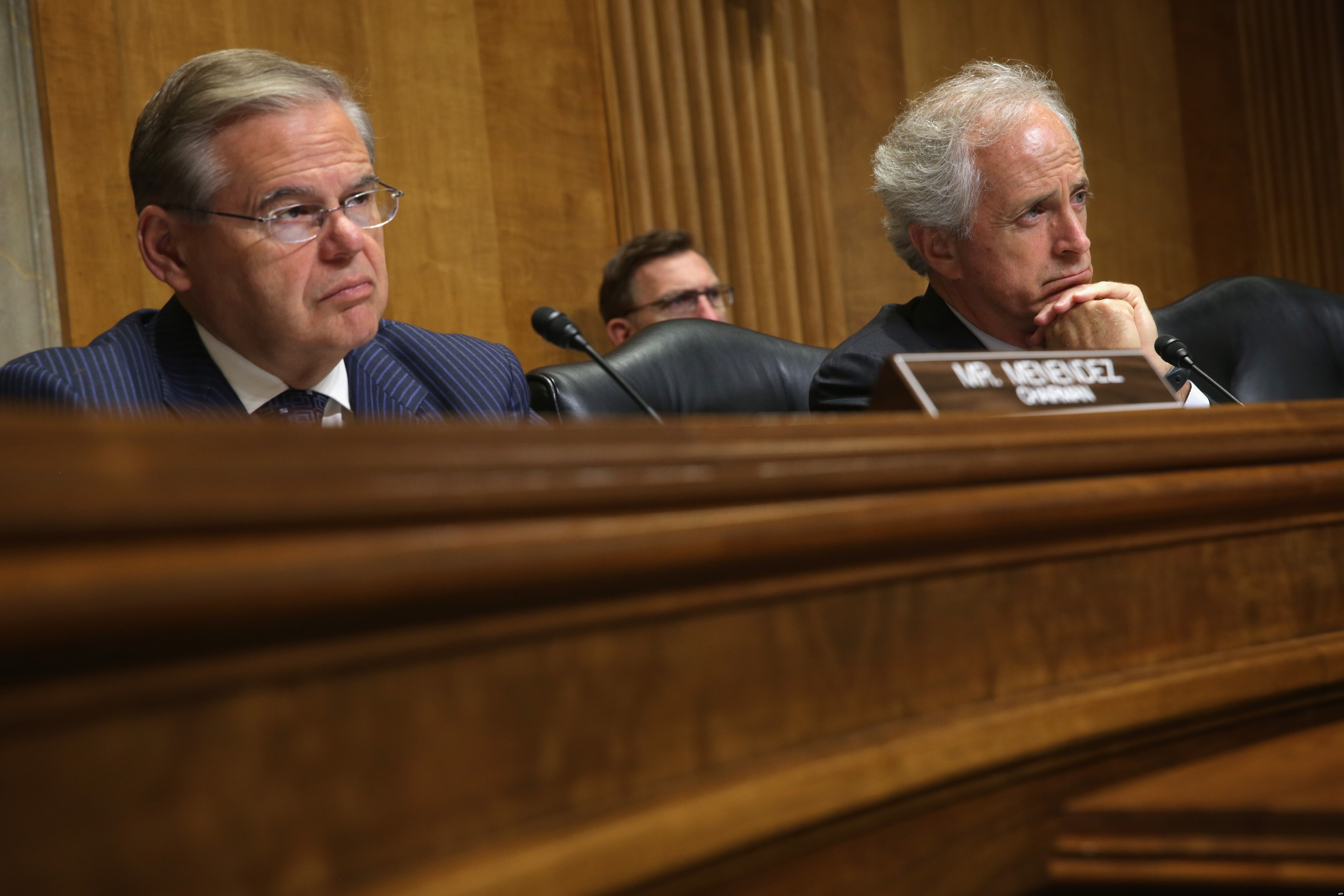
American lawmakers criticize Obama's indecision against Russia
During the hearing in the Senate on Wednesday, American lawmakers sharply criticized the White House, which slows down with the introduction of new sanctions against individual sectors of the Russian economy. Senators claimed that Moscow neglected all the warnings and continues the direct support of the separatists in the east of Ukraine , which deserves immediate response from the United States.
High -ranking representatives of the State Department, the Ministry of Finance and the Ministry of Defense, invited to a meeting of the Senate Committee on International Relations to clarify the position of the White House regarding sanctions against Russia, tried to convince the lawmakers that the already imposed sanctions were working and certified the senators that the Barack Obama administration was ready for tightening the sanctions regime. Assistant Secretary of State Victoria Nuland even mentioned the current sanctions as the most important reason for Russia's sliding to the recession. But the senators neither these arguments nor these assurances convinced.
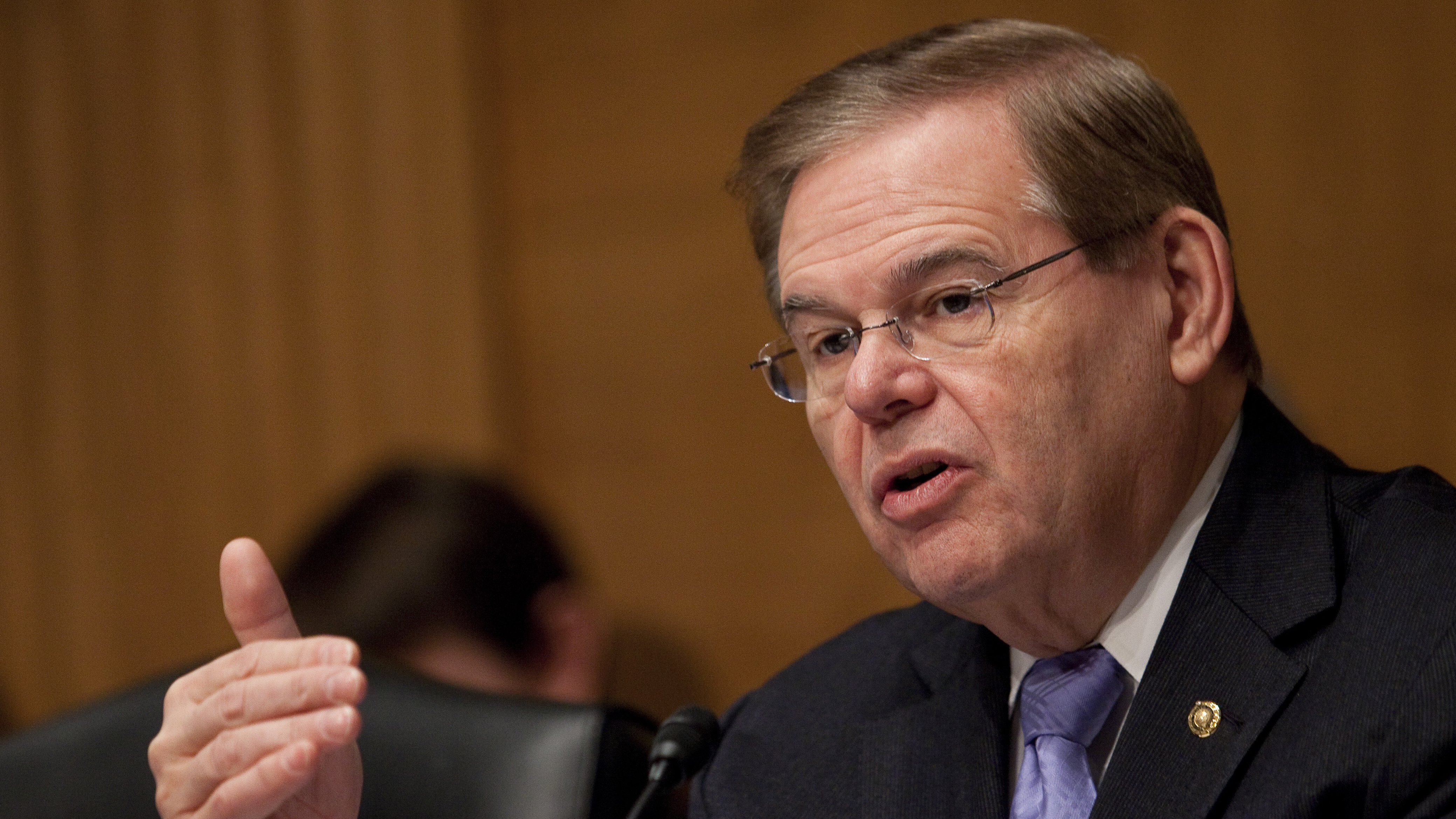
“What are we waiting for?” Nuland asked the head of the Senate Committee on International Affairs Democrat Robert Menendes. “What are we waiting for?” What will happen, Menenses asked if the European Union will again decide to postpone the sanctions next week? "Then we will leave for the summer vacation, and Putin will know that no consequences of his actions will result in and the United States will continue to stand aside, waiting for further steps of Europeans?" An annoyed senator, who, as a rule, is an ally of the Obama administration in the confrontation with the Republicans, recalled that Moscow did not fulfill any of the main conditions set by the Western allies, passed all the extreme deadlines established by Washington to stop the help of separatists, release hostages and began serious negotiations on the basis of a peaceful plan proposed by the president of Ukraine. That is, there are reasons for imposing new sanctions.
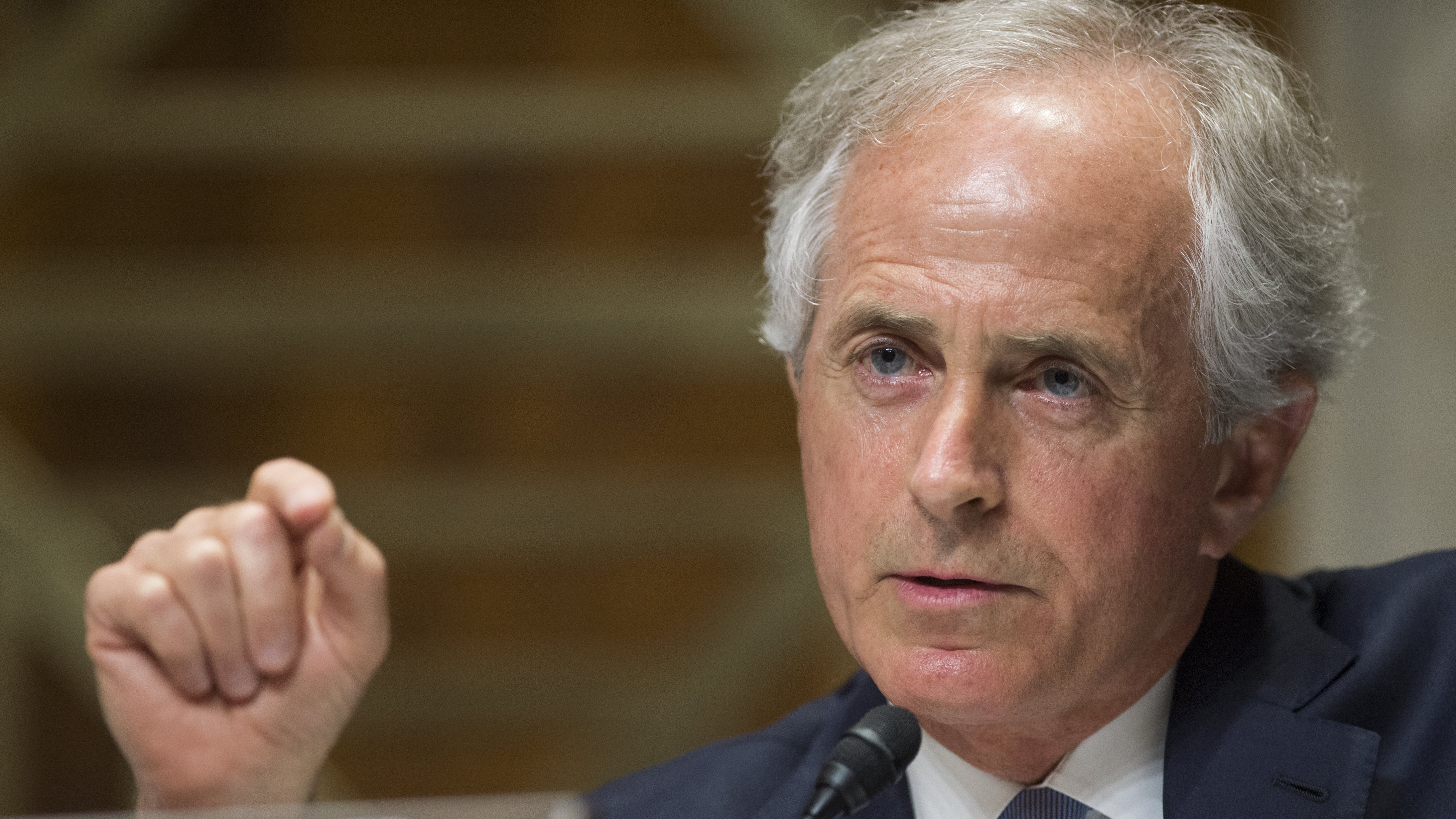
And these were not the most sharp statements. The republican Senator Bob Korker called the State Department’s actions “irresponsible” and expressed sympathy for the American diplomats who act with hard warnings, knowing that nothing is worth it.
Victoria Nuland assured the senators that the United States was preparing to impose sanctions in the near future, insisting that these steps would be much more effective if the United States takes them in coordination with the European Union. Individual actions may not give the expected results, according to Nuland, and turn into losses for American companies if Europeans continue to conduct business with Russia. "Therefore, we are talking with Europeans about when the right moment comes for joint actions," she said. But Nuland reminded the words of President Obama that Washington, if necessary, resorted to one -sided steps, and assured the senators that preparations for sanctions were ongoing.
According to the American military expert Daniel Gure from the Lexington Institute in Virginia, these hearings indicate that the administration is increasingly difficult to protect their cautious approach to expanding the sanctions against Russia:
- In my opinion, it is clear that the United States does not want to act individually, formally, referring to the need for sanctions coordinated with Europeans. This point of view has the right to life, but it is clear that even unilateral American sanctions against the Russian largest banks will lead to destructive consequences for the Russian economy. The White House does not want to go to this yet. And his indecisive position on all the main international problems is Iraq, this is Syria, this is North Korea, this is the Ukrainian conflict-causes more and more skepticism of legislators, including single-party democrats of the President of Democrats. They realize that the president does not want to make decisions, he has no action plan.
-Indeed, the Democrat Senator Robert Menendes warned representatives of the administration that Congress could take some steps regardless of the administration. And what can lawmakers do, because foreign policy is the patrimony of the president?
- It is. The President can impose a veto on the decisions of the congress regarding foreign policy, he can ignore the resolutions and calls of legislators. Nevertheless, there are many ways, for example, a refusal to finance international operations, with the help of which the legislature can express its displeasure by the foreign policy actions of the president.
Daniel Gure predicts that the echoes of the Ukrainian conflict may also be reflected in the November intermediate elections to Congress, where lawmakers - supporters of the president will have to make excuses for the unpopular foreign policy of Barack Obama. And even in the 2016 presidential election, if Hillary Clinton, who once pressed the “reboot” button, together with the Russian Foreign Minister Sergei Lavrov, laid the foundation for the strategy of close cooperation with Moscow, which, in the eyes of very many Americans, looks erroneous.