
Translated material
The horse is
120 years ago, a boy Isaac, the son of a merchant Emmanuel Bobel was born in Odessa 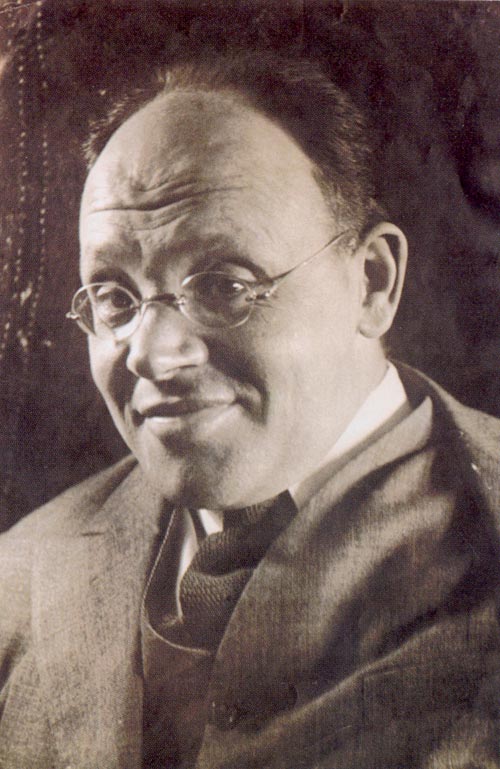
But the worst thing happened to the boy in the year of the Great Manifesto. In 1905, the 11 -year -old Babel hit the pogrom and survived a miracle. Babel had something to take revenge on the old world. And when the time comes, he saddles the horse at Konarmia and grows on the ground the rider of the Apocalypse, and his muse will become a markeant (if not something worse) with the revolutionary troops. Gorky, who in 1916 encouraged and put into the light of a young writer (almost convicted of pornography), advised him to go "into people." Babel obeyed and went to the "nonhumans", according to one of his contemporaries.
He was not a "fellow traveler" of the revolution, his horse packed ahead. His sharp and caustic gift, his brilliant deadly feather were outside the categories of good and evil. He wanted to see near an era, fulfilled by horror and blood, greatness and despair, the era of the "last day of Pompeii." He voluntarily goes to the Cheka, then - to the post -trees, the real sonderkemands who did not allow the starving people to buy bread, millet or salt from the peasants (the story “Salt”). In 1920, he, a Jew-intellectual, was going to serve in Konarmia, to the pogroms, bandits and looters, to the real “wild hunt” of the king of fear (Lenin, Dzerzhinsky, Trotsky and Co.), and after all, the Konarmeyans of Jews killed tens and hundreds. The stories of Konarmia will arise from this. Deadly horror without any attempt to condemn. The naked reality, which was considered by the slanderous Budyonny.
The eternal problem of the realist of terrible times: Eisenstein admired or was horrified? With Eisenstein, the question remained open, with Babel, alas, the question can be closed. Evil fascinated him, he reveled in destruction and, of course, gave out the Bolsheviks with his head. There was too much truth in Konarmia, and in “Jewish” and “Odessa” stories. Serving in the foreign department of the Cheka, he went down to the basements and eagerly watched torture and executions. He had such an attitude: “A person should know everything. This is tasteless, but curious. ” He not only saved his life: he participated with voluptuousness.
When collectivization began, he asked him to appoint him chairman of the village council in the village near Moscow. He contributed. When the large processes of the late 30s began, he wrote an article “False, betrayal and Smerdyakovshchina”-with indecent enthusiasm, to which no one forced him. He tried to return his little daughter from France to the USSR, "so that they would not make a monkey out of her." Thank God it failed. He looked into the abyss, and in 1939 the abyss came for him. The same Chekists whom he called the saints and wanted to write a novel about them, cruelly tortured him and shot him in the basement already familiar to him. Evil cannot be tamed or set only on others. Big writer I.E. Babel died from his own hand. His stories remained for us. And "Konarmia" - evidence and instrument of crime!