
Translated material
OSCE will inspect the border between Russia and Ukraine
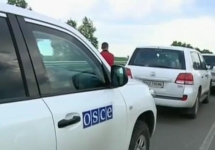
The OSCE will increase the number of observers in the zone of armed conflict in the east of Ukraine and will begin to monitor the Russian-Ukrainian border with the help of conpertliers. Such an agreement was reached during the telephone conversations of foreign ministers of Germany, France and Ukraine Frank-Walter Steinmeier, Laurent Fabius and Pavel Klimkin, as well as the head of the Russian Presidential Administration, Sergei Ivanov, according to the website of the FRG FRG.
The expansion of the work of the OSCE observers of OS OS should serve as the purpose of preventing violations of the border and the penetration of weapons and militants to Ukraine. All parties welcomed the steps taken by the OSCE to prepare the supervision of the Russian-Ukrainian border using drones. The parties agreed to provide active support in this.
The contact group, consisting of representatives of Ukraine, Russia and the OSCE, will already contact representatives of the separatists in the television conferences regime in order to enlist their willingness to fulfill the plan to resolve the situation. After that, a personal meeting of the parties should be held. Russia undertakes to apply its levers of influence on separatists, specified in the message.
“All parties are very concerned about the humanitarian situation in the conflict zone,” the German Foreign Ministry emphasizes. The parties spoke out for the speedy creation of humanitarian corridors. Ivanov assured the heads of diplomatic departments that representatives of the Embassy of Ukraine gained access to the Ukrainian pilot, who was in the pre -trial detention center of Voronezh, Nadezhda Savchenko .
Last week , the EU Council expanded the sanctions list , including the names of 11 leaders of the militants of self -proclaimed Donetsk and Lugansk "People’s Republics". Now the list includes 72 people. The EU Council at the level of ministers can only expand the sanctions list of individuals and organizations. Only the first persons of the EU countries make the decision on economic sanctions. They will gather for an extraordinary summit on July 16.
On June 27, the European Union summit gave Russia a period of three days for specific steps to de -escalate the conflict in Ukraine. Otherwise, the EU leaders are ready to “gather at any time to discuss new target measures” against Russia, the meeting participants said in the final statement of the meeting. New sanctions against Russia have already been prepared and can be imposed "without delay."
The EU summit insisted, firstly, to "achieve an agreement on the mechanism for confirming the implementation of the ceasefire under the observation of the security and cooperation organization in Europe, and on the effective control of the border." Secondly, on the return of border checkpoints to the Ukrainian authorities. Thirdly, the document contained a requirement to "free all hostages, including OSCE observers." Fourth, the EU summit insisted on "launching comprehensive negotiations for the implementation of the peaceful plan of Petro Poroshenko."