
Translated material
For your and our freedom
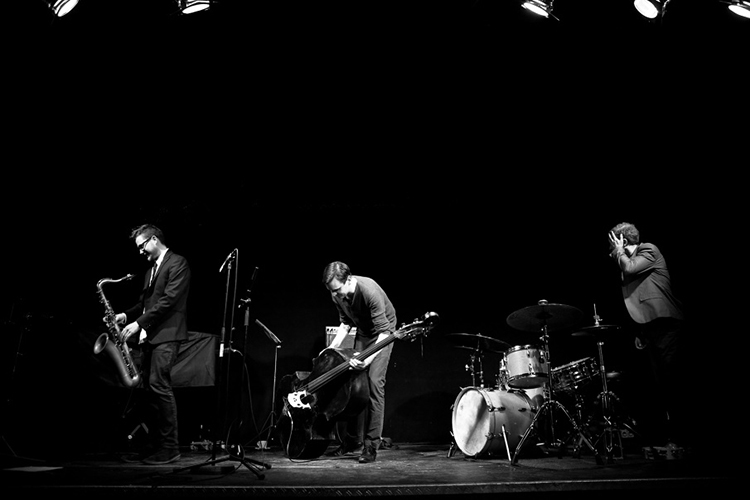
In the "Muzenergot" , about which we have already written , the trio of Simon Shpis also plays. These days - in Siberia, and on July 22 - and in Moscow.
Outwardly, the musicians from the Swiss Simon Simon Shpis remind the no longer jazmens brought up on Wayne Shorter and the Mackey Tiner, or the new participants in the posters of the Afisha, or the Band of the films of Aka Kaurisma. However, you should not be deceived-before us are the real followers of the traditions of the 50s, the last decade, when Jazz has not yet gone into the free flight of abstract improvisation.
Simon Spiss with his comrades -in -arms Marco Nennings (BAS) and Daniel Madrak (drums; at concerts in Russia, Samuel Dusler, a lot of melodic hones of their numbers for the shock installation. However, diligently built parties and playing participants do not overshadow the trio in the chain of conventional solutions. Rather, on the contrary. Feeling the powerful support of traditional jazz, Spiss and his comrades allow themselves to go beyond his framework, and confidence in each other gives them the opportunity to decide on the most unexpected moves during improvisation.
To seize the segment of jazz, when “as before” was no longer played, and “in a new way” there was not enough enthusiasm.
On the one hand, there is a feeling that the trio of the squirrel, having chosen for itself a conservative sound, is trying to re -go through the discoverers of the avant -garde jazz sound, to understand how the “same” musical evolution took place. But this sensation is premature.
With a much greater probability, the task of musicians is not an attempt to go from tradition to the vanguard, but to grab the short and not completely developed segment of the history of jazz, when “as before” was no longer played, and playing “in a new way” was not enough enthusiasm. For example, Uri Kane is engaged in such searches from time to time, however, in his case, the listener deals with a much colder and analytical postmodern view of the music.
The trio of the squea, on the contrary, does not try to simulate someone or deconstruct anything. Rather, they are similar to a detachment of fighters who separated from the main units in order to explore the territory that has already been passed, but not studied to the end. The armament of this detachment, however, does not allow randomly to suspect in them a long time ago on the battlefields of the soldiers-here and there are slipped by the most relevant customers of labels such as Clean Feed , Nobusiness Records and Intakt .
Unlike many colleagues in the modern jazz workshop, the trio is distinguished by obvious hedonism - this is music, first of all, bright, lively, aware of its vitality and not embarrassed by it. This music and borrowings from other genres are not embarrassed: you do not have time to understand that you just listened to a frank piece from a rock shower, as an academic passage is replaced by him. And the most interesting thing is that this transition can be easily skipped!
The compositions of the squea and its colleagues are monolol. Integrity is their important feature. If desired, you can, of course, neglect pure pleasure from their music and indulge in searing the “seams” inside the compositions. But pretty soon it will become clear that it is natural for the handwriting of the musicians themselves smooth transitions.
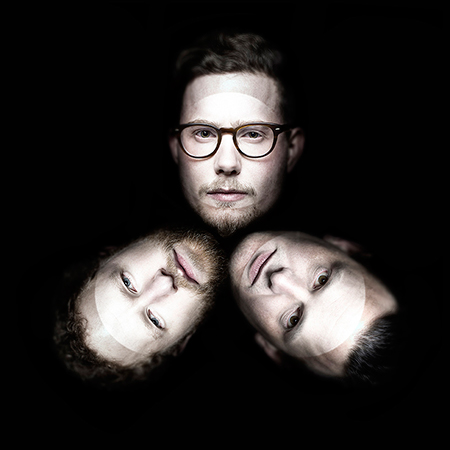 © Simon Spies Trio
There may be another impression, namely, that the trio works in the camp of “techies”, who honed their skills and are more of interest to other musicians than for ordinary listeners. This is not so: jazz from Simon Space and Company is characterized by emotionality and depth of feeling. Their music is easy for perception (but not lightweight) and appeals to the very same human, too human.
Musicians do not build a wall of irony among themselves and the public, they do not go into technical delights or pure contemplation. They are with their listener here and now. In contact with the public and, as it seems, in complete harmony with himself.