
Translated material
The price of "lunar" prestige
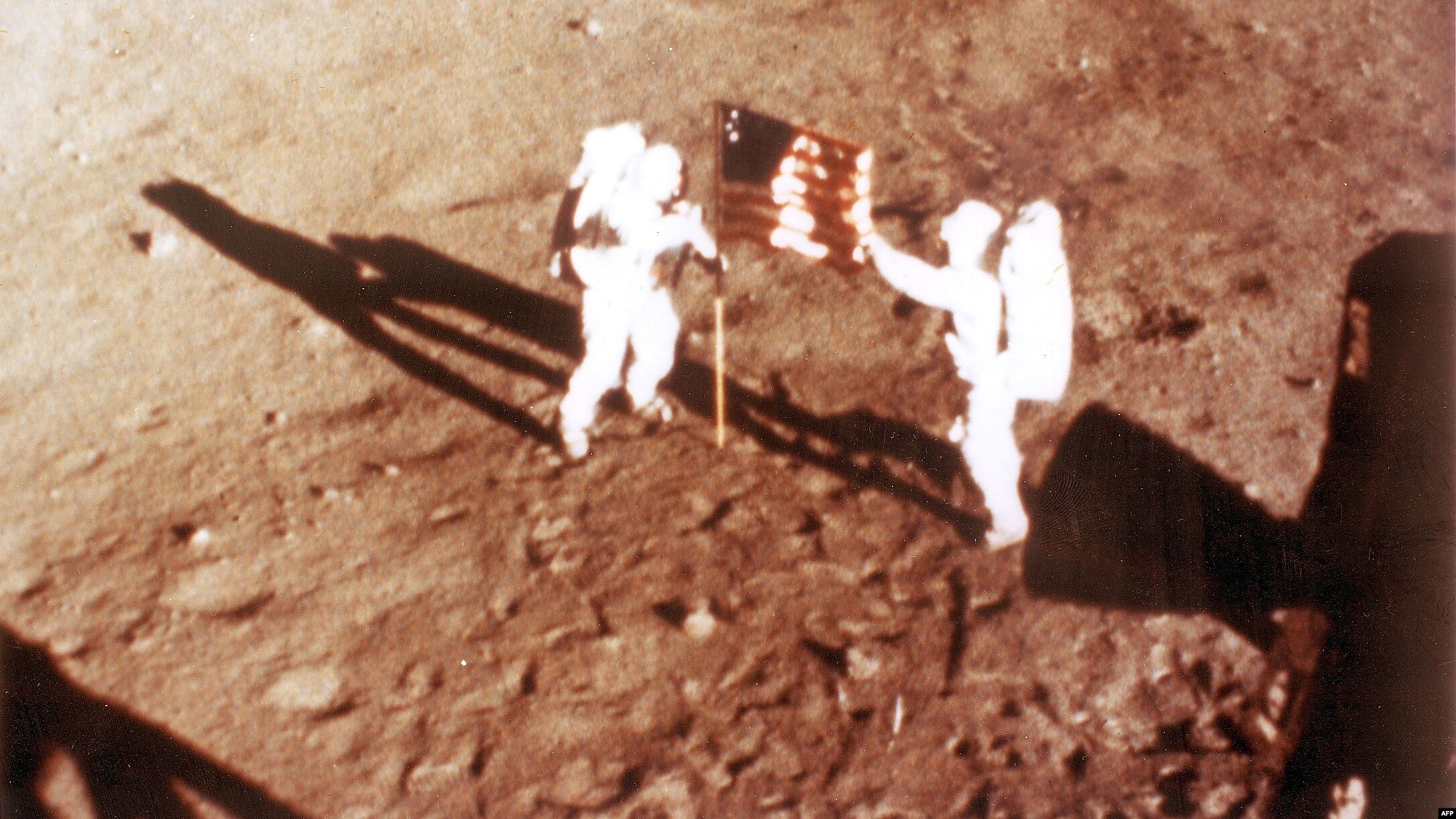
45 years ago, the first astronaut stepped to the surface of the moon. Since then, the "lunar program" of humanity has advanced nearby
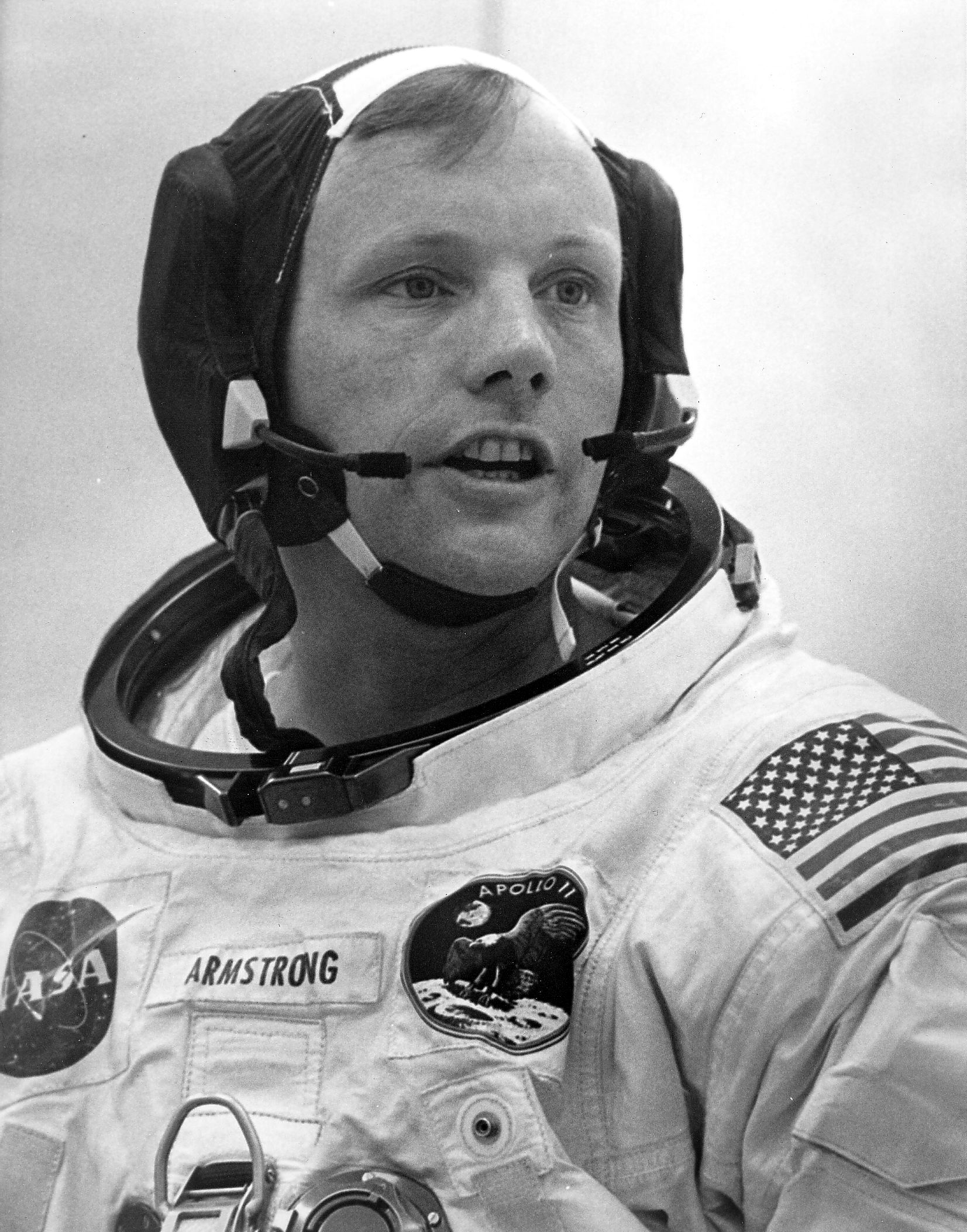
On July 21, 1969, two crew members of the Apollo-11 spacecraft, the commander of the Nile Armstrong and astronaut Bazz Oldrin, put their lunar module in the sea of calm on the moon. They remained on the surface of the Earth’s space satellite 21 hours, 36 minutes and 21 seconds. Armstrong was the first to step on the surface of the moon, famous for the phrase " this is one small step for man, but a giant leap for all mankind." The success of the Apollo 11 mission marked the USSR victory over the USSR in the so-called "Moon Race".
If you leave aside the understandable considerations of the national and political prestige, which the United States of America and the Soviet Union, of course, were guided by the Lunar race, then American expeditions to the moon gave all humanity a lot, and 21 billion dollars spent on the American program for organizing human flight to the moon, says the scientific observer of Radio Liberty Alexander Sergeyev :
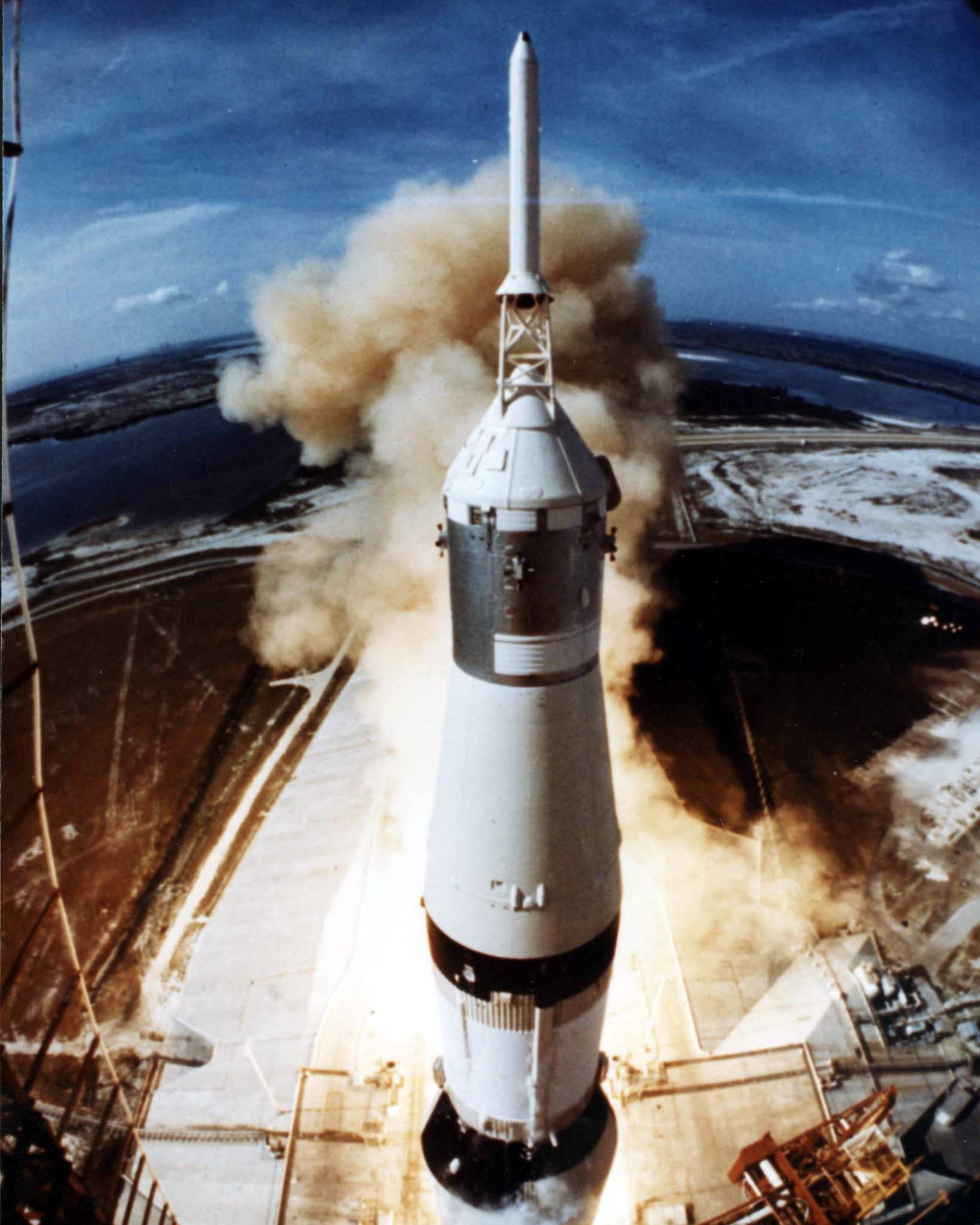
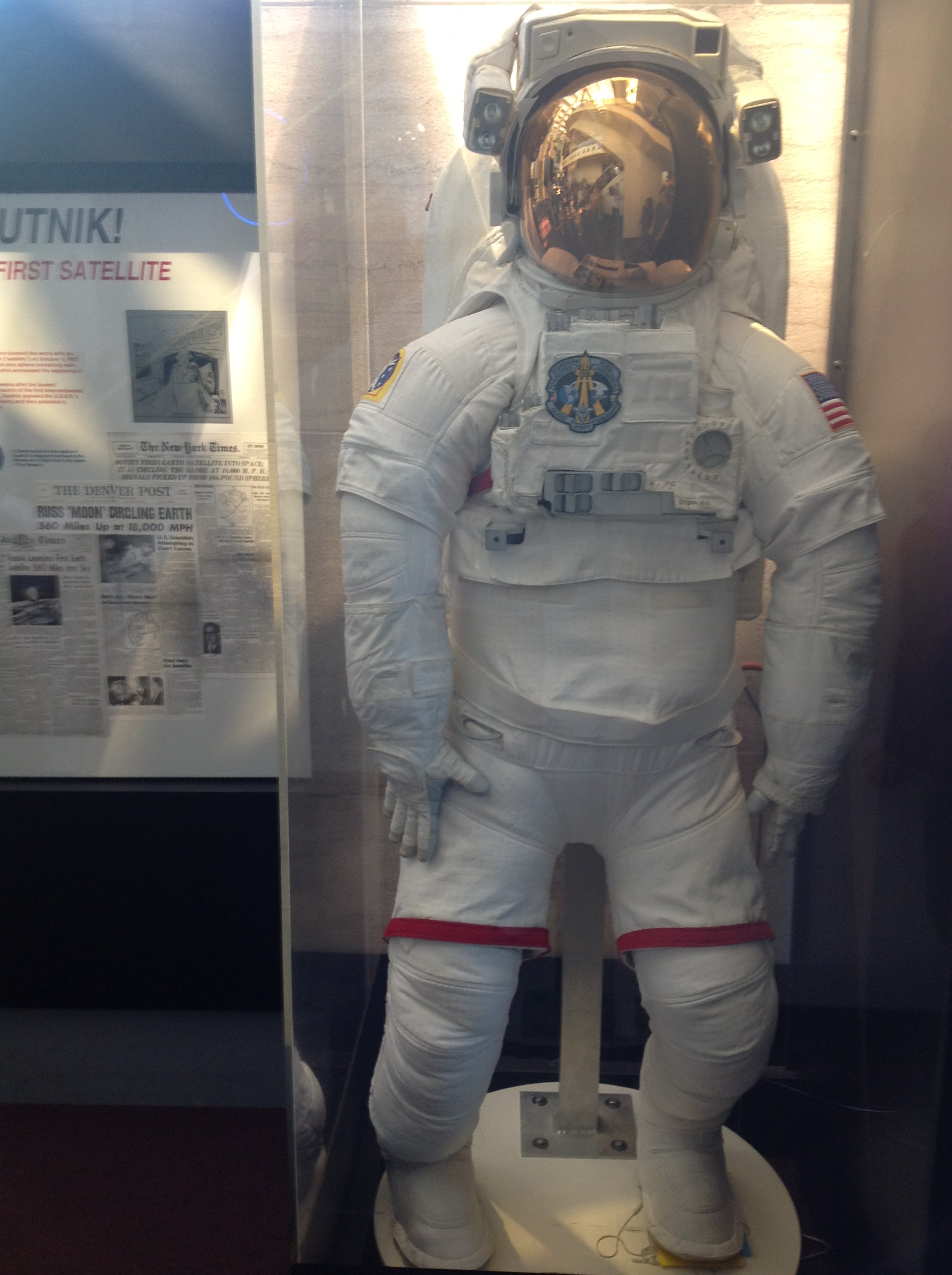
- First of all, a huge technological jerk was made. In less than 10 years, the United States had to build a giant missile, work out completely new technologies - spacesuits, engines, test stands, a lot of things - and simply gain experience in implementing huge scientific projects! All this laid the foundation for a number of new technical directions. For example, the already mentioned spacesuits - they were designed from 20 layers of various materials that were specially developed by chemists. And then these materials were included in everyday use in technology and even in everyday life. I met the following assessment: for each dollar spent on the development of the moon, the American economy received a profit of $ 7. But in fact, this was not the main one, but the scientific study of the moon. Because before the flights of the "Apollo", the ideas about the moon were very, very vague. It was, nevertheless, a giant scientific project. It must be remembered that the first three expeditions and racks were more technological test experiments. And the last three, that is, "Apollo" under numbers 15, 16 and 17 - full -fledged three -day expeditions with purely scientific, astronomical purposes. The astronauts drove along the moon in a special car and collected samples, which were brought almost 400 kilograms! For comparison, the machine guns that sent the USSR brought several hundred grams. For the sake of this, in fact, the whole project was done - for the sake of science, if we do not talk about prestige.
- Neil Armstrong called the landing on the moon a giant jump for all mankind. So why didn’t the piloted flights to the moon be continued?
- It was really a “leap” in the wake of competition between the USSR and the USA. It was necessary to do something incredible. The flight to the moon at that time could really seem incredible, although, in fact, then the ideas about the development of the cosmos were very rainbow. Everyone was waiting for the Moon now, in ten years - Mars, and there we will fly to the stars ...
But in fact, everything turned out to be not so beautiful and rainbow. Firstly, then still no one realized the entire degree of mortal danger. Suffice it to say that Apollo 11 actually barely sat on the moon! Neil Armstrong flew above the surface of the moon and saw that there was nowhere to sit-boulders, giant cobblestones, with a circle of many meters, lie, something else. He barely had time! He had fuel for 20 seconds to catch the landing - otherwise he would have to start back without reaching the surface. On Apollo 13, an oxygen cylinder exploded in flight , the astronauts miraculously escaped. By the way, the flight program to the moon was reduced precisely after Apollo 13. It was planned that they would fly until the 20th Apollo, and really flew to the 17th. Finally, it is just very expensive. Each flight - it was a waste of huge funds, billions of dollars, and that time, not today. And the first flights "took off all the cream." The first three flights are violent enthusiasm, the enthusiasm of the Americans about the fact that "we won the lunar race with the USSR, the Americans won!" Then three flights with huge scientific results - and then, of course, the effect was supposed to begin to decline systematically, which happened. Because each time the "lunar" expeditions brought to Earth less and fewer new data, and the risks of accidents were still preserved, and the costs remained very large.
- What does the prospect of mastering the moon look like today?
- Despite the fact that 45 years have passed since the first landing, the prospects for mastering the moon, and even just manned flights there, look very pale. Speaking without abysses, the problem is that no one is clear to anyone why a person to fly to the moon? Not a single convincing project has yet been represented that would justify the presence of a living person on the moon. At some point, they talked about the fact that it would be nice to build an observatory on the moon. But space observatories fly perfectly, telescopes in an empty space are even better than on a hard surface. At some point, there was a conversation about the possibility of getting there a unique, very rare Heli-3 isotope , which falls on the moon with a sunny wind. It is very useful, in the future, for the development of thermonuclear energy. But this is also almost fantasy, because there is no thermonuclear energy yet. And even when she appears, she will not require helium-3 at once, because reactions with helium-3 require 10 times higher temperature than with deerium and tritium. And God forbid, in the XXII century these technologies and this isotope will be needed.
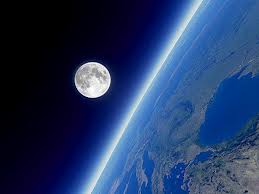
Lunar tourism? It would be wonderful, but to deliver only one kilogram of cargo to the moon and back there are hundreds of thousands, if not millions, dollars. And imagine a person with all the necessary equipment! While you can’t live there, and not go there as a distant outpost. There is no infrastructure in space, and its creation is incomprehensibly expensive. And so it will continue until the scientists of the Earth find a way to create a habitat using what is in space - with the help of lunar soil, solar radiation, water deposits that will be found on the moon. The international space station "hangs" with us, figuratively speaking, only 400 kilometers above our heads - and still it is terribly expensive. But the cost of delivery there is a kilogram of cargo is 10 thousand dollars, and not at the "lunar" prices.
But perhaps, somewhere in the 30s of our century, “prestige flights” will again appear on the moon, we can assume when China grows to lunar flights. Then, maybe, several flights to the moon will appear again-in order to prove to the world that the American program can still reach there, and, perhaps, even Russian will want to show something, along with the Chinese, ”suggests scientific observer Alexander Sergeyev .
-


Alexander GOSTEV
The editor of the RS information service, international observer, author and editor of the heading and podcast "Atlas of the World"
Gosteva@rferl.org