
Translated material
Colta.ru
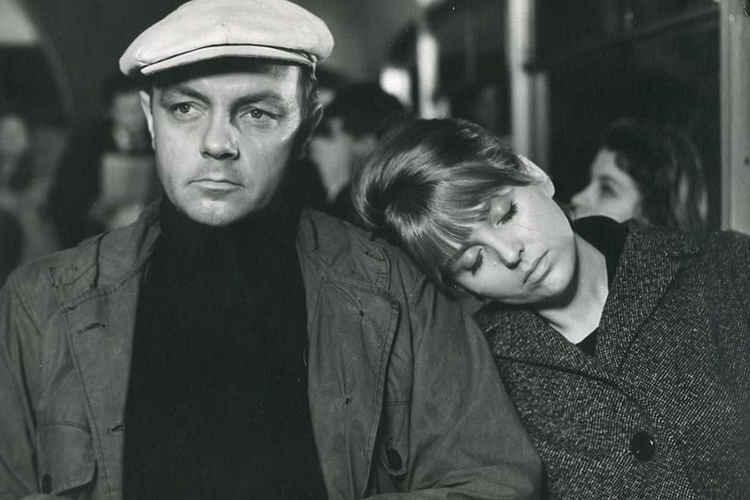
In general, everything is more or less over. Someone was blown away and gave up. And a little embarrassed that in a past life we were friends. Someone was driven into a corner, he left. Someone was not driven, but he also left. Someone has become a hero, condemned, sits. Someone did not. Lives, works, helps people (including heroes), gives birth and raises children. What we were or could be, what we did or could do, what we changed or could change, more or less goes into history. Strange feeling: you become the past.
The people around me in the last couple of years often and desperately nostalgic for the lost hope of changes in the country, lost places of work, which disappeared confidence that the matter that you do is necessary and important. Sometimes they collectively nostalgic, collecting whole nostalgic feasts and face -book threads: the editors that we have lost, a team in which we never work again, a team, without which we can not live. Of this, the image of our generation has formed one way or another. This generation in the zero wanted and, probably, could bring its country closer to the ideal in which it believed: humanism, enlightenment, democracy, market economy, freedom of speech. Wanted, but not close.
One ardent young man, who enters the other day in a bright period of his television career, wrote to me here in a letter: “All that you regret and what you are crushing about is terribly funny and old -fashioned. You want to leave the world as it was with you. But you are almost none in it. New times have come, and you cannot match them. ” In a sense, we became an anecdot. I read this letter to the music from the project of one of the best melodists of the country Oleg Nesterov. The project is called "from the life of planets." This is music for the uninhabited films of the sixties.
For some reason, I recalled that in most editions dear to me during their heyday it was accepted soundlessly and even compassionately to laugh at the sixties: good, talented people who believed that the country can be changed. And having broken their life on this. In these editions, it seems like we did not specifically pretend that there was nothing like that: no drama of the sixties, no tragedy.
"New times have come, and you cannot match them."
At the beginning and middle of the zero sixties on the screens of TVs, there were almost no TVs, they did not become heroes of newspaper publications. Their story, which, according to all the rules of historical continuity, was to be learned, comprehended, taken into service, became relevant only when, apparently, almost nothing could be done. Yes, and in alive by the second decade of the 21st century, the sixties are much less left than when we should start talking with them for a long time and in detail.
Yes, there were more than seven people in Bolotnaya, and it lasted much longer than twenty -two minutes. Has this changed the country more? It is unlikely. Apparently, everything was already rolling where it rolled. The actions that turn out to be irreversible have already been committed, conspiracies were spoke, disappointments were planned, and the disunity broke the apparent community. Subsequently, no one, in general, gave a hand to anyone and did not forgive anyone. Opportunities, if they were sent to us, were not used. The only thing we managed to do well together is to nostalgize about what could not be returned. Isn't it that we laughed at the sixties? Is it not for this that those who come to life instead of us, in the profession and at the age of turning acts, chuckle at us?
I read a letter of an ardent young man and thought that, probably, one of the talented friends of my young correspondent will write music in thirty years and to our uninhabited films, write reviews to our unwritten books and unheated performances, forgive us imperfect actions.
In most of the editorial offices dear to me, it was accepted soundlessly and even compassionately to laugh at the sixties.
Were there the sixties generation? These several thousand amazing people who dreamed of changing the lives of the majority. Were we (remaining) a generation? Several tens of thousands of disappointed and disappointed, quarreled and dispersed in different directions. Is this called a generation?
Is it possible to generally count on the appearance of a whole and a single generation in its impulse, ready for the sake of the idea of spit on minor discrepancies, rage and private ambitions? Probably not. Because a generation is a collective responsibility. And this does not happen. Collective irresponsibility and loss. Victory assigns power to himself. On her behalf, then textbooks are written about everything collective: the feat of the people, mass patriotism and a heroic impulse. And personal - only responsibility for committed or imperfect actions for one individual life.
In the sixties, the fate of each of them became interesting and important. Separately and specifically. For many - posthumously.
And we? The story is not changed by generation, but by people. Outside the age, era and political situation. It is impossible to grow heroes. They can only create themselves as the sum of actions. And this amount for everyone is their own. “Our and your” freedom does not exist. Only own. And the right to fight for her.