Translated material
The European Union imposed new sanctions against Russia
The European Union has introduced a ban on access to capital markets for Sberbank, VTB, Gazprombank, Vnesheconombank and Rosselkhozbank.
The sanctions will take effect on August 1, 2014 and will act within a year with the possibility of review in 3 months. The list included organizations where the share of the state exceeds 50% in direct or indirect calculation. At least half of all assets of the Russian banking system falls under the sanctions of the organization.

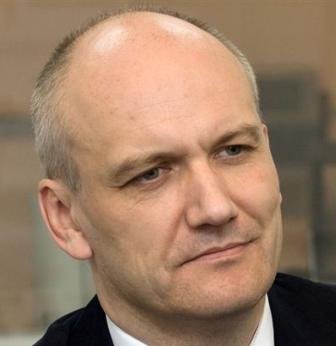
Sergey Guriev, economist: These sanctions are unprecedented, Europe goes further than America. Analysts said that banks such as Sberbank are outside the risk zone. On the other hand, Sberbank will be able to survive this, the direct effect of sanctions on it is small, for sure the Central Bank will be able to replace it with Western capital.
But, of course, the sanctions will harm the common economy, the outflow of investors will increase very much, and the ruble will drop significantly.
Europe will lose little from sanctions, because Russia does not meet threats worse than the ban on imports of products, although it can. Another thing is that prohibitions from a series of covers of access to energy resources, freezing of capital located in Russia and so on, will be painful not only for Europe, but also for Russia.
Ex-Minister of Economics of Russia, Chairman of the Civil Initiative Party Andrei Nechaev: 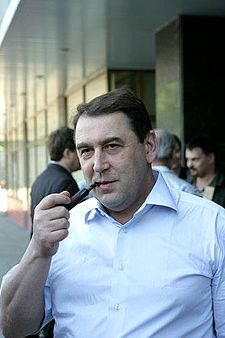
European sanctions are no more stringent than US sanctions, another thing is that the EU first presented sanctions not only to a number of persons, but by the banking sector. I think the most difficult part of them is the need to repay old loans in a short time. The overall result is that it will be necessary to look for a replacement for loans, that we took from European banks, and not so easy to refuse hundreds of billion dollars, and find them in another place. We will have to look within Russia, use reserve funds, a national welfare fund. This will lead to the fact that investments in the country's current economic activity will decrease, which will undoubtedly affect economic growth. The only thing that may affect private individuals is a reduction in credit programs. But it will still be harder to banks, not the ordinary population 
This is not to say that the new phase of sanctions is tougher than the previous ones. In this - third - phase, three state -owned banks closed access to the American capital market, and in the near future they will close access to the European one. Here is the first phase when the sanctions were hit by significantly smaller banks, it was a really strong blow for victim banks. The Bank of Russia and the SMP Bank had an outflow of customers, Visa and MasterCard cards were blocked, they lost the opportunity to work with dollars and euros. It is difficult to evaluate the financial effect of sanctions, now they are an attempt to enlightenment, this phase cannot cause a financial catastrophe in Russia, and is not intended for this.