
Translated material
The Communist Party proposes to overcome Coca-Cola with excise
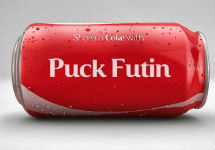
The Communist Party proposes to cover Coca-Cola with a special excise tax and other sugar-containing non-alcoholic drinks. This was reported by Izvestia with reference to the head of the legal service of the party, State Duma deputy Vadim Solovyov. In the fall, it is planned to introduce a draft of appropriate amendments to Chapter 22 of the Excise Code to the Lower Chamber.
“It has long been recognized that sweet soda, Coca -Cola in particular, serves the main, if not the main, cause of obesity and related diseases - cancer, heart attack and others,” Solovyov explained the meaning of the initiative. “Excise will make drinks with more expensive sugar, and therefore less preferable for consumers.”
The deputy referred to world experience. It is claimed that similar excise taxes are introduced in dozens of countries, including Hungary, Denmark, Norway, Finland, France.
The amount of funds that the excise tax will bring to the budget is not yet calculated, Soloviev noted. In the Ministry of Finance, the publication also found it difficult to assess the effect of the introduction of the collection.
At the same time, the deputy admitted that the initiative to impose Coca-Cola by the excise tax was affected by the decision of the manufacturer to withdraw his advertisement from four Russian television channels. “In general, it would be nice to introduce a boycott to this drink, because it is a clearly unfriendly step towards Russia,” Soloviev said.
The solution of Coca-Cola became known the day before . The company insisted that their step is due exclusively by economic considerations and is not related to the sanctions imposed against Russia.
Meanwhile, the three losing advertisements of the channel - Ren -TV, the Fifth Canal and Home - are associated with the US Bank, which fell under the sanctions of the United States and its largest shareholder Yuri Kovalchuk. The fourth channel is the Zvezda, owned by the Russian Ministry of Defense.
“These four channels are the least suitable for the target audience for Coca -Cola brands, so the advertiser decided to redistribute budgets,” said Yuri Borisovsky, a representative of the MediaVest agency, purchasing advertising time on television for the company. Anna Kozlovskaya, Director for External Relations of the Russian Coca-Cola Office, noticed, for her part, that the company decided to concentrate on the most effective channels for the target audience.