
Translated material
Revenge with boomerang
Moscow response to limit the import of food products from the EU countries and the United States caused a contradictory reaction in the West
Moscow response to limit the import of food products from the EU countries and the United States caused a contradictory reaction in the West
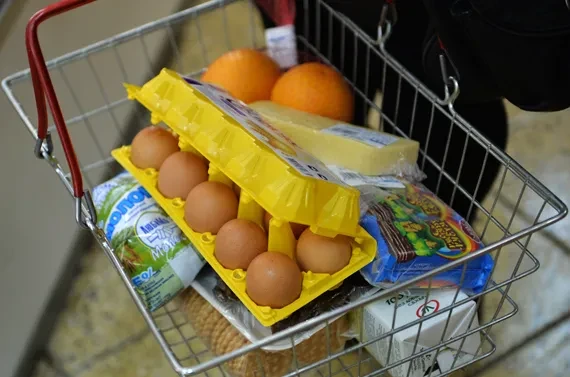
Photo: RIA Novosti
Under the heading “Revenge with the help of boomerang” German Frankfurter Allgemeine Zeitung (FAZ), commenting on the decision of the Russian authorities, notes that this step will first affect the Russian population. For more than 20 years after the collapse of the Soviet Union, our agriculture could not create potential in order to provide the domestic market with a sufficient amount of food comparable to import and price. For this reason, Russia has to import 53% of food products totaling 43.1 billion dollars, from which in 2013 more than a third took place in European countries. On the other hand, for the EU, this volume is less than one percent of exports of all agricultural products - only in the USA, Europe supplies products by almost 40% more than to Russia. The faster, FAZ believes, meat, sausages, milk and cheeses will disappear from the shelves of Russian supermarkets, the more it will become clear who suffered more: a Western manufacturer or a Russian consumer who will also have to reckon with the increase in price prices.
Another German publication Zeit Online draws attention to the fact that not Western sanctions forced Moscow to take response. This reason for sharp actions by Russia is the emerging military successes of Kyiv in the struggle against the Donbass separatists. The Kremlin, writes Zeit Online, hoped that the Crimean scenario would work in the east of Ukraine, and now that, against the backdrop of the offensive actions of the Kyiv troops, this option fails, remains anything else to try to deliver the response to those whom Moscow considers guilty of this failure. In fact, this means the self -isolation of Moscow, which sooner or later can lead to the collapse of the Putin regime.
The Berlin newspaper Der Tagesspiegel expresses concern about the fact that the war of sanctions is already causing mutual damage. Many German entrepreneurs are forced to revise their production plans, to look for new sales markets for products. According to the Eastern Committee of the German Economics, exports to Russia have been reduced by 16 percent since the beginning of the year.
The aggravation of the relations of the West and Moscow, according to Süddeutsche Zeitung, seriously destabilizes public moods. German society reacts anxiously to the escalation of sanctions, opinions were divided approximately in half - about 53% advocate decisive measures against Russia, a little less than half believe that the language of ultimatums will not lead to anything good.
The Ukrainian crisis, the policy of sanctions-conflicts reflected clearly in the results of the recent survey conducted by Stern magazine. According to this survey, every third citizen of Germany (33% of respondents) is afraid that further growth in tension can lead to war between Russia and NATO.
And another visual barometer of moods - Blogosphere, which is now in Germany violently discussing every news, article or comment related to Russia. So, Nick Tobi A, in particular, believes that because of the sanctions of Russia and the EU, they will cause great damage to themselves, and the third and fourths who are sitting in Washington and Beijing will laugh and count on and counting.
But the opinion of Nick Nappsuelze: “Neither Germany nor the EU should be afraid of the trade war with Russia ... Let this guy set his iron curtain again. His people are unlikely to be comfortable for too long only vodka and cabbage. The disappearance of Western equipment will follow restrictions on freedom of travel, reduction of jobs and the debt pit of the state budget. ”