Translated material
Orbit around a comet
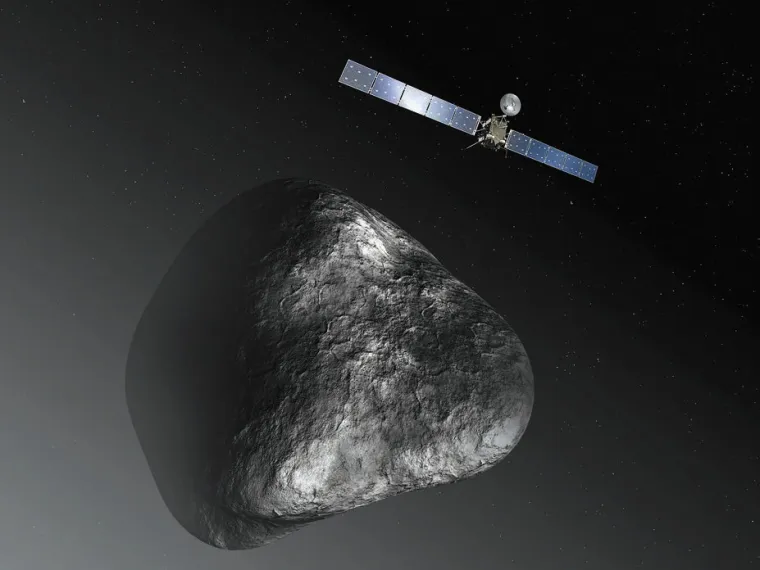
So, it happened. On Wednesday, August 6, at 13:29 Moscow time, the flight control center in Darmstadt entered the 22 -minute signal that the Rosetta spacecraft created at the European Space Agency for the first time in the history of space study entered the orbit around the Club Churumov - Gerasimenko. Ahead-more than a year of unique studies, a flight with a comet around the sun, observing the growth of its tail and coma (a cloud of dust and gas surrounding the comet's core; from other Greek. Χομη/κομη- hair. - Ed . ) And one more “first”-planting a probe on a comet; Behind - more than 10 years of flight. The author of these lines observed the live broadcast of this event from Germany together with the participants of the largest astronomical forum Cospar, which took place last week in Moscow. It is noteworthy that among the participants of the forum was the Ukrainian astronomer Klim Churumov, who opened the 67p comet on photoplasts made by another astronomer, now working in Tajikistan, Svetlana Gerasimenko.
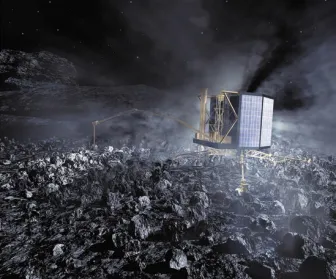
The idea was very ambitious - to send the probe to the comet at that point in its orbit, when the loss of matter is still small, to observe the appearance of the tail and coma directly next to the comet, and also to plant the descent apparatus to the surface. This would make it possible to understand in detail not only in cometary astronomy, but also in the origin of the entire solar system: comets are considered the remnants of the original substance from which the planets were formed. That is why the apparatus got its name in honor of the famous Rosette stone, which allowed to unravel the secret of Egyptian hieroglyphs. And the descent device Philae was named after the island of Phils on the Nile River, where an obelisk was found, which also helped read the hieroglyphs.

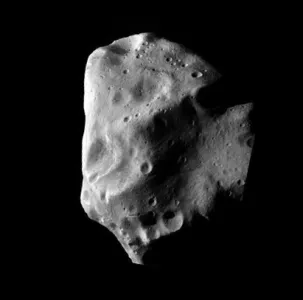
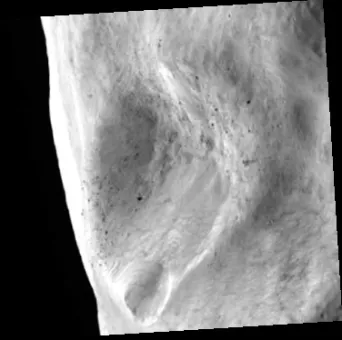
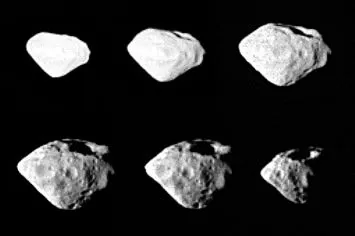
The mission started more than 10 years ago, in March 2004, from the Cosmodrome Kuru in French Guiana. In the first three years of flight, the device made three gravitational maneuvers near the Earth (in 2005, 2007 and 2009) and one at Mars (in 2007). The apparatus and about two asteroids visited. In 2008, Rosetta visited the asteroid 2867 Steins (this amazing asteroid has the shape of a robbed diamond), and in 2010-a fairly large asteroid 21 Lutetia (by the way, the first asteroid opened by an amateur astronomer). In the second case, it was possible to get a lot of very good pictures of the celestial body and even make its map. Then, in May 2011, the device “He hibernated” and woke up only in January 2014 from the internal timer.
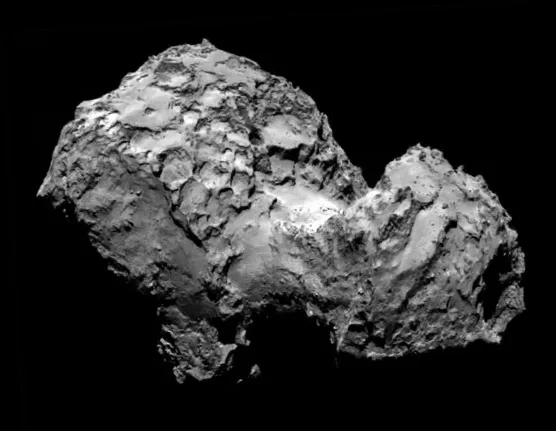
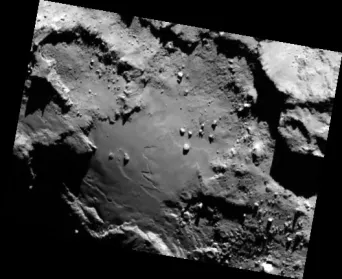
And in August, it happened that not a single “comet” mission still implied - the device entered orbit around the comet. The very first pictures gave a record permission:
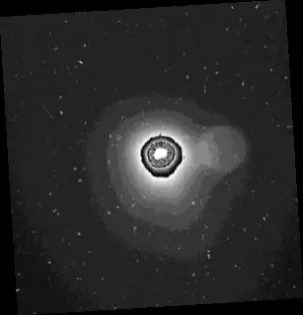
2.4 meters per pixel. Now, along with the comet, Rosetta will move to the sun and watch how the comet “wakes up”. There is already a small coma around her - the probe received her pictures on the approach. In November, a climax will come - the landing of a small Philae probe on the surface of the comet. The probe will take a direct study of the substance of the cometary core. The flight of Rosetta around the Sun along with the comet Churumov - Gerasimenko is calculated until the end of 2015.
And here is another remarkable moment. In parallel with the scientific and “ordinary” popularizer work, the European Space Agency does not forget about children. A wonderful cartoon was made about Rosetta and Philae about how humanity is studying comets.
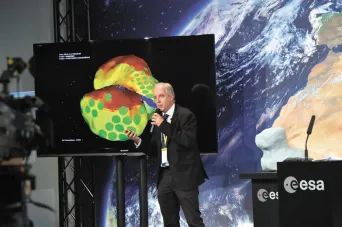
Photo E SA
Interview TRV - science With Klim Churyumov : http://trv-science.ru/2014/05/20/pojjmat-kometu/