
Translated material
Archaeologists have discovered in Greece the mysterious grave of the times of Alexander Macedonian
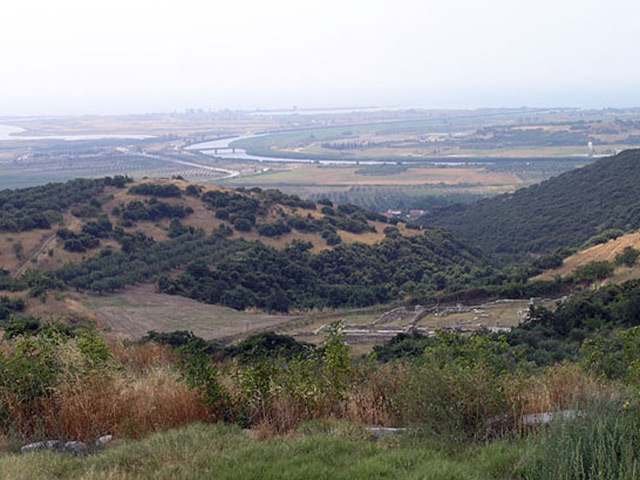
In Greece, archaeologists have discovered a mysterious burial, which is considered the largest of what were ever found in the territory of this country. According to scientists, it dates back to the reign of Alexander the Macedonian and can serve as a place for the rest of an important military leader or family members of Alexander, writes The Telegraph .
The tomb is located in the north of Greece - 105 kilometers from the city of Salonika, in the historical region of Macedonia, where the great empire of Alexander began, near the ancient Greek settlement of Amphilis. It was founded in 437 BC. Like the Athenian colony, but in 357 BC Was conquered by Philip II of the Macedonian, the father of Alexander.
The burial is a wide five -meter road, and the entrance to the tomb, the circle of which is 497 meters, is guarded by two Sphinxes. A five -meter marble sculpture of a lion was found immediately, which, according to scientists, initially stood at the top of the burial. The tomb is decorated with marble and frescoes, which were partially destroyed during Roman rule.
Approximate dating of the burial - 300 BC. At the same time, archaeologists do not yet know who was buried in this grave, but they excluded the likelihood that Alexander himself found the last refuge, who was believed to die in 323 BC. In Babylon (in the territory of modern Iraq) and was buried in Egypt.
Presumably, someone from the royal family or a high-ranking military leader from the environment of Alexander the Great is buried in the tomb. It is known that in amphipolis in 311 BC. By order of the Macedonian military leader Kassandra, Roxanne and the nominal king Alexander IV - wife and son of Alexander were executed.
Excavations at this place began in 2012. By the end of the month, archaeologists expect to finish the clearing of the burial and establish to whom it belongs. The place of excavations is guarded by the police.
On Tuesday, August 12, Greece Prime Minister Antonis Samara, who called the discovery of scientists "extremely important", and the burial itself - "unique" visited.