
Translated material
Ecology of energy
Hydropsy is considered one of the cleanest industries. But the reservoirs flood the habitats of animals, and sometimes huge arrays of the forest, as in the case of a SSHES. What is now being done in Khakassia with a top and what influence the hydropower farm has exerts on nature - in the material of the taiga.info.
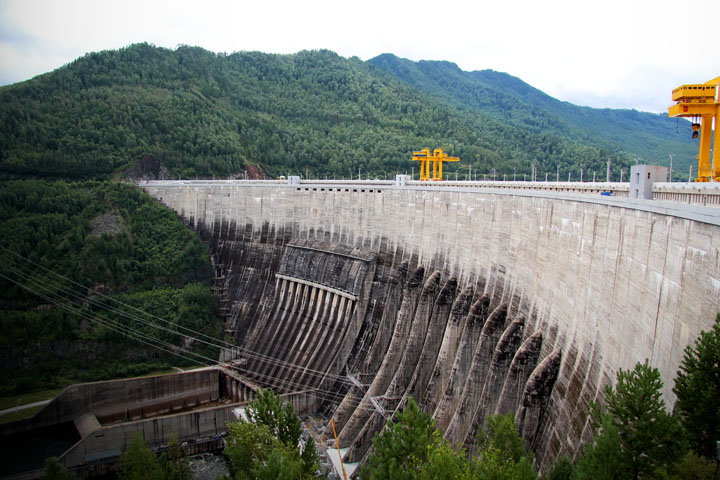
It does not drown in water and does not burn in fire
On the Ichthyander boat, we swim past the carpets of the swamp. We are going to look at him, and around - Siberia, real and severely beautiful - this is probably what it should be - cold mountains in the clouds and taiga of all shades of green. Nature is fascinating, and a person in it is a hero and a little superfluous at the same time.
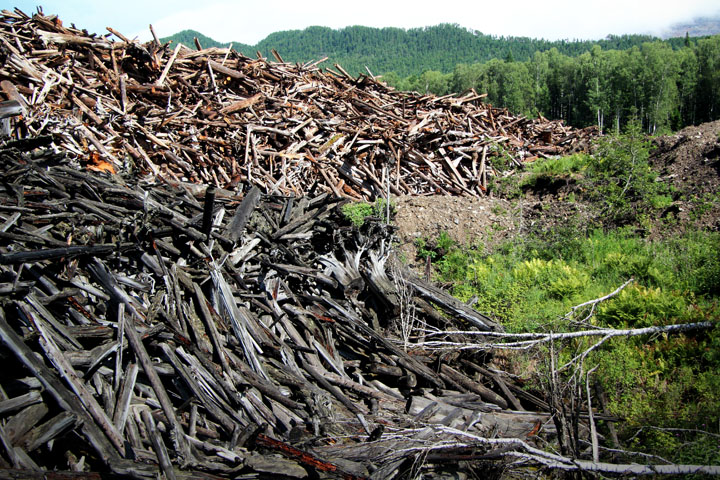
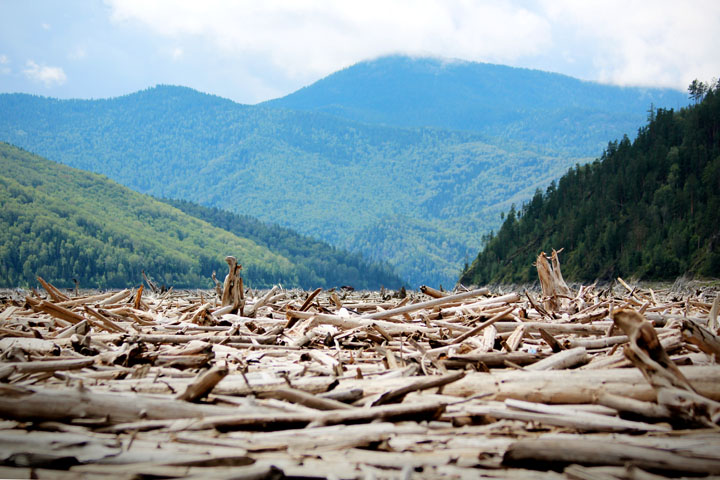
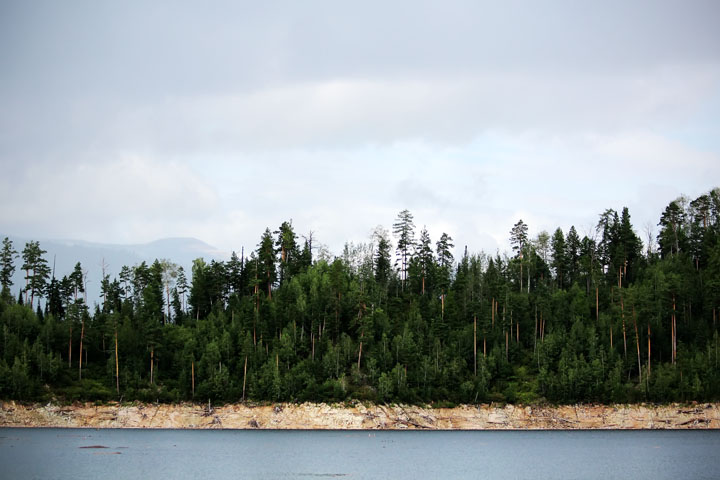
They say there were times when it was possible to go on logs in the reservoir. In total, according to experts, flooded wood, there were over 700 thousand cubic meters. Now it’s hard to say unequivocally why the forest was in the water. These are flaws during the construction of the hydroelectric power station, and the hardness of these places. But the main thing is that it is already useless to reason is necessary to remove. The reservoir in some places has become a log, and over the years, the tops began to secrete phenols harmful to humans and fish.
The water purification project was launched in 2010. Over the four years of its implementation, according to the press service of the SSHSC, the volumes of the swan in the water area were reduced almost three times. Now the work is being carried out by the "Transport Company" RusHydro "." In 2014, she will have to catch 130 thousand cubic meters of swag.
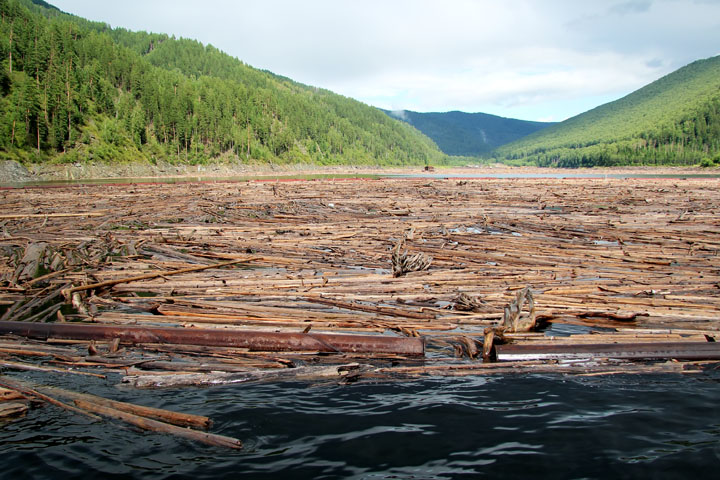
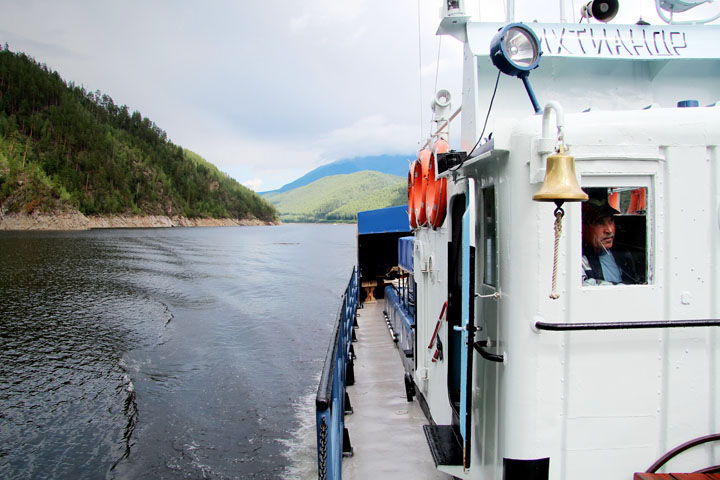
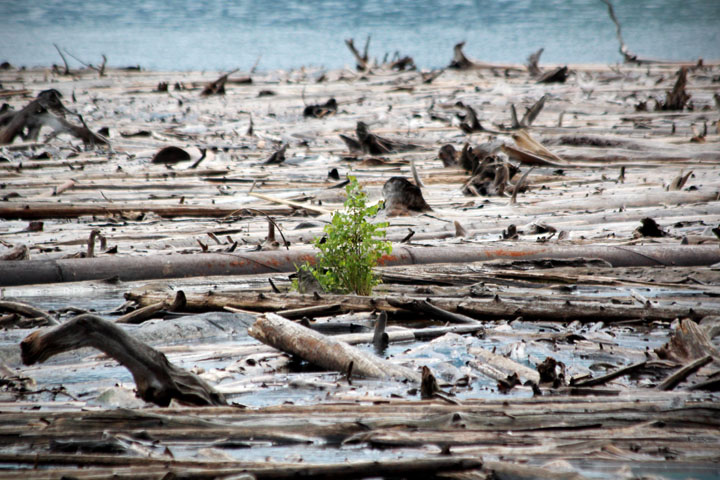
Directive work is on the right bank of the Yenisei, here a landfill was created in the mountain log to eliminate wood trash - the logs are called that way. In water, the tops are fenced with bons and special boats are dragged into the bay.
“There, in the distance, large boats - you see, probably lead a wallet,” Mikhail Kotelnikov, an employee of the RusHydro transport company, shows forward. “And the brand new boats are in reserve, this forest is pushed. The channels are dug up for unloading this forest. The manipulators take it from the shore and load it.”
Cars take what was once by trees, to the landfill. The swamp there is laid in layers and trim, then grinded into dust. “It turns out a layer pie,” Kotelnikov compares deliciously. But they will not eat the pie - it will rot. And he will have a couple more layers-the soil that was previously chosen from here, black soil and grass. In the future - a lawn with an area of 30 hectares - in four dozen football fields.
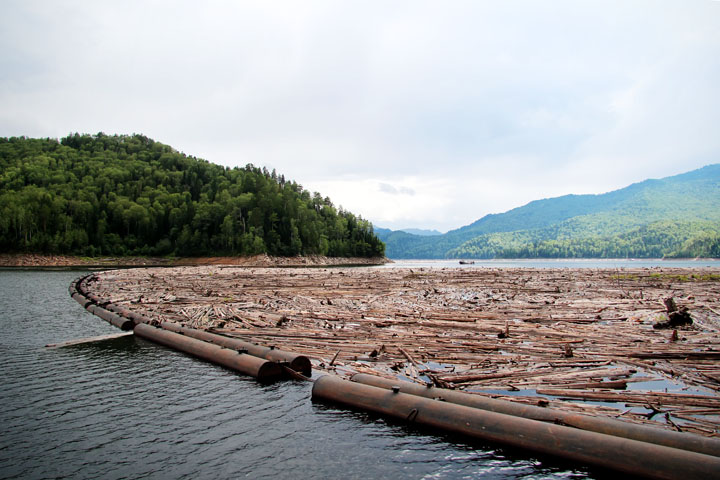
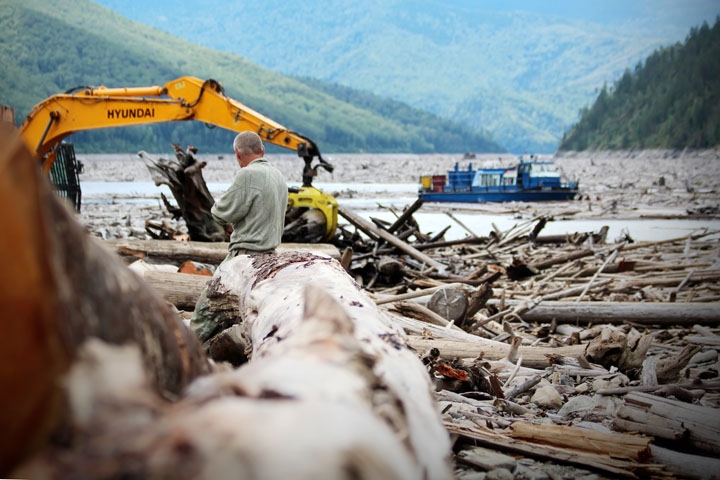

The project involves 43 people. There are several boats on the site that transport wood trash, three manipulators load it, ten cars are taken to a training ground, where two bulldozers break it. There is also a technique for repairing the road. This “garage” can be used to clean snow in the winter, when there is no work in the log-after all, the season lasts several months, somewhere from May to September.
Nearby, pyrolysis production works. But here it is one. During the construction of the hydroelectric power station, it was planned to create such enterprises. However, then something did not work out. Again, the relief is inappropriate, experts say-it is difficult to build on the slopes, and something from here-the same forest-sometimes impossible.
Now, according to the conclusion, experts, the top is not suitable for anything. He not only does not sink in the water, but does not burn in fire. The pyrolysis plant takes very little raw materials. But in its bulk, the tops, pretty faded in the river, is not suitable for such production. 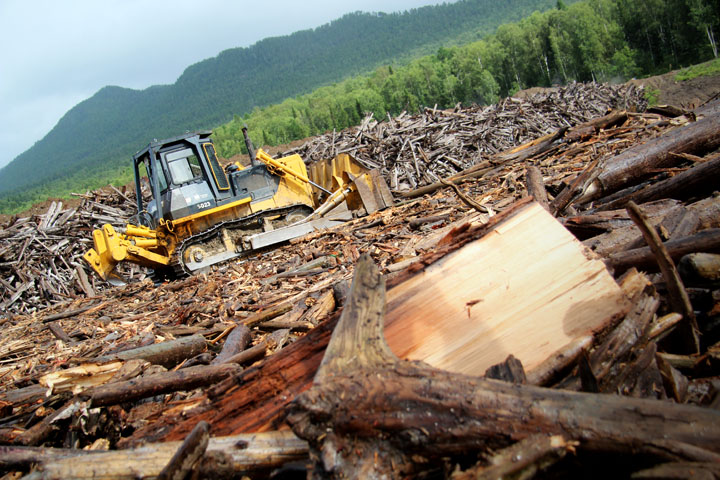
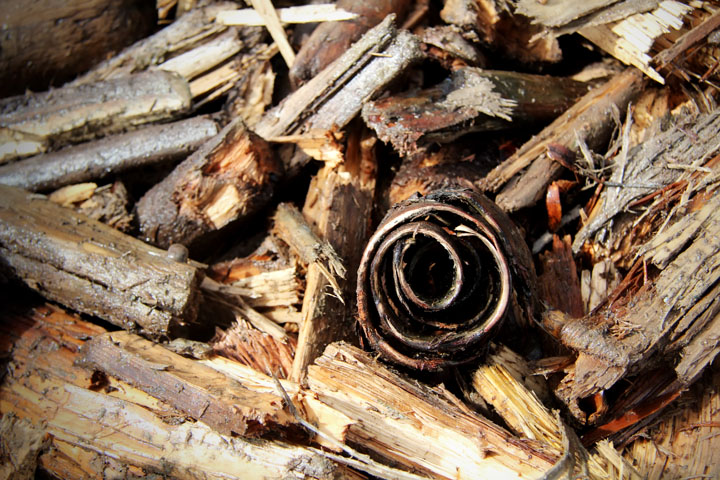
The employee of the hydroelectric power station Taras Shevchenko, relying on world experience, developed his project to dispose of logs. He proposed to create a pellet production plant. These high -energy granules are used as fuel abroad. But the project turned out to be expensive and in the future - unprofitable. It is impossible to build an enterprise in the immediate vicinity of the wood rubbish warehouse due to the rocky relief. It is expensive to take raw materials to another place.
But bizarre snags invariably attract the attention of designers and other people from the world of art. “They come on the thieves, look, take pictures, then take it,” says Kotelnikov smiling. -They go from everywhere, and from other regions: the 54th region was, and the 70th, and the 24th. " But in total volumes, this catch is a drop in the sea.
The second most clean
“Our nuclear power plants are considered the purest, if there is no emergency. At the hydroelectric power station, everything is exactly the same - they are environmentally friendly if there is no emergency, ”says the Sotipk Socialist Republic of Hydroelectric Power Station Kirill Druzhinin.
The station is constant control of emissions, discharges and waste. The hydroelectric power station does not burn fuel as nuclear stations, so ordinary household garbage prevails in waste. To reduce the negative impact, the enterprise is repairing structures, modern technologies are used.
So, in 2014, experts are reconstructed by the OCH-500 and 220 with the replacement of air oil circuit breakers with elegas. Thus, the station evades the use of oil, which in the event of an emergency can become a source of soil pollution, Druzhinin explains. 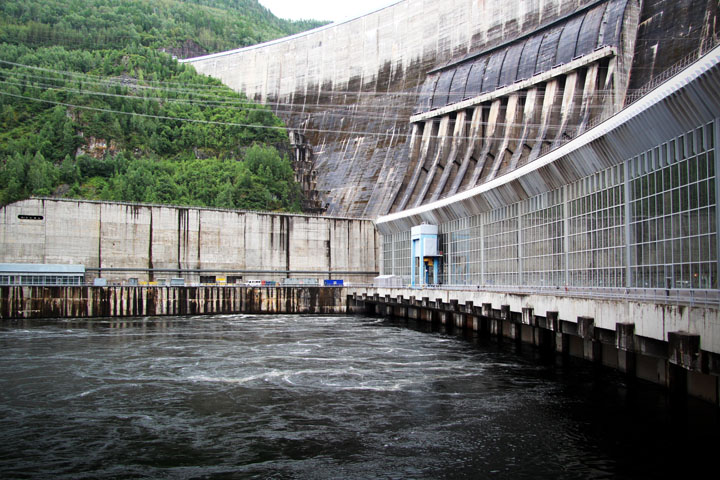

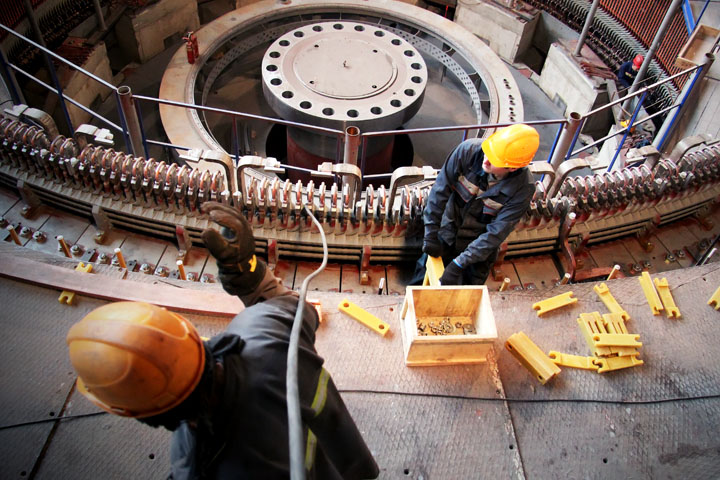
Among the specific waste of the station is turbine oil. “The oil is unusable if there is water, or some impurities. It is cleaned - there are regeneration settings, which minimizes the amount of oil that we transmit for neutralization, ”he says.
What remains after cleaning the oil, as oilshops are transmitted to specialized organizations. Sayano-Shushenskaya hydroelectric power station works with the Tomsk enterprise.
Among the environmental directions in the work of the hydroelectric power station - monitoring the influence of the hydropower complex on the state of the environment - the animal and plant world, which is conducting the Shushensky Bor National Park for the station.
Nature takes its own
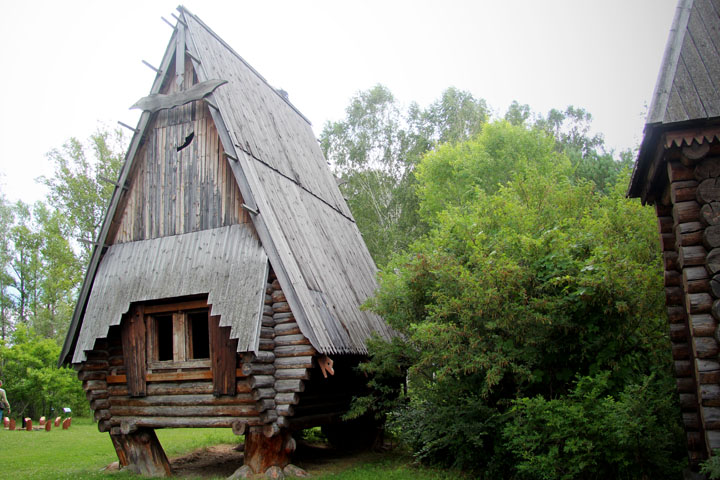
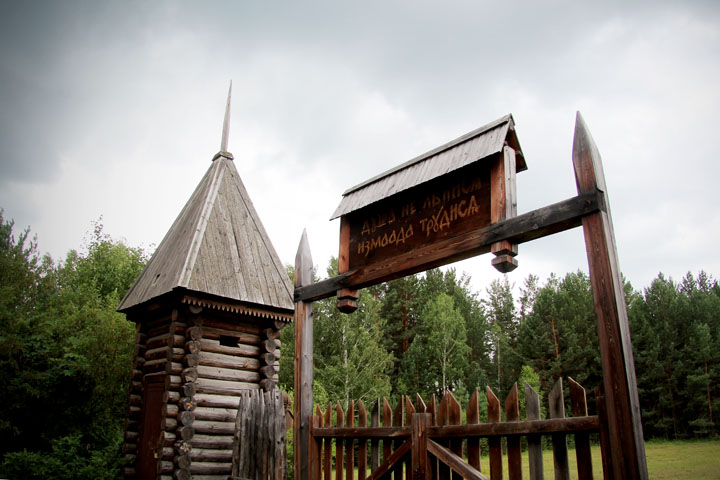
The national park meets us with a hut on chicken legs. Yes, yes-this is the dwelling of Baba Yaga and she is on the roof! We are in the Berendey sector - he is one of the main objects of the Shushensky Bor National Park. A fairytale house is the headquarters of young foresters.
“On the basis of the Shushensky Borus, then still a forestry, the first school forestry was formed in the Krasnoyarsk Territory,” recalls the head of the department of environmental education, tourism and recreation of the park Lyubov Pershin. “Young foresters were engaged in landing - the creation of this dendor, caring for the forest, that is, participated in the whole process, knowing the forest business not only in theory, but also in practice.”
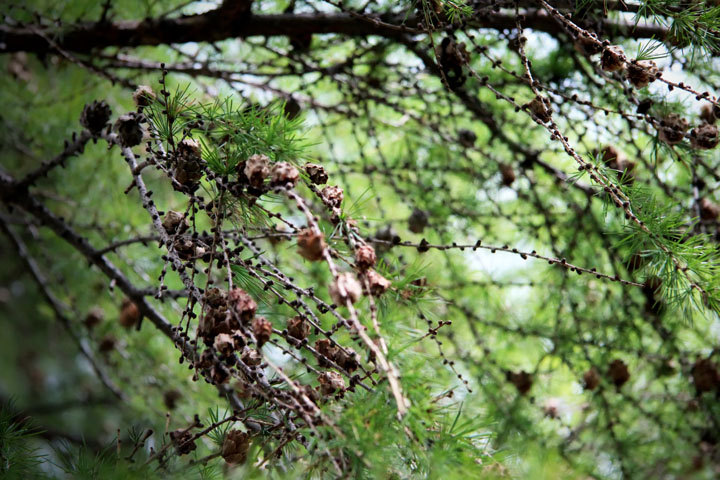
Here, about 170 species and forms of wood-shrub plants, mainly Far Eastern breeds, grow on an area of 2 hectares. Anyone can visit the dendrarium, there are gazebos for guests of Bor nearby.

The first reserve appeared in these places in the late 20s of the last century. Here, Vladimir Lenin once served the link. The peasants spent a gathering and decided to protect the places of his hunt. So some local trees “remember” the leader of the world proletariat, and somewhere among them the hut was lost-now this place of attraction of tourists and newlyweds, and once Lenin rested in the same way.
The Shushensky Bor National Park, formed in 1995, currently unites two cluster sites: plain and mountainous. The first is represented by unique tape bors, which in Siberia practically did not remain. They grow on sand dunes and are very sensitive to external influences, and in particular human life, so these unique ecosystems need special protection. If the tape of Siberia’s tape are not introduced into the specially protected natural territories of federal or regional significance, they will disappear, said Andrei Tolmachev, deputy director for scientific work of the park.
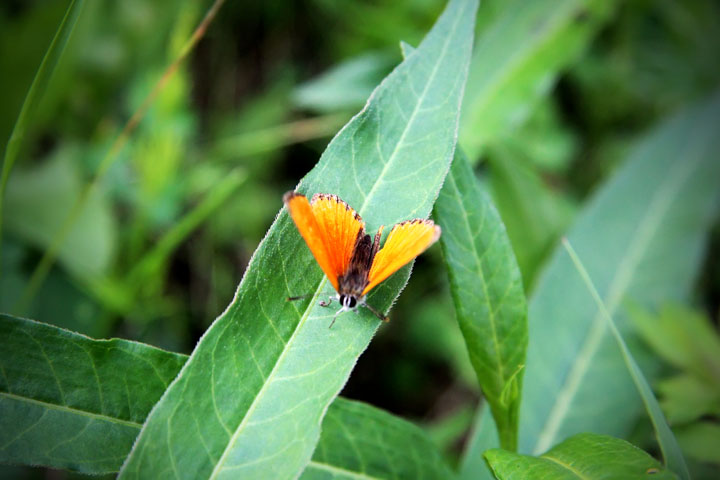
Red Book birds live on the plain part of the park: Baloban, Stepnaya Rustel, a beautiful beautiful crane and others. Since the 1980s, trails and places of rest for tourists have been equipped here.
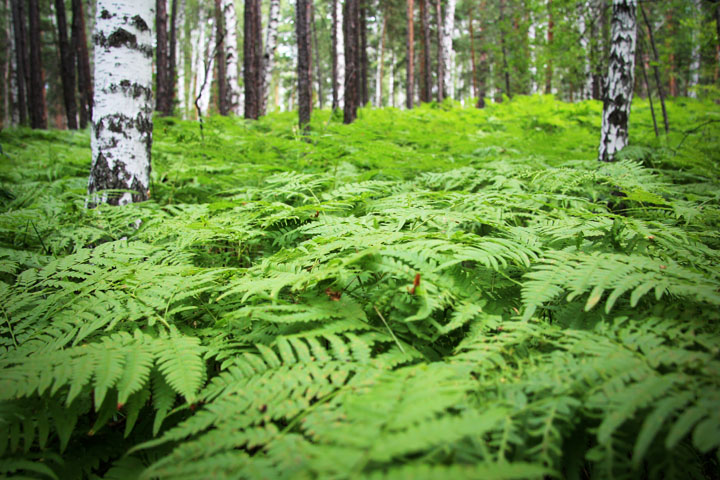
The second cluster section is mountainous. This is a picturesque borus ridge. It is unique - there are all natural zones here, starting from the steppes, ending with the lifes. The area is distinguished by a wide variety of animal and plant world.
“Our mountainous part is represented by such animals as Maral, Kosul, Kabarg, Elk, Bear. Just three days ago, a bear personally contemplated. We laid geobotanic profiles, he approached us at a distance of 30 meters and looked ... ”, says Tolmachev.
“Usually, animals do not show any aggression, since they are in the rest zone in the national park, which is achieved by measures to protect the park. The recreational load is insignificant. People walk along specially laid paths, a vacation space for them is equipped, ”explains the behavior of the predator of the deputy director of the park.
Today, forest fires are a problem of the whole country and specially protected territories are no exception, said Andrei Tolmachev. “We are fighting that we have no fires in the territory of the National Park. The park has a powerful fire equipment, people have trained, there is a license to extinguish forest fires, ”he says. 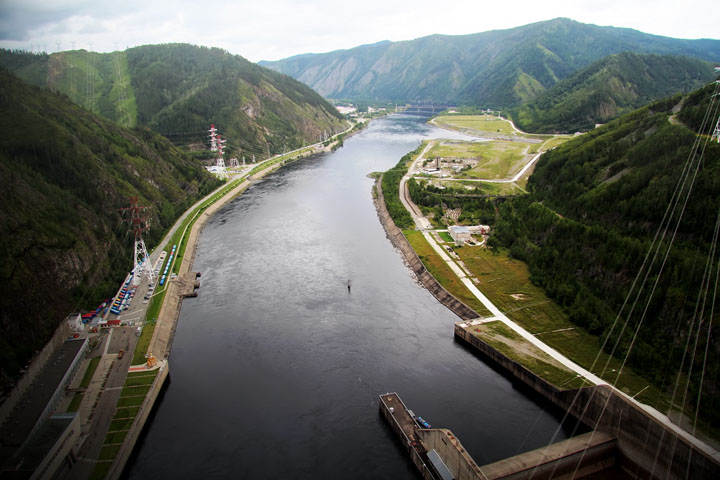
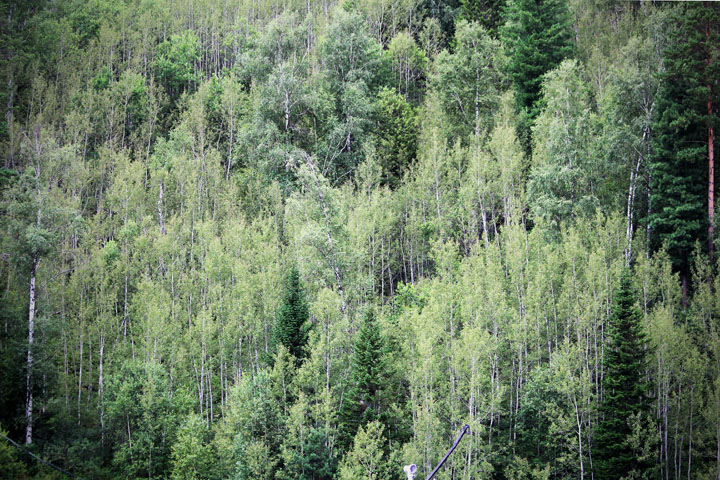
The Sayano-Shushensky hydropower complex adjoins the western part of Borus. Since 2003, the national park on its territory has been observing Flora and Fauna together with RusHydro.
As you know, the appearance of the Sayano-Shushensky reservoir forced some species of animals and plants to change the habitat due to the flooding of traditional places of their residence and growth. But now, according to experts, nature takes its own. “Our studies show that native species of plants and animals return to these territories,” says Tolmachev. - For example, we have returned steppe grasses. They changed the range: it was 230 meters above sea level, now they have risen by 500 meters. ”
Today, employees of the park are observing the return to its territory of a rare bird of skips. It is listed not only in the Red Book of the Russian Federation, but is under the protection of the City Convention. Summer of the skop is spent in Russia, and goes to India for wintering. “This is a unique bird, because it does not take food from the hands of man. If Sapsanov, for example, is fed to survive, then these are impossible, ”says Tolmachev, showing the bracket in the photographs - these personnel are considered unique.
Employees discovered the nest in the territory of the park not so long ago, and they began to track when it was still being built. For the nest, the birds chose an unusual place - instead of a dry tree, they walked it on a living cedar. Now the chicks practically stood on the wing, and in the National Park thought about a new project - to study the skops.
Text: Yana Dolganin
Photo: Natalia Gredina