
Translated material
Deadless journalism
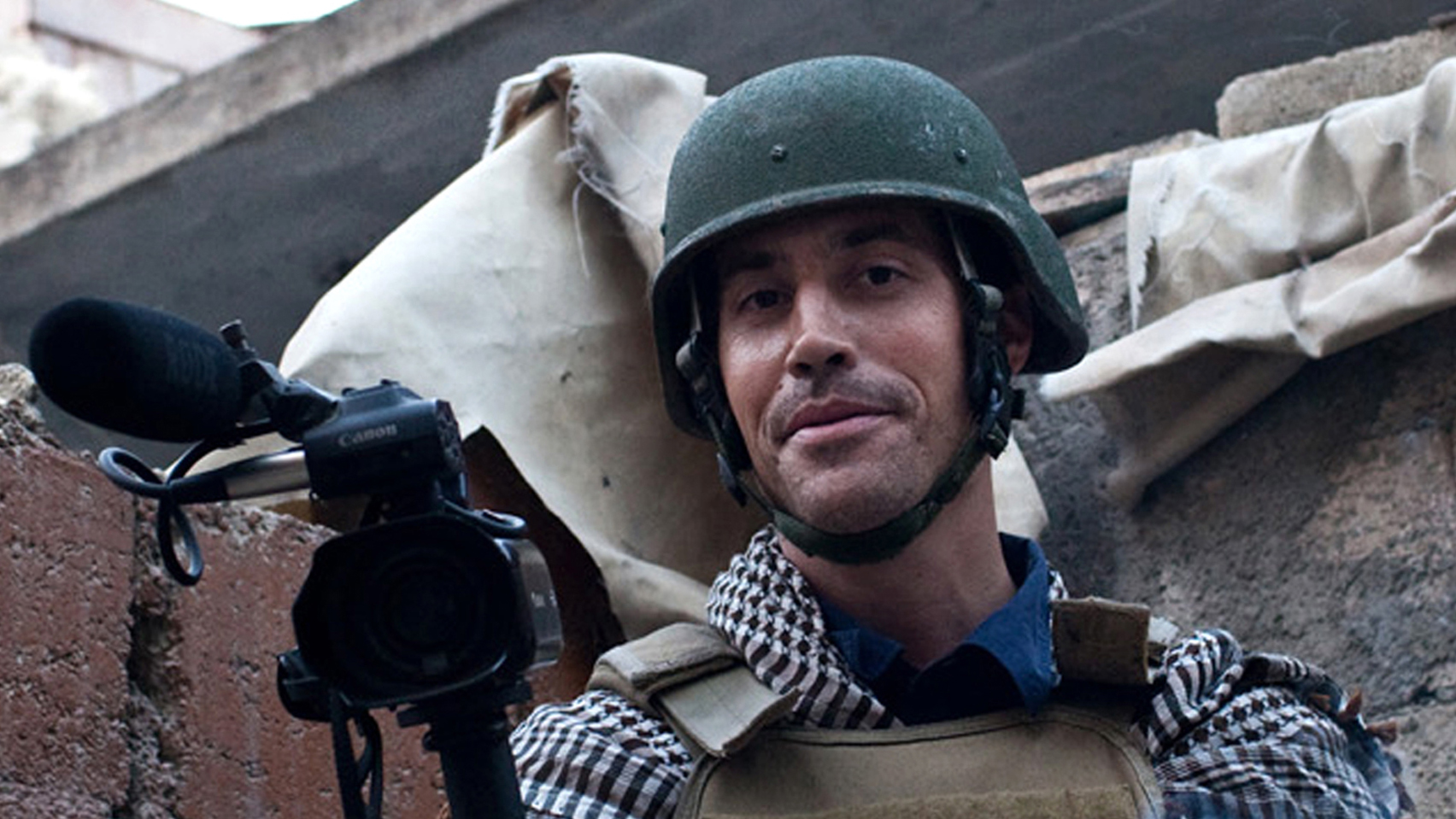
The murder of the Islamists of the reporter James Fowley as an occasion for journalists to leave the world without information about the war in Syria and Iraq
On Wednesday evening, it became known that the American special forces took this summer in Syria to a confusing attempt to save American hostages captured by the militants of the Islamic State. According to American intelligence, among the hostages was journalist James Fouley, who was later beheaded by the Islamists. President Obama answered the brutal murder of a journalist with a promise mercilessly pursue those who threatens the life of the Americans.
A few hours after the speech of President Obama, during which he called the Islamic State group a cancerous tumor, and its ideology of the bankrupt, representatives of the White House and the Pentagon stated that some time ago, American special forces conducted an unsuccessful operation in Syria to save hostages. The official statement says:
"The operation included the air and land component. Unfortunately, the mission did not lead to success, since the hostages were not found in the estimated place."
I recall an example of the Second Chechen War. After the brutal murder of British employees of the telecommunications company and the abduction of NTV journalist, reporters, by and large, refused to work in Chechnya. And this war passed almost unnoticed in the Western press, especially in comparison with the First Chechen War. And we can see something similar in Syria and Iraq
Non -member employees of American intelligence during a briefing for a limited circle of reporters made it clear that intelligence services had long tried to establish the places of detention of American hostages of the Islamic State. The latest information about their whereabouts was received from several Americans, not so long ago liberated by the Islamists. After this information was confirmed by other sources, President Obama gave the operation to conduct an operation. The group of American commandos was transferred to Syria on helicopters under a powerful air cover. But there were no hostages at a given point. Helicopters were fired by militants, the Americans answered with fire. As a result, several Islamists were killed, from the American side there were no losses.
On Wednesday, there was also information that at the end of last year, a year later, after James Fouley disappeared during the editorial assignment in Syria, the militants who captured him contacted his parents and demanded a ransom. The head of the electronic publication Globalipost, the last employer Fowley, said that the correspondence was not long then. The Fowley family received the last notification from the Islamists on August 13. It was a warning that James Fowley would be executed in revenge for American air strikes on the militants of the Islamic State. The parents of the journalist immediately transmitted information to the FBI, which recommended that they answer the Islamists - the call to spare their son. Three days later, Fowley was beheaded.
The murder of a journalist raised the inevitable questions: what are the Islamists seek, could the United States rescue the journalist how to protect reporters working on the advanced numerous conflicts?
The assumptions diverge: from the conclusion that the public execution of an American journalist should become a kind of “presentation” of the new Islamic Caliphate, who quit the United States, before the conclusion that the murder of a journalist has become an instinctive reaction to the unexpected activity of the United States in Iraq. Considering that in the past, Washington firmly refused to negotiate with terrorists captivating American citizens, the Islamists hardly seriously hoped that the threat of killing another hostage would force the United States to abandon operations against the militants of the Islamic State in Iraq, despite the fact that it was such a requirement that was contained in the video river, released by the Islamists.
The former hostage of the Islamist Radikalov, journalist David Rod raised on Wednesday in the journal The Atlantic a politically incorrect question of whether the United States was right, giving any negotiations with terrorists. The Americans taken hostage, he writes, unlike Europeans, cannot count on the support of his governments. In April, seven French and Spanish journalists were released by the Islamic State after paying a multimillion -dollar ransom Madrid and Paris. For several months they were kept with James Fowley. Public governments reject the fact of ransom, but it is known that they act through intermediaries. David Rod calls on the governments of the United States and European countries publicly report on their actions, which, in his opinion, can cost journalists.
American publicist David Satter says that one of the results is deadly for journalists of the atmosphere created in Iraq and Syria can be an information vacuum:
- Now a large number of journalists - twenty people, according to the Committee for the Protection of Journalists - disappeared in Syria. Everyone is well aware that the vast majority of Islamists are extremely cruel, easily go to violence against representatives of the press, completely not understanding the role of the press and not respecting it. I recall an example of the Second Chechen War. After the brutal murder of British employees of the telecommunications company and the abduction of NTV journalist, reporters, by and large, refused to work in Chechnya. And this war passed almost unnoticed in the Western press, especially in comparison with the First Chechen War. And we can see something similar in Syria and Iraq.