
Translated material
Evolution "Peacemaker"
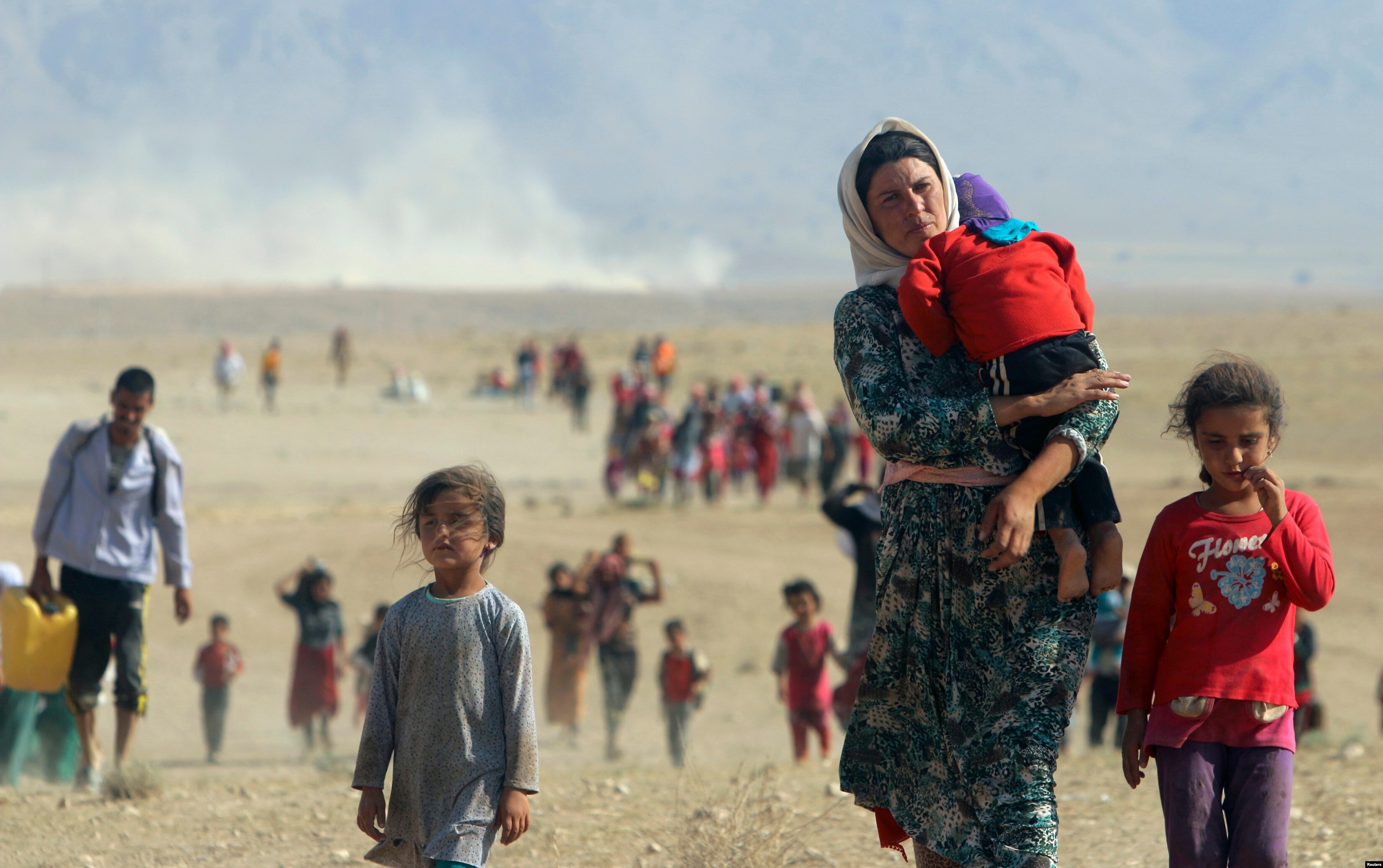
A year ago, the New York Times published a column of Vladimir Putin not to bomb Syria
In September 2013, the American newspaper New York Times printed a column of Vladimir Putin, in which the Russian president admitted the United States about how they should behave in the international arena and, in particular in Syria. The American reaction to the arrogant and invasive tone of the article was extremely negative. A year later, the American press decided to return to that article . At first glance, it seems that Putin was right in many of the theses of that time - but this is a deceptive impression, the expert said with whom the Radio Liberty correspondent spoke.
The Putin column appeared at New York Times at the moment when the Barack Obama administration prepared an air blow to the Syrian army in response to the use of chemical weapons against the rebels. Currently, the Obama administration is considering the possibility of expanding the air campaign in Iraq against the Islamic State group, which a year ago and is still one of the main opponents of Syria President Bashar al -Assad. The actions of the group and its penetration through the state borders in the Middle East prompted the former US ambassador to Damascus Ryan Croker to declare: "I am by no means an apologist for Assad, but the Islamic State poses a much greater threat to our safety than the Syrian dictator." The attention of the West over the past year switched to a large extent from the murders committed by the Syrian army, to atrocities, the most Islamists.
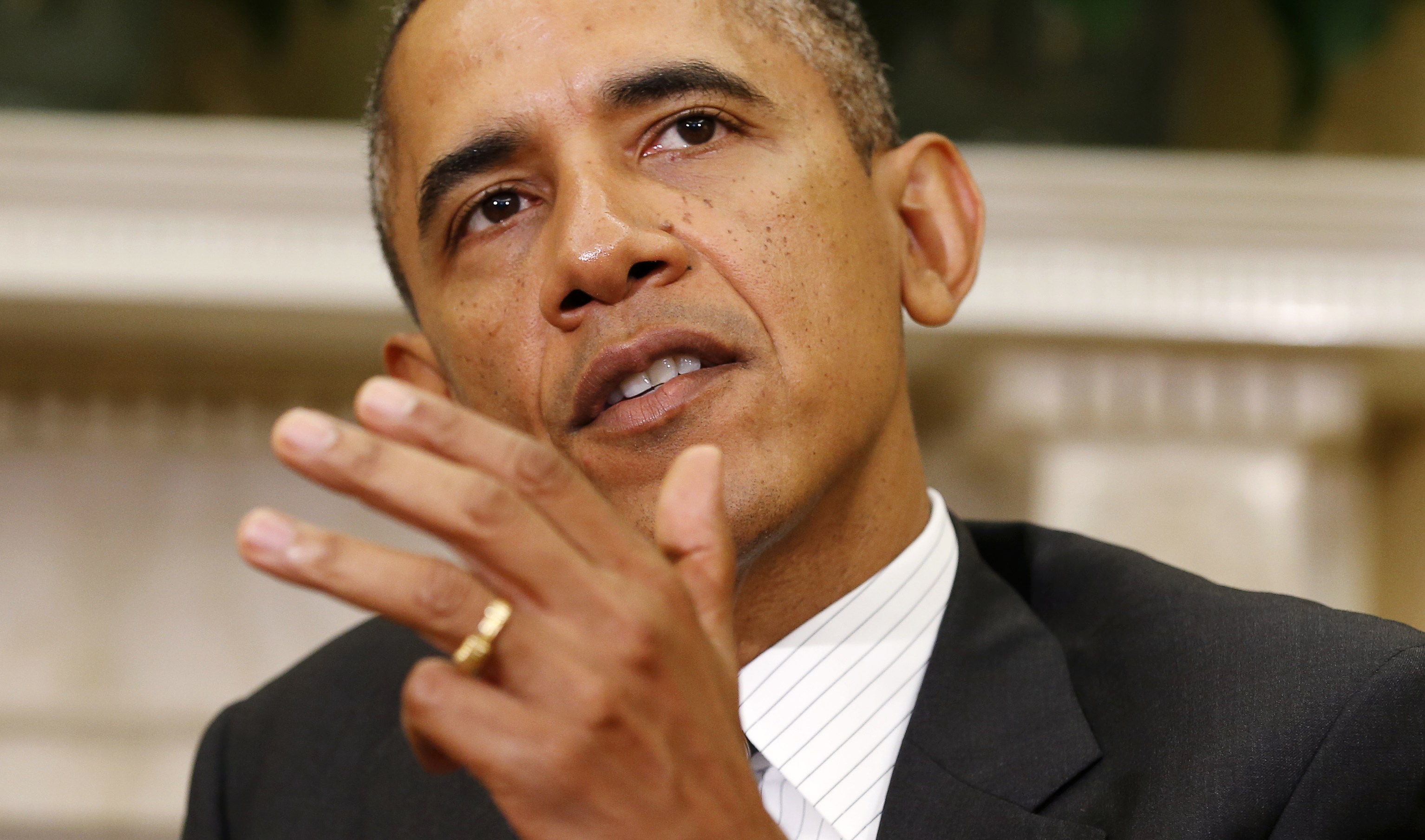
A year ago, Obama believed that Assad should go by clearing the way to hold democratic elections in Syria. The risk of education at the transitional stage of the political vacuum in the country of the American president did not bother. The assessment of Putin, on the contrary, was very pessimistic: “In Syria today, we are not talking about the struggle for the approval of democracy, but about the armed confrontation between the government and the opposition in a multi-confessional country. There are not many champions of democracy there. But there are enough extremists and fighters of al-Qaeda on the opposition side,” the Russian president wrote in his column. From his words it followed that the secular regime of Assad, no matter how bad it was, is a factor in stability in the region. How does the correspondence of Putin and Obama be seen from the perspective of today on this particular problem? Anna Borschevskaya, an employee of American research organizations "Foreign Political Initiative" and "European Fund for Democracy", says that the real dispute between Obama and Putin did not work out:
"Obama was initially limited to general comments about the desiccance of Assad’s resignation. He did not say anything specific about the nature and timing of the transition period, consciously choosing the streamlined formulations, and after the chemical weapons transaction, he generally stopped publicly talking about the departure of the Syrian president. As for Putin, I am sure that he was not so much abstracting about democracy to win Syria, but the desire to win in Syria. by means of Assad and prevent the decisive power of the US conflict, if Putin was really worried about the danger of Islamist’s arrival in Syria, he would have suggested that Obama intensify the anti-terrorist operations of the USA in the Middle East. President Clinton act together in the anti -terrorist direction.
If Putin really worried the danger of the Islamist came to power in Syria, he would suggest Obama to activate the anti -terrorist operations of the United States in the Middle East
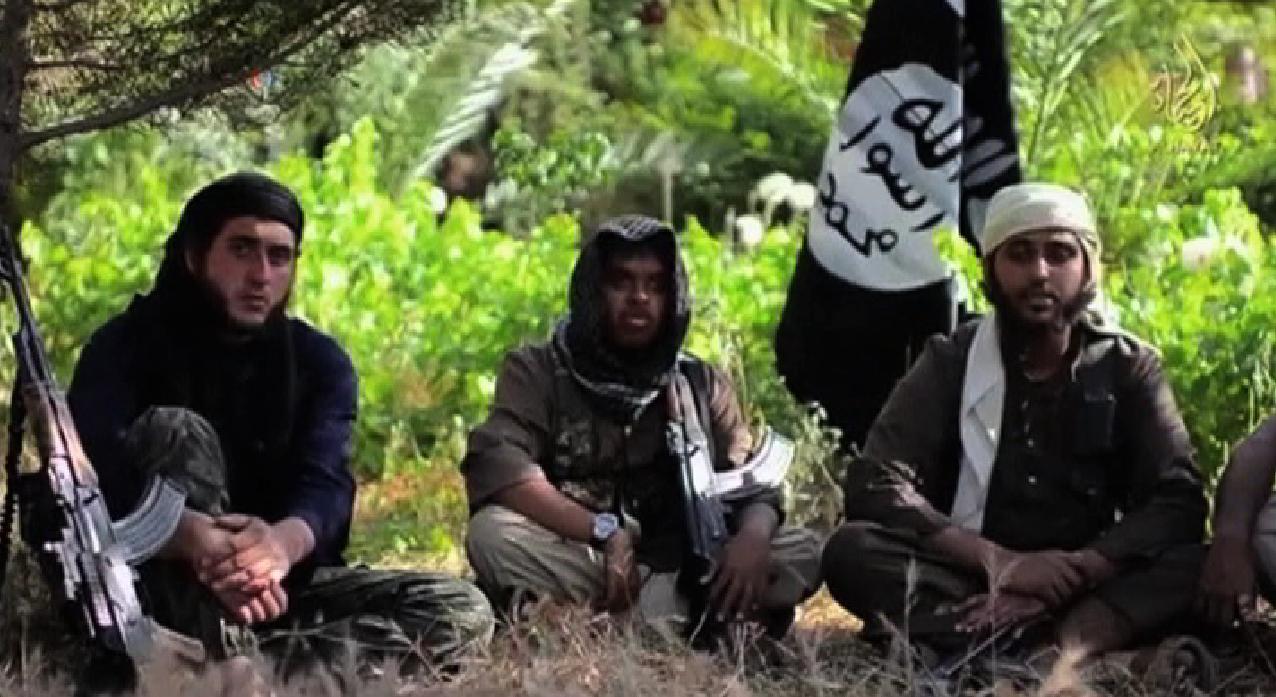
The United States and Europe are alarmed by the fact that some of their citizens, penetrated by the ideas of the fundamentalists, are fighting on the side of the Islamic State. This anxiety was strengthened by the monstrous execution of the American journalist James Fouley , carried out by a jihadist who spoke in English with a British accent. The following is said about the transnational Islamism in the article by Putin’s year ago: “It cannot but bother that not only mercenaries from Arab countries are fighting in Syria, but also hundreds of militants from a number of Western states and even Russia. Who can guarantee that these bandits, having gained experience, will not be in our countries, as was the case in Mali after the Libyan events? Is this a real threat to? All of us.
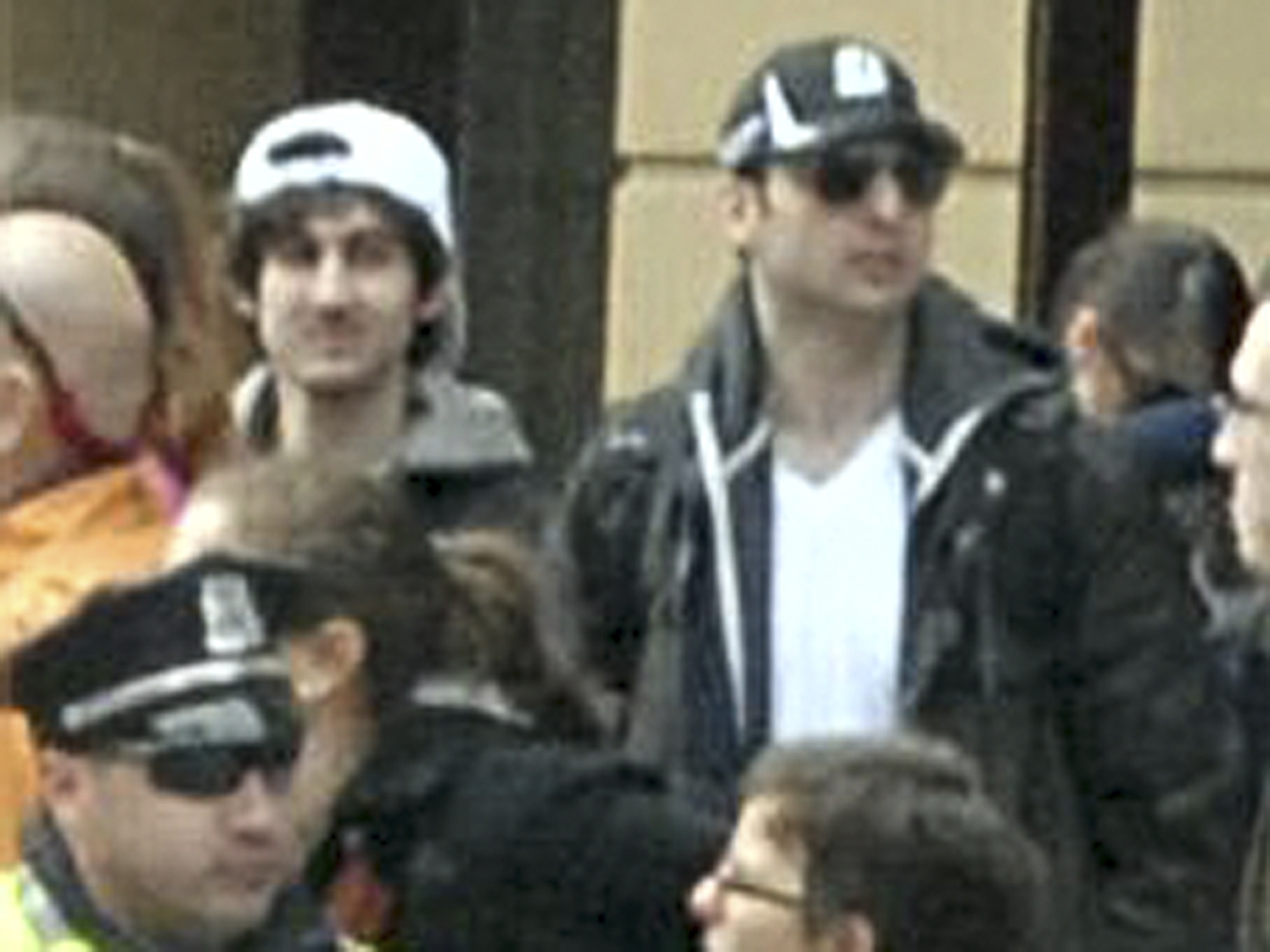
In September 2013, the link to the Boston marathon seemed to American experts inappropriate, because the attack was organized by Tamerlane Tsarnaev , who, as many believe, had contacts with the militants not in the Middle East, but in the Caucasus, in the Russian Federation. It is doubtful in the light of events in the Crimea and the blocking of the UN Security Council of the UN Security Council to resolve the conflict in the east of Ukraine also sounds Putin’s calls to Washington to read international organizations as guarantors of peace and security. Putin’s reproaches addressed Obama for considering the United States to be “an exceptional country” - after the Kremlin declarations about the uniqueness of Russia and the special path of the “Russian world”. But what, after all, with the threat of migrating Islamic militants, who, it would seem, found her confirmation in the tragedy with James Fouley? Did Putin ahead of Western leaders recognize this threat? Anna Borschevskaya does not see the grounds for this - according to her, experts in the West and a year ago clearly realized the threat of the so -called "wandering terrorists." The media wrote a lot about this, Western leaders knew about it.
"Russia from the very beginning consistently holds a line to support a peaceful dialogue in order to develop the Syrians themselves a compromise model of the future development of the country." These are Putin’s words from a column to New York Times. A year ago, a noticeable part of the expert community in America opposed the determination of the future political structure of Syria through negotiations between the government and the opposition. Experts nourished optimism regarding the prospects of the Arab Spring, believed in an imminent victory of the rebels and were unhappy only by the fact that the Obama administration did not arm the moderate wing of the Syrian resistance movement, thereby reinforcing the extremist wing. Russia, for its part, did not believe in the chances of the centrists. Who was right? Anna Borschevskaya considers this contrast to initially incorrect:
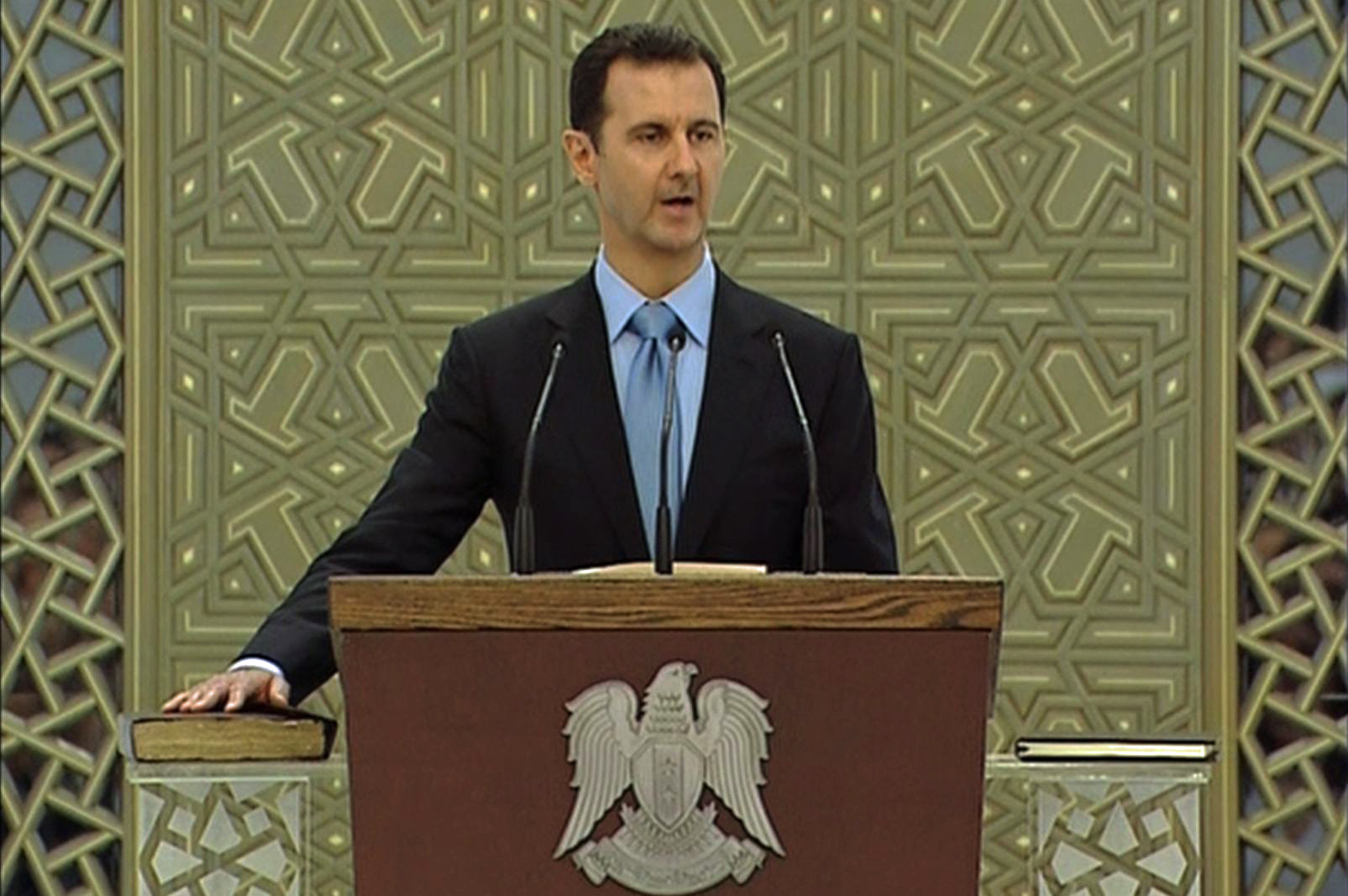
“It seems to me that this is a false dichotomy: either negotiations whose idea was defended by Putin, or large-scale military assistance to opponents of the Assad regime. This alternative to Obama had not exhausted. True, we are more inclined to overestimate the possibilities of a moderate opposition. We did not want to arrange it intensively because our weapons would fall into the hands of extremists. But we had it. The third option is to expand your own air war against the Syrian army.