
Translated material
Westerplatt on the background of Donbass
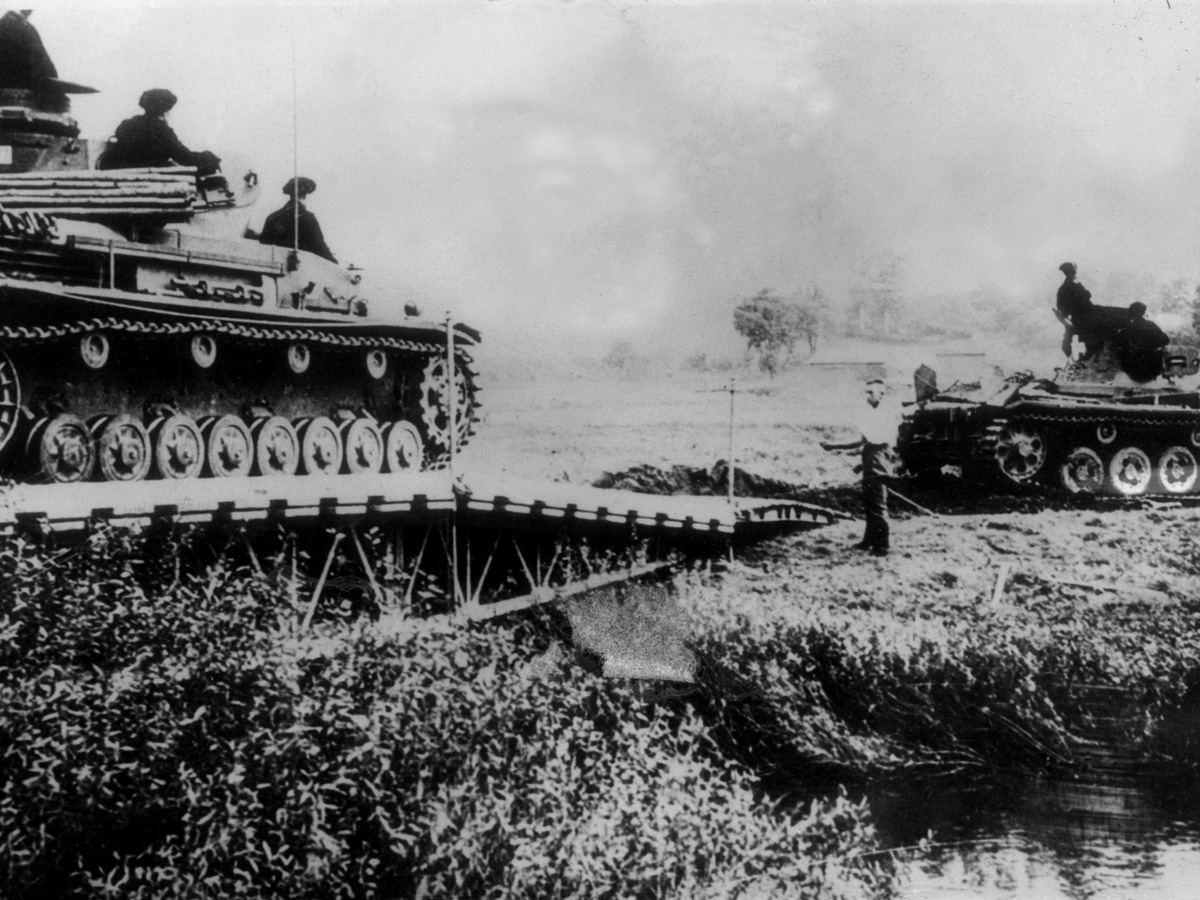
Poland recalls the war of 75 years ago, looking at a new war in a neighboring country
The 75th anniversary of the German attack on Poland on September 1, 1939, which became the beginning of World War II, remains in the shadow of other military events-Ukrainian.
Recently, I had a chance to visit Westerplatt , a peninsula in the vicinity of Gdansk, a place special for the history of Poland, and the whole world. The huge number of tourists who visit this place was surprised-the memory of the events of the 75-year ago in Poland is still alive. On September 1, again, like every year, at 4:35-the moment when the German battleship "Schleswig-Holstein" began to shell the peninsula,-commemorative events will start. Hundreds of conferences, meetings, discussions are also planned throughout Poland.
Historical certificate. The German attack on Poland on September 1, 1939 occurred as a result of a multi -month political crisis, during which the Nazi "Third Reich" presented a number of requirements to its eastern neighbor relating to a change in the boundaries and foreign policy of Poland. Warsaw rejected these requirements, and at the beginning of 1939, Great Britain and France provided Poland guarantees of security in case of attack by Germany.
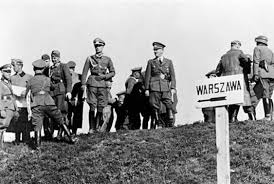
In August 1939, after the failure of negotiations on the military alliance between the Western powers and the USSR, Moscow and Berlin entered into a non -aggression agreement (Molotov -Ribbentrop Pact) , the secret protocols to which Polish and the USSR was provided for and the creation of spheres of influence of both totalitarian states in Eastern Europe.
After a provocation in the then border town of Glovitz (Glivitsa), when the German side staged an attack by the Polish troops on the local radio station, Germany began a military campaign against Poland. Despite the courageous resistance of the Polish troops, often, in particular, on the Westerplatt Peninsula , who heroically fought against the superior enemy forces, by mid -September the outcome of the war was almost predetermined. In Polish historiography, it is known as Wojna Obronna - "Defensive War".
On September 17, the Red Army entered the eastern regions of Poland (now the Western regions of Ukraine and Belarus), realizing secret agreements with Germany. Then the Polish leadership with the remnants of the troops switched to the territory of Romania, where it was interned. The resistance of individual units of the Polish army continued until the first numbers of October. The German and Soviet authorities established a demarcation line on the territory of occupied Poland and even held a joint parade in Brest .
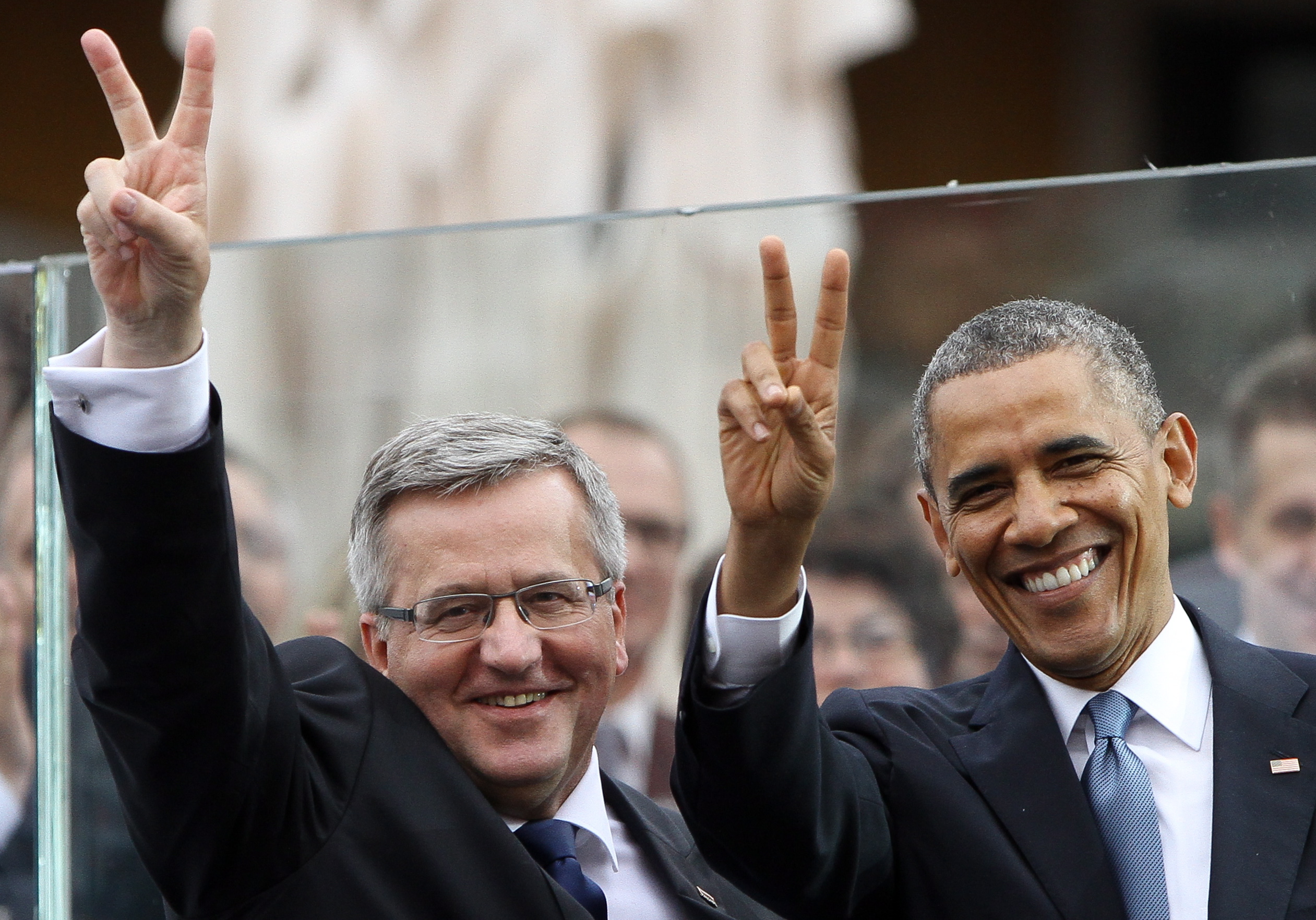
However, current events in Ukraine have led to the fact that in Poland they are increasingly talking about the possibility of a new war, which, perhaps, will come close to the Polish borders. President Bronislav Komorovsky in a Friday article in the Zharchapospolite newspaper wrote about the need to strengthen NATO and a more detailed consideration of the possibility of fulfillment of paragraphs 4 and 5 of the Washington Agreement. This part of the document, which is also called "one for all and all for one," suggests that aggression against one of the NATO member states means an attack on the entire alliance. “We cannot behave as short -sighted as democratic countries on the eve of World War II,” Komorovsky noted.
Not so long ago, the president also stated that Poland intends to increase his military expenses: “If we talk about our contribution to the formation of the defense budget, as well as in order to give an example to other NATO member countries, I will recommend the government and parliament to increase the financing of the armed forces to the level of 2% of GDP. After all, some of our neighbors are actually seriously increasing the expenditures of the aids. Since our economy will develop and will develop, then it will develop, then it will develop, then it will develop, then it will develop. In percentage terms, this means serious support for the Polish armed forces that become an increasingly significant component in NATO. "
On the eve of the 75th anniversary of the beginning of World War II in the Polish media, the Ukrainian theme remains leading. The opposition accuses the government of insufficient activity in Ukraine, that Poland, according to opposition politicians, deleted from the list of countries that have the right to vote in Ukrainian affairs, as evidenced by the absence of Poland representatives at a recent summit in Minsk. But on Thursday, Warsaw was visited by the Minister of Foreign Affairs of Belarus Vladimir Makei , which would be difficult to imagine a few months ago.
- Poland cannot agree with the next escalation of aggression in Ukraine. There is a violation of international legislation. We are disappointed that this escalation occurs almost immediately after a meeting in Minsk, with which we had certain hopes associated , ” said Radoslav Sikorsky, Minister of Foreign Affairs of Poland, after a meeting with his Belarusian colleague.
But the historian Matsu Korkuts from the Institute of National Memory of Poland believes that in the current situation, all of Europe, and not just the countries that are closer to Ukraine, should properly think about what is happening at the EU borders:
- Did all Europe make, not only Germany, conclusions from what happened in 1939? Say, did France make conclusions based on the fact that then this country actually did not fulfill its allied obligations? Indeed, paragraph 5 of the current charter of NATO on an allied mutual assistance was formulated much softer than the obligations that the UK and France had in relation to Poland in 1939. If we carry out historical parallels, the same Frenchmen should perceive what is happening in Ukraine, as well as as a threat to them, although France is far from the scene. Other European countries should also look at this, not to mention Poland , ” said Matsu Korkut.