
Translated material
The summit of predictable decisions
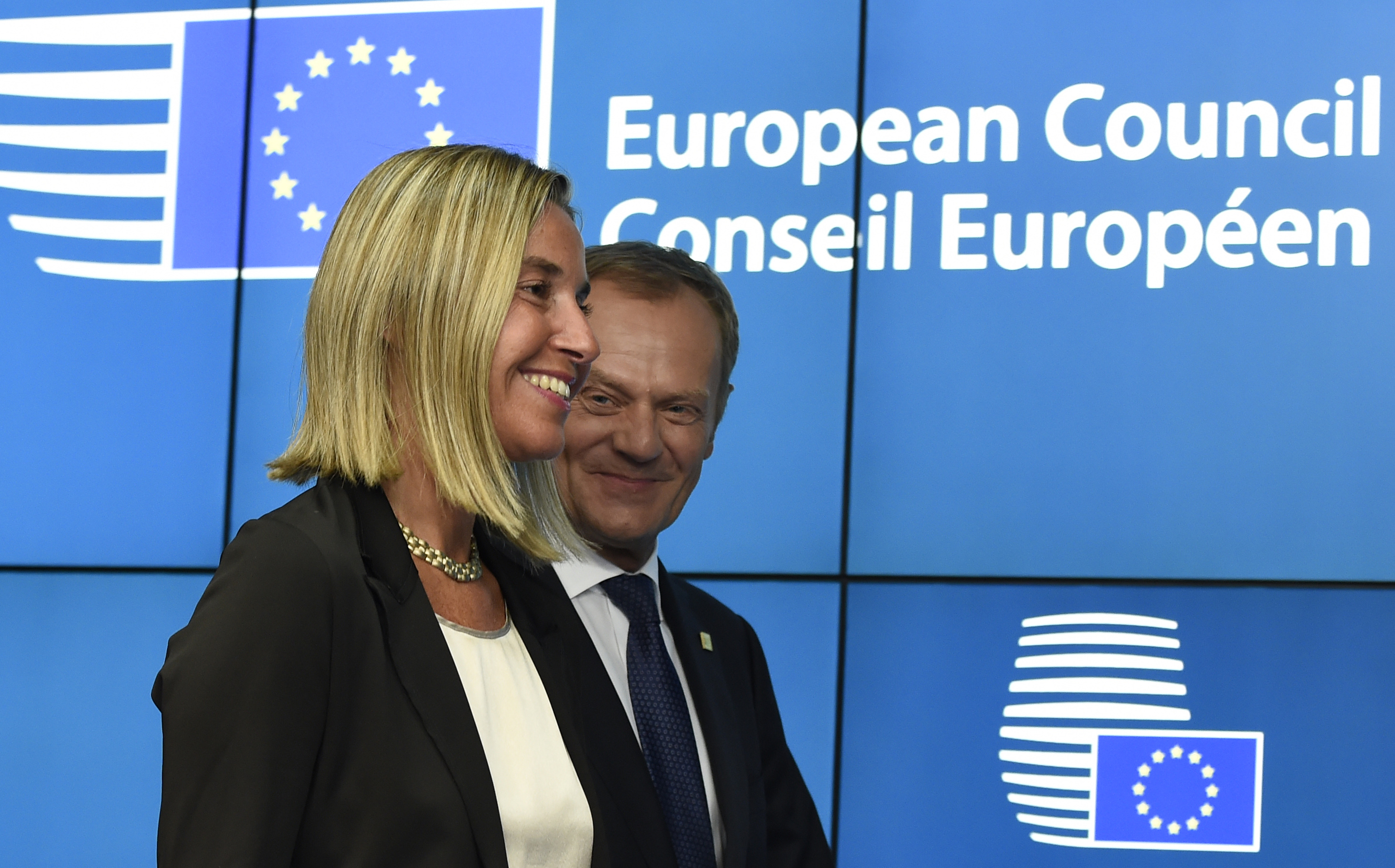
At the meeting of the EU leaders, Russia was threatened with new sanctions. But not right away
Despite the next night vigil of its participants, the Summit of the European Union, held on August 30-31 in Brussels, did not become a revelation. Neither on the appointment of senior EU officials, because of which, in fact, the summit was originally convened, nor on an urgently considered issue of the situation in Ukraine unexpected and extraordinary decisions were made.
When it became known that the British Prime Minister David Cameron supported the candidacy of the Polish colleague Donald Tusk to the post of chairman of the European Council, the outcome of the struggle for another higher post - the chief of European diplomacy was also predetermined. The main competitor of the Italian Foreign Minister Federica Mogherini , the Minister of Foreign Affairs of Poland, Radoslav Sikorsky, lost any chances to lead the EU diplomacy, because two key positions in the European Union cannot be occupied by representatives of one country.
The most important personnel decisions in the European Union, as the current chairman of the European Council , Herman van Rompey , explained to reporters, are accepted by a “package” and must observe geographical and political balance. In addition, one of the two indicated posts must have been occupied by a woman. As a result, Federica Mogherini was appointed by the EU Supreme EU, and Donald Tusk, as already mentioned, will become the head of the European Council .
Journalists, in particular, did not fail to ask why the new “EU President” (so often, although not quite accurately, they call the position of chairman of the European Council) does not speak any of the EU working languages-neither English nor French. The French president Francois Hollande joked in this regard that, they say, for what translators exist for then, it is necessary to give people jobs. And he explained: Donald Tusk assured European leaders that he would be teaching languages under the accelerated program even before he takes the resignation of Herman Van Rompey.
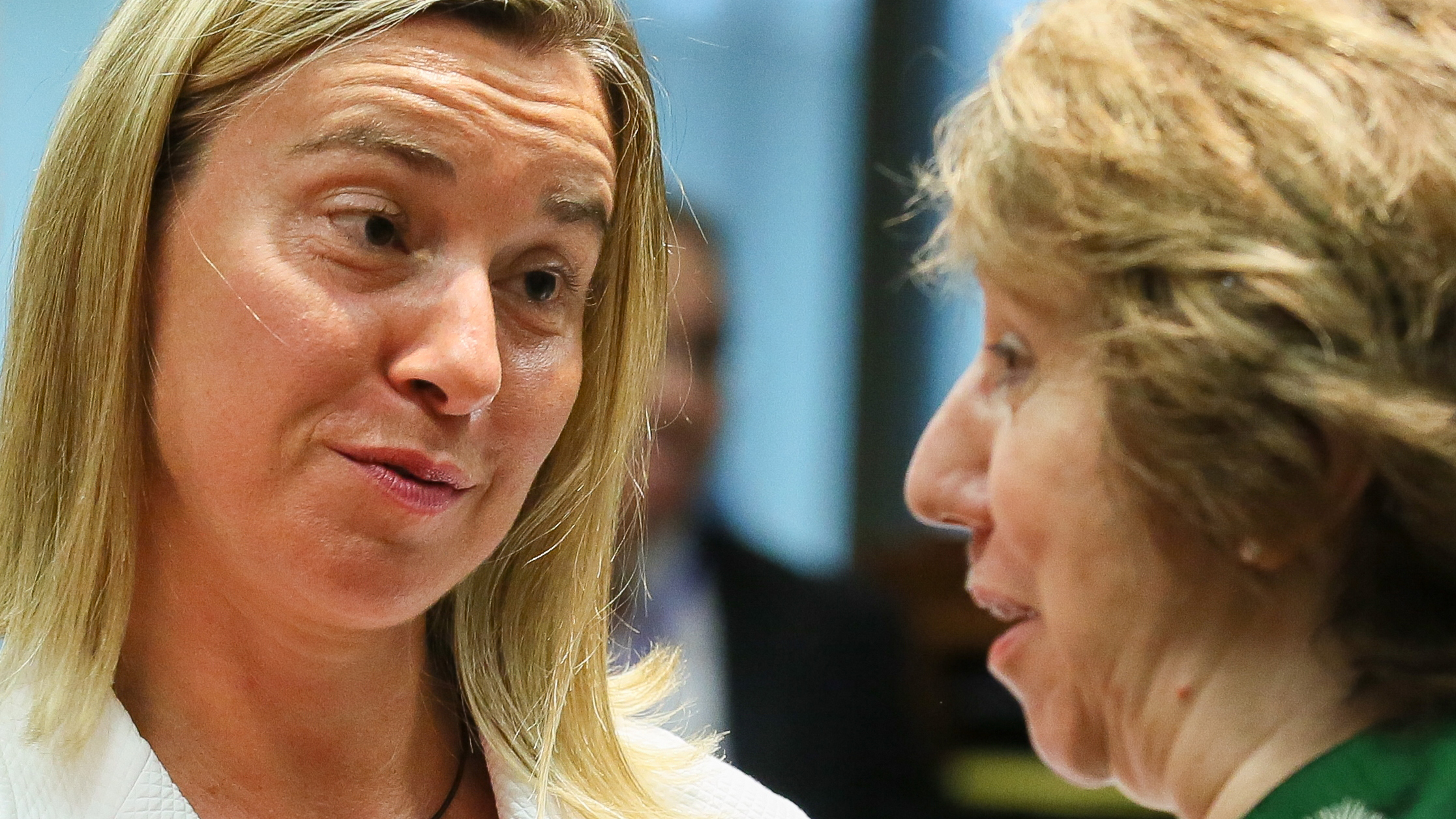
Federica Mogherini, in turn, had to explain to the lack of diplomatic experience: before appointing a few months ago, she did not occupy any high foreign policy posts. According to Mogherini, however, she has been engaged in the European project for about 20 years, participated in the work of various international organizations of high levels and structures of civil society. At 41, she does not consider herself so young- Italian Prime Minister Matteo Renzi is even younger, there are young leaders in other European countries. According to Mogherini, the new generation at the rut of the European Union will play a beneficial role for him. “We must respond to the expectations and aspirations of the whole of Europe,” said the new head of the EU diplomacy.
The arrival of the summit and the performance of Ukrainian President Petro Poroshenko on it was associated with the dramatic development of the situation in the east of Ukraine in recent days. A lot was said about the possibility of imposing new sanctions against Russia directly at this summit. But in fact, the final document of the meeting about this says this: “The European Council continues to play a role in tracking and evaluating the restrictive measures taken by the European Union, and is ready to take new significant measures depending on the development of the situation in the field. He asks the European commission to urgently conduct preparatory work with the European foreign policy and submit proposals for consideration during the week. Each person or organization dealing with separatist groups in the Donbass will be included in the list [for the imposition of sanctions] ” .
When the European Commission prepares its proposals, they will have to be approved by EU members. As Francois Hollande explained after the summit, this can happen at the level of the Committee of regular representatives of the EU countries. But the decision should be made by consensus.
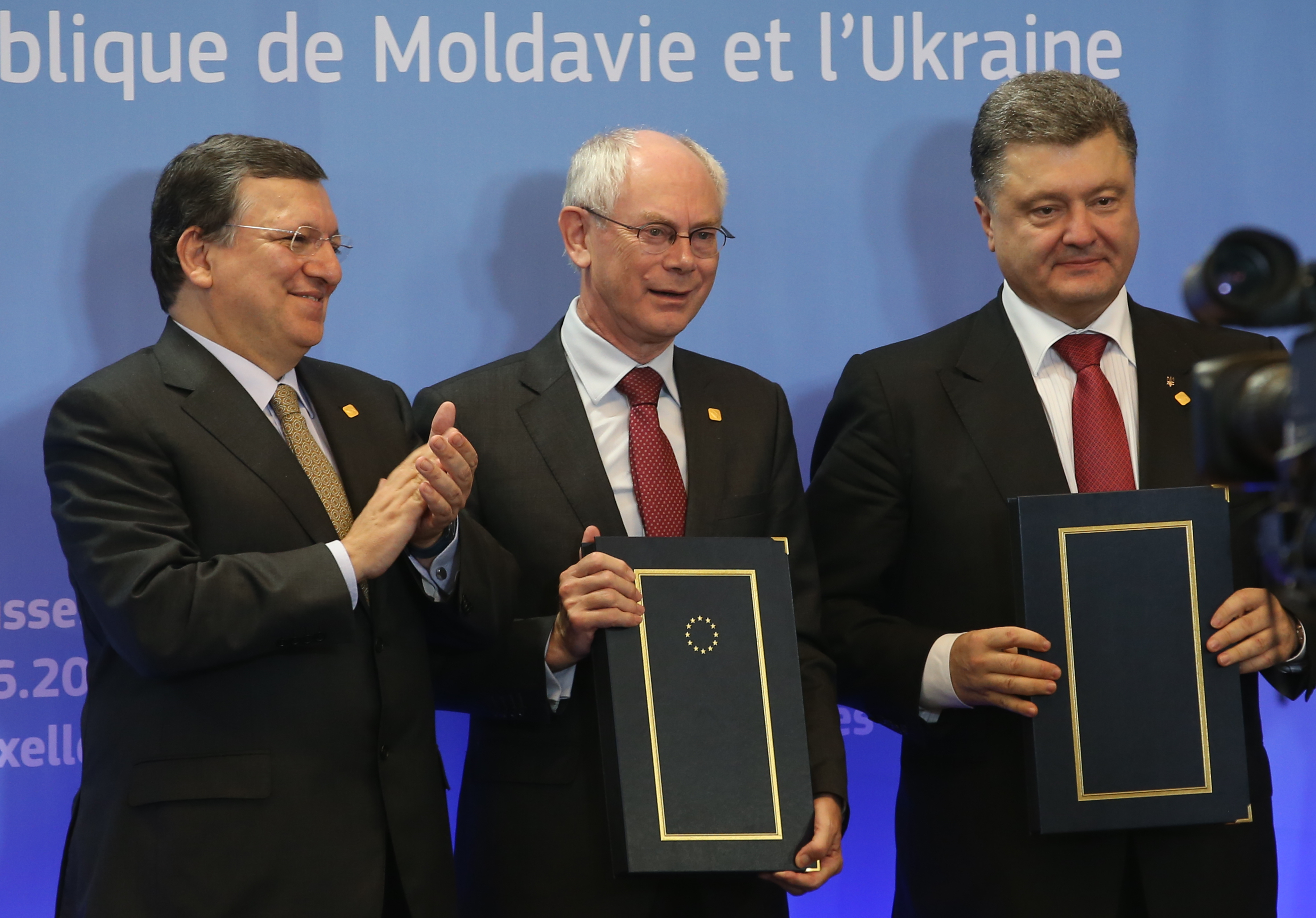
However, the expansion of sanctions against Moscow, especially their "third phase", capable of having a negative impact on the economy of the EU countries, annoys the leaders of some states of the Union, who already have to deal with the most difficult economic problems. The Chairman of the European Commission Jose Manuel Barrosa, speaking at the summit, said that the main priority of the new EU leadership should be the struggle against unemployment.
In turn, the head of the European Parliament Martin Schulz , who spoke to the heads of state and governments, urged them not to hide the possible negative consequences of the adopted sanctions from their voters. According to Schulz, the European Parliament expects that the EU will do everything that is in its power in order to maintain the territorial integrity of Ukraine, deepening the sanctions against Russia - to make it clear what economic damage it will suffer if it does not change your position in Ukraine.
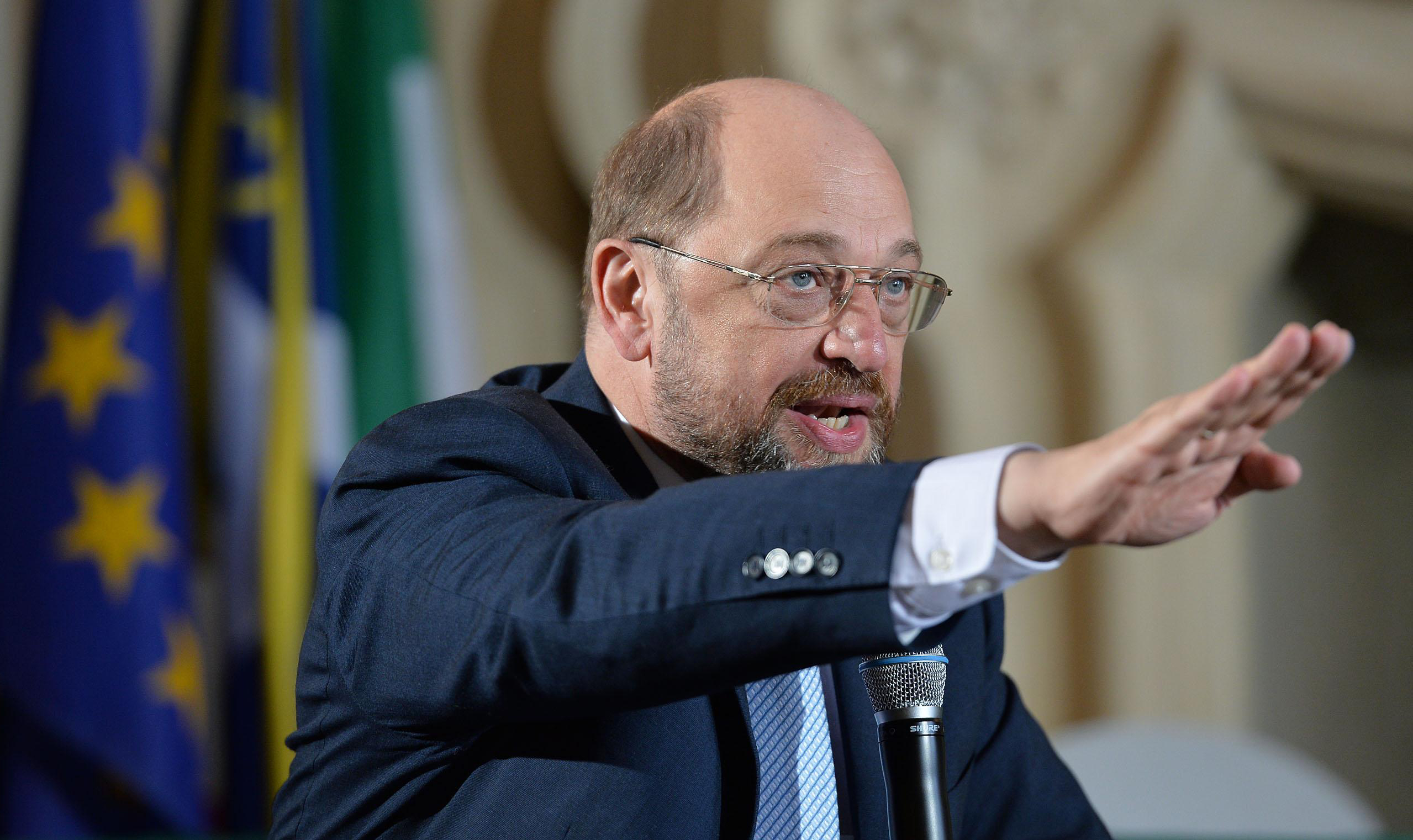
“But this means,” added Martin Schulz, “that such financial sanctions may have a return effect for the European Union, and it should be very clearly stated that these sanctions are necessary, but they will not be left without consequences either for the European Union, or for its individual member states, or for their population.
Schulz considers it important to prepare citizens for the consequences of such sanctions. “It is necessary that they realize that tough sanctions are necessary,” the head of the European Parliament emphasized.