
Translated material
Why did the geckones be killed in space?
Following the squirrel and arrow, the space was visited not only by people, but also by many other living organisms, from bacteria to cats. What did they forget in orbit?
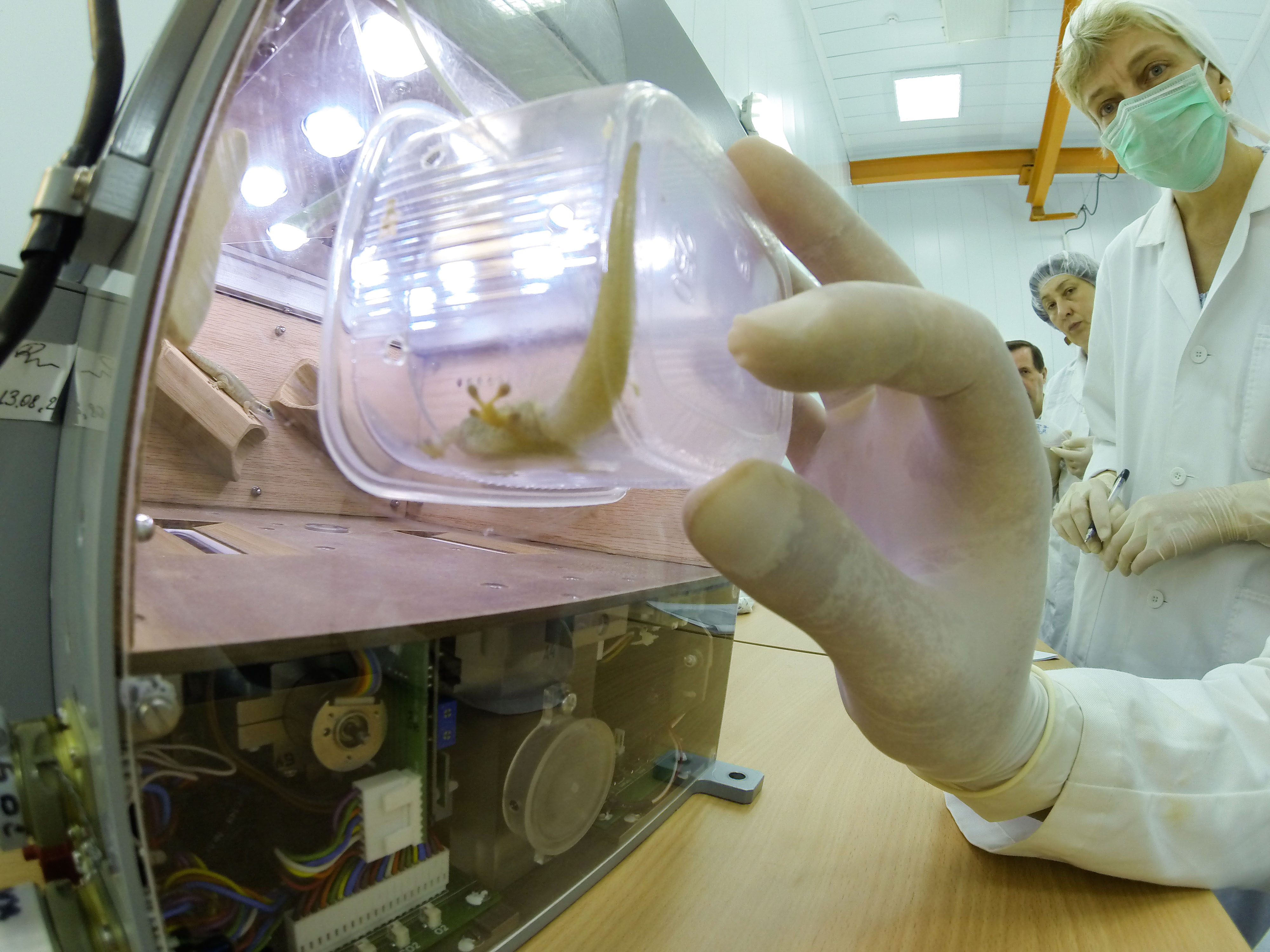
At the very end of August, a detachment of astronauts died in orbit. The causes of the disaster are not yet fully known: probably, there was a sharp drop in temperature or pressure. One way or another, the Madagascar geckos, who participated in a scientific experiment on the Photon-M spacecraft, is no longer destined to return to Earth.
The scientific observer Radio Liberty met with Vladimir Sychev , Deputy Director of Medical and Biological Problems of the Russian Academy of Sciences, who oversees the orbital biological studies, and asked him about the deaths of the wards and what living organisms we launch into space and why.
- So, what do animals do in space?
- The cosmic era, in principle, began with the flights of dogs, monkeys, rats, the French even launched cats. We made a set of glasses "The first astronauts" - with portraits of chimpanzees, squirrels, arrows and other animals. Animals were launched in principle to understand whether it is possible to fly into space, as in a space flight the body operates. Then the manned cosmonautics began, but at first the flights were short, because no one knew how long a person could stay in space. It was necessary to find out, experiments with animals
continued. Then a new problem was revealed: after a long stay in zero gravity, a person cannot return to Earth normally, his muscle system is atrophied, and bones are thinner. To understand the physiological mechanisms of this process, it was again necessary to launch animals. In the late 60s in the USSR, a resolution was adopted on the creation of a whole program for the flights of biosyatniks, the first of them was launched in 1973. And largely thanks to these experiments, prevention systems have been created, allowing people to be in orbit now for six months, or even one and a half, like astronaut Valery Polyakov.
- What factors in space flight affect the body most?
- The most noticeable factor, of course, is weightlessness. Overloads were not as significant as it was originally assumed, although they must also be taken into account, especially when landing. Overloads can also be simulated on Earth, however, it will not be possible to simulate the condition of the body, which spent six months in space and only then fell under the effect of overloads. Then radiation. On Earth, we cannot repeat it, like overloads. Here we can subject the body to some individual types of radiation, and in space they all act simultaneously, from radiation and ending with bombing with heavy atoms that fly from the galaxy. The biological response to these influences is not the same. In addition, there is a factor in a hypomagnetic environment. In a word, there are many factors, and most importantly, all of them act on the body in aggregate.
- How well did we deal with this integrated influence?
- In fact, quite few studies were conducted. In the USSR, 10 biospatellites were launched, each - unique in terms of flight, in terms of conditions. We can say that each flight is one separate experiment consisting of many parts. And one experiment cannot give a reliable result. It is impossible to take into account extraneous factors-shortcomings of equipment, some special conditions, for example, pre-flight training. Even according to scientific publications, it is clear that the authors of the experiments are often afraid to give an unambiguous interpretation of their results: there are changes in the body, but the space is to blame or was it just too cold?
- That is, you need to gain statistics?
- Yes, you need seriality. And a little good episodes were done, although they are. For example, experiments with higher plants. They began at the Mir station in the 90th year, and ended in 2012 at the ISS. It was more than 20 experiments with various species, including several generations of plants, grown already in space. And here we can be confident in the reliability of the result.
- What is the result?
- If you give the plant everything you need, it can perfectly grow in zero gravity. If there is mineral nutrition, water, light, then gravity is no longer needed. The plant grows in the same way as on Earth.
- And in which direction is it growing?
- To the light. And the roots - to the water. Even on Earth in the mountains, plants can grow
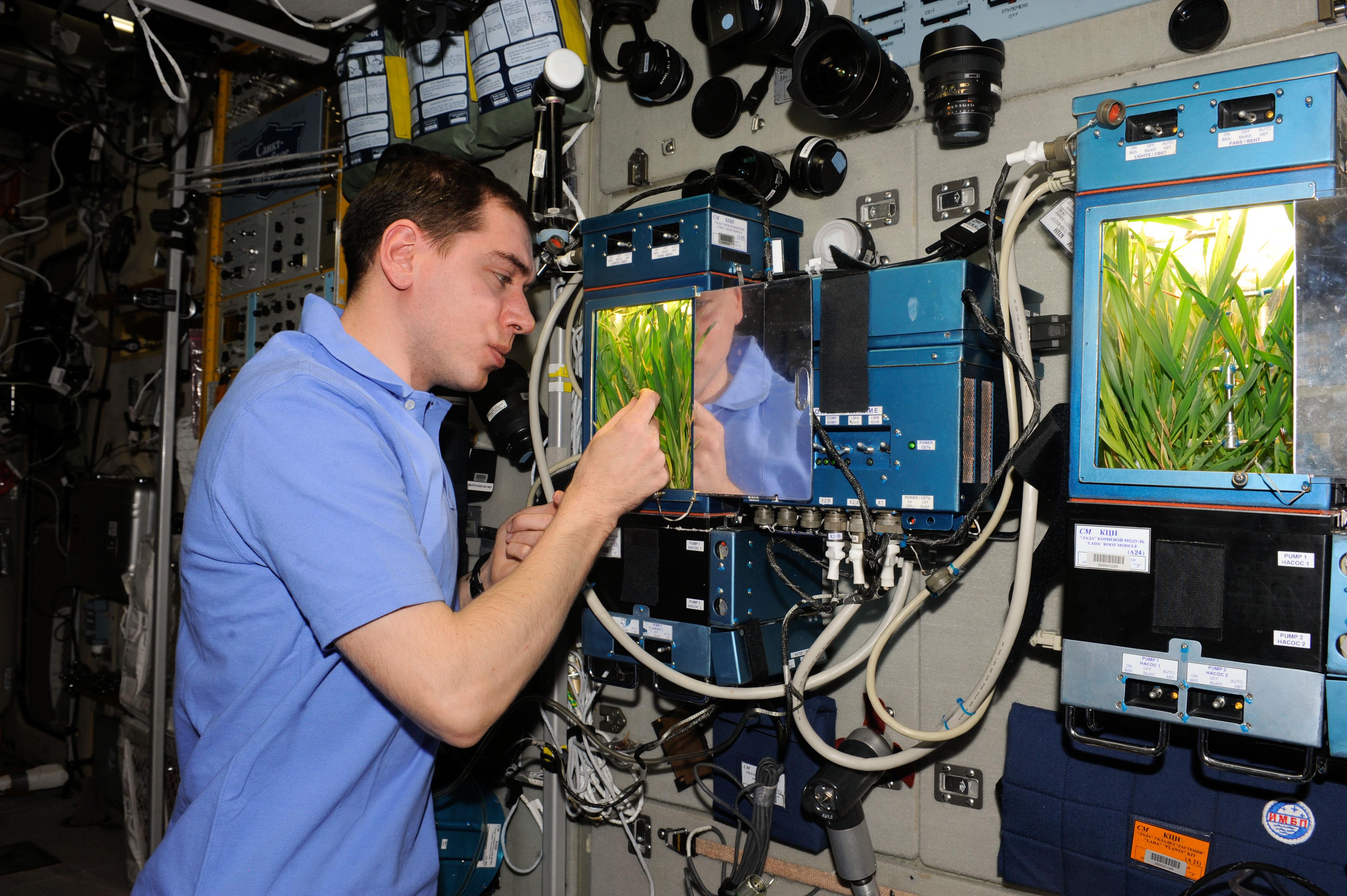
horizontally or even down. We have proved that the plant can do without a gravitational stimulus, and this is amazing, because they nevertheless evolved in gravity.
- What other episodes were there?
- With microorganisms, it is curious that in addition to the experiments itself there were simply observations: microorganisms exist at orbital stations in themselves - mainly molds, there are bacterial microflora. This is the property of any marmole - it doesn’t matter on Earth or in space, as soon as there is moisture, microorganisms begin to develop. In orbit at the same time they are fighting and studying them.
- Presumably, the study of the influence of the cosmos on bacteria and on monkeys is based on different methods.
- Of course, scientific methods are developing. After the Soviet series of 10 biospatellites - "bioons", 16 years have passed, during which time the methodological base has become greatly advanced. Today we are no longer so much interested in processes at the level of physiology (although this is important), but the processes at the level of the cell, at the genome level. I would like at this level, starting with the expression of proteins and genes to understand what is happening with the body in space. If we do this, we can much more deeply deal with the negative reactions of the body and stop them. This is the main task today, for the sake of this we have been sought to renew the Bioons project for many years. And in 2013, the flight of Bion M-1 took place, it was a completely new apparatus, very different from the Soviet biospatellites, and it flew a record for 30 days. Prior to this, the longest flight was 22 days - this is from all in the world of unmanned vehicles that conducted biological research. More than 30 experiments were conducted - both inside and outside the device.
- What, for example?
- For example, we sent 45 mice to orbit. It was a very difficult project. First, it was necessary to create equipment to maintain animals in zero gravity. The life support system - food, water, oxygen, CO2, impurities - in fact, as for astronauts. If you want to understand how the animal suffers from space, you need to make sure that it does not suffer from everyday life. Then the experimental scheme was worked out. We had mice-mice, and this is a unique approach-basically everyone works with females, because females in the group
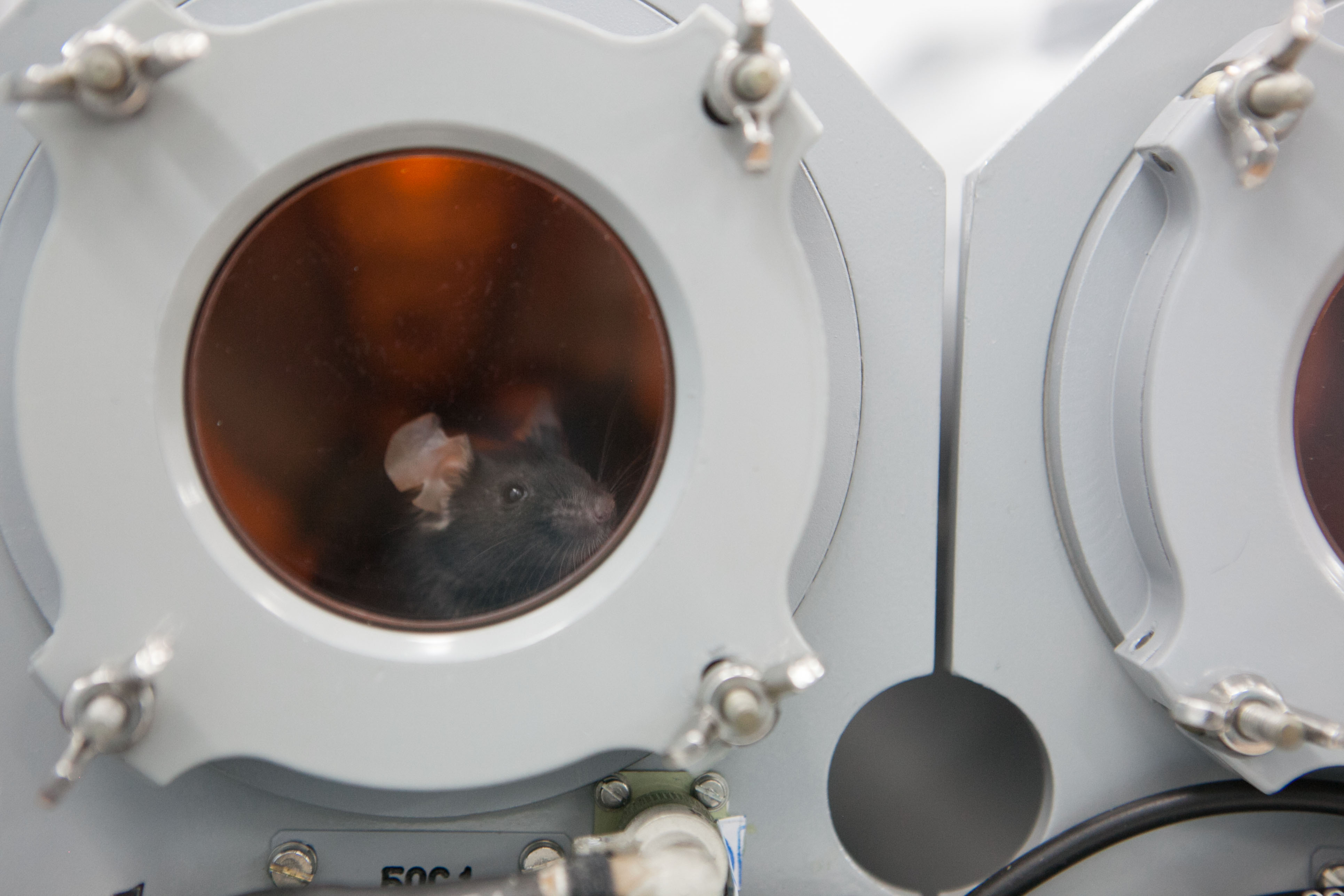
Non -aggressive. But the hormonal background of females greatly leveles the processes that are interesting for research, the females are more protected than males, so males are more interesting to use. But the fact is that to make equipment to contain 45 males in boxes one at a time, it is very difficult. We decided to contain three mice together, and for a long time, by the way, selected these groups. The next problem is nutrition. The most difficult thing is here, especially if we are talking about an unmanned vehicle is to organize water supply. All the drinkers that tried, worked ugly. As a result, it was decided to use pasty feeds with a high water content. Again, creating such food is also not an easy task. And only when all this is ready, the equipment is on board, and within 2-3 days before the start it is equipped.
- Animals are also specially prepared for the flight?
- We prepared mice for 4 months, took it away, took two groups to Baikonur and again took it there. It is clear that the animals should be healthy, but it was still important for us that the formed teams of three male could exist together for a long time without special excesses. Although the excesses in the end were still.
- You talked about the preparation, and what was the experiment itself?
- Flight is an experiment. When the mice return, about 70 specialists are pounced on them and drag them to the last bone - everyone takes part for the study. And you can find very important things. For example, it is known that in conditions of zero gravity in humans, intracranial pressure increases sharply. There is no gravity, blood goes up. A very serious problem. But a person has a fairly high hydrostatic pillar, and the mouse is a small animal, its head is almost parallel to the body. Oddly enough, the mice with pressure has the same story. Thanks to our experiment, it turned out that the cerebral artery loses its elasticity and ceases to contract - as a result, the regulation of the blood supply to the brain almost completely turned off. This was suspected before, but you won’t check it on a person, you won’t cut off his head and you won’t pull out the artery. And now, thanks to the mice, we learned it for sure. Or another problem: it turned out that after the mouse return, they remember very well what they were taught before the flight. And if you try to teach them something new-they perceive it with great
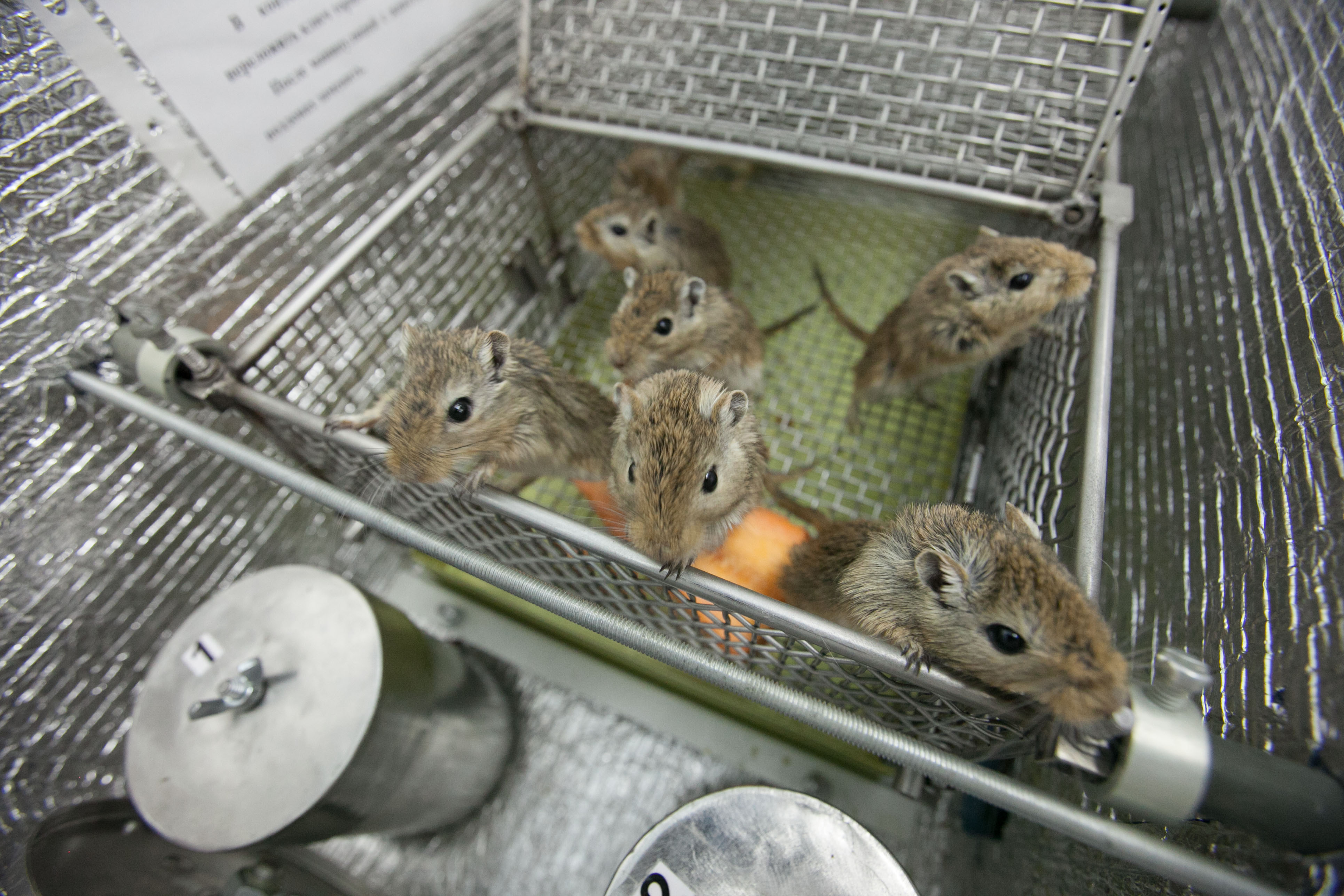
labor. There are changes in the brain, in those systems that are responsible for the formation of memory. And this also needs to be dealt with, because if a person, after a long flight, lands on another planet, he simply will not be able to work there. Now it is discussed what can be the prevention of the influence of zero gravity, especially with prolonged flights. There is conversations that on board it is necessary to have a short -radius centrifuge, but so far it is all at the level of experiments.
- And what else did we learn thanks to experiments with animals?
-For example, a Russian-Polish experiment was held at the ISS: a special aquarium with fish was installed on board. They felt great, mostly swam to the light with their backs, although some swam up and up the belly, if they speak from the point of view of the observer, the fish, of course, believed that they were swimming correctly. It turned out that without gravity to fish is quite comfortable, they eat perfectly, the behavior almost does not change. But at the same time, they begin the same problems as a person: a decrease in muscle and bone mass. It would seem that fish on earth, in the natural environment, are practically in zero gravity, so why would they lose weight in space? They began to explore the expression of genes in the spinal cord, it turned out that there was a decrease in the expression of muscle proteins. There is probably a mechanism that reacts integrally to the lack of gravity, regardless of what the body is accustomed to initially. So far, this is all at the level of speculation - only single facts have been obtained. But it is clear that the problem is much deeper than we assumed that it is necessary in this direction to conduct detailed research. You see, although we have been flying into space for 50 years, this is all the strokes, we do not have a holistic picture.
- Are we studying the state of the astronauts themselves too?
- Yes, but the problem is that people are all different. We can work with animals in a homogeneous, well -studied population, and people are very individual, it is almost impossible to reduce the results together. Another advantage of working with the same mice: for them for 30 days in orbit is like for a person years, if extrapolate in terms of life expectancy. That is, long -term effects are visible. Therefore, animals are studying everything, now the Americans have begun a large program for the study of mice on the ISS, the Japanese have prepared the same program, they are now negotiating with the luxury so that we help them.
- If there is an ISS, why are there also unmanned programs, like Bion or Photon?
- Each project has its pros and cons. The disadvantages of the "Bion" are clear: some fuse has burned out, and we lost 15 animals at once, all of it would be replaced by the ISS. On drones, there are quite high animal loss due to a malfunction of the equipment.
- How many mice returned alive of those 45?
-I assumed that half would return, but a third returned-just due to the refusal of the equipment. In general, animals die for various reasons: firstly, not everyone withstand the conditions of space flight. Secondly, in our case, there were conflicts in the groups of mice, they sprinkled each other. Another factor is not a very good design of the feeders, and the problems were revealed only in zero gravity. But if there were no problems, half of the mice would have returned to the ground alive.
In any case, we had enough - we specially launched a lot of mice. You can’t send so many animals to the ISS: the Americans send 20 mice, the Japanese will send 12.
- And what are the advantages of unmanned projects?
-After the descent, the biomaterial is in the laboratory after 11-12 hours, and this is very good. It would be better even earlier, ideally, I would like to start working immediately after landing. We even thought about this option: to dissect part of the mice right at the site of landing in the Orenburg area, we have special equipment and a tent for this. You could start working 2-3 hours after landing. But the mice did not return enough, so that we all took everyone to Moscow. But with the ISS it is more difficult: the capsule with mice falls into the ocean, the biomaterial is in the laboratory only after three days, it is no longer suitable. Therefore, in NASA they decided to dissect animals right on board the ISS. Astronauts themselves will do this. Of course, you can’t do a thin drug in zero gravity in gloves. Most likely, it will be some simple dissection, then the units will freeze and go to the ground. A lot of information will be lost.
- So, with the help of orbital biological experiments, we find out how space flight factors can affect a person. What else?
- There are a number of purely scientific experiments. For example, checking the theory of the Pancepermia that life came to Earth along with meteorites. To do this, special basalt circles with microorganisms are placed on the descent capsule, which heat up at the entrance to the atmosphere to almost 2000 degrees. It seems like microorganisms survive. But I am not very interested in this theory: well, well, life from space flew to Earth, but where did it come from where it flew? There is still no answer to the main question.
Another type of experiments is when the survival of different organisms is checked in an open space. For example, fragments of permafrost with appropriate microorganisms, spores of bacteria, dry seeds - all this is placed outside the apparatus. In the experiment, BIOEXPOSE for ISS samples are spent in open space for several years. And much survives.
Finally, experiments must be carried out not only for the sake of surviving a person, but also for the sake of ensuring. If we think about the colonization of the cosmos, we must talk about colonization not just a person, but the biosphere as such.
-How did you once take with them to distant goats sailing?
- Yes, but here you have to take with you not goats, but a whole ecosystem. Tsiolkovsky also wrote that due to the photosynthesis of plants, a person can exist in space. Easy to say, but hard to do. Even under the queen, work began on the creation of life support systems on the basis of a biological cycle of substances, in which a person exists as a part, as we exist in the biosphere on Earth. The work was carried out very intensively until the end of the 80s. There were six experiments in our institute when people lived in an isolated system
I will have to take with you not goats, but a whole ecosystem
Due to the photosynthesis of algae and plants. Similar experiments were conducted at the Institute of Biophysics of the Siberian Branch of Sciences in Krasnoyarsk. There the experiment lasted half a year. The Americans also started this program, and then stopped it, then they started again, now they stopped again. John Allen, Mark Nelson and others in the 80s started the project of the Biosphere-2 autonomous system. They didn’t get anything. The system did not work.
- What is the problem?
- There was no balance. Oxygen fell. They could not provide their own food, although according to calculations everything turned out normally. But they had to add food outside. The system was not closed. In principle, these works are necessary. Now the Chinese are very actively experimenting. Europeans have a large Melissa program. But this is all on Earth. It is much more difficult to embody such systems in space. Even if not in zero gravity, but in conditions of gravity on another planet. Well, for example. You have a flight to Mars. Slumed food with almost without vitamins. It is necessary to give people vitamins. Technicals say: Well, they will take pills with them and that’s all. And you look at the shelf life of vitamins, even on Earth. And what will be the expiration date in the conditions of space flight? No one studied this. How to solve this problem? Grow plants. Thanks to our experiments, I can say: yes, plants will grow, the problem can be solved.
- And how to maintain soil fertility?
- There is rather no soil, but hydroponics. Neutral substrate with fertilizers. But in general, this is a separate technological task that has yet to be solved. So far, we only found out in principle: plants grow. This is the main thing. There are many further problems. How best to organize
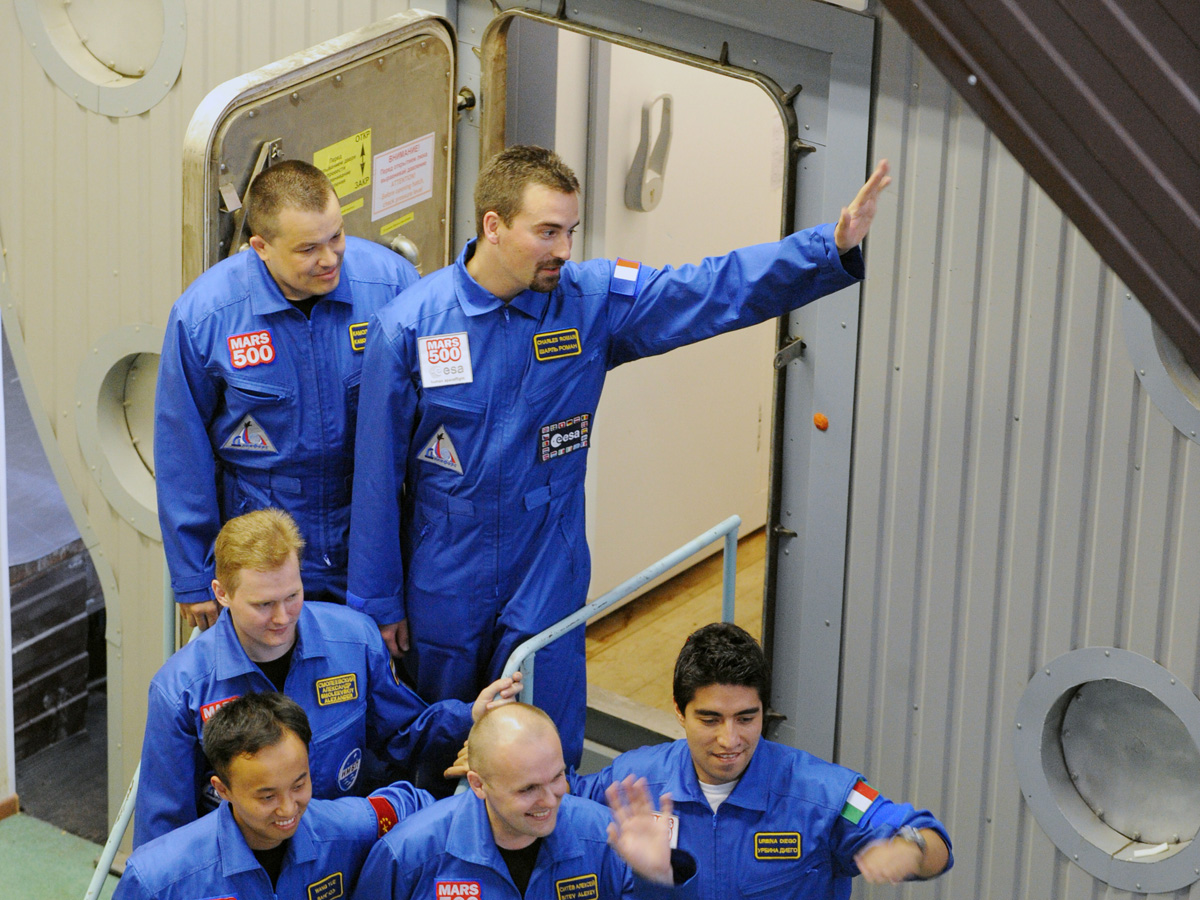
Orange? It can be conveyor sowing, are you planting in one place, in another - shooting? Но удобно ли это будет космонавтам или колонистам? Что им вообще будет удобно? Вот мы делали эксперименты в рамках программы "Марс-500" [ российский эксперимент имитации полета на Марс, проводился с 2007 по 2011 год. - approx. С.Д ]. Выяснилось, что людям в интерьере очень важно иметь цветы. Мы поставили оранжерею и сказали: выбирайте, цветы или овощи. Они выращивали только цветы, а овощи начали сажать только потом, когда мы им построили еще одну оранжерею.
– Человек везде остается человеком.
- Yes. Даже подбор овощей – важный момент. Вот человеку нужно каждый день съесть 100 грамм салата, чтобы восполнить запас витамина C. Но вы представьте: тебе, как корове, каждый день скармливают 100 грамм салата. Ты ведь через две недели его ненавидеть будешь. Мы видели такое на МКС: космонавтам какой-то продукт больше понравился, они начинали его активно есть. На следующий экипаж не хватило, у них от этого рацион сбивается, пришлось дополнительные поставки делать.
Так что фактически мы решаем триединую задачу. Это выживание человека, выживание организмов, которые его сопровождают, и их взаимодействие в общей системе.
– Давайте все же поговорим про злополучный "Фотон-М". Что там были за эксперименты? Почему погибли гекконы?
– В основном на "Фотоне" были технологические эксперименты, значимых биологических было только два. Первый – попытка получить потомство гекконов, второй – дрозофилы: классический мутогенез и исследование экспрессии генов, белков, изучение протеома мух. Дрозофилы – классический генетический объект, мы сейчас получили три поколения в космосе, биоматериала достаточно, он будет исследоваться на все эти параметры. Очень важно, что мухи выжили, для нас это был самый важный эксперимент. Все вот говорят – мухи, мухи, а они ведь по многим параметрам от нас мало чем отличаются.
А вот гекконов мы потеряли. Там оказалась непредвиденно низкая температура. Мы ожидали перегрева, а было на 10 градусов холоднее, чем гекконам нужно. Может быть, были и другие факторы – мы пока не
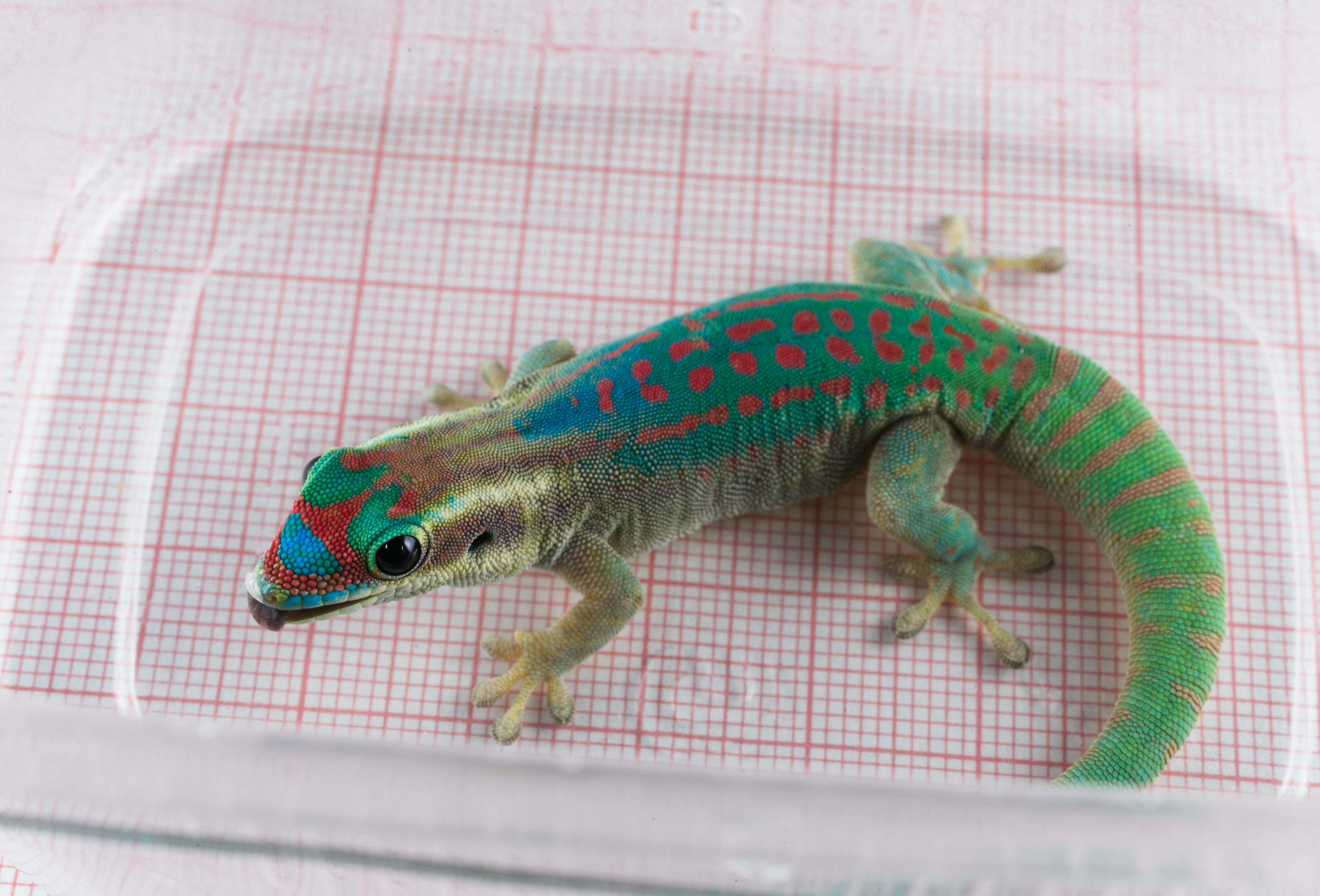
We understand. Знаем точно, что погибли они в самый последний момент – 28 августа гекконы еще были живы. Проблема в том, что "Фотон", вообще говоря, предназначен для других исследований, мы там гости. Ничего не регулируется, систему жизнеобеспечения мы не контролируем, температура зависит от работы остальных аппаратов, от ориентации аппарата. Выяснилось, что капсула оказалась в тени солнечных батарей – температура упала, гекконы погибли.
– А как вы за ними следили?
– Там есть видеокамера, но, как обычно бывает, в самый интересный момент она перестала работать, опять же, мы пока не знаем почему. Есть косвенные данные – выедание корма из кормушки. Известна дата, когда кормушка в последний раз открывалась. Но это был осознанный риск.
– Почему вообще решили запустить именно гекконов?
– Во-первых, они достаточно неприхотливы. У хладнокровных легче идет заживление ран, они многие воздействия переносят легче. Во-вторых, они не так зависимы от гравитационного фактора. Гекконы могут передвигаться и по потолку и по стенам, им все равно, где верх, а где низ. На "Бионе" мы кстати тоже запускали гекконов – это были толстопалые гекконы, их кормили живыми мучными червями, гекконы их с
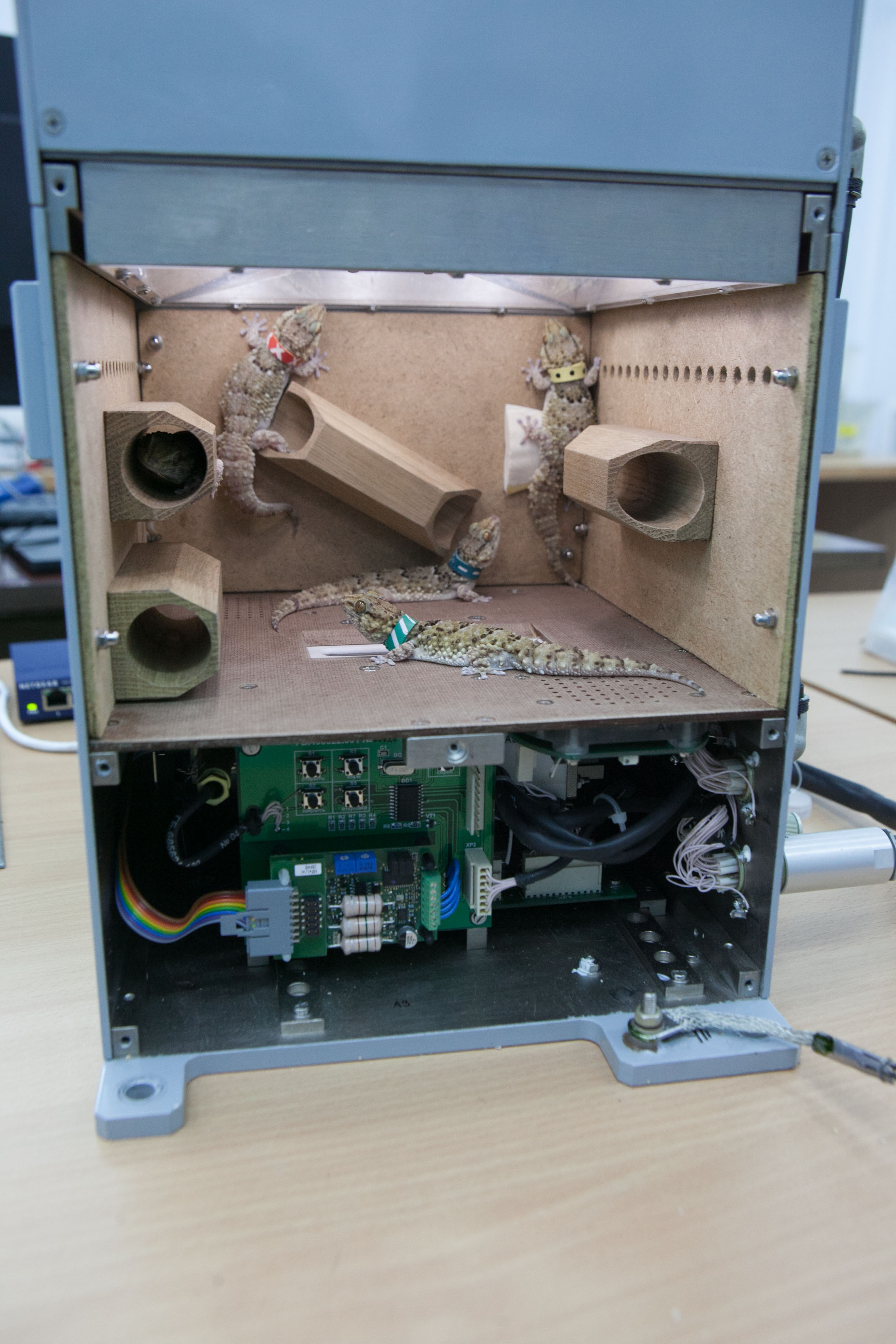
удовольствием ели и вообще полет перенесли прекрасно, почти никаких изменений в них мы не обнаружили. А для "Фотона" взяли фельзумов, это маленькие мадагаскарские гекконы. То, что маленькие, – удобно, у них и потребление кислорода небольшое. Но что-то не получилось. Может быть, специалисты, которые именно этими гекконами занимаются, не все о них знают, может, у этих ящериц пределы восприимчивости и выживаемости другие. Возможно, материал изначально был не очень удачным.
– Какие-нибудь высшие животные уже размножались в космосе?
– Насколько я помню, нет. Мухи размножаются, а с высшими не получается. Животное – это же не человек, который всегда готов, грубо говоря. У животных есть свой цикл, есть половое поведение, которое, как правило, зависит от гравитации. У разных видов все по-своему. Мы на сегодняшний день находимся только в начале пути, нужно ставить больше экспериментов. Вот слетал в прошлом году "Бион", сейчас "Фотон", теперь будет перерыв. Следующий орбитальный эксперимент хорошо если в 2019 году будет. Космонавты на нем полетят примерно те же, что и на прошлом "Бионе", только орбита будет в два раза выше.