
Translated material
Theme of the week: War language
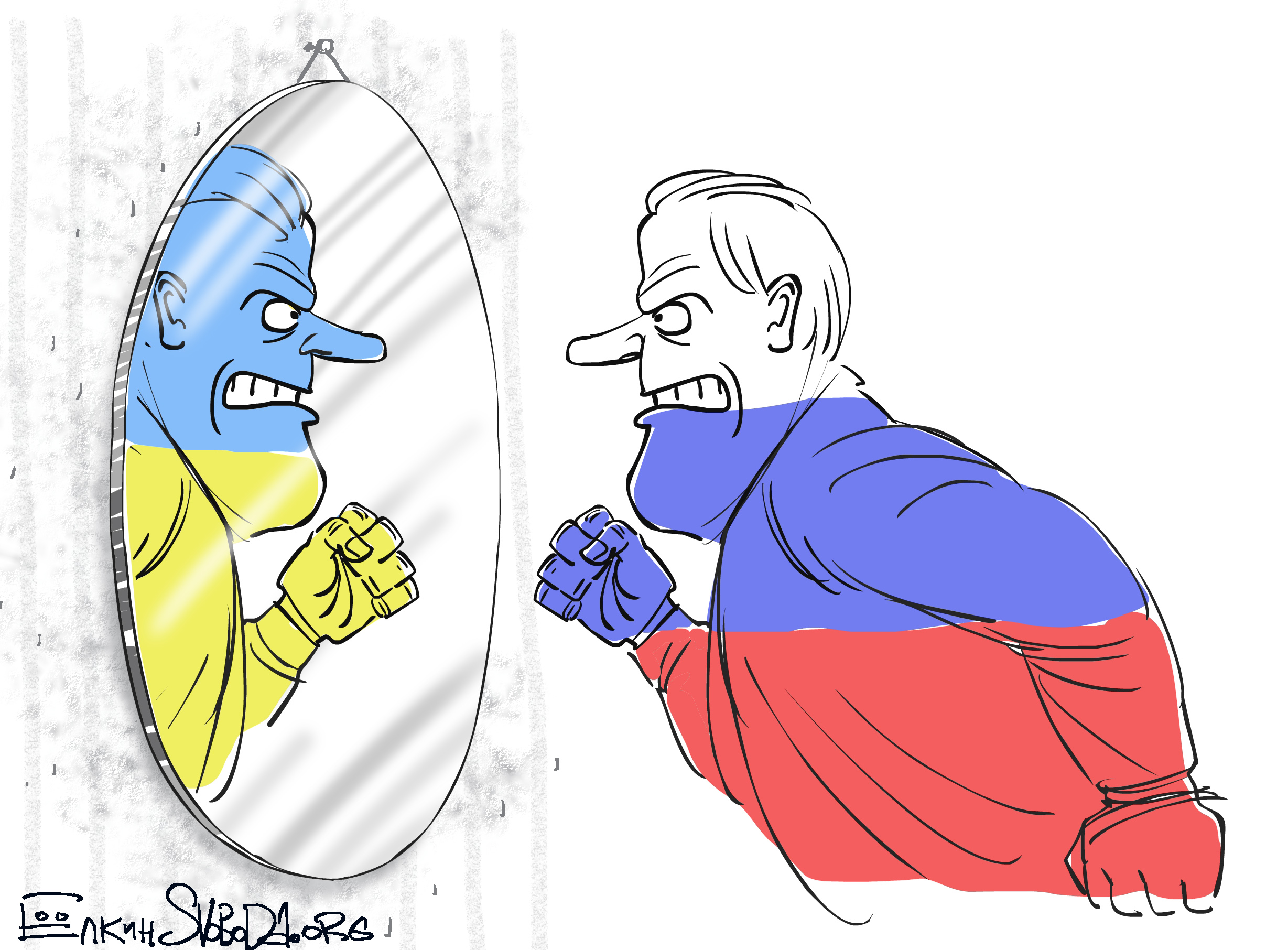
How the war in Ukraine changes language, thoughts and behavior, online and offline
Propaganda has long become an integral part of any war. And success in the information war is almost more important than things on real fronts are going on.
Why is this happening? Who wins the information war in the Donbass - Ukraine or Russia? The language of war not only sets or changes the meaning of words, but sometimes deprives them of meaning. A fresh example is the fate of the word "fascist" in the conditions of the Ukrainian war.
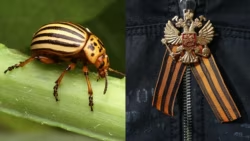
War and humor: are compatible or not? "Dill", "quilted jackets", "alponders", "Putin - *****, Lalalala", etc. - Is all this still funny or already scary?
Traces of the war that remain in the language - how do they affect the consciousness of society, on the perception of themselves and their history? How to return from the language of war to normal language? How soon will Ukraine and Russia be able to, not so much at the level of politicians as at the level of peoples and societies, to speak with each other without stamps and, possibly, agree?
Discussion in the project of Europe.
How the war in Ukraine changes language, thoughts and behavior, online and offline