
Translated material
The struggle of the Nenets miners
Why oligarch Vladimir Yevtushenkov can lose his oil company
Bashneft was the first victim of a new oil war. Ufa, April 11, 2013 /Photo: Sergei Karpukhin /Reuters
The head of state officially congratulated the oligarch Vladimir Yevtushenkov on the anniversary only once - September 25, 2008, when the entrepreneur was 60 years old. “The talent of the entrepreneur and solid professional experience help you - the prominent representative of the country's business community - successfully implement promising economic projects,” President Medvedev wrote to him in the anniversary telegram, as even reported on the Kremlin’s website.
Evtushenkov can meet his 66th anniversary of Yevtushenkov under house arrest in the estate near Moscow in Zhukovka, unless, of course, the arrest is arrested (see text on page 26)
The story of Yevtushenkov and his oil business is the first significant example of how sanctions and the new Cold War affect the economic and political landscape of Russia. Those who suffered in this war have problems. And the victims begin to solve them due to the redistribution of large pieces of property within the country.
Yevtushenkov is actually accused of the fact that he knew that the son of the former president of Bashkiria Ural Rakhimov stole the company "Bashneft" from the state. If Yevtushenkov knew about this, he says the investigation, therefore, had a criminal intent, buying shares from Rakhimov Jr. Consequently, he helped him legalize criminal income and received them himself.
But the essence, it seems, is not so much in the company itself, although it is one of the ten largest oil companies in Russia and gives tens of billion rubles of profit annually. The case is in its asset - licenses for huge oil fields named after Trebs and them. Titova in the Nenets Autonomous Okrug, issued in early 2011.
It turned out that by the end of 2012, all large deposits on land were divided by Russian oil industry workers, and in 2014 the Cold War began. After the introduction of anti -Russian sanctions, the development of shelf deposits became almost impossible: all the necessary technologies remained in the West, behind the iron curtain. And in the country, competition for oil immediately worsened. Yevtushenkov fell her first victim. He made an offer - he refused, the former Kremlin employee brought the line under the criminal case of the oligarch. Therefore, the rich deposits of Trebs and Titov will now receive Rosneft, and Yevtushenkov himself will give up and leave everything, or he will sit under arrest.
Bashneft's vicissitudes
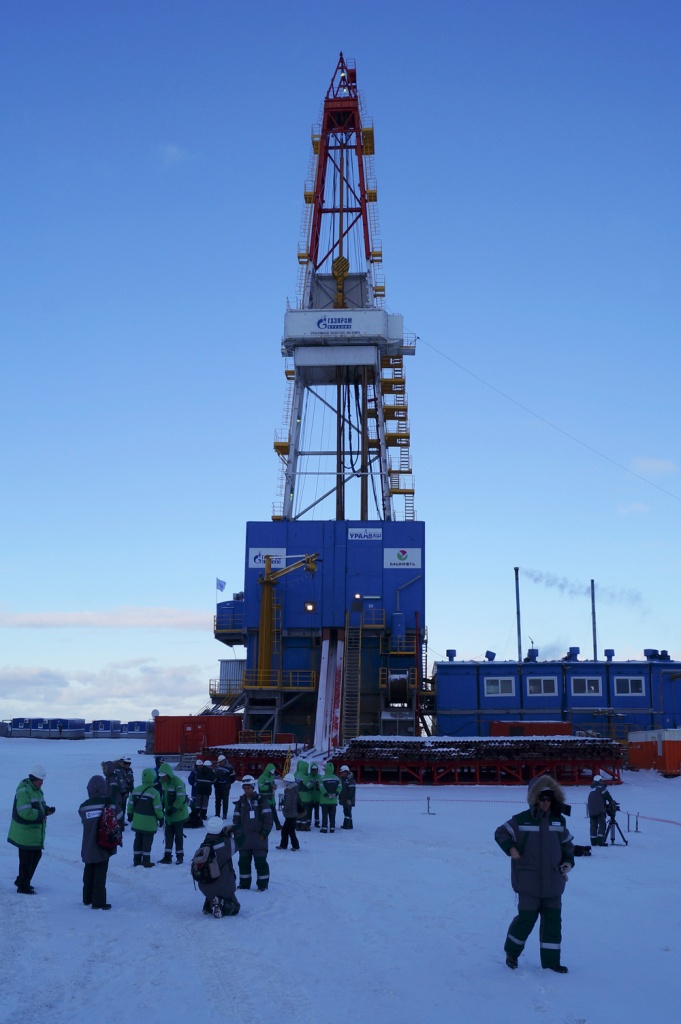 |
| In the areas of Trebs and Titov, only reconnaissance wells have drilled. Varandey village, October 22, 2013 /Photo: Olesya Astakhova /Reuters |
Yevtushenkov created his empire in the 90s of the last century at the court of Moscow mayor Yuri Luzhkov. In Moscow, his flagship company - MTS appeared and got to his feet. Then, a star of one of the first development companies of the country-System-Clats rose in the capital's sky. In the mid-2000s, the cellular industry began to experience rapid growth in developing countries, and the cost of MTS rushed up, turning Yevtushenkov into one of the richest non-resource oligarchs in Russia. In 2005, he decided to end this frivolous status and diversify the business. Yevtushenkov entered the capital of the Bashneft oil company : I bought for $ 600 million blocking stakes in the shares of six Bashkir fuel and energy plants from the son of the President of the Republic of the Urals Rakhimov.
At the beginning of 2008, Yevtushenkov was powerful, stood tight and occupied in the Russian Forbes rating 18th line, overtaking Alisher Usmanov, today-today-the richest man in Russia. But then a storm burst over his empire. Like all Russian oligarchs, Yevtushenkov occupied a lot from Western banks in the “zero”, laying his constantly expensive shares. When the shares sharply fell down due to the 2008 financial crisis, the banks asked to repay the difference between the real value of the property and the required pledge. If there is no money, they will sell promotions with a discount to the first person.
"
After the introduction of anti -Russian sanctions, the development of the shelf became impossible. In the country, competition for oil has aggravated. Yevtushenkov fell her first victim
"
Yevtushenkov had to go with an extended hand to the powers that be. He suggested that Vladimir Putin buy MTS bonds at the expense of government. President Medvedev asked for help for Citrix, a manufacturer of electronic components. The authorities in the fall of 2008 helped the oligarch. With the blessing of Putin, Sberbank bought MTS bonds, and Vnesheconombank from the anti -crisis fund bought Sitronics. Having dealt with his problems, Yevtushenkov decided to think about the future. And, as a mathematician, he began to look for the opportunity to somehow earn on a crisis. The opportunity turned up very soon. Bashneft - 10 % of the Russian oil refining market, 98 % of the Bashkiria fuel and lubricants market, 285 million tons of explored reserves - was finally sold to Yevtushenkov.
At the same time, Yevtushenkov strictly, according to the informal rules of his time, agreed on the deal wherever he could. This was stated by direct text by former Minister of Finance Alexei Kudrin last week. “The deal to purchase Yevtushenkov by this asset was completely agreed with all levels of power. What could change during this time, I do not understand, ”he said, communicating with the press on Friday. Yevtushenkov gained control of Bashneft in April 2009, and already in June he paid the treasury of 14 billion rubles of taxes underpaid under the previous owners of the company. When at the end of June 2009 Rakhimov Jr. hurriedly flew from Russia to Vienna, it seemed that the problems of Bashneft were over. The criminal fled, and the company has a new master and brilliant prospects.
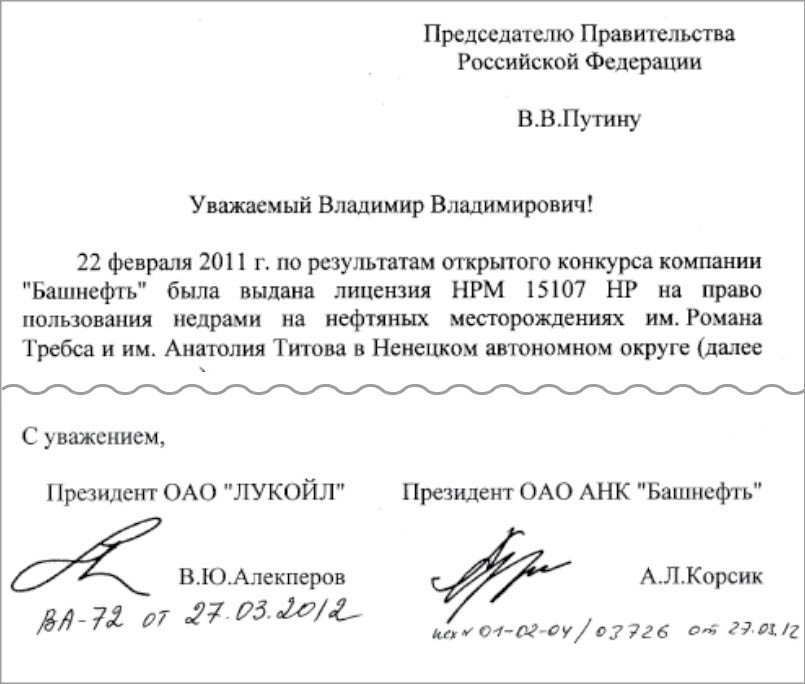
Letter of the Presidents of Lukoil and Bashneft Prime Minister Putin, which he transported Sechin
Unlucky well
In 2010, investments in oil and diversification worked. On September 28, President Medvedev fired the mayor of Luzhkov "due to the loss of trust." If Yevtushenkov did not had Bashneft, the purchase of which was agreed in both the Kremlin and in the White House, this resignation could become the end of his empire. But, having started roots in another business and having new friends, Yevtushenkov survived it without loss. And at the end of 2010, a miracle happened: the company won the right to develop Nenets oil fields in two large areas - Trebs and Titov.
They are called the richest deposits in this part of Russia. They do not need to build an oil pipeline - through them the pipe "South Hilchi - Varandey" passes through them. Nearby is the port of Varandey, which is equipped with “Lukoil”, which can take tankers and icebreakers. Balance reserves of deposits - 140 million tons of oil of category C1 and C2, in reality there can be up to 200 million tons.
The competition for the right to master the deposits of Trebs and Titov was held with a scandal. The Rosnedra was removed from the participation of Lukoil, Gazprom Neft, TNK-BP and several more companies, allowing only Surgutneftegaz and Bashneft. “Surgut” later removed his application himself, the competition was recognized as failed and the Bashneft deposit was given to Yevtushenkov.
Why did the miracle happen and such tidbit deposits received Bashneft, and not the state “Rosneft”, “Gazprom Neft” or “Lukoil”, to which God himself ordered him to develop, remained not entirely clear. The official position of the Kremlin was then that private traders let them produce oil on land, and state -owned companies work for the prospect: they master the giant reserves of the shelf and the Arctic. Behind closed doors, it was about the fact that state -owned companies are already rebelled by reserves, pulling with prey and intelligence, recalls a former employee of the Ministry of Natural Resources. In order not to be left without oil, you need to give private business a chance, and not wait until Rosneft gets to Trebs with Titov.
Then they talked about the high patrons of Yevtushenkov, not former, but the current ones. As a representative of the innovative business, Yevtushenkov was entered by President Medvedev, often flew on business trips with him. He had the opportunity to advertise himself to the president, recalls the official who worked in those years in the Kremlin.
One way or another, but Yevtushenkov did not go to the license and ticket to the Higher Oil League for free. He paid 18.4 billion rubles for a license (the state asked about 18.2) and took on a number of other obligations. The company pledged to process 42 % of oil, 15 % - to sell within the country on the exchange.
In February 2011, the company began to look for a partner for the development of Trebs and Titov. “Bashneft” is primarily the oil refineries of Bashkiria, and only then - production. The company had no experience in mastering the polar deposits, it was allowed to (if you do not take into account the administrative resource) for the competition only because it had more free oil refining in the country. Partners were found quickly. On December 12, 2011, Bashneft re-registered Trebs and Titov’s license to her daughter “Bashneft Polus”, and on December 27 sold the blocking package of “Daughter” (25.1 % of the shares) “Lukoil”.
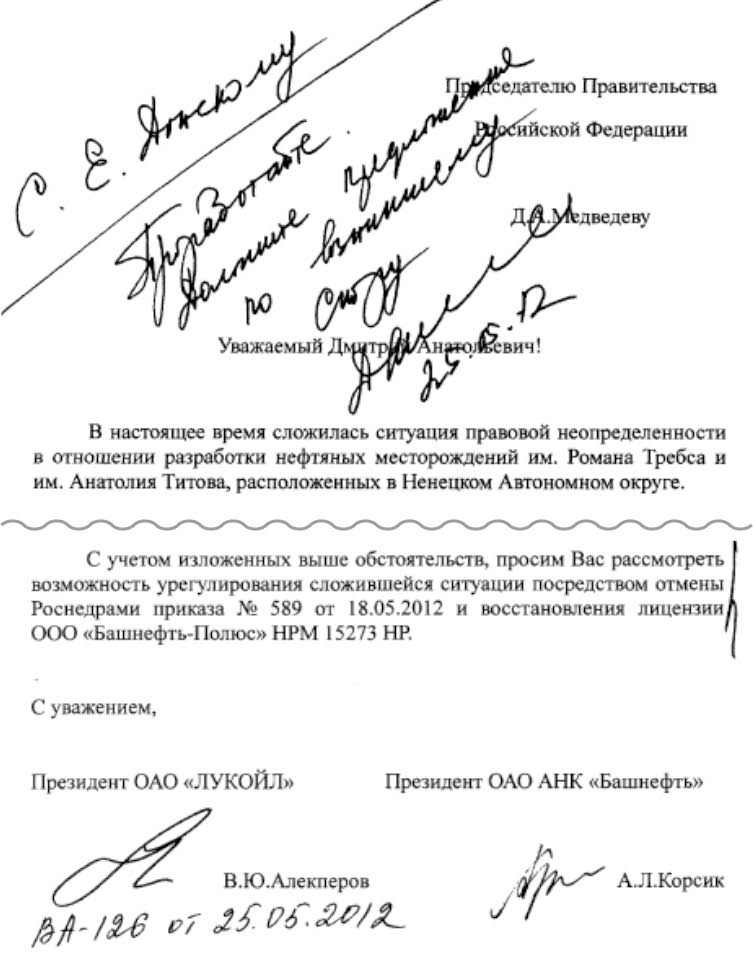
Letter of the presidents of Lukoil and Bashneft Prime Minister Medvedev. He instructed Dvorkovich to respect their request
It would seem that this is bad? The company was not going to abandon the obligations taken, found a partner already entrenched in the region, and even ready to use it to start oil production almost five years earlier than the license allows. All this is a deception, then the curator of the oil industry, Deputy Prime Minister Igor Sechin, answered. And with deceivers, the government will not have any cases.
The Vice-Prime Minister never liked the idea to give Trebs with Titov Yevtushenkov. But he was forced to agree with her. President Medvedev led the attack on Sechin’s position in the fall of 2010, resting on a decline in prey and demanding to untie the private traders in the industry. It was about the access of foreigners to the shelf, which was actually banned back in 2008. Saving this estate of Rosneft close to him, Sechin sacrificed the deposits that Yevtushenkov went, but won the time.
After Bashneft invited Lukoil to the deposits, Sechin began an attack on the company on two fronts. Firstly, his experts analyzed the list of changes that Bashneft asked to be made in connection with the transaction with Lukoil, and decided that the changes are significant, which means they were reviewed by the contest, which is prohibited by law. The Federal Antimonopoly Service was supposed to attack Bashneft on the other hand: to request a full list of owners, its new partners, in order to know for sure that Trebs and Titov did not get foreigners, which also prohibits the law. At the beginning of 2012, Sichin and officials close to it issued instructions for checking the Bashneft transaction with Lukoil, the circumstances of the acquisition of the Bashneft license and the shareholders of both companies. Part of the instructions goes with the heading “secret”.
It could not burn with foreign owners - neither Lukoil nor Bashneft are controlled by them. The FAS reported Sichin that foreigners of Bashneft Polus did not control and the law does not violate the law. The proceedings gave Sichin a little more time, while his chief Vladimir Putin was busy moving from the White House to the Kremlin.
On March 27, 2012, the Presidents of Lukoil and Bashneft Vagit Alekperov and Alexander Korsik wrote to the prime minister Putin, who had just won the presidential election, a cautious letter (see illustration), in which they asked to “consider the possibility of continuing the implementation of the project in its current form”-that is, “Bashneft-Poles”-and agreed to revise the terms of the license agreement, if necessary state.
Putin sent their letter to Sichin, who, having received an order, began a new attack on the company. The meaning of the efforts of the Deputy Prime Minister was simple. The task is to cancel the issuance of the Bashneft-Polus license, return all the Bashneft and see what it will do with this without Lukoil. The maximum task: to cancel the entire competition, as conducted with significant violations. Let the attack on the line of “foreign owners” died out, but another worked - a change in the terms of the license.
On May 18, 2012, the order of Rosnedr dated December 2011, transferring the Bashneft-Polyus license, was canceled. Yevtushenkov remained with oil, but without a partner.
Pyrrhic victory
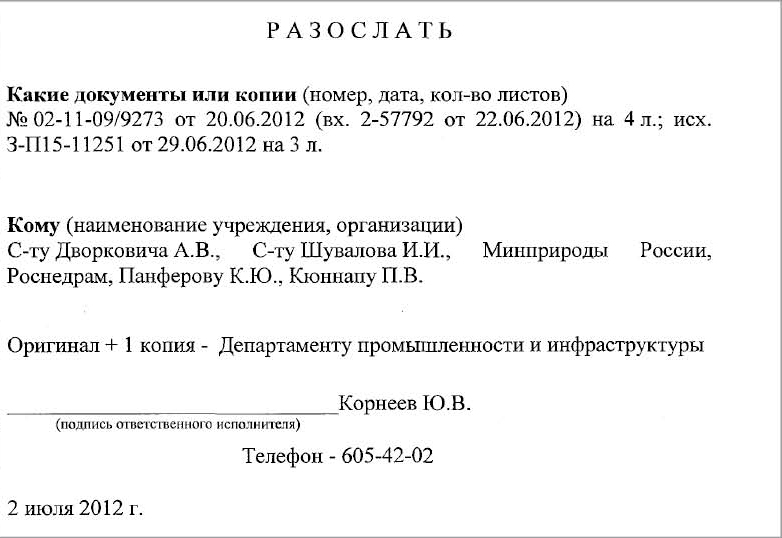
The new round of the struggle for Trebs with Titov began a week later, as soon as the leaders of the country changed places. The same Alekperov and Korsik wrote a letter to the new prime minister-Dmitry Medvedev-and asked him to return the License "Bashneft-Polyus." Medvedev immediately got down to business. On June 19, the prime minister held a fuel and energy complex at which they decided to make changes to the Bashneft license, taking into account its partnership with Lukoil. The relevant order was given by the departments by the new curator of the fuel and energy complex-Deputy Prime Minister Arkady Dvorkovich.
On June 20, the Ministry of Natural Resources told Dvorkovich that he had no objections to the prime minister. On June 29, the head of the legal department of the government of the Government Panferov told Dvorkovich that the transfer of the license was legal.
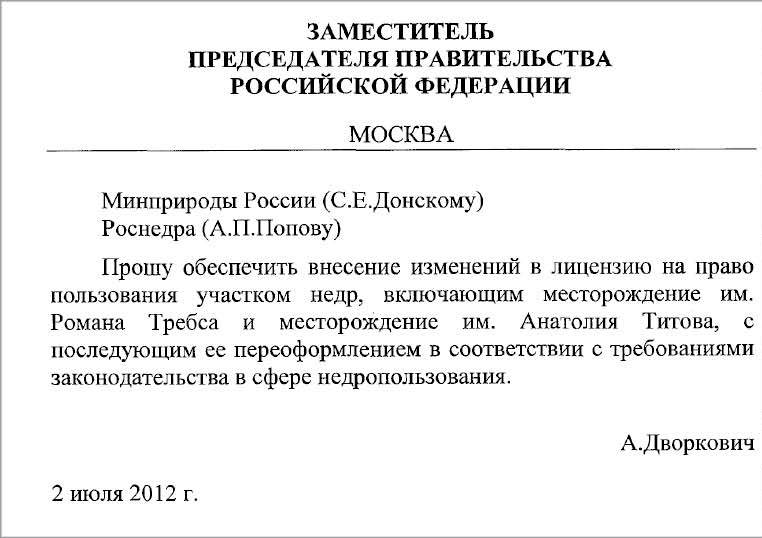
On July 2, 2012, Dvorkovich issued an order that did not tolerate double interpretation to the Ministry of Natural Resources and Rosnedr. “I ask you to ensure amendments to a license for the right to use a subsoil plot, including the deposit of them. Roman Trebs and the deposit. Anatoly Titova, followed by its renewal in accordance with the requirements of legislation in the field of subsoil use. " On the assignment, Dvorkovich received an answer exactly two weeks later. Deputy. The leader Rosnedr Morozov wrote him a long letter (see illustration), in which he explained why the prime minister’s indication and instructions of Dvorkovich himself could not be fulfilled.
The end of the letter turned out to be almost mocking: “taking into account the presence of these facts and circumstances, as well as decisions adopted by the President of the Russian Federation V.V. Putin at a meeting of the Presidential Commission on the Development Strategy for the Development of the Fuel and Energy Complex and Environmental Safety on July 10, 2012, I ask you, dear Arkady Vladimirovich, to clarify the procedure for the execution of the order of July 2, 2012. " Morozov’s arrogance was explained simply. Rosnedra remained under the control of Rosneft by President Sechin, Chef Morozov - Popov - for a long time even worked as his assistant.
The struggle against the opposition of Rosnedr and the struggle for Bashneft, which was left alone with unbearable deposits of Trebs and Titov, lasted a year. For a year, Sechin's people beat off the prime minister’s attacks, without releasing a new license for Yevtushenkov. In July 2013, the head of Rosnedr Popov was fired, and the deputy minister of natural resources was appointed to this post.
And when Yevtushenkov might seem that hardware victory was close, he began to make proposals for the sale of Bashneft. None of The New Times, however, dares to name the company that made them.
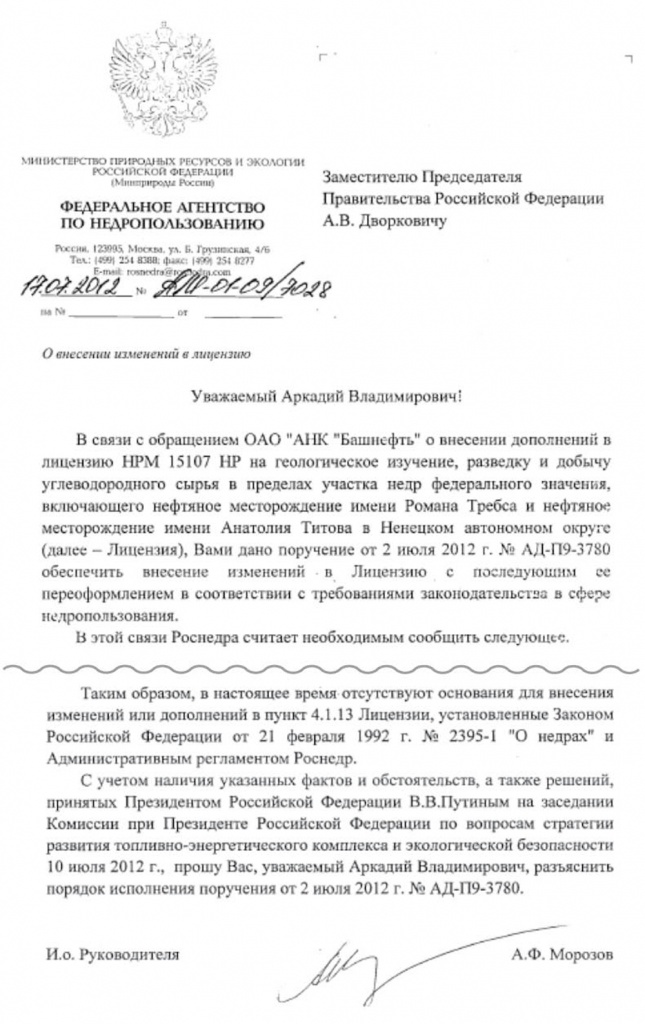
Correspondence of Dvorkovich with Rosneders. The management of Rosnedr refused to follow the government's instructions
The war, what did you do is vile
In the summer of this year, the largest oil company in Rosneft was thrown into the past for years due to the introduction of economic and technological sanctions against it. The ban on the issuance of long -term loans, Rosneft, left the company with a large credit load and without prospects to receive Western money for its projects in the near future. The ban on the import of equipment and technologies put the cross on plans to start large -scale development of the resources of the shelf and the Arctic until 2020.
At the same time, Rosneft should deliver 660 million tons of oil in China until 2050, which is more than the current annual production of production in Russia. The company, provided with reserves for the eyeballs, faced the real threat of oil deficiency. The last large oil field on land - Imilorskoye - went to Lukoil at the end of 2012. The deposits of Trebs and Titov, uninitiated by Yevtushenkov, simply suggested for confiscation. “The state is obliged to optimize the industry and look at the general balance, and not at private interests,” says the top manager of the state-owned company from the fuel and energy complex. He is not sure that Rosneft will go to Trebs and Titov’s deposit, but he believes that Yevtushenkov, even through a criminal case, is valid. If you cannot develop the largest deposit of the country at such a moment, returning it to the state, it compensates for your expenses, he explains this logic.
Assessment that Yevtushenkov can now receive for his oil asset, varies from billions of dollars to zero
"
The trouble with Yevtushenkov, who was arrested, apparently, is that he did not just want to get compensation for expenses. He wanted his company to be bought from him at a market price. Therefore, probably, negotiations with him, which were conducted at the end of 2013, were unsuccessful, and he was accused of Bashneft.
The assessment of what the arrested Yevtushenkov can get for his asset is leaving from billions of dollars to zero.
The formula that could be applied to the company, burdened with political problems and disputed reserves: the price is equal to its current annual EBITDA (profit before tax and repayment of interest on loans), multiplied by five. EBITDA “Bashneft” in 2013-103 billion rubles, which means that for its 60 percent in the company the oligarch could get about $ 8-9 billion. Due to the war, which turned Trebs and Titov into tarted pieces, none of the government agencies will find this money.
Another polar rating was given by The New Times A source in one of the departments involved in natural resources. According to him, Bashneft’s bankruptcy is possible and its sale to cover the damage of the state. Dates-January-February next year.