
Translated material
Islands of the dead ships
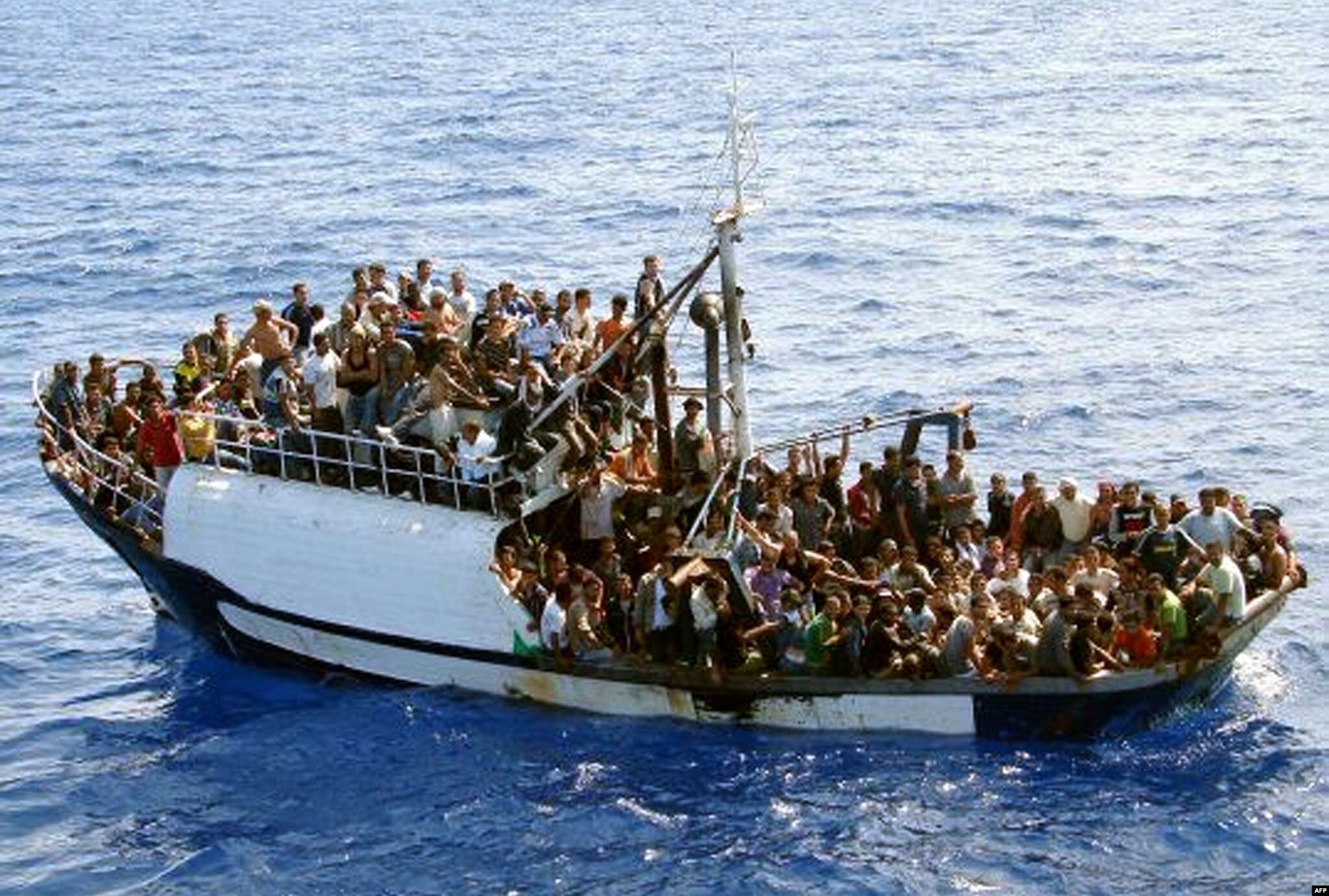
Human rights activists warn: illegal migrants in the Mediterranean Sea continue to die hundreds
On September 30, the "International Amnesty" (MA) published another report on the state of migration policy in the European Union. This time, the main emphasis is on the situation in the Mediterranean basin, due to the growing number of migrants who have recently strive to get to the EU countries through the Mediterranean Sea and often pay for this life.
Hundreds of people die annually off the coast of Europe in the Mediterranean Sea. This problem nevertheless is not a priority for the leaders of the EU countries. Much more actively, they solve such more noticeable for the state treasury and attractive foreign policy issues as supporting a military operation against jihadists in Iraq and Syria or help in resolving internal conflicts in Mali, the Central African Republic and other African countries.
The absurdity of the situation is that the European borders, without reaching the shore, die people who flee these very conflicts. And Europeans are often powerless to these people to help. The reasons - both the reluctance of individual EU states to take responsibility for the further fate of migrants, and the lack of an effective pan -European mechanism that obliges the EU country to solve this problem.
No one can accurately say how many people were on board this old trough, as usual, overflowing to capacity. But, as the survivors say, the account of the victims is on hundreds
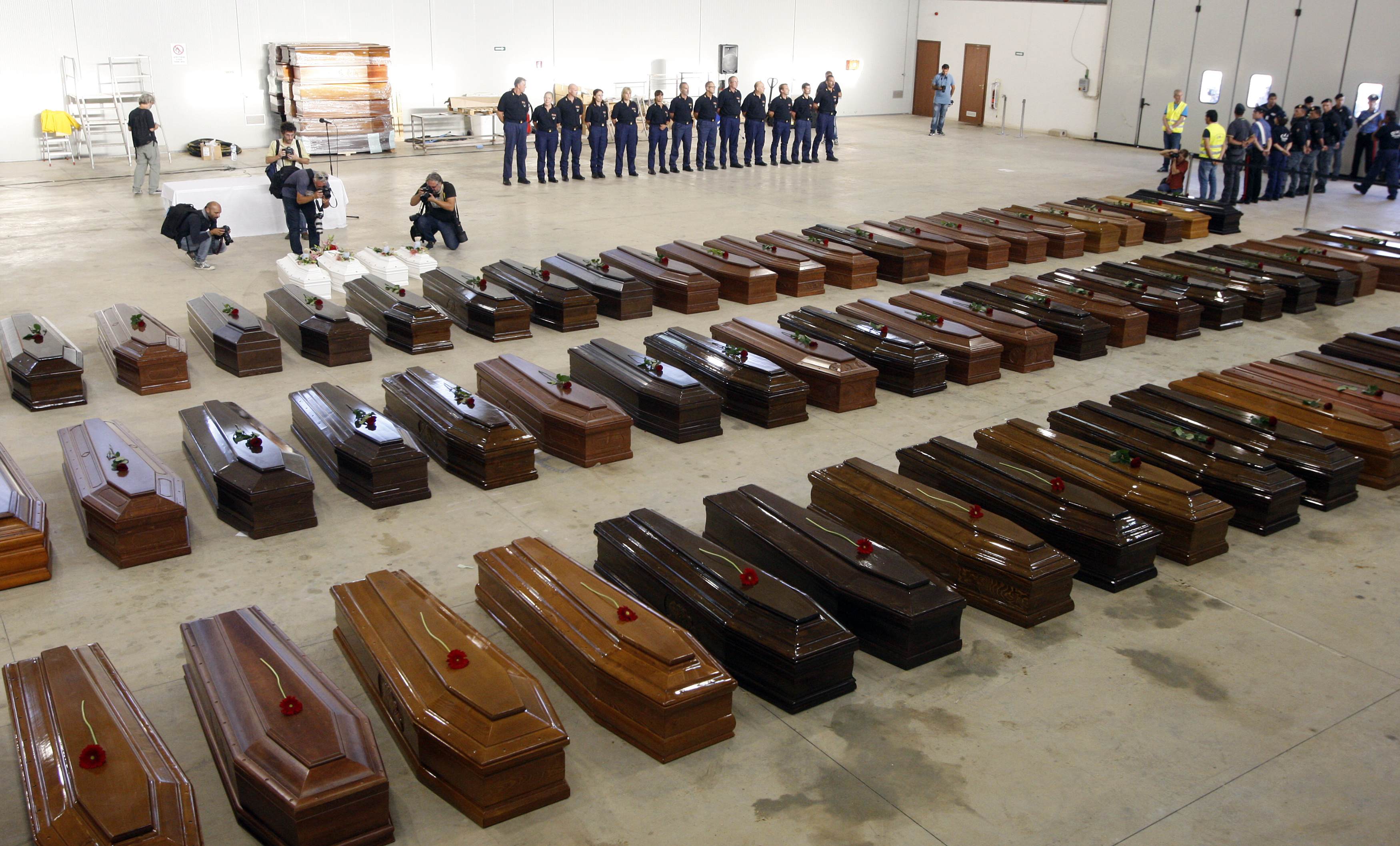
Another tragedy is always a matter of time. On September 12, a ship with African migrants sank off the coast of Malta. No one can accurately say how many people were on board this old trough, as usual, overflowing to capacity. But, as the survivors say, the count of victims is hundreds of. And human rights organizations, which have not yet had time to finish reporting on last year's tragedy near the Italian Island of Lampaza , reproachfully nod towards the Maltese authorities, who, in their opinion, showed sluggishness in the salvation of drowning.
It is too early to draw conclusions about the recent tragedy off the coast of Malta, but there is the fact that, compared to last year, the reaction of the authorities was still more adequate and operational, says Jean-Fransa Dubos , who is in the French branch of the International Amnesty for the refugee and migration program. According to him, human rights activists want to get from the EU countries to take measures against those who organize such flights using ships not intended for long -term swimming and so many passengers:
- The most part of those who cross the sea borders in the Mediterranean Sea are people who are fleeing from countries where massive human rights and armed conflicts occur. Their share among marine migrants already exceeds half. Such countries are Eritrea, Sudan, Somalia and, of course, Syria. On the ship, sank on September 12, there were Palestinians from Gaza. In other words, in the vast majority of cases we are talking about people who have no other choice, except to escape from their countries in finding a safe place of stay.
Some European politicians often ask the question: why do migrants do not remain in transit countries? Just because, Jean-France Dubos believes that in these countries their fate is sometimes even worse than in their homeland. In the case of the Syrians, for example, the neighboring Lebanon has already exceeded all its limits on reception of refugees. Egypt, on the contrary, is very strict about those, especially when it comes to Palestinians. Libya is in chaos - as a result, refugees become victims of humiliation, torture and murders there. According to Dubos, migrants have no choice but to escape to Europe, and the only path existing for this passes through the Mediterranean Sea. The rest of the paths, primarily leading through Turkey to Bulgaria and Greece, have been tightly blocked by the European Union in recent years. All these problems are paid to the current report of the International Amnesty:
“Although there are already a number of tools and international initiatives to organize the search and salvation at sea, many more problems remain unresolved, for example, the lack of coordinated coordination between Italy and Malta,” said Jean-France Dubos.
EU countries often cannot decide which of them should accept migrants on their territory or provide them with assistance at sea
The report says that the lack of such coordination jeopardizes the life of migrants who are trying to get to the European borders by the sea route, since the vessels used for this purpose are usually not intended for long -term swimming. EU countries often cannot decide which of them should receive migrants on their territory or provide them with assistance at sea. In many ways, for these reasons, a tragedy took place near the island of Lampeduz on October 11, 2013, the document says. Then negligence was allowed immediately from three sides. Firstly, the merchant ships, which were nearby, did not hurry to the aid of distressing the vessel with migrants. Secondly, the Italian authorities did not consider it necessary to oblige these vessels to help drowning people. Finally, the Malta authorities also did not take the proper measures to save people: having discovered a distressing ship, they considered that he was able to independently reach the shore.
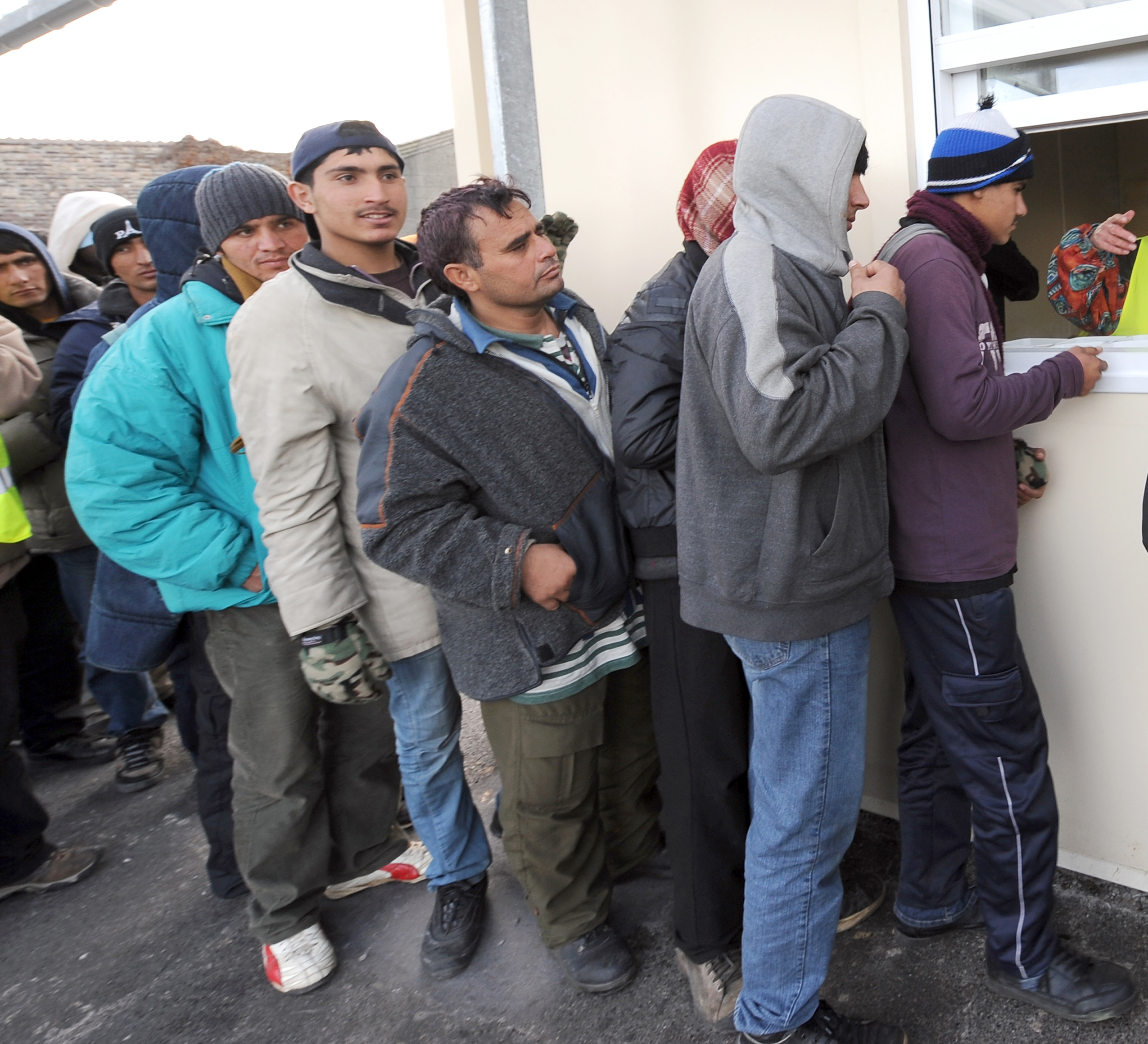
As for the difficult situation, in the last months of the Port of Kale on the shore of the La-Channel Strait, where riots have occurred in recent months, then the migrants who have been there-these are again mainly Erythangs and Syrians, says Jean-France Dubos. They seek to get to the UK, sometimes trying to get into cargo autofurgs , following the ferries through the La-Channel to the British Port of Duma. At the moment, about two thousand people are in the camp in Kal. Over the year, their number increased by more than 50 percent:
- Kale is a local example of a pan -European situation. There is a border, it is closed, control is established there, and, accordingly, there are people who try to cross it, just as they try to do this, for example, in Bulgaria, in Greece and on the Mediterranean Sea. The French are attempting to solve this problem. A special commission was created by the former Minister of Internal Affairs (now Prime Minister) Manuel Waltz to develop an adequate policy to protect the rights of migrants and refugees and to combat illegal migration-the so-called migrant traffic. But the results of its work will become known only in March 2015.
In any case, without support from Brussels and an equal distribution of responsibility, they think in the "international amnesty", the problem of migrants will remain unresolved for a long time.