
Translated material
We need one and a half land
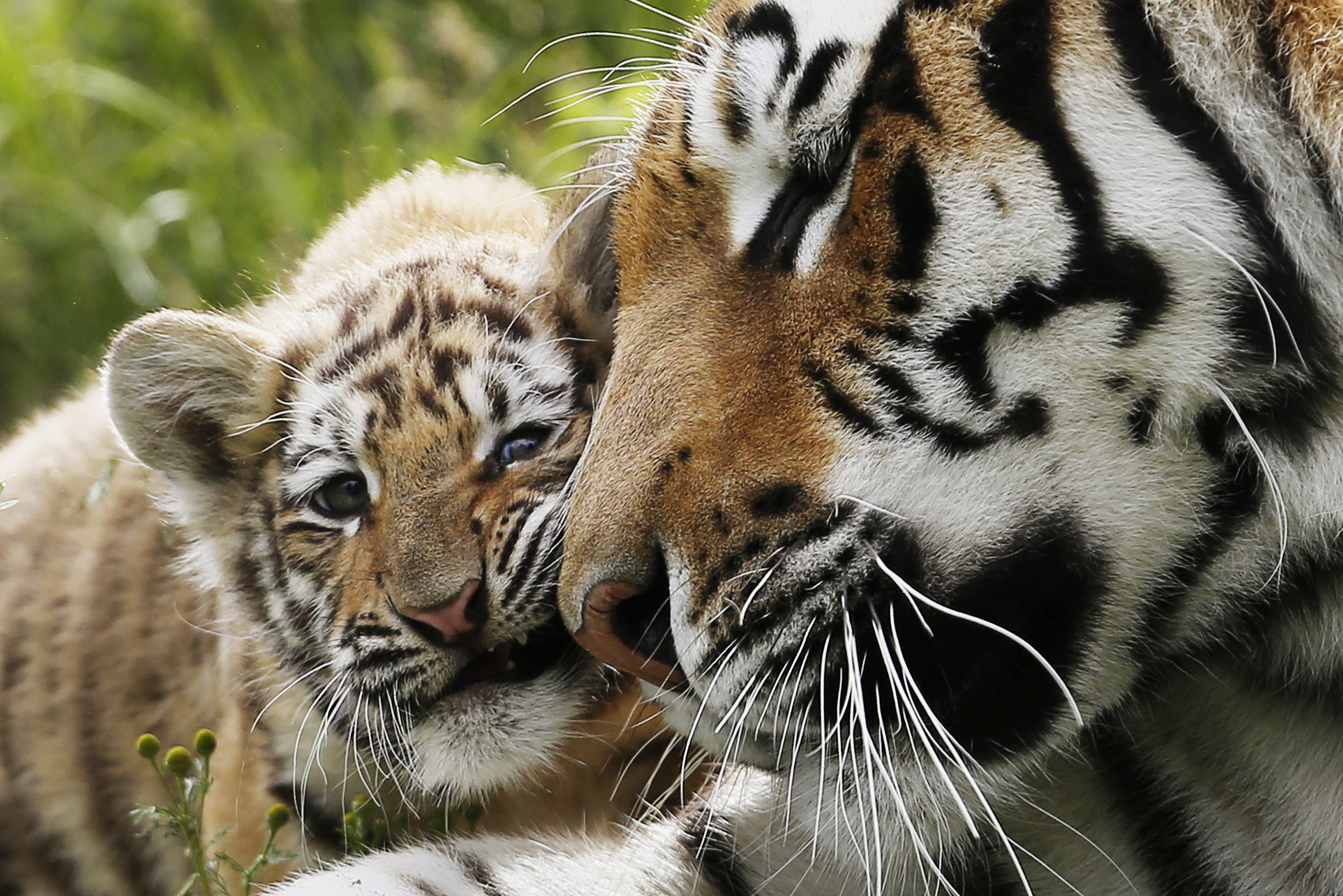
In the world there are more and more people and fewer animals. The planet can not stand this
Over the past decades, the number of populations of almost all wild vertebrates on Earth has halved. The fault of this is the activity of a person who consumes one and a half times more than the planet can give. Such data are published in the report of the World Wildlife Fund .
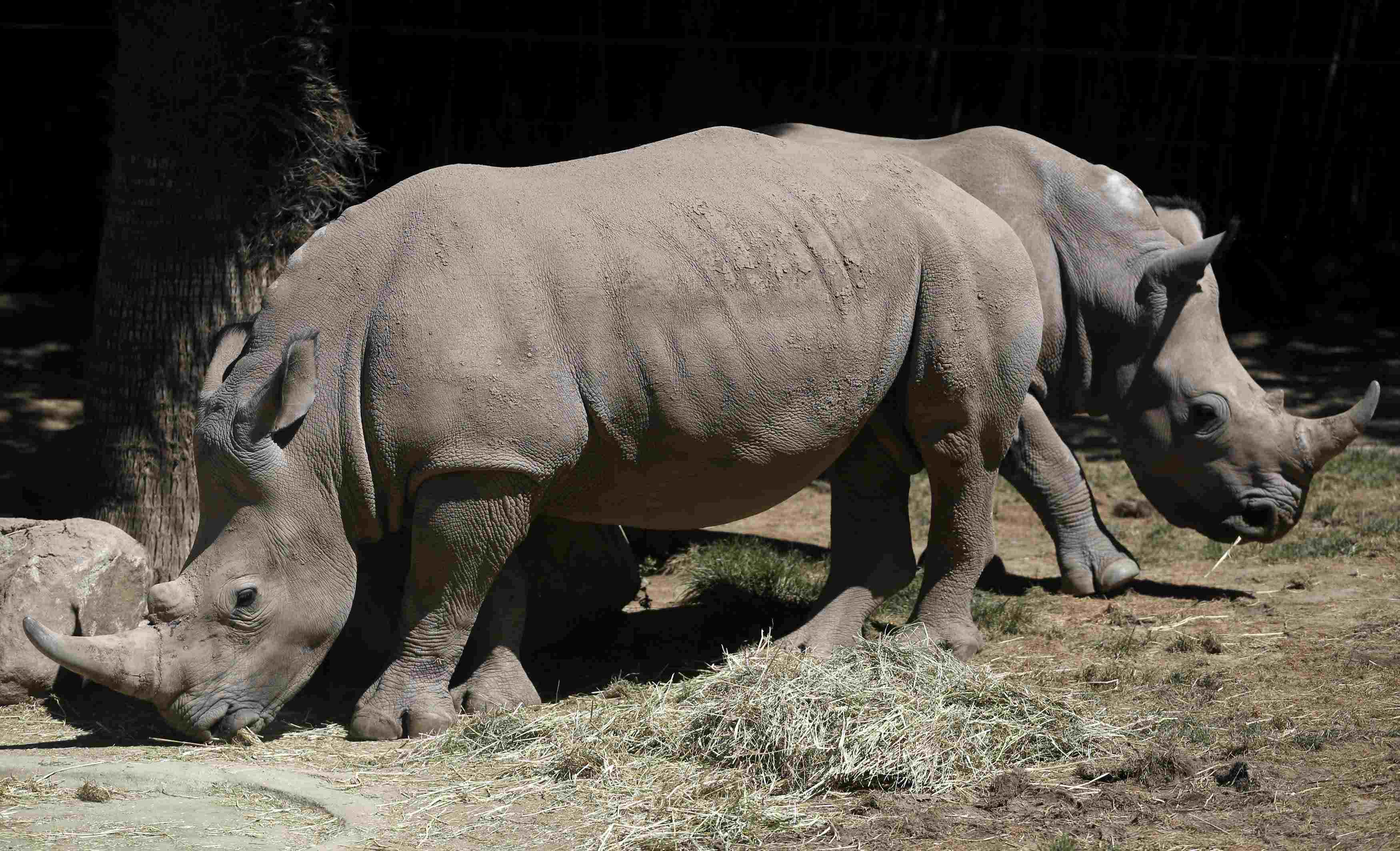
From 1970 to 2010, the number of populations of wild vertebrates decreased by 52 percent, the last report of the World Wildlife Fund said. Freshwater species were most affected - the number of their populations decreased by 76 percent, while marine or ground species - by 39 percent. The worst of all things are in South America: there the number of populations decreased by 83 percent. It is catching up with the Asia-Pacific region. In Russia, Europe, North Africa, the so -called "living planet index" fell by 30 percent.
Among the main threats to the wild nature, the Fund has identified pollution, illness, deterioration and animal loss of habitats. The main reason for a sharp reduction in numbers in the past half a century is that consumption growth is significantly ahead of the Earth's ability to reproduce resources. This is especially true for water. Do not forget: the number of people over the same last 4 decades, on the contrary, has almost doubled.
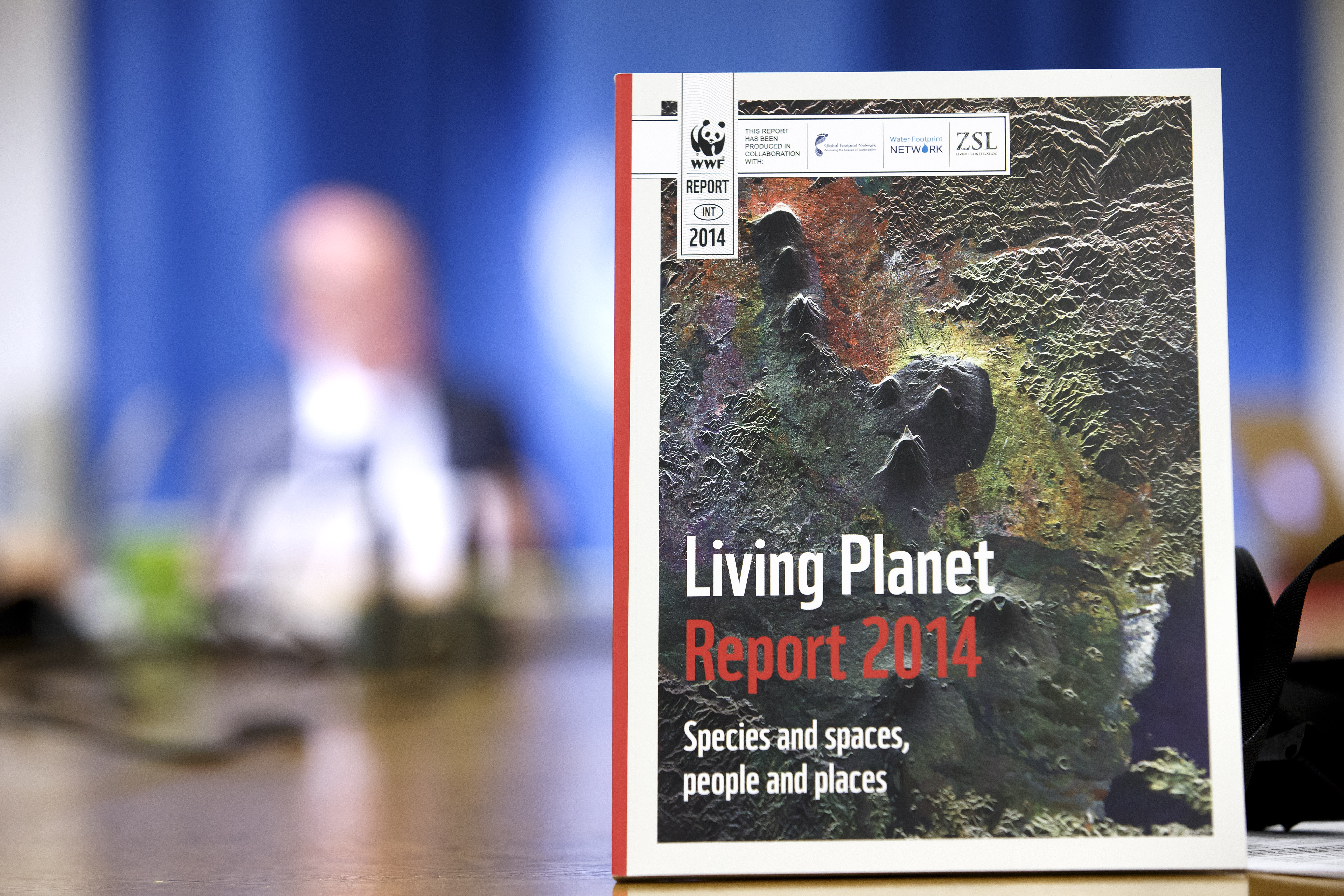
For clarity in the fund, they say: in order to make up for natural resources in the current conditions, one and a half land would be required. By the way, the updated data data differ significantly from the previous ones - two years ago. Earlier it was assumed that the decrease in the number of populations is not so fast. The 2012 Foundation report refers to the reduction in the number of animals by 1970 by 28 percent, not 52 percent. The case is the improvement of analysis methods - scientists explain. And they add: in the future, the state of the planet will only worsen. However, existing trends can be broken. For this, the wildlife fund gives difficult options for solving this problem. According to the “principle of one planet”, it is necessary to restore impaired ecosystems, reduce the consumption of resources and waste and consume more reasonably and fairly.
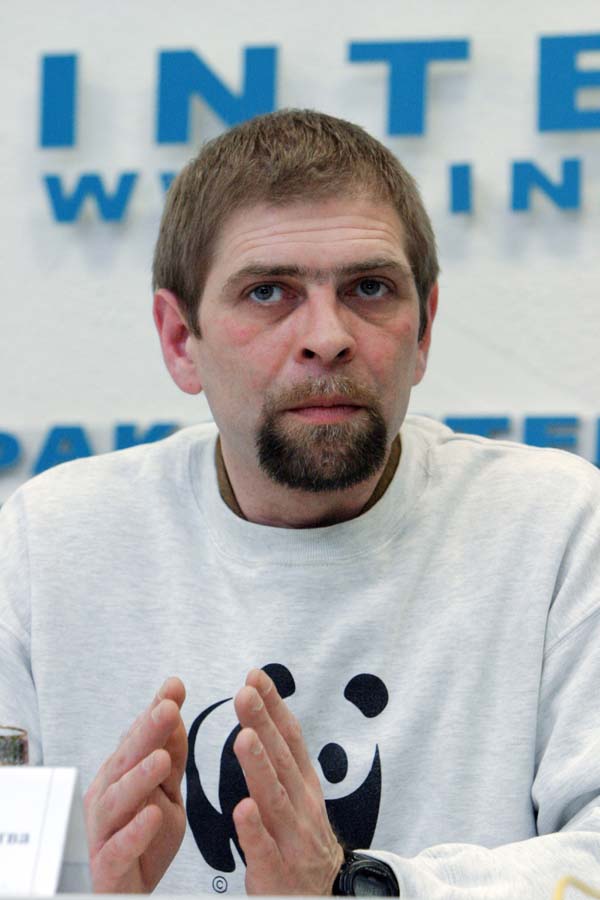
Read more about the reduction in the number of animal populations Radio Liberty was told by the head of the World Wildlife Fund in Russia , Igor Chestin:
- Almost every species of animals includes several, or many, populations. We consider the reduction not just by type, but by specific populations. Well, for example, a brown bear lives in North America, in Europe and Asia, and to count the bears as a whole is how to determine the average temperature in the hospital, so it is important to count the bears separately in North America, in Europe and Asia.
- Is it true that, according to your subjects, animals over the past 50 years have become half as much on Earth?
- Yes, but we are talking about those living creatures, the populations of which we have the opportunity to follow. In total, there are about 10 thousand populations in the world of about 3 thousand animal species. Not all types of animals are recorded, and even more so in large areas. Therefore, we take into account only those data that we consider reliable by which we can compare between countries, and so on.
- Human activity is the main reason for the reduction of animal populations? Or one of the main ones?
- This is the main reason. The problem should be considered in a very wide angle: this is a reduction in habitats due to their transformation into any agroslandscapes, into urban landscapes, and this, of course, is a direct extermination of animals.
- Over the past half a century, the population of the Earth has increased by about doubled. It turns out that a person actually displaces animals?
We do not know about the extinction of many species of living beings, because they simply did not manage to describe them as independent species. This primarily applies to invertebrates, insects
- Of course, it displaces, especially if we talk about the situation in Asia and Africa. Now too many people live there. I have just been to Bangladesh, this is a country in size in almost two Moscow regions of everything, and with a population of 150 million people. It is clear that these people are doomed to live in poverty all their lives, if you do not take reasonable and strategically planned measures to reduce the population. This country is simply not able to support so much of the population. It also depends on the type of consumption: six such as the Earth are needed, if everyone in our world lives as the average subject of Kuwait lives. If we talk about Americans - four planets, about Russians - two. In the same Bangladesh, of course, it would be necessary to distribute the population differently, since there is an extremely low level of consumption. The population plays a role, of course, but the nature of consumption is determining.
- Judging by your report, it is necessary to significantly expand the Red Book ...
- At the same time, keep in mind that we simply do not know about the extinction of many species of living beings, because they simply did not manage to describe them as independent species. This primarily applies to invertebrates, insects. Well, of course, more vivid examples of endangered species in animals are known - this is a tiger whose number decreased by more than 30 times in the last hundred years; Saigak, the number of which is now in Russia simply at a catastrophically low level. Only a few thousand animals are left - despite the fact that their number reached at one time to 330 thousand. And there are quite a lot of such examples. The expansion of the Red Book is one of the formal measures, but this does not solve any problems. The animal does not even suspect this that he was recorded in the book. The question is what measures are taken ...
- About the species of animals you mentioned. Tigers are defended by the President of the Russian Federation himself. As for the saigas, it was, if my memory serves me, and the Kazakh large program, and Russian experts worked. It turns out that the invested efforts are not enough?
- As for Kazakhstan, the situation is being straightened there. There was really the largest herd of saigas, it reached a million heads, then the livestock decreased to 25-30 thousand. But specialized protection measures, the development of which the World Wildlife Fund took part, made it possible to bring the population to about 300 thousand individuals, and it is growing. There are no miracles in the world, but if there is normal animal protection, everything turns out. Unfortunately, in the Russian Federation there are no normal protection of saigas.
Vladimir Putin saves the tigress
- “Normal protection” - apparently, are keywords in general for the whole problem?
- This is one of its components, very important, and first of all, protection is important for those animals, the main reason for the reduction in the number of which is direct extermination. But no less important is the preservation of habitats. It’s quite difficult with this. This should be not only specially protected natural territories, there should be a comprehensive control of landscapes, which would support the necessary number of wild animals, and not just home ones.
- Your report made a rather strong impression on me, I did not suspect that the situation was so deplorable to such an extent. You were surprised when you compared new data with the results of your previous studies that were not so dramatic?
We are one and a half times higher than the ability of the biosphere to support us, and several years ago we said that 1.3 times
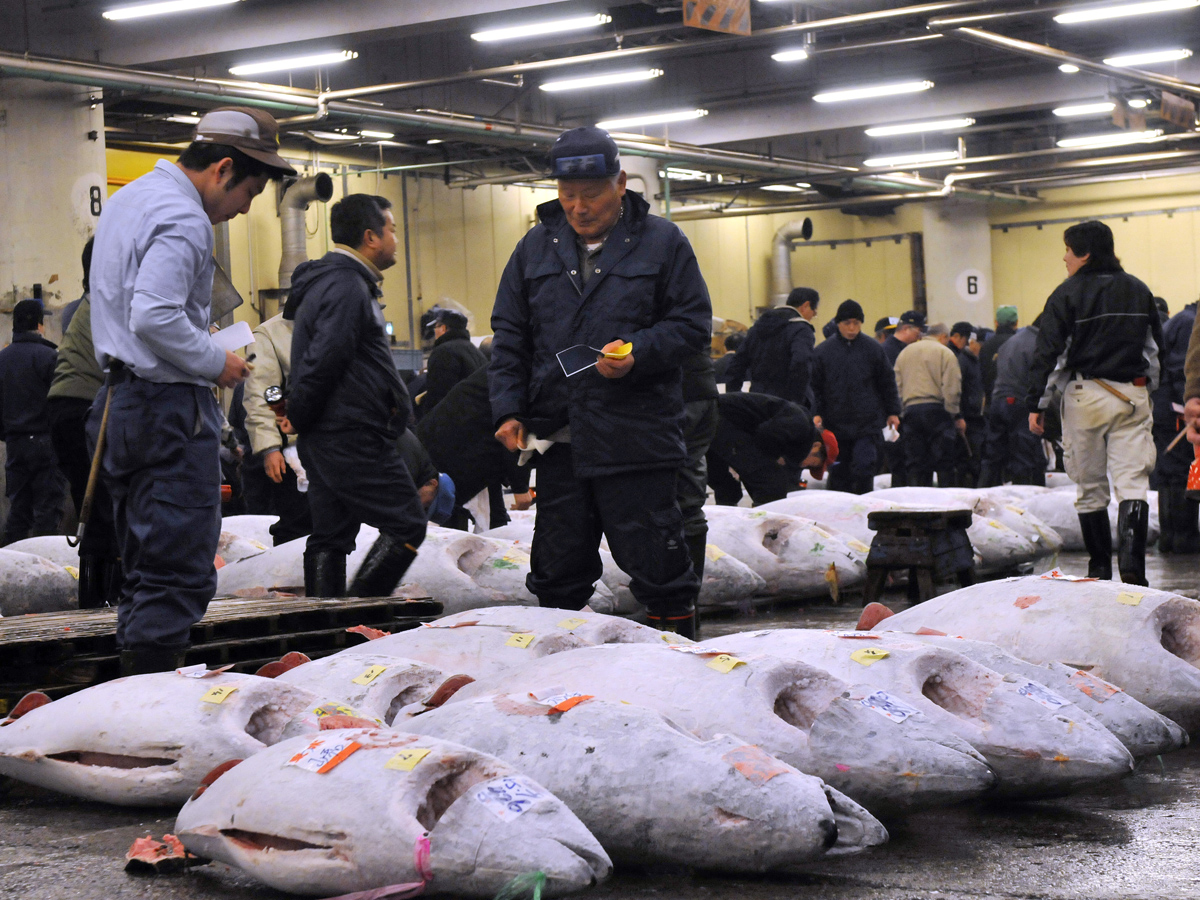
- They were also quite dramatic. Now we are saying that we are one and a half times higher than the ability of the biosphere to support humanity, and several years ago we said that 1.3 times. That is, this, in general, is not just some kind of surprise. It is sad, of course, that while everything goes down, everything worsens in general in the world. In certain countries there are also reverse examples, but if we talk about the whole about the planet, the situation worsens. After all, we are more dependent on the planet than people sometimes think about it, especially people living in cities: these are fishing, forest, and the ability of the natural environment to absorb those waste that we produce as a type. We are now very much sorting out this potential of the Earth, as well as natural resources. For example, approximately 70 percent of world fish reserves that are involved in commercial use are “transferred”, that is, their number is reduced.
This will lead to the fact that gradually the food will rise in price, and more and more money will leave to compensate for the fact that the planet cannot digest waste. Science, culture, health care will suffer, will be discussed that most of the GDP will be required in order to compensate these negative consequences - at the expense of, of course, other development programs. At some point, if we do not begin to correctly regulate, including the issue of the number of population, the planet itself will do this. It will simply be uncontrolled regulation of the number of species, in this case, a reasonable person.
- Proper regulation, first of all, seems to me, implies the redistribution of expenses and a change in priorities.
- either the world order should change, or it is necessary to spend more on compensation for natural costs, and not on development. It is necessary to talk about this at least more, and then, perhaps, public opinion at some point will come to the fact that, for example, you can’t ride cars with three-liter engines, one and a half liter are enough. In order for the scale of the problem to convey to the general public, reasonable consumption must, inter alia, become a fashion trend.
If we now do not begin to correctly regulate, including the issue of the number of population, the planet itself will do this
- That is, a reasonable consumption strategy is needed, in other words?
- The strategy, perhaps, is already, you need real measures to ensure that this consumption becomes reasonable. These measures are complex-there are some purely cultural moments, some things require consolidation in the legislation. It is necessary to invest in educational programs, especially in countries with the rapid growth of the population - since there is a reverse universal dependence between the number of children in the family and the level of parents' education. These are such simple measures that are added to what we discussed in the beginning of the conversation - to the protection of animals and the restriction of urban and industrial land use, ”said Igor Chestin, head of the World Wildlife Fund in Russia.
Fragment of the final issue of the Freedom Time program
-

Dinara Setdikova
Information Service editor of the RS
-


Andrey Shary
I.O. Regional Director of Radio Free Europe/Radio Liberty for Russian -Sound Content
Andrey Shary on Facebook
Sharya@rferl.org