
Translated material
Hooligan with a nuclear button
What is the danger of Russia's desire to make a threat to the use of nuclear weapons part of foreign policy?
In Washington, at the US Gudzon Institute - one of the leading international research centers - a conference was held on the issue of nuclear threat from Russia. According to experts participating in it, the intimidation of the Russian authorities of other countries by the possibility of using nuclear weapons can still be effective, even despite the "doctrine of mutual destruction."
Russian aggression in Ukraine, the Kremlin’s constant reminders that Russia is a nuclear power, the desire of Russia to modernize its nuclear forces - all this questioned the security system established in the world since in 1968 an agreement was adopted on the non -proliferation of nuclear weapons , says the senior researcher at the Hudzon Institute , Willyam Schneider :
The countries that abstained from the creation of nuclear weapons must be sure that they are protected by the American "nuclear umbrella"
"The purpose of this agreement was to create new norms of behavior in the international arena, which provided not just the non -use of nuclear weapons. These norms also provided that the five countries that were then considered nuclear powers would refrain from using their nuclear arsenal to provide pressure on those countries that have no nuclear weapons." However, over the past year, Schneider notes, Russia made its nuclear arsenal part of aggressive rhetoric in relation to neighboring countries, and this affects the interests of the whole world: “This directly concerns the very essence of the American and global nuclear policy policy, which is based on the concept of expanded nuclear deterrence. In view of the fact that Russia continues to integrate the threat of nuclear weapons into its foreign policy, there The countries that abstained the creation of nuclear weapons must be sure that they are protected by the American "nuclear umbrella" and that American nuclear weapons will continue to remain a restraint tool that will prevent the attack with the use of nuclear weapons from any state and Russia in particular. "
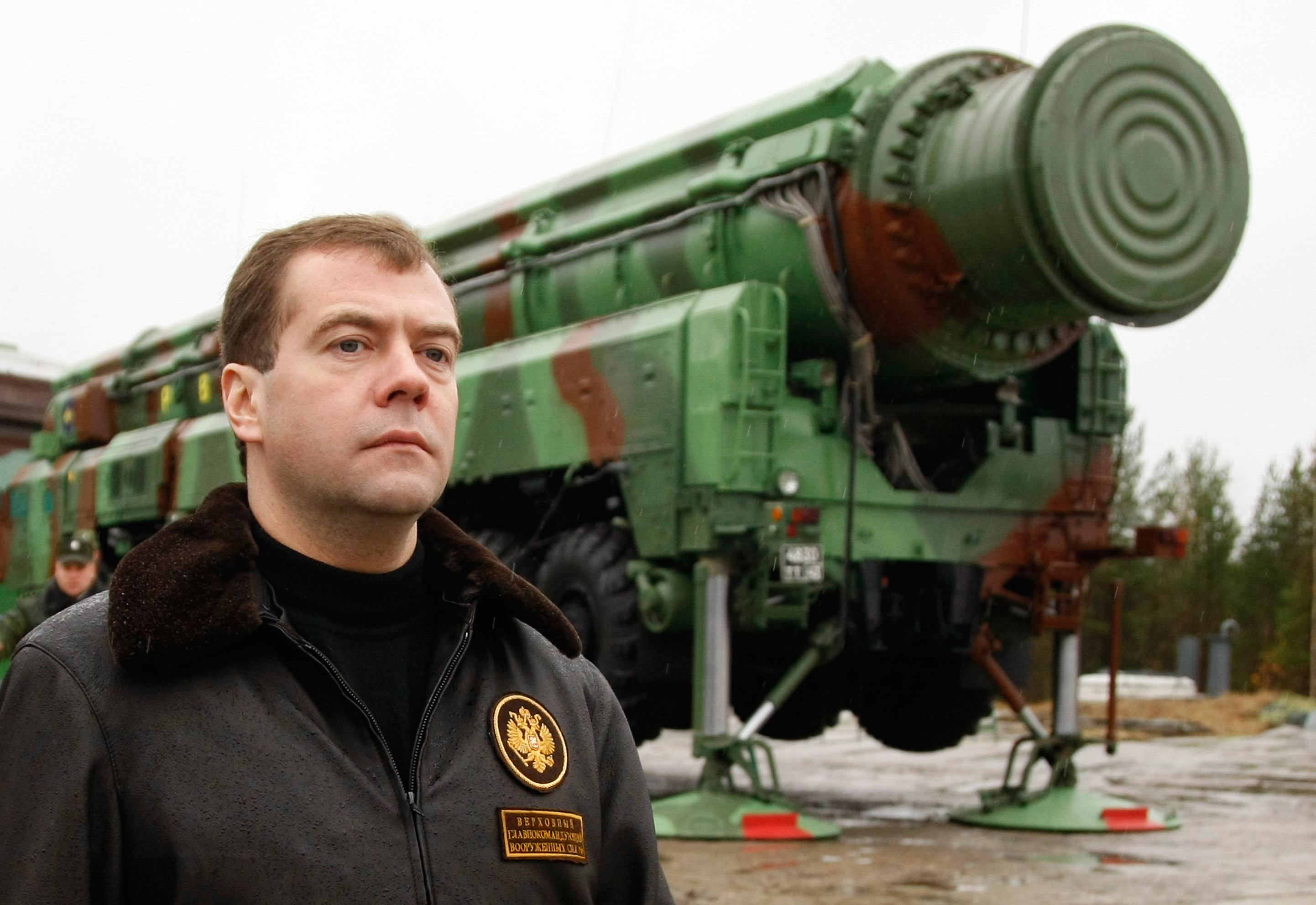
The actions of Russia have already destructively affected the norms established by the 1968 agreement, and led to the fact that in at least three European countries they began to talk about the possibility of creating nuclear weapons. This is Poland, Ukraine and Türkiye. As for how the actions of Russia in the field of nuclear weapons can directly affect the United States, William Schneider believes that we are talking first of all about the fate of a number of American-Russian agreements on nuclear weapons:
"Russia is modernizing its nuclear forces. The Russian leadership plans to complete this process by 2020, and this process provides not only the improvement of existing nuclear missiles, but also the creation of a whole generation of new nuclear weapons."
The Russian program, according to William Schneider, contradicts the goals of the American-Russian START-III agreement , which was conceived as a step towards a complete abandonment of nuclear weapons. Moreover, the expert claims, Russia, despite the fact that it denies this, violated the terms of the agreement signed in 1987 on the liquidation of medium and short -range missiles, and an intercontinental ballistic missile with three combat blocks was also tested in Russia.
The European participant in the conference at the Gudzon Institute, the Executive Director of the Wilfred Martens Roland Fraidenstein Center for European Studies says that if the threat of nuclear weapons is part of the Russian foreign policy, then Russian President Vladimir Putin masterfully played a nuclear card and has already achieved the desired results. Freudenstein compares Putin’s actions with tactics, to which street hooligans resort to fights in fights:
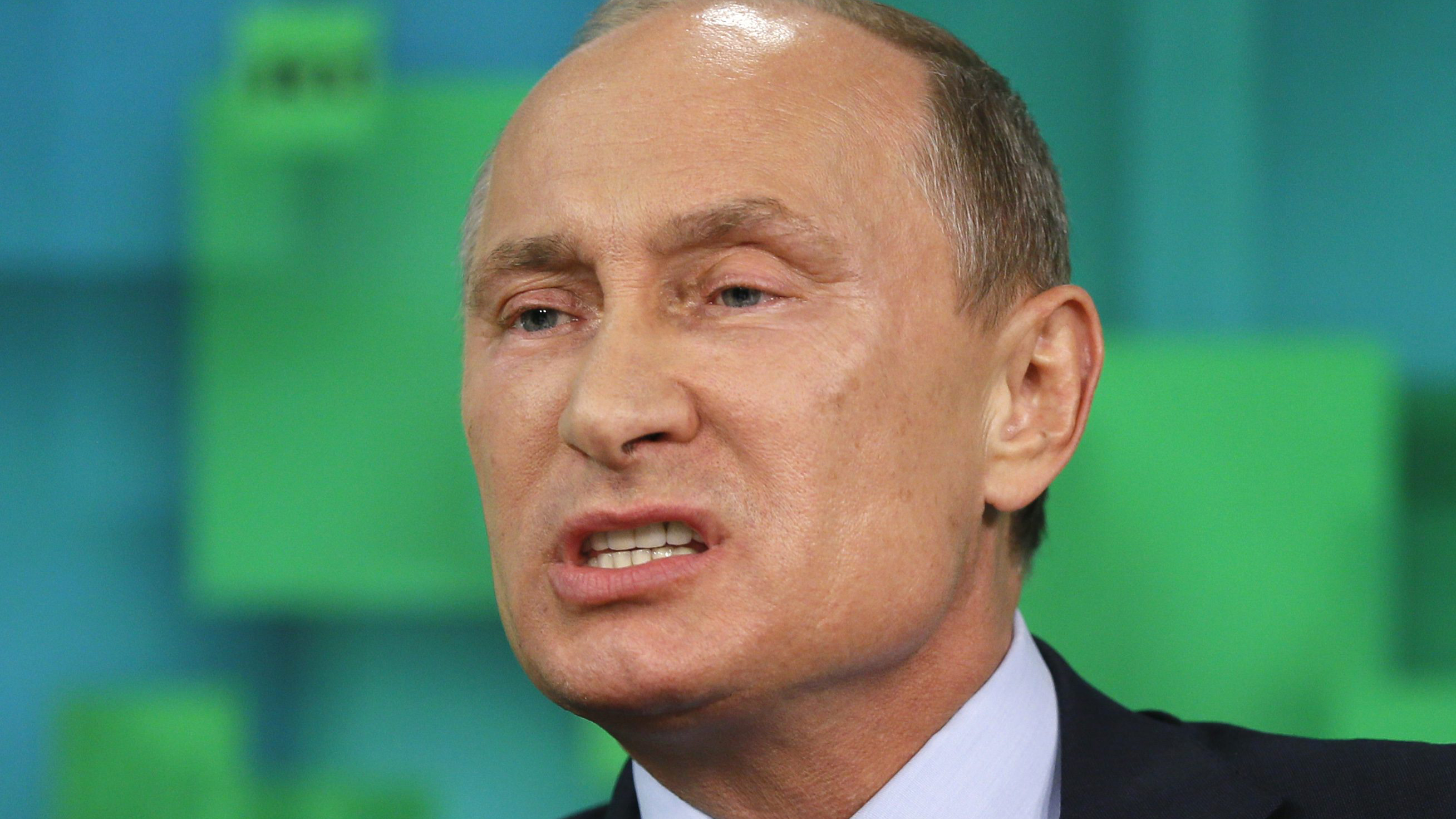
“Firstly, the Russian authorities understand that in order to win at all the most powerful physically, but you need to know what kind of enemy’s pain points you can put pressure on. Secondly, they always leave the opponent a chance to retreat. Having hit him in the face, they say: do you want to get more or let's talk? And finally, thirdly, hooligans have amazing weapons. The threat and ability to notice the fear in the eyes of the rival.
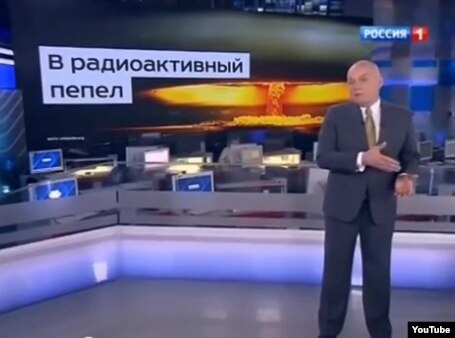
Freudenstein gives an example a reaction in Germany to the famous statement of Russian journalist Dmitry Kiselev that Russia can turn the United States into a “bunch of radioactive ash”. This statement of Kiselev fell into the headlines of the first lanes of German newspapers and among the main topics discussed on German television. Gazeta and television materials were accompanied by fear that inspiring fear and rockets heading to the target. The expert recalls that 20 American B-61 nuclear bombs are now placed in Germany, which need modernization. Until now, public opinion in Germany has been inclined to make the country nuclear -free. However, one of the consequences of Russian aggression in Ukraine and the reminders of its nuclear power coming from Moscow was that the debates on this subject in Germany have faded into the background, says Roland Freudenshtein: “Bombs are still in Germany, on the one hand, I do not see any signs that there will be a serious discussion of their modernization, on the other-I also do not see any signs of further attempts from these Get rid of bombs. "
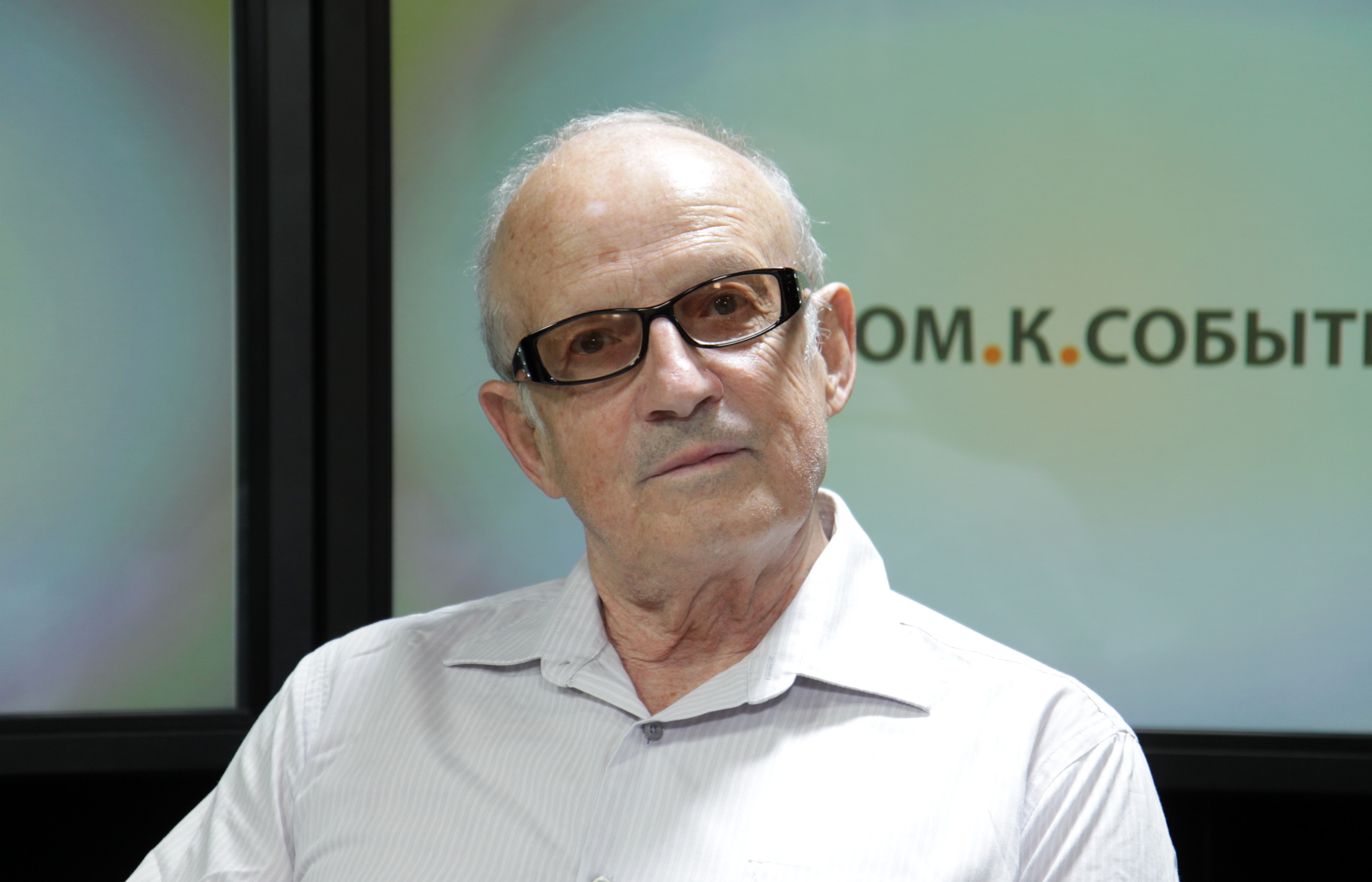
Pocican participant of the conference, political analyst Andrei Piontkovsky notes that the threat of nuclear weapons clearly fits into the concept of the so -called "Russian world" proposed by Vladimir Putin, which, among other things, implies the right of Russians of ethnic Russians or simply Russian -speaking in other countries: "Constant reminders of nuclear weapons are an integral part of this whole Putin, Shoigu and Rogozin, contains the phrase: "Do not forget that we are a nuclear power." During the Cold War, the mutual guaranteed destruction doctrine is still effective, and the first blow to the nuclear weapon is a suicide act, however, says Piontkovsky, this does not mean that the aggressively tuned nuclear power will not use his nuclear weapons for threats and blackmail in regional conflicts. destabilizing the situation in Estonia:
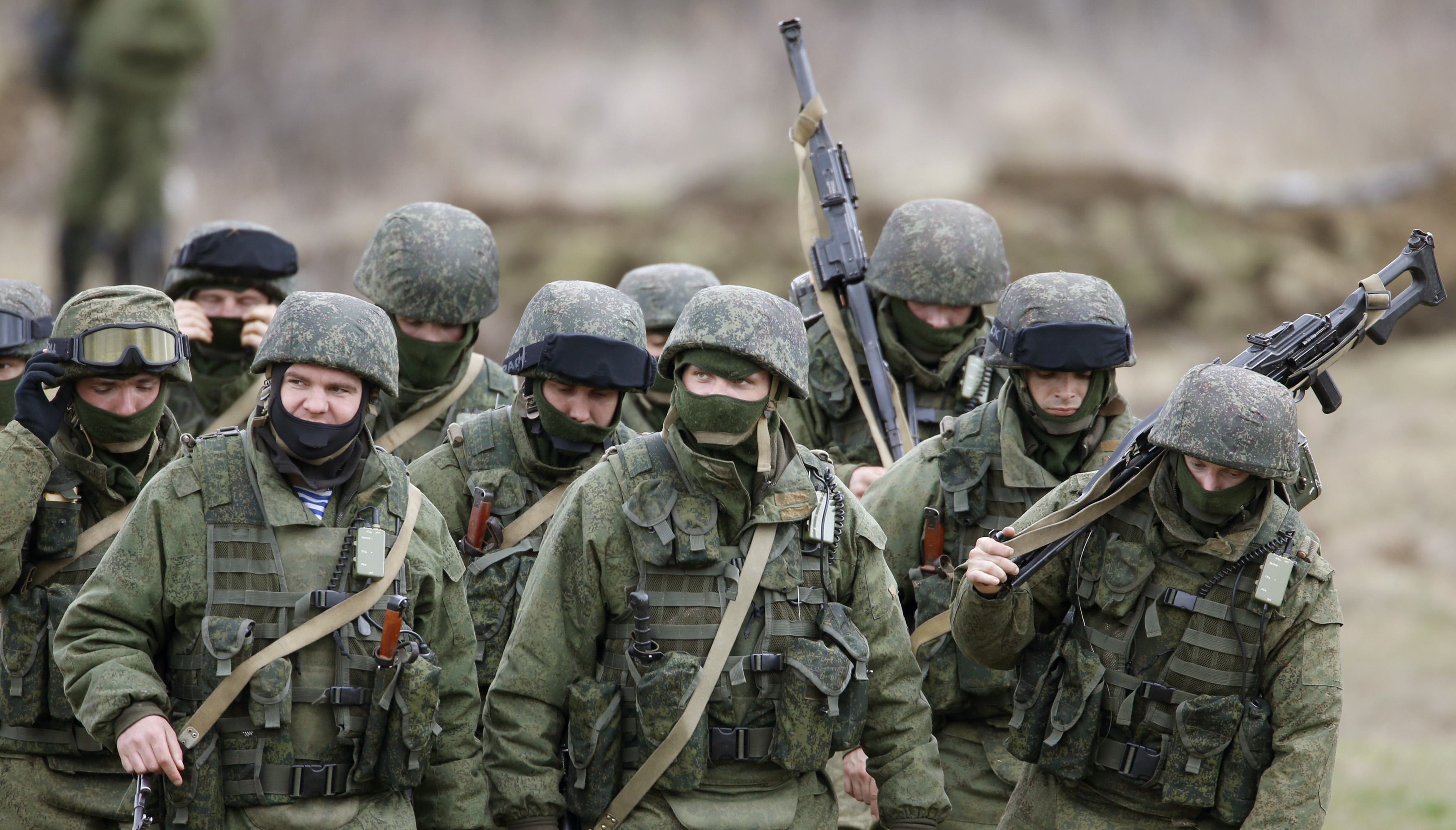
"Imagine that one fine day in the Estonian city of Narva, where most inhabitants speak Russian," polite people "appear in green uniforms, hold a referendum and say: this part of Estonia has historically belongs to Russia. In response, the Estonian government, according to the fifth charter of NATO, appeals to this union for help. If NATO agrees, then the usual forces of NATO are significantly superior to Russian. Then. Putin directly or in private conversations with the leaders of European countries states that, they say, we understand that we are opposed to the power of our army, but we are ready to use nuclear weapons if we are tried to remove the reaction of Western politicians from the Estonian territory? ”
It is difficult to answer this question, according to Andrei Piontkovsky. But, in his opinion, most citizens of Europe and the United States are unlikely to be ready to give their lives for Narva. Therefore, if such an option someday really happens, the West will turn to an inconceivable complex choice: either surrender, which would mean the end of NATO and the current world order, or the possibility of a nuclear war with Russia. The only option for the West is to make every effort to never come across such a choice. And for this, Piontkovsky believes, the West needs to use all possible economic and political tools in order to prevent the idea of the “Russian world”.