
Translated material
"We are the people!"
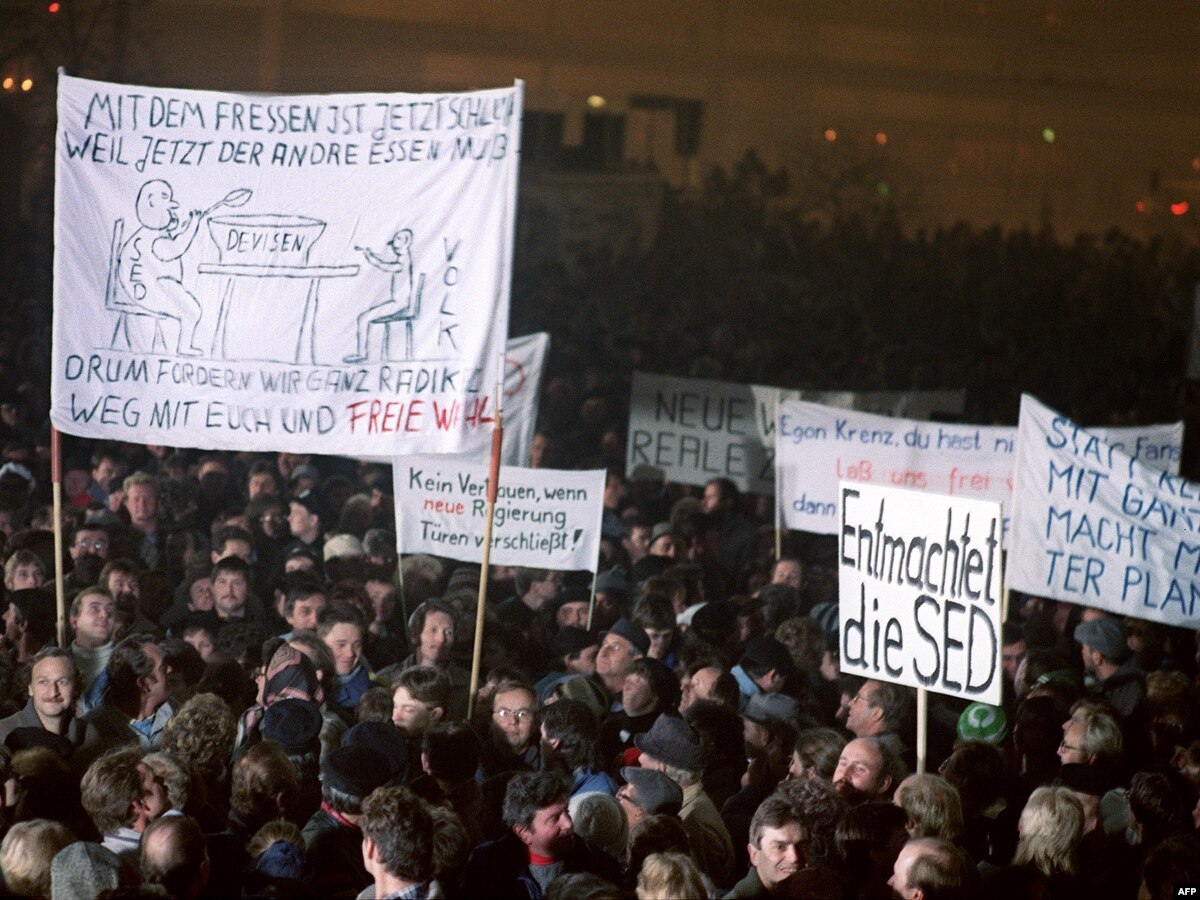
Germany celebrates the 25th anniversary of the beginning of mass demonstrations that led to the collapse of the GDR
On October 9 , solemn events were held in Leipzig, dedicated to the 25th anniversary of the demonstration of the residents of the city under the slogan " We are the people! " This demonstration, in which, then, in the fall of 1989, 70 thousand people took part, designated a high -quality fracture in the moods of citizens of the then GDR and brought the end of the communist regime.
Mass demonstrations, the number of participants of which was constantly growing, began in the GDR in September 1989. It is interesting that these protests in the form of the so -called "demonstrations on Mondays" began and took place not in the capital of the GDR - East Berlin, who joined them later, but in provincial cities.
The first such demonstration was held on Monday, September 4, 1989, in Leipzig, when after a preaching of the pastors of the Lutheran Church of St. Nicholas, 1,200 people, most of whom did not fit in the church building, held a march under the slogan "We are people!" (In German "Wir Sind Das Volk!") With the requirements of civil freedoms and the opening of the borders of the GDR. The demonstration, which passed in a week, caused the reaction of the authorities, more than 50 people were arrested. But a month later, 70 thousand people have already entered the central square of Leipzig.
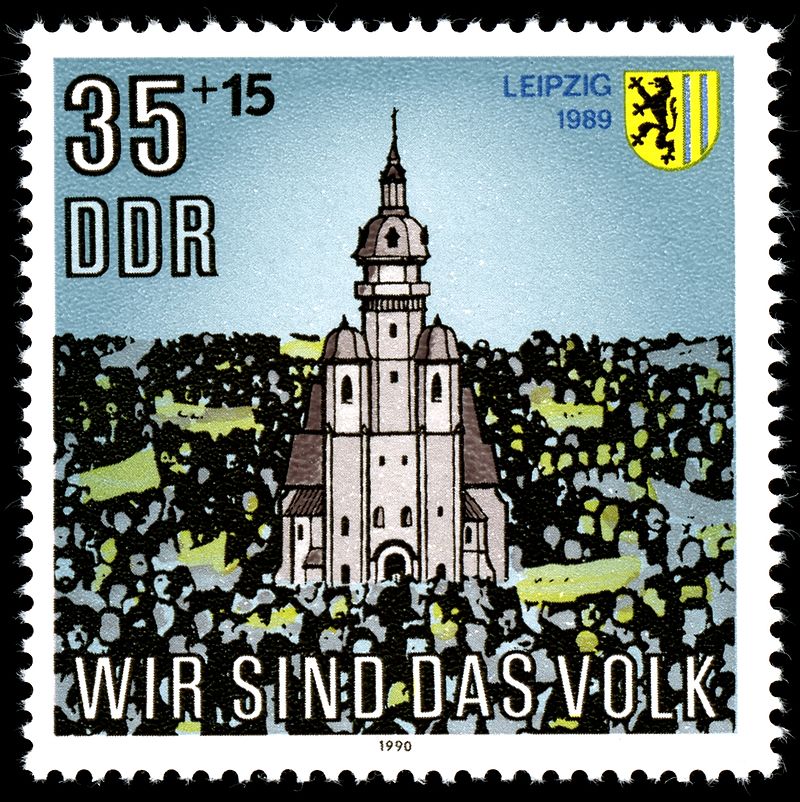
Gradually, “demonstrations on Mondays” began to be held in other large cities of the GDR-Dresden, Galle, Karl-Marx-Stadtt (now Hemnitsa), Magdeburg, Plauena, Arnstadt, Rostok, Potsdam, Shverin. The demonstrations ended in March 1990 - shortly before the first free elections in the GDR.
The slogan of the demonstrators was "We are the people!" And the belief that the Soviet leader Mikhail Gorbachev will not use force against folk movements in the East European satellites of the USSR. Therefore, the demonstrators also chanted the name of the Soviet leader, shortened in English, “Gor-Bi! Gor-bi! Gorbi!” A month remained before the fall of the Berlin wall , but it became a month of concessions of the authorities.
An important role in organizing the then performances was played by the church, both Protestant and Catholic. The pastors of several churches of Leipzig deliberately allowed the use of worship for the collection and self -organization of people. According to Marcus Mekel , the Minister of Foreign Affairs of the GDR in 1990, " the church was the only place for free communication and reflection . "
In Leipzig, a tradition for a long time exists annually on October 9 to remind you of a 1989 demonstration by illumination - a holiday of light. This year, this holiday is a record scale. The city authorities adopted tens of thousands of guests, including the president of the country, Joachim Gauk, presidents of Hungary, Poland, the Czech Republic and Slovakia. The former US Secretary of State James Baker also made a short speech. The holiday is a reminder of courageous and non -violent protest, which led to serious changes. On October 16, 1989, a demonstration in Leipzig gathered 120 thousand people, and a week later, according to some reports, about 320 thousand - most of the city's population. The troops introduced into the city in order to avoid bloodshed were left in the barracks.
The events of October 9, 1989 and what was followed by, recalls their active participant, until 2005 the pastor of the Leipzig Protestant Reformed Church in the city center, and the subsequently public figure Hans-Jurgen Zivers :
- I thought then, on October 9, that if the authorities did not shoot in the crowd, then certainly the next day the tanks would be introduced into the city and martial law will be announced. But nothing of the kind happened. Another thing happened, what was difficult to expect. In fact, although we did not immediately understand this, starting on October 9, the GDR authorities retreated step by step, and we began to understand that we should not stop the pressure on the system. But the fact that she will fall in a month is so far from our fantasy did not extend then.

It is amazing that with all the mistakes that we could make then, we did almost everything then right. And they helped that society could come to other forms of self -organization and management. If you look with what curvatures and difficulties such processes went in other countries, then what a happy lot fell to us, the Germans! We received a single country and society at once, where life flourishes again, and people can freely think and act. I am very grateful for everything that happened then.
The Church, in which Hans-Jurgen Zivers served, became October 9, 1989 with the consent of the pastor and his wife, the place of the first filming of protests. These personnel then fell into the west. Already at the end of October, the long -term head of the GDR Erich Honecker resigned, and on November 7, the communist Prime Minister Willy Shtof . On November 9, the Berlin Wall was injected. The new leaders of the still existing GDR quickly lost real power and could no longer resist the processes that soon led to the unification of Germany-and not in the form of the Confederation, as Honecker dreamed, but to the merger with West Germany according to the script of the leaders of the Federal Republic of Germany- Helmut Kolya and Hans-Ditrich Gensche .
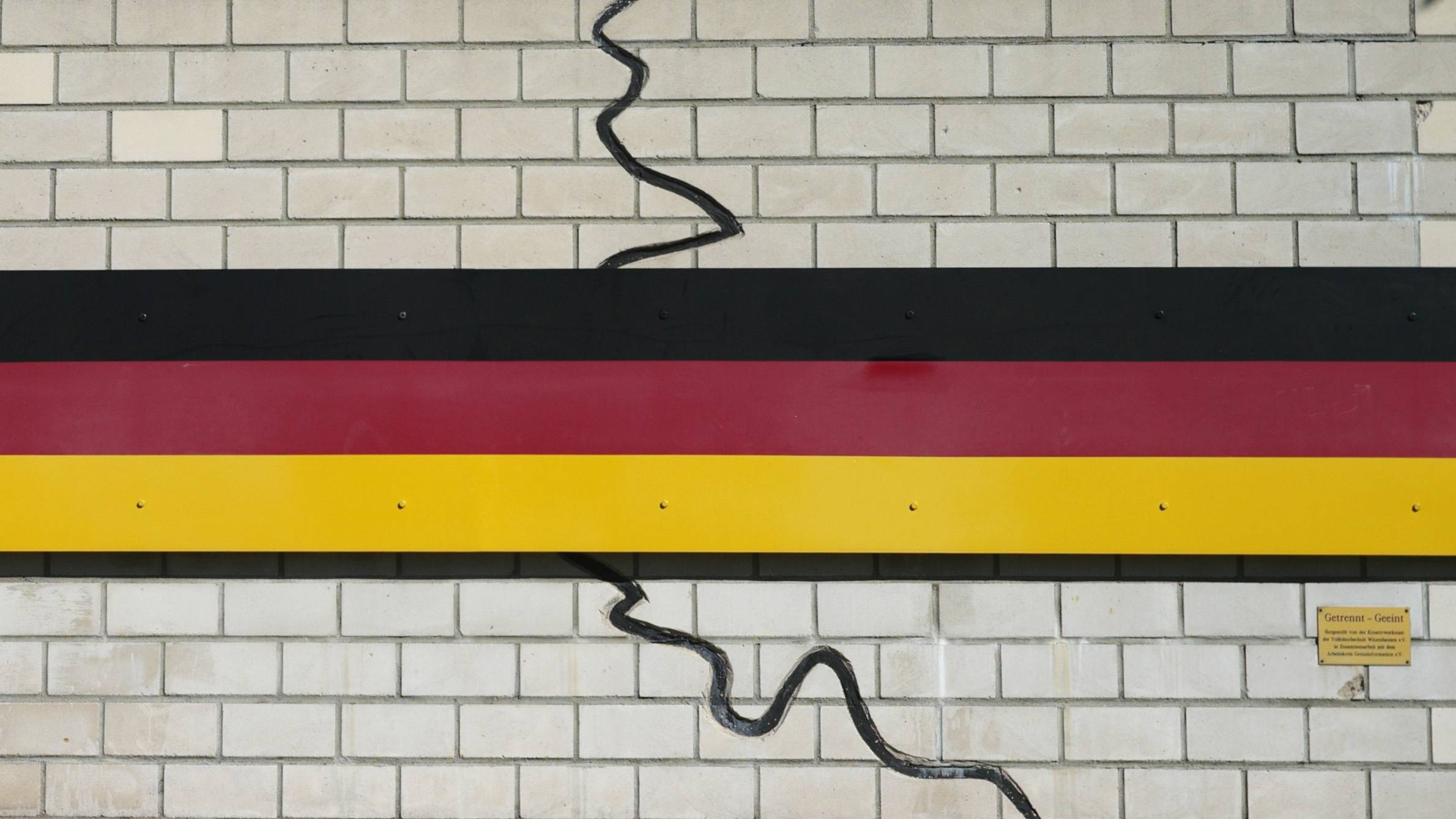
Demonstrations had a huge impact on political processes in the GDR. They first led to the formation of democratic associations, and then on their basis of new parties, such as the "new forum", the Social Democratic Party or "Union 90", which played an important role in the unification of Germany.
The peak of the current holiday in Leipzig on the evening of October 8 was the 1989 demonstrators with a capacity of 70 thousand watts. This work of the Cologne light designer Misha Kubal is represented on Vilhelm-Leshner-Plaz.
-

Yuri Veksler
Foreign Correspondent of RS in Germany Mirgor2017@gmail.com