
Translated material
Two brothers - two premieres
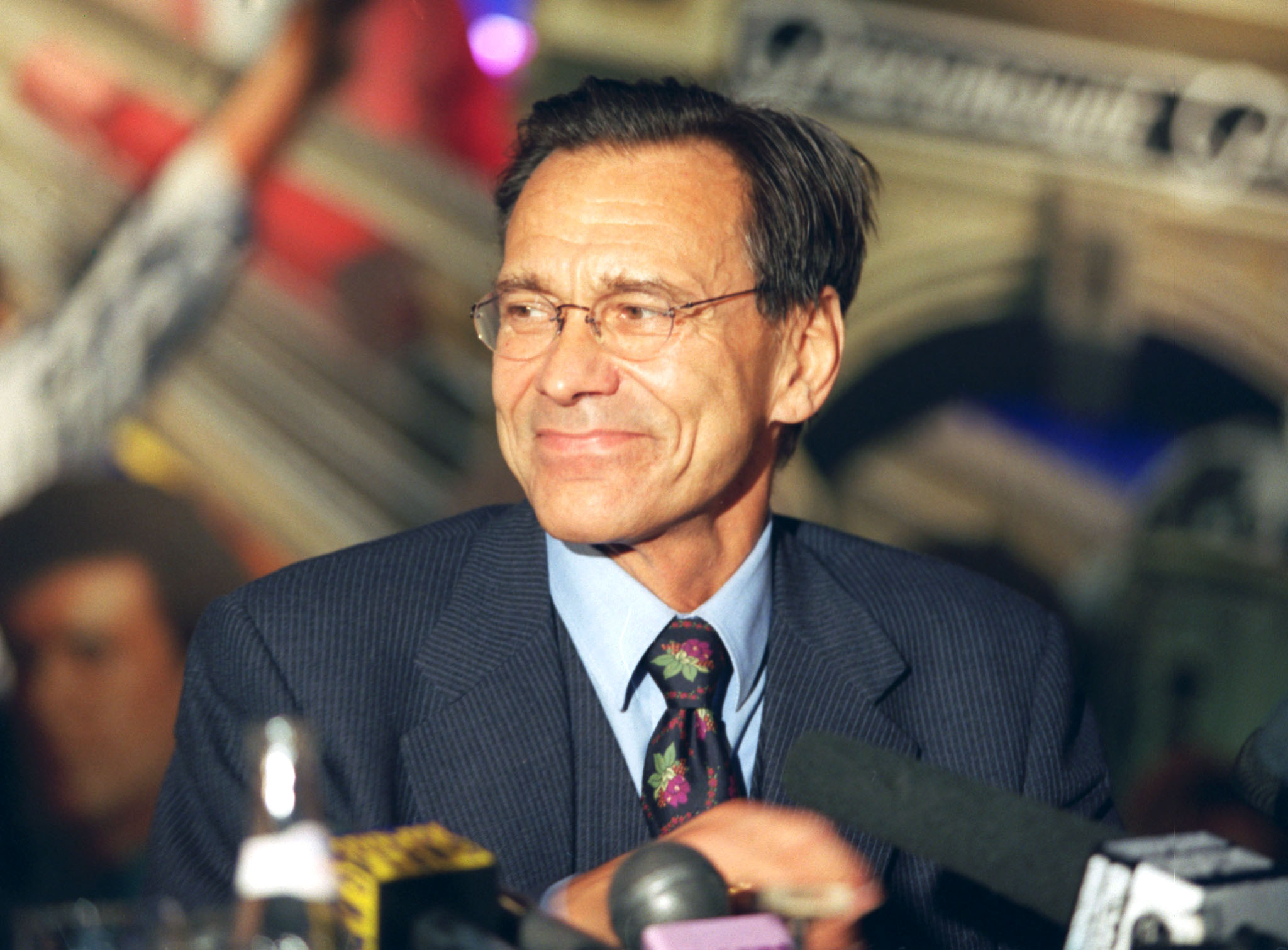
Events of one week: Nikita Mikhalkov’s “Sunny Bun” was released, and the first channel will show the “white nights of the postman Alexei Tryapitsyn” by Andrei Konchalovsky. We discuss both films with film critics Olga Galitskaya and Yuri Bogomolov. Presenter Elena Rykovtseva.
Elena Rykovtseva: "Two brothers are two premieres," so we called today's program. Two events are the premiere of the film by Nikita Mikhalkov’s premiere “Sunny Blow” and the upcoming premiere of the film by his brother Andron Konchalovsky “White Nights of the Postman Alexei Zhanapitsyn”. I represent the guests of our program: with us, Yuri Bogomolov, film critic, with us Olga Galitskaya, also a film critic. We are discussing these two films. Let's decide, what we start?
Olga Galitskaya: Probably from Nikita Sergeyevich.
Yuri Bogomolov: And by the way, this film will soon become, obviously, a television series.
Elena Rykovtseva: That is, he will continue. That is, first Nikita Sergeevich, then Andrey Sergeevich, then again Nikita Sergeevich. All the events around the Mikhalkov. Both films about Russia are what unites them, in addition to the name common to the brothers. Two films about Russia, two very different in genre, in meaning, in time. Let's start with a rolling fate. Who knows the rental numbers, good, bad, "sunlight" by Nikita Mikhalkov?
Olga Galitskaya: I know that the film "Sunny Strike" started from a fifth position - this is pretty good, but I think it does not correspond to the expectations of Nikita Sergeyevich. Still, such a powerful advertising has been undertaken, he personally represents the film in many cities. However, this is not the worst result.
Yuri Bogomolov: I will say that this film does not just advertise as a film, but it also advertises as a spiritual scrap. The fact that he is going to go around the whole country from Kaliningrad to Vladivostok with this picture is even more a claim. But I remember that this is not the first claim. I remember very well how he, when he made the “Siberian barber”, he, too, this picture, even then there was no term “spiritual scrap”, but it was quite clearly stated that he offers that picture as a certain integral event that should unite the country.
Olga Galitskaya: It is in line with the Soviet tradition, remember, there was an all -Union premiere.
Yuri Bogomolov: In any case, I remember that program very well on the NTV channel with Evgeny Kiselev, where he showed this picture and where Evgeny Kiselev with his inherent meticulousness asked: is this picture a reflection of his possible claims for the presidency? This is 2000. And then the question was really very acute, who after Yeltsin. Mikhalkov then left the question, but showed the shots where he pranced as the emperor inside the Kremlin, behind the Kremlin wall. Then he reported such information after that, he said why he did not need to occupy this post at that moment, not because he could not, he said that the country was still not ready for him to become president, we must direct.
Olga Galitskaya: You can replica in this topic. Now about the film "Sunny Strike", Nikita Sergeyevich, responding to various reproaches, said that my film is a fairy tale, this is a parable, it will be understood in 8 years. After 8, this is not just that called.
Elena Rykovtseva: After 8, who did not understand, the elections of another president of Russia. Is Nikita Sergeyevich going to compete with Vladimir Vladimirovich?
Olga Galitskaya: At least you can interpret this way.
Yuri Bogomolov: But I learned the fact that it was a real claim a little later, when I crossed with his friend Roman Balayan, who told me that Nikita Sergeyevich invited him to head the headquarters of the election campaign. Apparently, he somewhat changed his final goals, at first he wanted to really be the president, then he had to fight for the title of first -person Russian cinema, he then won. Then this idea occurred to him that he could be a vestibule, that is, the spiritual ruler of Russia.
Olga Galitskaya: In general, this task is quite acceptable to the artist.
Yuri Bogomolov: Here I recall the book of Sarnov Deceased when he wrote about Gorky and Stalin, very logically showed that Gorky, returning to Soviet Russia from blessed Italy, thought that Stalin would deal with administrative affairs, problems, solve economic, and he, Gorky, would take up spiritual amications over this people. We know how everything turned out. So Nikita Sergeyevich always lives inside not just an artistic quarry, but something wider, some kind of power.
Elena Rykovtseva: Whatever the film is a message. Olga, you said, fifth place, probably he expected more, I think it is not bad. You can once again scroll through this film through the eyes of a mass viewer and explain why the viewer did not fall, despite all the advertisement, despite the fact that this is a scrap?
Olga Galitskaya: Still, the people went. Even if you just look at the controversy in social networks, it is clear that people got into this polemic very actively, that is, they looked, firstly. What this whole polemic is reduced to - to the fact that the author’s personality is discussing more. I would also like to leave this in our conversation.
Elena Rykovtseva: It is very difficult, given that he wants to put his thoughts there.
Olga Galitskaya: Of course, so. In general, any film is a self -deletion of a person, because he is ahead of what he is, you involuntarily begin to think about himself. But still, let's discuss the film itself. And about the audience, I think, after all, there is interest. I see him among my friends, acquaintances.
Yuri Bogomolov: I can try to explain why such an interest. When he had the paintings “Burnt by the Sun”, “Present” and “Citadel”, which failed absolutely, as one of the critics noted, there was another country then, then there was no such rise of patriotic emotions, which is now. This background, this patriotic carbon fenger warms up interest in the picture. These notorious 84% is a wave that picks up, on which it floats.
Elena Rykovtseva: They must go and see how he supported their spirit with his film. In your opinion, did they find confirmation of their expectations that yes, is that what was supposed to convince me that I think today and I feel right?
Yuri Bogomolov: I think many have found. Many supporters of the "Crimea", the southeast of Ukraine, is also ours, these people are flattered by such self-affirmation of people who live in a country where everything was so beautiful, where there was so much whiteness, so many lights, so many bliss and such beautiful main characters. The White Guard is depicted, which is, as it were, humiliated here. In general, in the films of Mikhalkov, the motive of revengeism, recall the "Present" and "Citadel", where at the beginning the Russian people humiliate the Russian people, and then it is armed with poles from the rake, it goes and wins. This is the motive of revenge, by the way, in his life there is a struggle for the rule in the Union of Cinematographers, is also based on the mandatory capture of a revenge from those people who attacked his power. He directly said about this: I do not want to be the first secretary, chairman or president, I just want to assert myself and show that I am not a thief.
Elena Rykovtseva: Then I don’t understand what they found in this film for themselves, if that picture, this Lubok drowned, defeated. The White Guard, which was supposed to show the power of the Russian spirit, also drowned. What did they find for themselves?
Yuri Bogomolov: They could find the spirit of rebellion who sits in the author of the film. Yes, these people drowned, yes, these people died, but still we are alive. Naturally, the appeal is that we are our Crimea, we get up from the knees, we are all over Europe and the whole West. This is the context with the mood with which the electorate in the cinema is coming, it lives. We often think abstractly that the film is a kind of closed inner space, there is nothing nearby, but here it is. And the fact that on TV goes continuously, and those 84%that watch TV, where we are shown by enemies that we won and will certainly win again and so on - it all works for perception. In this case, the film is extremely conjuncture in this regard.
Elena Rykovtseva: It is very interesting, because I am today's conjuncture, oddly enough, paradoxically, it was interesting for me, whatever it turned out and I did not find it. Have you seen something for this 88th percent, who came to the cinema to get confirmation and be inspired by this work to fuel his moods?
Olga Galitskaya: I am interested in listening to Yuri Alexandrovich, but I did not have, to be honest, such a thought. It seems to me that Mikhalkov tried to give people a general understanding of Russian history, and the audience was waiting and waiting for this and, probably, a certain part of the public receives in the sense that still Russia is so special, it is indivisible, everything is to blame, because then what is happening from the little things. Nikita Sergeyevich is trying to pass this thought to Tolstoye for his own. That is, people want a blockbuster, a global understanding of Russia. Maybe in this sense I like it.
Elena Rykovtseva: But nothing more. I’m trying to pull everything to today.
Yuri Bogomolov: See how Nikita Sergeyevich himself acts in different programs all the time, from “Evening Urgant” to the “Time” program, and all the time he actualizes today and his picture of today.
Olga Galitskaya: He himself takes a conversation to Ukraine, to everything today.
Yuri Bogomolov: Remember the Hotinenko series "Demons", where "demons" were directly adapted to propaganda, to the propaganda campaign. The director himself performed in the programs.
Olga Galitskaya: He denies it, by the way, that it is directly adapted.
Yuri Bogomolov: How does he deny? He said directly that we were watching what is happening in Ukraine, but is it really not clear what Dostoevsky said about this, and I said about it. It was directly.
Olga Galitskaya: In this sense, some message was reported by Nikita Sergeyevich that there is no need to bolt Russia, crack, we are so one, special. No need to be against something.
Elena Rykovtseva: After all, he laid it earlier in his work, he always regarded this way.
Olga Galitskaya: There was no wave, in this sense, the audience was already fastened with these very scrapers and is largely ready to perceive just such a view of things. Then, I think that the name of Bunin has an alluring impact, although Bunin as such in this film adaptation is not at all.
Elena Rykovtseva: This is true. That is, we do not call our listeners, spectators to Bunin.
Olga Galitskaya: We are not calling, because the pain, then despair, bitterness, hatred that Bunin has in his "cursed days", they are generally contraindicated in Nikita Sergeyevich by definition - these are different poles. An attempt to combine a “sun blow” and such a light breathing of the Bunin great prose and “cursed days”, which he experienced personally, as he experienced a “sun blow”, but connecting these things is the same as tie the old lace to iron reinforcement. This does not stick at all, does not go well.
Yuri Bogomolov: Somehow this Bunin story with the revolution does not fit at all. But for some reason he thinks that this is connected.
Olga Galitskaya: By the way, this question sounds almost comedy, it is often repeated that it looks ridiculous.
Yuri Bogomolov: I also have a question as a movie historian, I remember Nikita Sergeyevich with his outstanding remarkable gift to penetrate into people's inner life, transmit, rethink, with his films Five evenings, “several days from the life of Oblomov” and “relatives”, I think what could happen? This is a question for him: what could happen to him in order to shoot such a picture and before that to make a picture where there are not so much talent as a simulation of talent, an attempt to remember oneself, then with the baggage. He is trying so and Syak. This image of his, when the stroller rushes along the steps, taken on the rental of Sergei Mikhailovich, when she is overturning, he thinks that he joked at Eisenstein, joked kindly, and when she overturnes, there is no living child, nor a dead child, there is nothing-there is a void.
Olga Galitskaya: Not a chest that lay in this stroller in the previous stage.
Yuri Bogomolov: It evokes the idea that the picture is so empty.
Elena Rykovtseva: This is an ideological topic is curious to me, I believe that he was draining his own journalism there. He is the only thing that artificially unites these two times is the story of a boy who, in that beautiful romantic past, met a liberal teacher who explained to him the theory of Darwin that a man from a monkey. And his new acquaintance, subsequently, the White Guard, did not explain to him in time, as if from a monkey, when from God, because he was not up to him, he was busy with his love. And this boy grew up an atheist and, accordingly, drowned his comrade, found in this beautiful provincial town. This has been knelled, but only so, nothing more.
Yuri Bogomolov: In this case, I am interested in the question in connection with Darwin. Nikita Sergeyevich considers himself from whom what happened?
Elena Rykovtseva: From God - he explained.
Yuri Bogomolov: Directly? Without dad, mom?
Olga Galitskaya: Man from God.
Elena Rykovtseva: And those who believe that they are from a monkey, they are doomed to be like that.
Olga Galitskaya: Go down and fall into the pit.
Elena Rykovtseva: And drag the country behind him.
Yuri Bogomolov: Then all the people who did not hear anything about Darwin did not know, they got involved in the civil war.
Olga Galitskaya: Not to mention the fact that the Orthodox Russian people who adored the church and so on, then the same churches smashed and destroyed for a sweet soul. It was also in history.
Yuri Bogomolov: These are also liberal teachers, writers and so on.
Olga Galitskaya: In short, here is the attempt by Nikita Sergeyevich to reduce everything to a simple decision, but it is not simple. Personally, it hurts me in this film for the "Sunny Blow", for lyrical prose. Because what Mikhalkov had in his films, which became our classic, the world even classic, this subtlety, lace of human relations, an understanding of the multi-layer of being and the complexity of relations between people, everything that he succeeded, these halftones and nuances, was turned into some kind of papier-mache. They are not alive, these heroes, I cannot believe them in any way.
Elena Rykovtseva: These journalistic phrases are inscribed in the dialogs simply from “A” to “I”, no half -tones.
Olga Galitskaya: Another revolutionary theme arises, this blue scarf, which is so intrusive - it spins, the blue scarf revolves, also the topic of revolution arises.
Yuri Bogomolov: I read somewhere on the Internet that somewhere some kind of priest wrote that a scarf is a devilish temptation.
Olga Galitskaya: Maybe the temptation, but when he spins for 15 minutes and does not fall on the ship.
Yuri Bogomolov: The woman herself is from the devil.
Elena Rykovtseva: Do you mean the same blue temptation?
Olga Galitskaya: No, in a good way.
Yuri Bogomolov: A steam machine is a coherent tsarist Russia.
Elena Rykovtseva: We are now talking for people who have not watched the film, so I ask you to explain such details. This image is a steam engine at the time of the only erotic scene.
Yuri Bogomolov: She at the beginning without any erotic, Mikhalkov first shows.
Elena Rykovtseva: First, just the work of the piston steamer, then an erotic scene, then again the work of the piston. So he shows how well then Russia worked, how well fucked, I am not afraid of this word, everything was fine, up to such nuances.
Olga Galitskaya: Just since the film has a age qualification 12 +, Nikita Sergeyevich, thick erotica stops in time in the permissible frame, and then goes to euphemisms, taking care of the younger generation.
Elena Rykovtseva: What version we nominate the main thing: he showed how the Russian car worked well, that you can compare it with one and the other, or do we still think that he showed the ship at the time of the erotic scene so that the Ministry of Culture would not accuse?
Olga Galitskaya: I think that everything is laid here, everything worked well when everything was fine.
Yuri Bogomolov: I read in one review that this car is a young healthy sex.
Olga Galitskaya: This is wonderful, the personal Pimen of Nikita Sergeyevich Elena Yampolskaya wrote that way. By the way, he writes that be sure to take the children for this film.
Yuri Bogomolov: I would write such a qualification to this picture: 12 Mizulina Plus.
Olga Galitskaya: Although the spindlers, who were many of Nikita Sergeyevich, wrote, discussing this scene that this, firstly, was not original, it was already used, they recalled the films “Naked Pistol”, a parody comedy, and someone wrote: in general in German porn this is used only that.
Yuri Bogomolov: And with Mikhail Schweitzer in the film "Kreutserov Sonata".
Elena Rykovtseva: I like how we switched to this bed stage from the fate of Russia, how much time they devoted to it. We devote very little Russia to Russia.
Olga Galitskaya: Because Bunin wrote one of the greatest erotic novels of world literature. Do not pass this topic.
Yuri Bogomolov: And one of the delicate.
Elena Rykovtseva: Let’s honestly that this erotic scene has nothing to do with erotica, has nothing to do with love. Ни дыхания, ни легкости, ни ауры, чувственности, ничего этого нет. Ни один человек, с оговорками, принимают этот фильм, не принимают, но все сходятся на том, что любовь оставляет абсолютно равнодушной, потому что это не любовь. Может быть, виноваты молодые актеры.
Ольга Галицкая: Я думаю, что тут все актеры – молодые, зрелые, знаменитые – работали абсолютно с режиссерской подсказки. В этом смысле Михалков именно так работает, он сам актер, и он ведет этот фильм, каждую сцену. Он абсолютно сделан так, как хотел режиссер. Поэтому у меня лично к ним нет претензий.
Юрий Богомолов: Я думаю, тут еще закавыка состоит в том, что он берет в основу своего фильма литературу, которая пишет об иррациональном чувстве, а выстраивает ее чисто рационально.
Елена Рыковцева: Даже почему страсть вспыхнула, хотя она должна иррационально вспыхивать, вам должно быть понятно. Почему они сошли с этого парохода, откуда это берется – непонятно, не чувствуете вы этого импульса.
Юрий Богомолов: Кстати, в чем беда других фильмов последних Михалкова, именно то, что он очень рационализирует.
Ольга Галицкая: Потому что у него есть уже набор любимых идей, любимых слов, кирпичи цитат. Участвует ли он в ток-шоу, пишет ли он статьи, выступает ли в своем "Бесогоне", снимает ли фильм – это все одно и то же.
Елена Рыковцева: И это проблема, что он свои цитаты стал записывать в реплики и раскладывать на реплики. Сцена с белогвардейцами, которую смотреть не противно, я смотрела спокойно, но ты дергаешься от этого.
Ольга Галицкая: Там есть сцены, где проблескивает его талант, который мы помним.
Елена Рыковцева: Но когда ты чувствуешь, как диалоги расписаны его пером по репликам с его вложенными цитатами из него же, то вспоминаешь, что это не кино.
Юрий Богомолов: Беда многих русских художников, писателей, артистов, что с ростом у них пробиваются морализаторские склонности. В свое время Достоевский по-доброму, но спародировал опискинщину Гоголя. Сейчас эта опискинщина пробивается и прорывается довольно часто, а у Михалкова так просто.
Ольга Галицкая: А он совершенно не великий мыслитель, скажем мягко. Мне кажется, у Никиты Сергеевича актерская память, он заучивает текст, потом просто воспроизводит. В этом нет философской глубины и неоткуда взяться. Потому что это просто кирпичи каких-то текстов, которые ему понравились, запомнились.
Юрий Богомолов: Иногда доходит до смешного. Помните фильм "12", в котором он предпосылает эпиграф некоего мыслителя Б. Тосья и цитирует этого Б. Тосью насчет того, что правда быта – это не то же, что истина бытия. Я искал этого Б. Тосью с фонарями – нет такого. Это он придумал свой афоризм, но как-то ему было неловко, очевидно.
Ольга Галицкая: Если это его афоризм – это уже что-то.
Юрий Богомолов: Зачем мистифицирует, написал бы. Афоризм-то пустой.
Ольга Галицкая: Любимое выражение Никиты Сергеевича "шифровать пустоту". Это имеет место.
Елена Рыковцева: Если суммировать, то все-таки пустота или зритель, 88%, получил свое, получил подпитку?
Ольга Галицкая: Мне кажется, что кто-то получил, и слава богу. Но что обидно все-таки, любое кино, даже самое плохое, находит своего зрителя. Любое художественное произведение находит своего зрителя, читателя, потребителя, и слава богу. Но все-таки, мне кажется, печальный итог этого фильма, что в нем нет абсолютно художественных озарений, к сожалению. А есть экранизированный внутренний набор цитат, любимых Михалковым.
Елена Рыковцева: И все-таки мастерство где-то есть.
Ольга Галицкая: Но оно уже такое не одухотворенное, на мой взгляд.
Елена Рыковцева: Но смотреть второй и третий час можно, благодаря ремеслу. Первый час совсем мне тяжело было именно из-за того, что я чувствовала лозунги, цитаты, самоцитаты Михалкова, в первой части начинался этот роман на теплоходе и этот чудовищный шарфик, про который я не могу без дрожи вспоминать до сих пор. А второй и третий час как-то начало выруливать на какое-то ремесло, как-то сколачиваться стало между собой все это помастеровитее.
Ольга Галицкая: Но еще интересно, что он экранизировал все свои внутренние смыслы и все свои любимые мысли в этом фильме, мини-энциклопедию сделал. А вот, что он будет делать дальше, я даже представить не могу, потому что исчерпанность абсолютная.
Елена Рыковцева: Какие у вас прогнозы на его дальнейшие творческие планы?
Юрий Богомолов: Известно, что он давно работает или вынашивает замысел про Грибоедова. Так же, как и "Солнечный удар" он вынашивал 37 лет, как он сказал. Ему надо было 37 лет вынашивать, чтобы родить вот это.
Ольга Галицкая: Во всяком случае у человека была такая потребность, он это сделал.
Елена Рыковцева: Конечно, жаль, что он его не выродил и не выносил сразу, когда еще мог рожать, возраст еще был кинородным.
Юрий Богомолов: Мне еще жаль, что он камнем лег на пути Ивана Дыховичного, который запустился практически с этим фильмом.
Ольга Галицкая: Да, такая была история. Такие вещи бывают. Можно сказать, что и "Раба любви" была камнем на замысле Рустама Хамдамова. Но фильм случился, он признан, и он есть – это уже данность.
Елена Рыковцева: Но это тогда, когда он еще мог.
Ольга Галицкая: Если бы он сделал фильм, который вставал бы вровень с его же "Рабой любви", мы бы тогда, может быть, не вспоминали печальных обстоятельств возникновения этого замысла.
Елена Рыковцева: Я прошу не сердиться наших слушателей, что мы не очень хвалим "Солнечный удар". Наверное, мне сейчас скажут, что надо было посадить критика, который от него в восторге. Но если честно, по пропорциональному соображению не очень объективно сажать критика, который в восторге, потому что таких один, мне кажется.
Ольга Галицкая: Нет, не один, даже может быть три.
Елена Рыковцева: Если всего их 30, 3 за, то может быть. Это я пытаюсь оправдаться. Тогда давайте просто сообщим нашим слушателям, что они существуют.
Ольга Галицкая: Они существуют, а фильм можно посмотреть и составить свое мнение.
Юрий Богомолов: Наша реакция связана, по крайней мере моя, с тем, что он действительно был талантлив, он действительно подавал такие надежды на свое будущее. Я помню, вся критика в советское время практически молилась на него. И то, что с ним дальше произошло – это и создало такое раздражение по поводу, мне кажется, что он просто предал свой талант и спустил его, как с состоянием бывает, взял и прокутил это состояние. Такой дар божий так редок, поэтому его надо было беречь не только смолоду, но и в зрелые годы. Я каждый раз, когда думаю о судьбе Михалкова, во-первых, я вспоминаю фильм "Похождения зубного врача", притчеобразный, где рассказывается в формате притчи о человеке, который владел даром, но один раз смалодушничал и он у него пропал. А во-вторых, я вспоминаю его собственный фильм Никиты Михалкова, снятый в 1980-х годах, – это "Без свидетелей", где рассказывалась история человека, в молодости талантливого, обаятельного, необыкновенно симпатичного, располагающего к себе и влюбляющего в себя. Потом как-то получилось, один раз донос написал, другой раз предал опять же свою любимую женщину, поддался карьеристским и в конце концов сгнил изнутри. Михалков беспощадно показывает этого героя, не подозревая, что самому придется.
Елена Рыковцева: Давайте перейдем к подвигу, который совершает Первый канал. 19 октября выходит премьера фильма, который только что получил приз Венецианского фестиваля "Серебряный лев" за лучшую режиссуру, Андрон Михалков-Кончаловский. Этот фильм называется "Белые ночи почтальона Алексея Тряпицына". Это было желание самого Андрона Кончаловского, чтобы этот фильм до кинотеатров пошел на Первом канале, потому что, как он сам понимает, не каждый выложит деньги за то, чтобы это смотреть. Он сказал, что я хотел бы, чтобы это посмотрели бесплатно. Я буду благодарен любому зрителю, который посмотрит это до конца.
Ольга Галицкая: Там присутствует ненормативная лексика – это тоже препятствие к прокату.
Елена Рыковцева: К показу на Первом канале в тысячу раз больше, чем к прокату.
Ольга Галицкая: К прокату – это директора кинотеатров, и они опасаются теперь брать такие фильмы. Я думаю, что покажет Первый канал, а потом фильм будет в интернете.
Елена Рыковцева: Я не видела среди причин, по которым он не идет в прокат, ненормативную лексику. Я понимаю, что он не пойдет в прокат, потому что режиссер понимает, что это точно не то кино, на который идет массовый зритель, которое способно отбить кинотеатру зрительный зал, билеты и так далее. Он это понимает очень хорошо изначально, поэтому он его отдает многомиллионной аудитории Первого канала с надеждой, что хотя бы бесплатно она его посмотрит. Ольга, вы вчера были первым русским зрителем, который увидел этот фильм.
Ольга Галицкая: При большом стечении народа.
Elena Rykovtseva: Yes. Вчера в кинотеатре "Пионер", который праздновал одновременно пять лет своей жизни, Первый канал устроил закрытый показ для самых лучших критиков Москвы, включая Ольгу Галицкую. Пожалуйста, Ольга, поделитесь своими впечатлениями с теми, кто еще не видел этот фильм и увидит только в воскресенье.
Ольга Галицкая: Это фильм, соединяющий документальное кино и игровое, художественное, потому что элемент постановочный присутствует в этом фильме. В этом фильме абсолютно изумительный и великий оператор Алексей Симонов, оператор, который работал с Алексеем Балабановым. В этом фильме потрясающий герой, настоящий почтальон из глубинки российской Алексей Тряпицын, с яркими синими глазами такой русский человек, несчастный и счастливый одновременно, потому что живет в своей большой и непонятной стране, но любимой при этом. Это то, что плюсы этого фильма. То, что вызывает вопросы, во-первых, мне кажется, не очень правомерно называть фильм документальным, когда там присутствуют все-таки элементы постановки.
Елена Рыковцева: А он назвал его документальным?
Ольга Галицкая: По-моему, да.
Елена Рыковцева: Я в рецензиях вижу слово "документальный". Назвал ли он его документальным, не уверена.
Ольга Галицкая: Во всяком случае у него опыт уже подобный был – знаменитая "История Аси Клячиной, которая любила и не вышла замуж". Там внедрение актрисы в реальную среду, хотя сам Андрей Сергеевич говорит, что сравнивать эти два фильма совершенно не нужно, они разные и подходы разные. Я думаю, что для зрителей это будет достаточно сложный опыт смотрения этого фильма, потому что собственно зрителю будет непонятно, что ему ждать.
Елена Рыковцева: Я как раз хотела вас спросить: зритель поймет, зачем ему это показывают? Ему показывают два часа жизнь в маленькой деревне или в деревнях, учитывая, что он развозит по нескольким деревням пенсии. Он заходит в дома, он, обратили внимание, выпивает с ними чай, уже не водку глушит?
Ольга Галицкая: Он же завязал. Объясняет почтальон, что он уже два года не пьет, а раньше у него были проблемы.
Елена Рыковцева: Это Кончаловский завязал показывать водку, потому что у Кончаловского были проблемы с тем, что в его фильмах народ хлещет водку, а его обвиняют потом: за кого вы принимаете Россию, и что вы нам показываете.
Ольга Галицкая: Может быть и так. Во всяком случае он рассказывает историю реального человека, который на данный момент, пока снимается о нем фильм, он не пьет водку. Хотя там сцена застолья и употребления алкогольных напитков очень даже присутствует. То есть русские люди пьют, и Кончаловский этого не скрывает.
Елена Рыковцева: Но в основном чай доминирует, чайная кружка, что-то в этом есть – Россия не встает с колен, а оздоравливается, Россия трезвеет.
Ольга Галицкая: Взгляд у Кончаловского на состояние России сегодня совсем не радужный, а даже наоборот. Но именно что философский, как и у его брата Никиты. Только у Никиты Сергеевича все-таки взгляд такой пропагандистский, я бы сказала, а у Андрея Сергеевича философский – вот Россия, она вот такая. Она громадная, большая, красивая, но нелепая страна, где одновременно существуют ракеты, космодромы, где вкладывают громадные деньги в мощь державы, а простую вещь как украденный лодочный мотор герой не может себе возместить, потому что реально ни у кого нет денег в этой деревне. И деревня сама показана как исчезающий объект. Герой там по ходу событий приходит в школу, где он когда-то учился мальчишкой, слышит в своих воспоминаниях звуки этой школы, гул, разговор ребят, звонки школьные. Слышит из прошлого то, какой была эта школа, какой она была в советской стране. Сейчас это разрушенное здание, где нет никого и ничего, пустая деревня, где живут несчастные, обездоленные, но вместе с тем люди, которые не чувствуют себя ущербными и брошенными. То есть вот так он видит Россию, и об этом фильм. Поэтому фильм, я думаю, нравится отборщикам и фестивальным жюри.
Елена Рыковцева: Юрий, как вы считаете, для чего такой фильм, который описывает Ольга Галицкая, смотреть массовому зрителю? Он все про ту Россию, которую ему показывает Андрей Кончаловский, знает, ничего нового он для себя с точки зрения своей обычной жизни не увидит, сюжета в нем нет, интриги в нем нет. Там есть милый почтальон, для которого достаточно двух минут восторга, какой нашли типаж. По части документалистики о том, как равномерно и монотонно течет чья-то жизнь, если чуть-чуть продвинутый зритель, он уже видел документальных фильмов про пастухов, про носителей других профессий. Для чего ему смотреть эту работу, как вы считаете?
Юрий Богомолов: В принципе массовый зритель с массовым сознанием, с массовым подсознанием, он пройдет мимо этой картины. Но есть еще не массовый зритель, причем по всей стране. В этом он найдет определенную концепцию российской истории, вообще российской цивилизации. Насколько я помню и знаю Кончаловского, то он очень сильно отличается в восприятии России, в понимании от своего брата, который тоже имеет свою концепцию. Если Никита Сергеевич видит исключительно Россию как христианскую, полагая, что если человек не христианин, то он не русский человек, то Андрей Сергеевич полагает, что Россия в целом языческая страна до сих пор. И эта точка зрения достаточно распространена. Был фильм Андрея Сергеевича Смирнова "Жила-была одна баба". Там прослежена история этой женщины на фоне гражданской войны, вообще густого российского быта дореволюционного, где насилие было языком взаимоотношений и где совершенно очевидно, хотя там и соблюдаются какие-то христианские обряды, совершенно очевидно, что это абсолютно языческая Русь, на которую наброшена накидка в виде христианства. Это одежда, а не суть. Возможно в это и причина тех катаклизмов, которые разрывают и сопутствуют движению российской истории. Вот это противоречие между все еще не изжитым язычеством и христианской моралью. Кончаловский говорит очень четко, не в фильме, а делал какие-то заявления о том, что Россия и Европа очень сильно разнятся, Запад есть Запад, Восток есть Восток и вместе им не сойтись. Россия пытается свести Запад и Восток.
Елена Рыковцева: Он не хочет, чтобы сравнивали с "Асей Клячиной", но итог какой, что это та же самая деревня, прошло 40 лет и ничего не изменилось.
Ольга Галицкая: Об этом собственно он и говорит.
Юрий Богомолов: И в "Асе Клячиной", и потом в "Сибириаде" он показывает, что этот процесс насилия, в "Сибириаде" в чем была мысль, я помню, делал в свое время интервью с ним, он говорил: пришли люди, изнасиловали сибирскую природу, покалечили, бросили и ушли. This moment. И в "Асе Клячиной" мотив того, что калечат судьбы в своем стремлении модернизировать, преобразовать насильственным путем, не эволюционным, а революционным путем. Кончаловский, будучи западным человеком, прозападным человеком, в отличие от Никиты Сергеевича, который, кстати, пытался быть западным человеком, но у него это не шибко получилось в "Сибирском цирюльнике". Андрон трезво оценивает эту ситуацию и полагает, что это очень долго, как у Шварца сказано, работа хуже китайской.
Ольга Галицкая: Мне еще кажется, что будучи человеком европейским по сути, Андрей Сергеевич как раз здесь показал, что у него есть восточный созерцательный взгляд, поэтому так он смотрит на русскую жизнь.
Елена Рыковцева: Мы посмотрим, как на этот восточный созерцательный взгляд отреагирует массовый зритель Первого канала.
Ольга Галицкая: Я хочу сказать, что помимо двух этих фильмов, где представлены размышления о России двух выдающихся кинорежиссеров, появился новый фильм совсем молодого режиссера, где, по-моему, русская жизнь представлена буквально, как она есть. Это фильм "Горько-2".
Елена Рыковцева: "Горько-2" обсудим в следующий раз. "Горько" мне очень нравится фильм.
Ольга Галицкая: И это случай, когда продолжение ничем не хуже.