Date
Author
Евгений Аронов; Сергей Сенинский
Source

Preserved copy
Translated material
Oil of the East and West
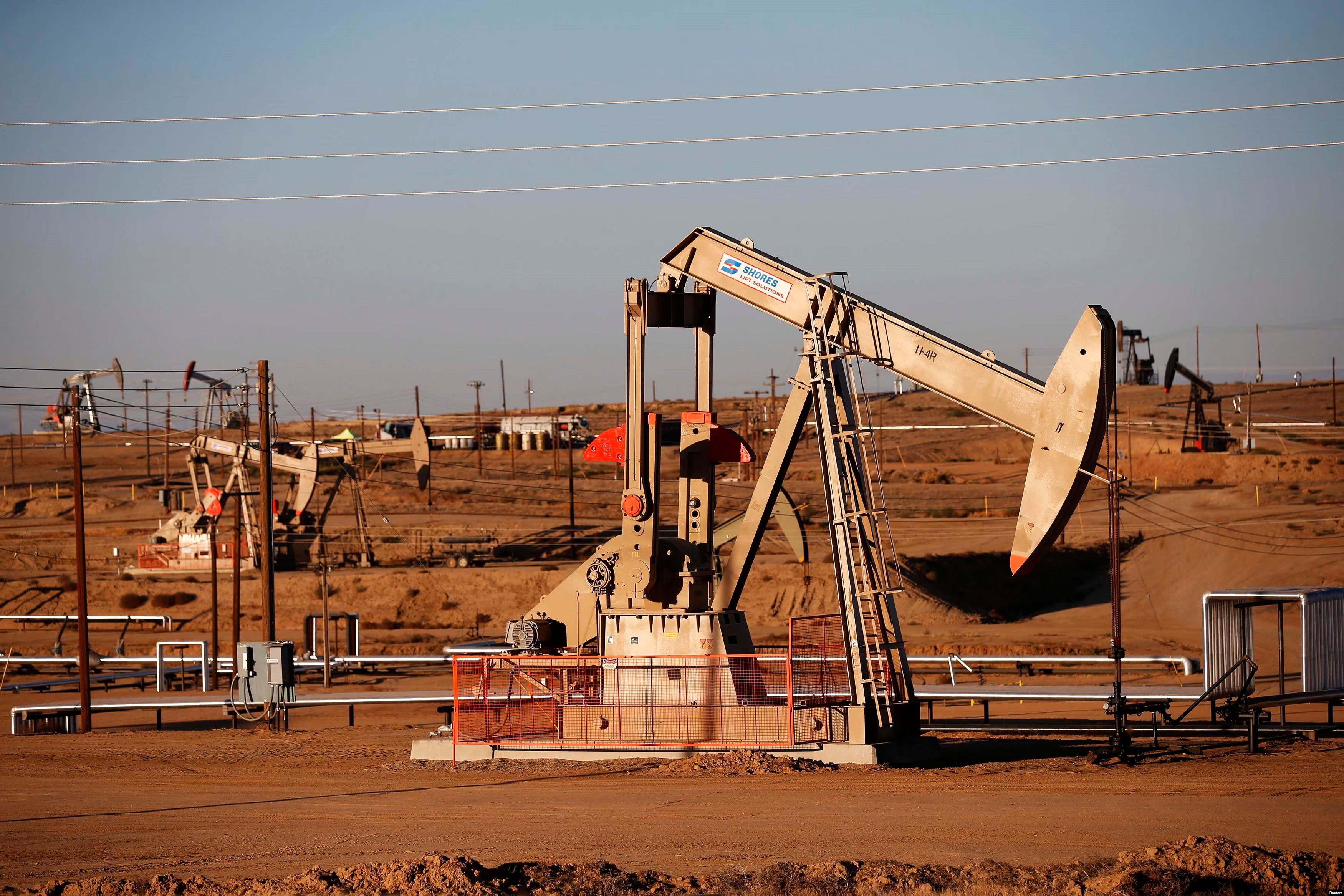
Oil prices are pressed both by the production of OPEC countries and the “shale revolution”
World oil prices have decreased to a four -year minimum, and their fall has sharply accelerated in recent weeks. On the one hand, OPEC countries do not reduce prey. On the other hand, it grows in countries that are not part of OPEC, primarily in the USA. In September, the oil supply in the world market was almost 1% exceeded the average level of global demand for it predicted for the current year.
We are talking about the influence of the main factors determining the current dynamics of world oil prices with American energy market experts. Thomas Klosa is a leading expert of the specialized analytical center Oil Price Information Service. How does he evaluate the positions of different participants in the OPEC itself in connection with the current drop in world oil prices?
Thomas Klose:
- For those members of the cartel who need a price of $ 100 per barrel and more to cover their budget expenses and maintain political stability in the country, such as Venezuela - the situation really looks menacing.
Another thing is Saudi Arabia, a key participant in OPEC and the only one who is able to really influence the dynamics of world prices, quickly changing the current volumes of their own production. In the country, enough foreign exchange reserves have been accumulated to go through a strip of low oil prices even in a few years. Another question is, what are the plans of Saudi Arabia itself?
Is she ready for confrontation with those members of the cartel who are not ready to reduce prey, despite the fall in prices? Or does she hope that production can be reduced, for one reason or another, in oil producing countries that are not included in OPEC - such as Russia, Norway and, possibly, Mexico? They do not expect such concessions from the United States in Saudi Arabia: in America they seriously thought about the abolition of a legislative ban on the export of raw oil.
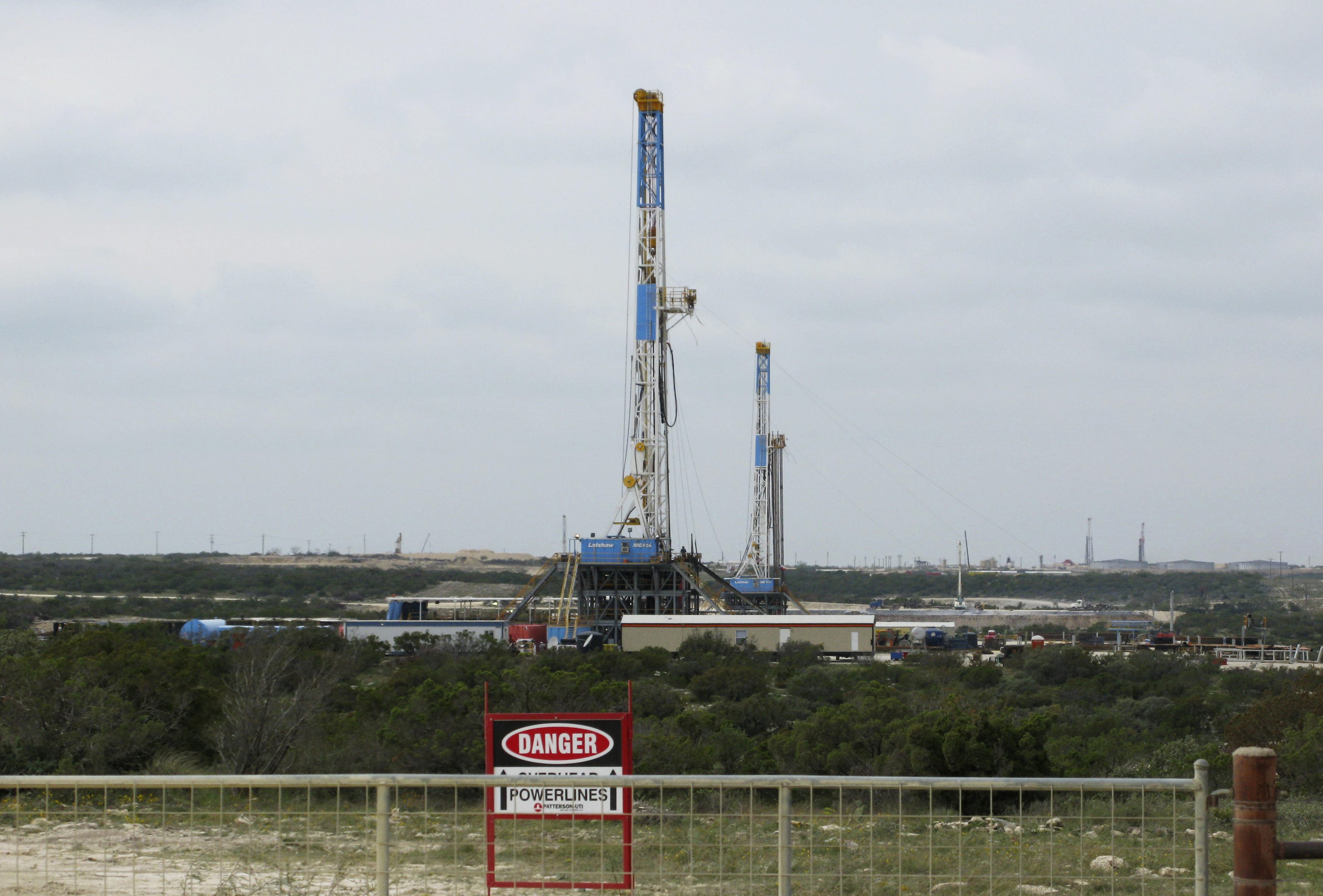
Today, world prices for different types of oil vary in the range from 75 to 86 dollars per barrel. Now let’s recall: from the end of June of this year, when the oil fields in the north of Iraq were threatened by the militants of the Islamic State group, prices not only did not increase, as, logic, should have been expected, but also decreased from about 115 dollars per barrel to the current levels.
Benjamin Zahiker , employee of the Highway Institute American Enterprise:
- I would not evaluate the mood of the OPEC participants as crisis, but it also does not look like a typical reaction to price fluctuations. Still, they fell strongly in just a few weeks.
In my opinion, this was the result of the fact that Saudi Arabia retreated from its usual practice and so far refuses to reduce the prey unilaterally, which would allow the rest of the cartel members, without making any sacrifices, to benefit from increasing prices.
I see two reasons for such tactics. The first - the proposal in the world market has expanded. But - not by virtue of any random vibrations, but as a natural consequence of sharply increased production in North America. It is impossible to contrast this with current reductions of his own production, which Er-Riyad usually made in response to a momentary growth of the proposal. And to go to a significant reduction in prey is a solution to a completely different degree of complexity.
The second reason for the passivity of Saudi Arabia against the backdrop of the falling world prices is, it seems to me, that cheap oil hits its main competitor in the region of the Persian Gulf - Iran - much stronger.
The cost of oil production in the OPEC members varies greatly, how the currency reserves and needs for budget revenues that they have accumulated, reminds Thomas Klose.
Thomas Klose:
- In many countries of the Middle East, the cost of oil production is very low, and the closer the deposits to the Persian Gulf, the lower the cost of them - up to $ 10 per barrel or even less. There are practically no direct threats to the safety of prey-sabotage or something similar. Although, of course, this does not mean that local deposits cannot, for example, be taken from legal owners - the actions of the militants of the Islamic State group in the north of Iraq are proved.
Now let's look at other regions. Say, in Angola, Nigeria or other oil -producing countries of West Africa, the cost of production is much higher, and in order to recoup it, prices are needed at $ 80 per barrel. Compare: even Iran, despite the sanctions, has accumulated, as it seems to me, there are enough foreign exchange reserves to survive the period of cheap oil with much less loss than those OPEC countries that need the price of 100-115-125 dollars to make ends meet. That is, the prices that I am sure we will definitely not see in the next few years ...
The question is, will those manufacturers who build their budgets at the rate of oil price at $ 80 will be decided to reduce production? I have the impression that these countries are not very ready to start price wars, and rather hope for some unforeseen political events that themselves would stop a drop in prices - say, in Libya, Venezuela or Nigeria ...
Otherwise, OPEC countries will inevitably have to take agreed measures in order to return prices to levels above $ 100 per barrel for a long time, as some investors hope ...
In order to stabilize the world oil prices, it is enough to reduce its daily production by about one million barrels, Thomas Klose believes, that is, by about 1%. Benjamin Zayker from the American Enterprise Institute shares such grades.
However, both of our interlocutors note, the stabilization of oil prices should be preceded by the revival of the world economic situation - first of all, in China and in Europe. In the meantime, the International Energy Agency (a division of the organization of economic cooperation and development, uniting 34 of the most industrialized countries of the world) in a review presented in the outgoing week, has reduced its previous exposure to the increase in oil demand this year almost twice - from 1.3 million barrels per day to 700 thousand. The increase in demand in 2015 is predicted so far at the level of 1.1 million barrels.
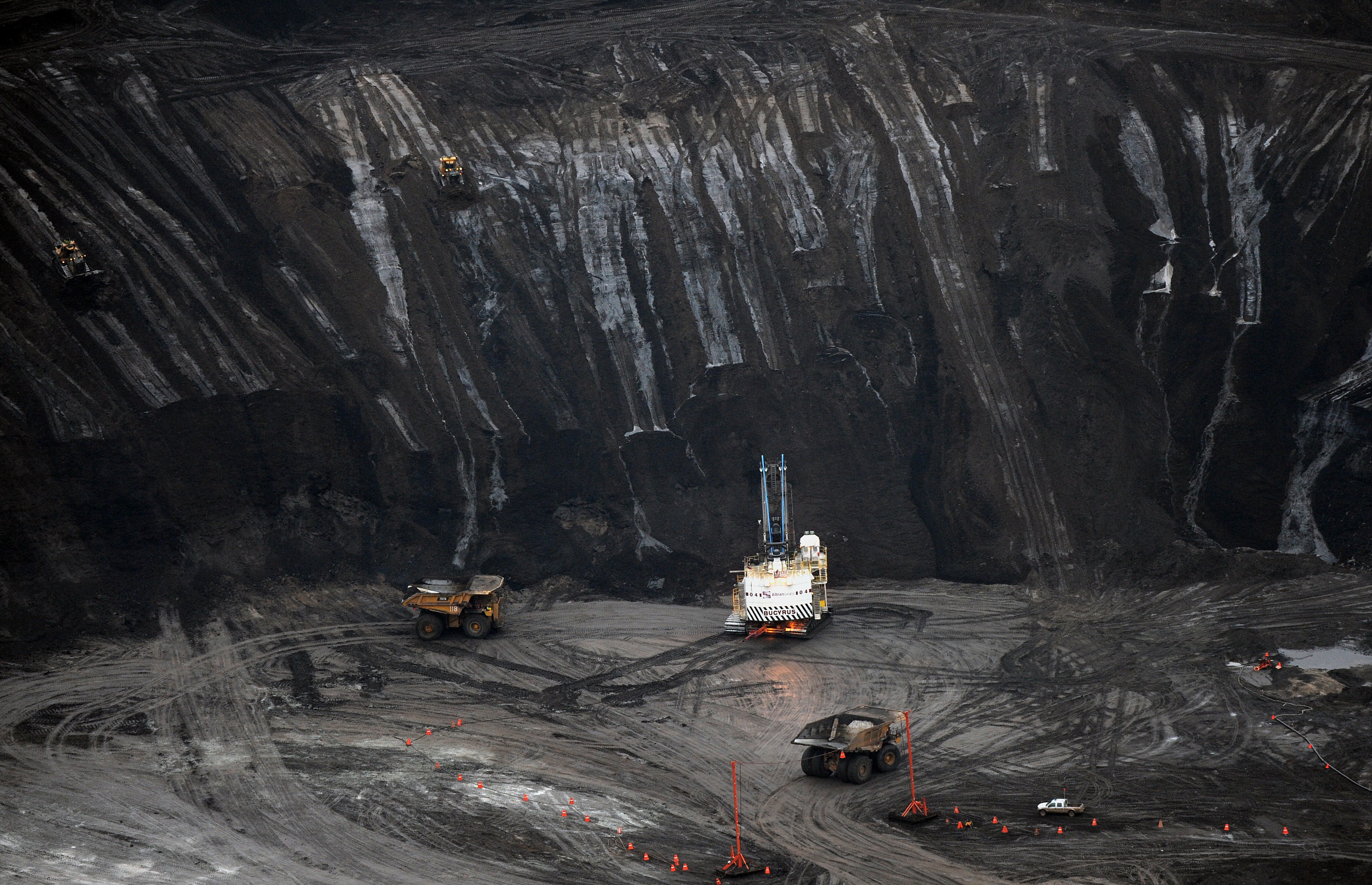
Oil production by OPEC countries in September has reached a maximum over the past 13 months, which became a consequence, in particular, the expansion of proposal from Libya and Iraq, the agency’s experts note. In general, the oil supply in the world market in September almost 1% exceeded the average level of global demand for it predicted for this year. And three quarters of the general increase in oil supplies to the world market - to the level of September last year - were provided by countries that are not part of OPEC.
Experts indicate primarily to the United States, where, against the backdrop of the “shale revolution” of the last decade, the volume of production, according to the oil and gas company BP, has now reached the maximum over the past half century. And, according to the estimates of the International Energy Agency, the business of most American company companies will remain profitable and at world prices of $ 80 per barrel.
Thomas Klose:
- Let's just say: today the degree of concern of these American companies is higher than it was four months ago. For most of them, the bustling level varies in the price range from 45 to 60 dollars per barrel.
And, for example, deposits in Northern Dakota sell their oil for $ 72–76. It is still 12-15 dollars above the break -in level, but before their “airbag” was much thicker - $ 30 per barrel. The same margin, $ 12-15, today prevails in large deposits in the western and central parts of Texas.
It should be emphasized that the manufacturer is not at all necessary to reduce production even if the market price drops for some time below the creation level. After all, the breakery price, in theory, should cover both current and irrevocable costs, that is, investments. And in practice, the return of investments, in contrast to paying for current expenses, can be stretched for a long time.
For example, for several years, the “heavy” oil of the Western fields of Canada was sold at prices, at 60 dollars to a smaller world. Today, the price of such oil is approximately $ 71 per barrel. And literally last week, one of its largest manufacturers stated that he would be able to work quite at prices below $ 40. It remains to believe him ...
But still, the cost of production at the deposits of North America is many times higher than its levels, say, in the Gulf region, where the main power of OPECs are concentrated. And therefore, the current decrease in world prices for mining companies in the United States, apparently, is more sensitive than for companies working in the Middle East?
Benjamin Zayker:
- I do not think that it has a serious impact on their business ... Well, except that we can talk about the transfer of some large new investment projects, but - not acting! ..
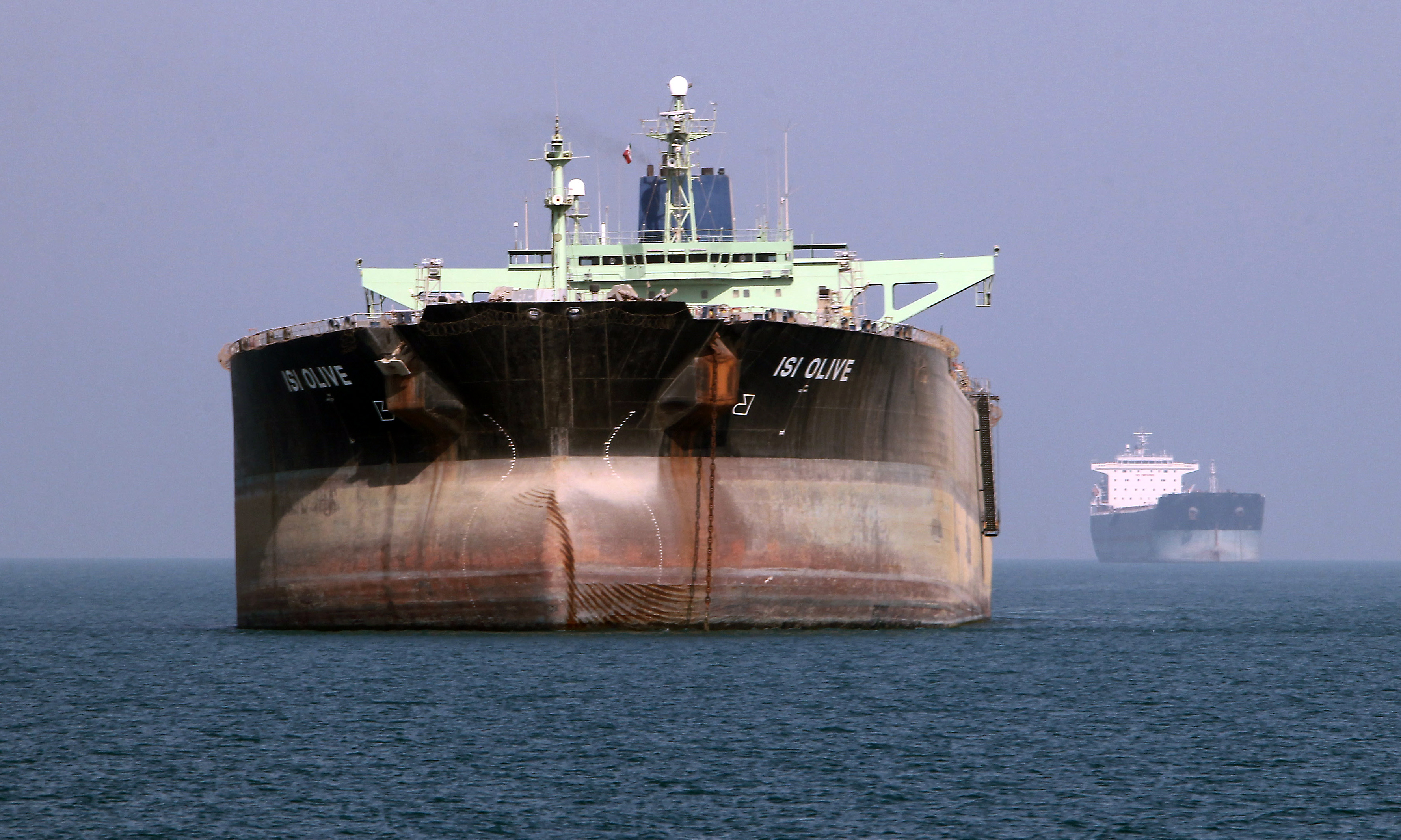
There are plenty of oil in the American oil market. Indeed, the country still has a 40-year-long ban on the export of raw oil. It also applies to barbecue manufacturers. At the same time, export of oil products from the United States is not prohibited. And if the low world prices for raw oil and can be reflected in someone, so it is indirectly - on exporters of oil products.
We also recall that the International Energy Agency estimates the price of price for the break -in companies producing shale oil in the range from 60 to 80 dollars per barrel. If so, then the current decrease in world prices is still weakly affecting the American shale oil market ...
Can we say that these companies take some preventive measures?
Thomas Klose:
- Some of them- through various kinds of hedging, through futures transactions, guaranteed themselves for some time on prices at 90-100 dollars per barrel. Additional guarantees for them, so to speak, became as a rapid expansion of innovative technologies that sharply reduce the reducing oil production, as well as a financial stimulation policy of the Central Bank of the United States, which generated the investors with relatively “cheap” money, some of which they invested in the production of shale oil.
Another question is what will happen if the Central Bank moves from expansion to a restraining monetary policy, and the world oil prices will still fall? If their fall is steep, some projects in North America, of course, will close. However, this is still very far away. And before this happens in North America, more than one project in Brazil or West Africa will be folded, which in their profitability are significantly inferior to the North American.