
Translated material
Good angel Bukawa
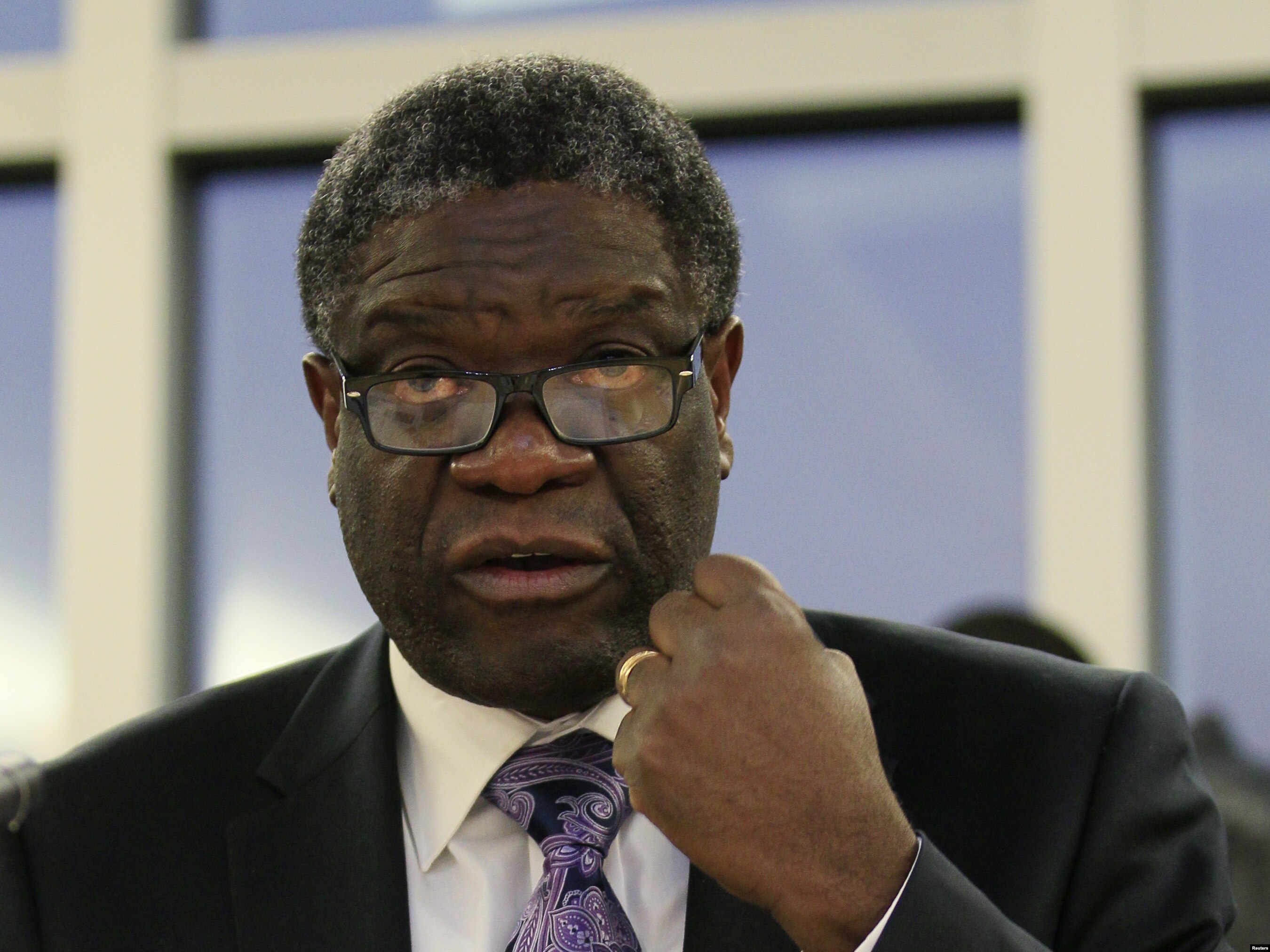
The Laureate of the Sakharov Prize was a doctor who helped thousands of African women overcome the consequences of bullying
The Sakharov Award "For Freedom of Thought" , awarded in 1988, the European parliament for outstanding achievements in the field of human rights protection, this year was awarded to Dr. Denis Mukwege, a gynecologist surgeon from the Democratic Republic of the Congo (until 1997, this second in the area of the country of Africa was called Zair). He helped thousands of African women overcome the consequences of a barbaric crime committed against them - group rape.
59-year-old Denis Mukwege is the son of a Protestant pastor. He became interested in gynecology after he observed problems in childhood in Congolese women. Mukwege received a medical education in France, then returned to his homeland, where he founded a small clinic. This is how he himself described further events in the last year’s interview with BBC :
- When the war began ( this refers to the so -called First Congolese War , as a result of which the long -term dictator Mobutu was overthrown. - RS), 35 of my patients in the hospital in the Leme in the east of the country were killed right on hospital beds. I fled to Bukawa, a hundred kilometers to the north, and organized there a new hospital located in tents. In 1998, he was also destroyed. A year later, I started again.
These were not just war crimes, but part of a certain strategy
It was then that the first patient was brought to us - a victim of group rape. After this act, she was shot several times at the legs and in the genital area. I thought that this was an isolated case of barbarism admitted to the war, but soon the women who suffered from rape already had 45. They all talked about the attacks of the rebels on their villages, torture and rape. Some were also affected by burns with acid and other chemicals.
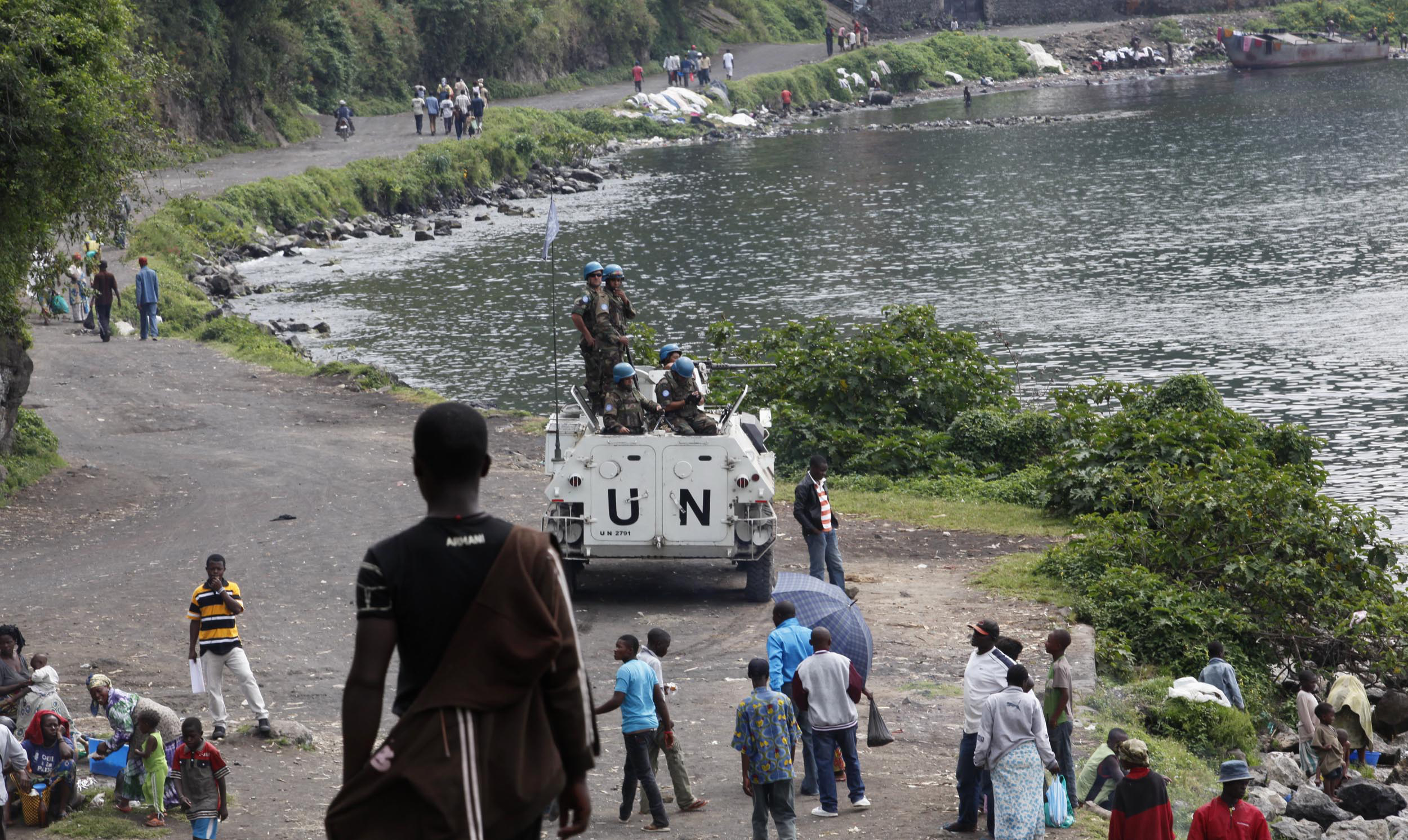
These were not just war crimes, but part of a specific strategy. Women were rape in whole groups, in front of the residents of the village who was attacked. Those who attacked, thereby tormented and humiliated not only these women, but the whole community. The result of such a strategy was a mass flight, people in fear threw their homes, fields, everything they had. This is an effective method in its own way.
The war in the DRC is not waged by religious fanatics and not state formations. This is another war caused by economic interests. And in this way they achieve their goals in it - tormenting, humiliating and destroying Congolese women, ”said Dr. Mukwege.
In recent years, when the war in the eastern regions of the DRC has actually resumed , the number of injured women began to grow again. Denis Mukwege, who headed the Panji hospital in the city of Bukawa, and his colleagues managed to save many victims of sexual violence and torture. But he was outraged by the lack of help and attention from the world community to what is happening in his country - one of the poorest in the world. In September 2012, Denis Mukwege made an appeal in which he called on world leaders to finally pay attention to the tragedy of the DRC. A month later, Dr. Mukwege, nicknamed the local residents of the “Good Angel Bukawa”, miraculously managed to avoid death: a group of armed people burst into his house, for some time took the hostesses of his daughters and nephew for a while, killed the guard Mukwege, trying to help him, and only by a happy chance did not shoot the doctor himself.
After that, Denis Mukwege was forced to leave for Europe. A few months later, he returned and was met in his homeland as a hero . The UN mission in DR Congo assured that it would ensure its security. But women Bukawa, among which were many of his patients, said that they were ready to become a doctor’s guards themselves, even though they have no weapons. Soon Mukwege resumed work in his hospital. In 2013, Denis Mukwege was one of the applicants for the Nobel Prize of the World. He was awarded a number of other international awards, to which the Sakharov Prize is now added.
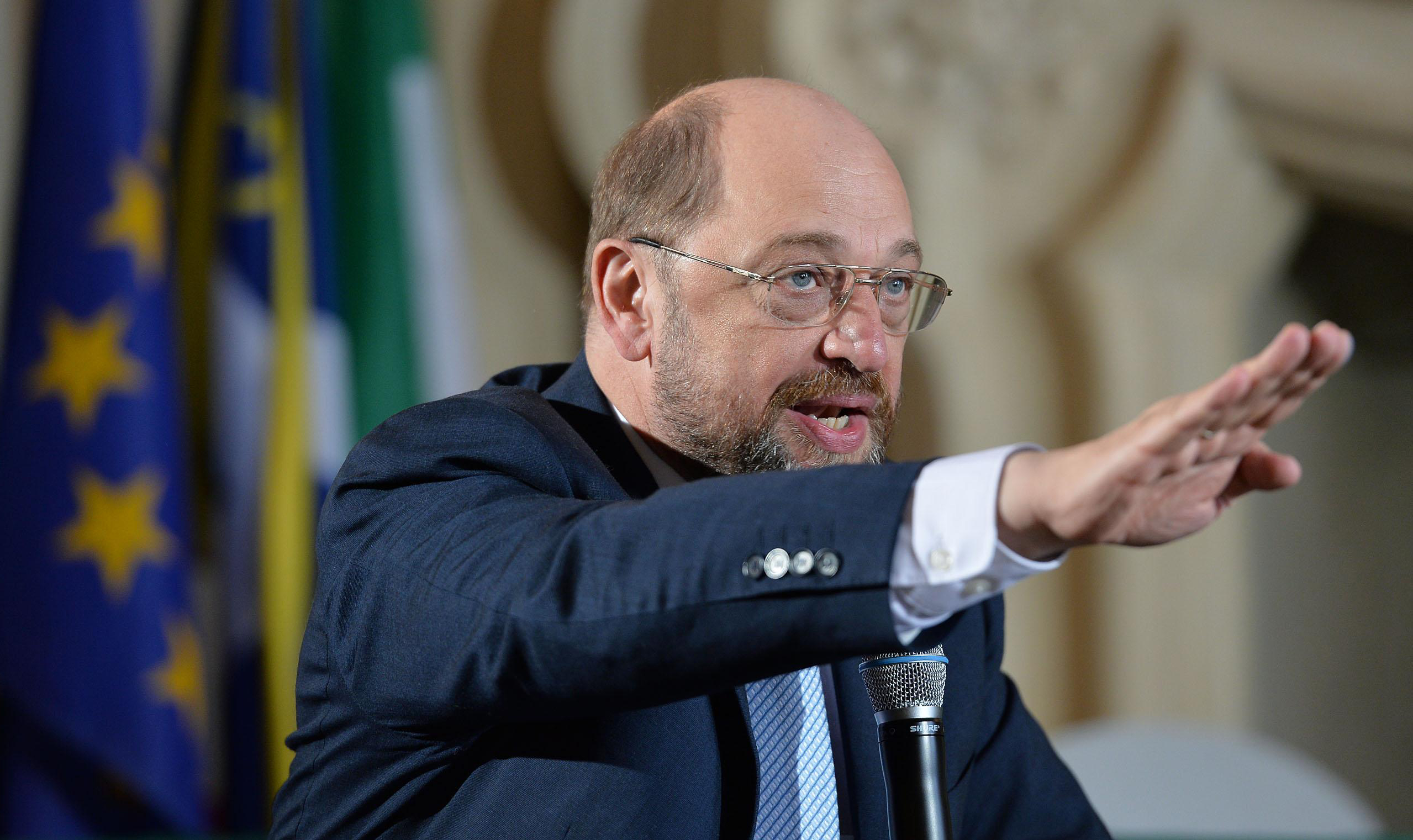
As reported, speaking in Strasbourg on the evening of October 21, the chairman of the European Parliament Martin Schulz , a special parliamentary commission choosing the name of the laureate of three finalists, unanimously voted for the candidacy of Denis Mukwege. The award ceremony (in monetary terms it is 50 thousand euros) will be held in the European Parliament on November 26.
The decision to give the prize to Dr. Mukwege is not a decision, in any way directed against Euromaidan
Two other nominees for the 2014 Sakharov Prize were activists of the Ukrainian Euro -Maidan and Azerbaijani human rights activist Leila Yunus, who is now imprisoned for a number of political accusations. The state of her health in prison has noticeably worsened. According to Martin Schulz, the European Parliament sends a representative delegation to Azerbaijan, which intends to meet with Leila Yunus and express support to her. European countries will continue to insist on the liberation of the human rights activist, emphasized Martin Schulz. But what he said about the euromaidan activists named after Sakharov:
-The decision to give the prize to Dr. Mukwege is not a decision, in any way directed against Euromaidan. On the contrary, we want to express support to Ukrainian activists and organize a rewarding ceremony in such a way as to publicly demonstrate: when awarding Dr. Mukwege, we also support the people who went to the Euro -Maidan.
Over a quarter of a century, human rights activists, public and political figures from different countries became its laureates. Among them are the first black President of South Africa Nelson Mandela (1988), Soviet dissident Anatoly Marchenko (1988), the leader of the Burmese opposition Aun San Su Zhi (1990), the Cuban movement of relatives of the political prisoners “Women in Beloy” (2005), candidate of President of Belarus, Alexander Milinkevich (2006), Russian human rights society Memorial (2009) and 2009) and 2009) and 2009) and 2009) and 2009) and 2009) and 2009) and 2009) and 2009) other.