
Translated material
Prague discussed the problems of history and the fate of Russian NPOs
In Prague, under the auspices of the Civil Forum of the EU - Russia (CSF), uniting more than 120 non -governmental organizations from the countries of the European Union and Russia, a meeting of the working group of historians and human rights activists who dealt with the problems of historical memory and contradictions in Russians and Europeans of the most important historical events took place. The meeting was also attended by employees of a number of Russian NPOs, who have recently been subjected to sanctions by the authorities.
According to the representative of the International Society "Memorial" Nikita Lomakin , the situation of NPOs engaged in the tragic pages of Russian history, primarily the Soviet period, has recently been extremely complicated. He cited as an example the current requirements of the Ministry of Justice of the Russian Federation to the "memorial" - to change the charter of a society, now uniting about 50 NPOs throughout Russia, and make it a centralized organization. As Lomakin noted, in recent days it became clear that the liquidation of the "memorial" is most likely not threatened, but the volume of formalities related to the fulfillment of the requirements of the authorities, such that it is able to actually paralyze the work of society, Lomakin noted.
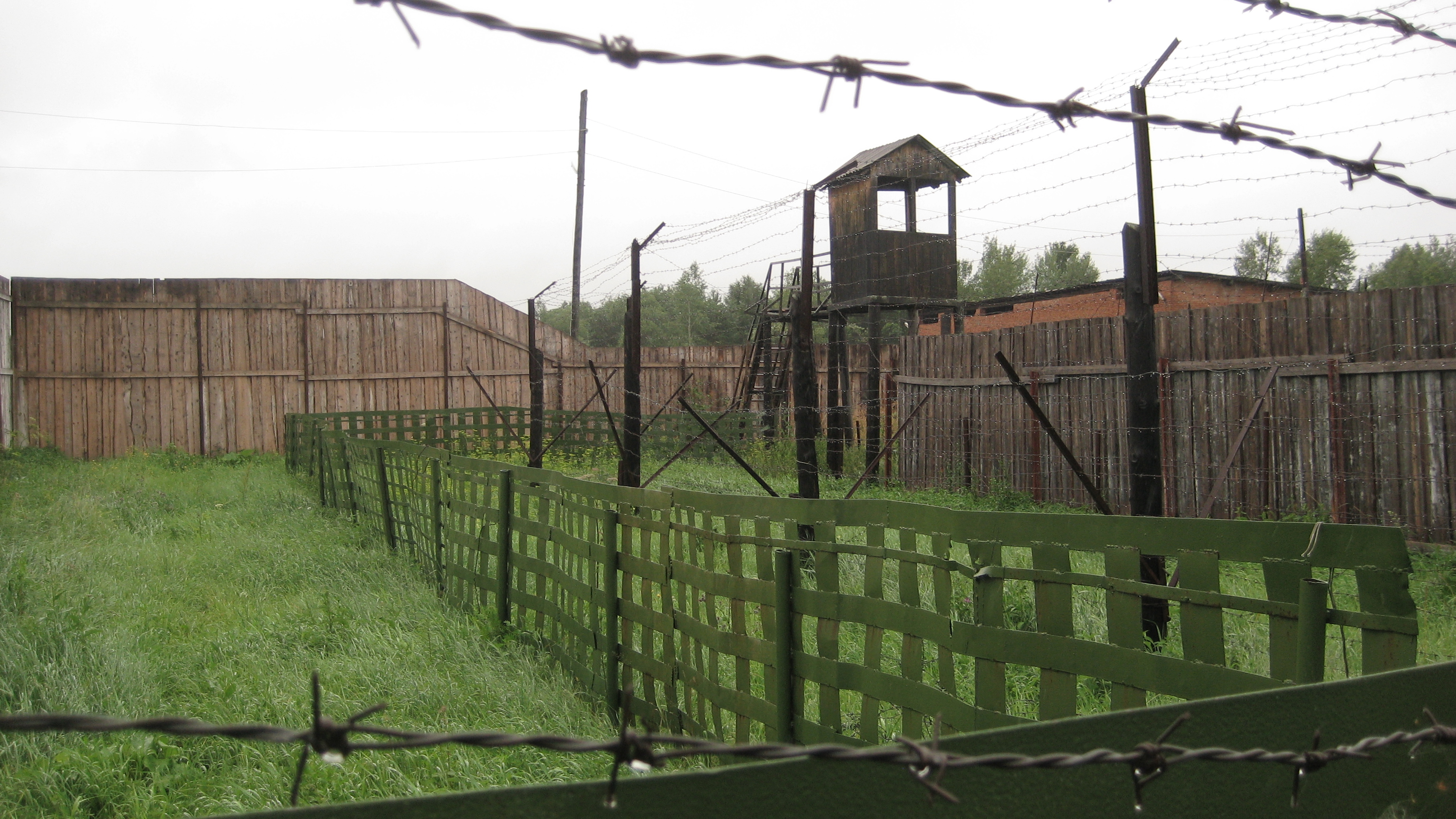
Robert Latypov , the head of the Perm branch of Memorial, the representative of the Perm-36 NPO, who for a long time smoked the work of the same memorial center on the site of one of the Soviet “zones” for political prisoners, believes that in the case of this object we can talk about a kind of raider seizure. According to him, the regional authorities created a state organization, which was actually transferred to the museum. At the same time, the staff of guides has been reduced, part of the exposition is closed, its contents were damaged. As Latypov noted, these actions fit into the general tactics of the actions of the authorities in relation to public organizations engaged in the period of Stalinist repressions. In general, the implementation of the presidential program for the memory of the victims of political repressions approved in 2011 is slowed.
In Prague, representatives of the Russian NPO met with Czech public and political figures, including the ex-minister of foreign affairs of the Czech Republic, the leader of the opposition party Torli Schwarzenberg . As Robert Latypov noted, the support of foreign states and public organizations in the current situation is important for Russian NPOs. According to the human rights activist, asking the Russian authorities “inconvenient” questions about the fate of public organizations, foreign representatives can help at least partially soften the repressive measures now taken in relation to NGOs.
According to Radio Liberty Kristina Smolininovite , the coordinator of the EU Civil Forum - Russia, despite the difficult situation in which the Russian NPOs fell, this organization intends to cooperate with them and continue to work in Russia. So, in May 2015, in Moscow, CSF in collaboration with the international "memorial" is going to hold an exhibition-conference dedicated to the 70th anniversary of the end of World War II. Within its framework there will be discussions devoted to the most acute issues of military history, the memory of the war in the historical consciousness of various European peoples. According to Smolyaninovite, it is planned to create a permanent platform for communication and discussions of historians, civil activists from the EU and Russia countries, all who are interested in historical problems.