
Translated material
Reserves for coalition
In Ukraine, negotiations began on the formation of the ruling coalition
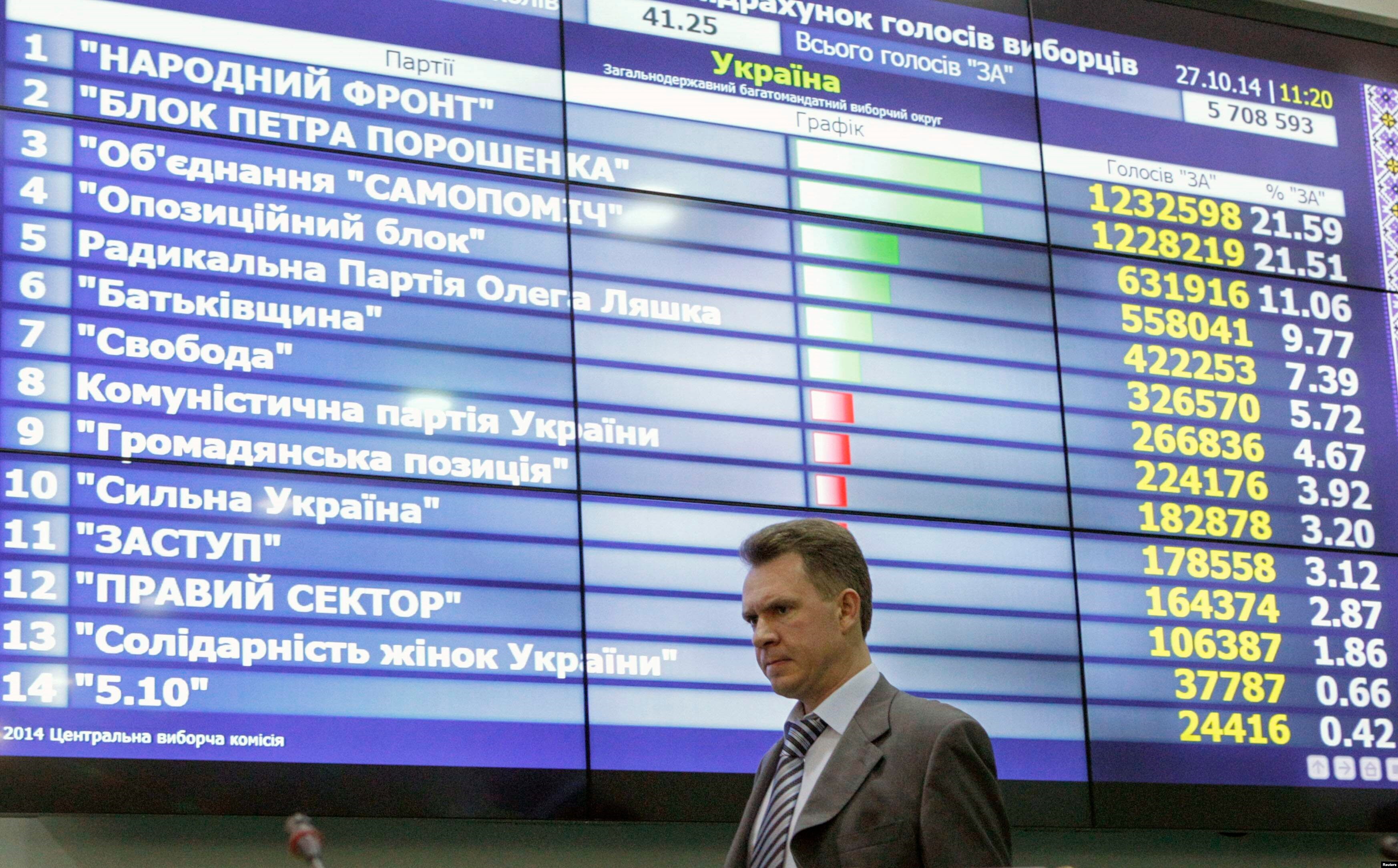
In Ukraine, they continue to take stock of Sunday parliamentary elections. The Presidential “Petro Poroshenko Bloc”, after the Center’s processing of more than 90% of the protocols, is still slightly inferior to the “Popular Front” of Prime Minister Arseniy Yatsenyuk. It is highly likely that it can already be argued that the right -wing “Freedom” does not pass to the parliament and only six parties will be represented in the new Verkhovna Rada. Despite the fact that until the official results have been announced, the winners of the elections have already begun negotiations on the formation of the coalition.
The president was clearly not eager to see the Prime Minister Yatsenyuk further as well. However, the unexpectedly high result of the “Popular Front” made its adjustments
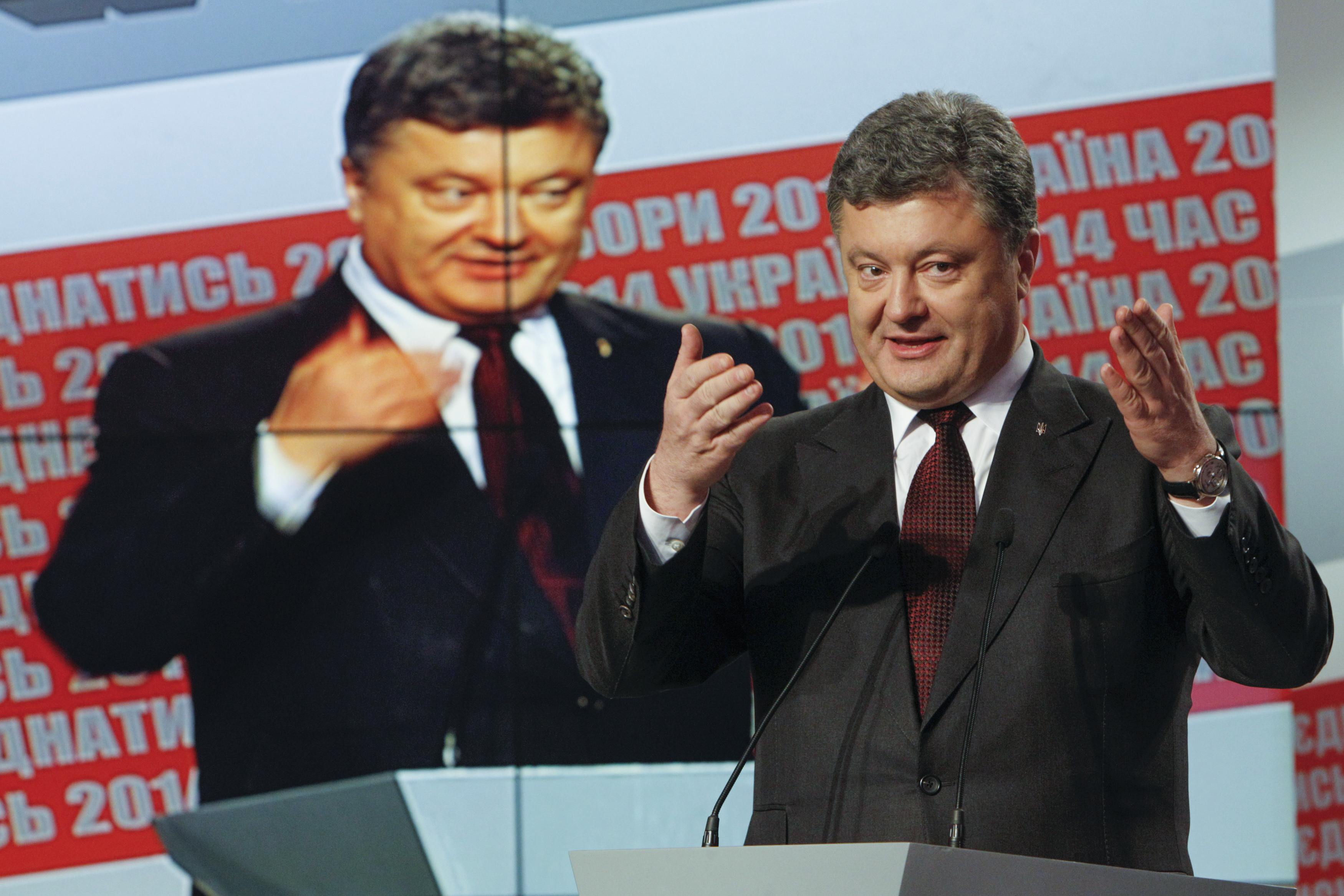
The winners of the parliamentary elections are now arguing about what political force the coalition should be formed - the “Petro Poroshenko Bloc” or, nevertheless, “Popular Front”. On the eve of Yatsenyuk and Poroshenko, the first round of negotiations on the coalition agreement was held, and it is expected that this document will be published in the press in the near future. The mayor of Lviv Andrei Sadova publicly stated that his association “Self -Help” , which became the “bronze” winner of these elections, would participate in coalition negotiations only after the official voting results declared the Central Election Commission.
It is already obvious that the majority will not include an “opposition block”, according to the lists of which many odious politicians from the encirclement of the fugitive ex-president Viktor Yanukovych will fall into the Rada. The question of whether the Radical Party Oleg Lyashko and the Fatherland of Yulia Tymoshenko can become members of the coalition, remains open. According to Alexandra Kuzhel , a member of the Fatherland party, while neither Yatsenyuk nor Poroshenko invited their leader to negotiations:
“There is a European norm of the formation of the coalition. It consists in the fact that the political force that received the greatest result in the elections invites political forces to discuss the issue of creating a coalition. So far we have not been invited. We know that some negotiations are underway on this matter. We know that Poroshenko met Yatsenyuk and Sadov. It is not clear for me that the party wins the Yasenyuk, the party, we see, And he must invite the leaders of those parties that, in his opinion, should be part of the parliamentary majority.
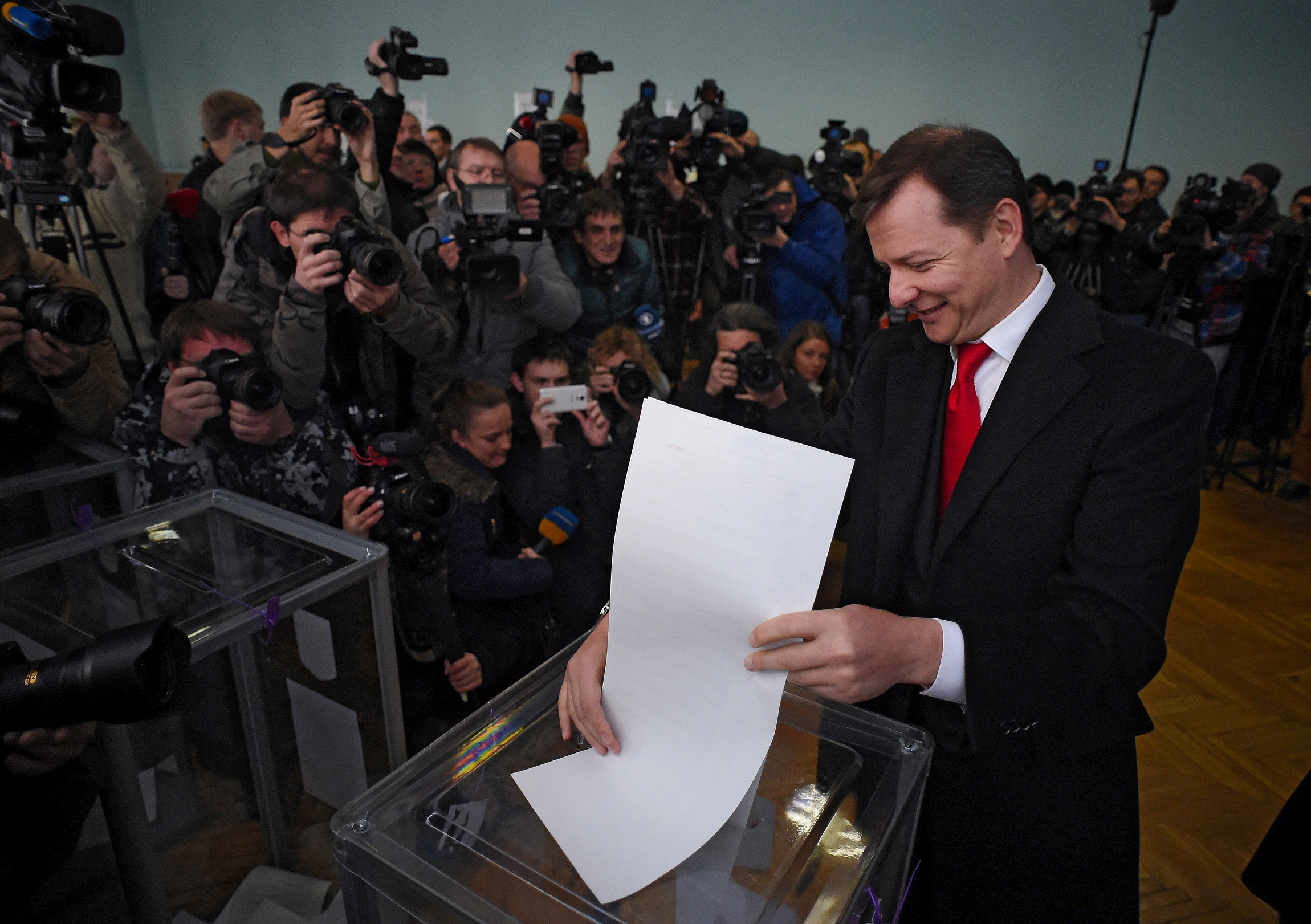
The unexpected success of the “Popular Front”, as political scientists say, means the screening of the unipolar system of the Ukrainian authorities, which was planned to be created by the comrades -in -arms of the head of state. Despite the second result of the Petro Poroshenko Bloc on party lists, he has a reserve in single -mandate districts. As a result, the presidential party, quite likely, will form the largest faction in the new Verkhovna Rada. It can count up to 110 deputies, Yatsenyuk faction - more than 80 parliamentarians. But this is not enough to create in two batches of the majority. The coalition format will largely depend on the decision of the elections in single -mandate districts of about 130 self -nominates.
Arseniy Yatsenyuk is a representative of the war party, and Petro Poroshenko is a representative of the world party, and it will not be possible to unite them only on a post -Maidan or European basis
The results of the “Popular Front” leave no doubt that it was Arseniy Yatsenyuk that will remain the prime minister, although the president planned to put the current first deputy prime minister Vladimir Groysman in this chair. Another representative of the Popular Front, Alexander Turchinov, will most likely have to give way to the speaker of the Verkhovna Rada to the leader of the Blok Petro Poroshenko, the former head of the Ministry of Internal Affairs of Yuri Lutsenko .
Andrei Zolotarev, the head of the analytical center “Third Sector”, is discussing about candidates for key positions and format of the future coalition:
“The premiere’s post is the core of the future coalition. The president was clearly not eager to see Arseniy Petrovich (Yatsenyuk) further in this post and has already looked at the likely candidate - Vladimir Groysman. However, the unexpectedly high result of the“ Popular Front ”made his own adjustments, and in this situation the president needs to be complied The Verkhovna Rada, most likely, will have to give in to the candidate from the “Petro Poroshenko Bloc”, and Yuri Lutsenko can be this candidate for Poroshenko for Poroshenko can also be the best option for the fact that few can be in Ukraine further economic problems, since the country is balancing on the verge of default. The main blow to the Prime Minister Arseny Petrovich, the coalition can be formed on the basis of the “Petro Poroshenko Bloc”, “Folk Front” and “Self -help” “Fatherland” will go for this, then why not.
Immediately after the election, the head of state said that the coalition agreement would be signed for 10 days. However, it is possible that the process of formation of the coalition will be delayed for a month and its composition will change more than once within a five -year term of powers of the Verkhovna Rada of the eighth convocation. So, for example, according to the director of the Institute of Ukrainian Policy, Kostya Bondarenko :
“If the coalition agreement is signed within a ten -day period, this will lead to additional political instability. The fact is that in this coalition the interests of the Politsil presented in it will be too great. Arseny Yatsenyuk is a representative of the war party, and Petro Poroshenko is a representative of the world party, and they will not be united only on a post -minute or European basis. Therefore, I think that I think that a search The coalition format will be carried out not only during the month provided for by the Constitution (for the formation of the majority), but throughout the cadence of the new Verkhovna Rada, we can expect permanent government resignation, the decay of coalitions and the creation of new ones, that is, that we are constantly observing in parliamentary activities in Italy, Japan. ”
During the parliamentary campaign, Arseniy Yatsenyuk led more rigid rhetoric, including in relation to Moscow. And this, according to sociologists, allowed him to persuade part of the voters who supported the radical parties.
Given the high result of the election of the “Popular Front”, Yatsenyuk can now negotiate the creation of a coalition from a perspective of strength. And such his tactics can lead to a political split in power, as happened after the "Orange Revolution" as a result of the conflict between President Viktor Yushchenko and Prime Minister Yulia Tymoshenko.
“As people are more pragmatic and much less emotional than Viktor Andreevich and Julia Vladimirovna, Poroshenko and Yatsenyuk perfectly understand that both of this struggle will lose, therefore, judging by what happened after the“ Orange Revolution ”, in the coming months it is not worth expecting this, but then we will see what will be the economic problems? Who will take responsibility for very unpopular decisions? There may be contradictions, but now it seems to me that this intraspecific struggle between the prime minister and the president will not be, especially since the electorate is quite close, and the outflow of the electorate from the presidential bloc led to such an explosive growth of the Premier “Popular Front,” said political scientist Andrei Zolotarev .