
Translated material
Freedom instead of the barracks
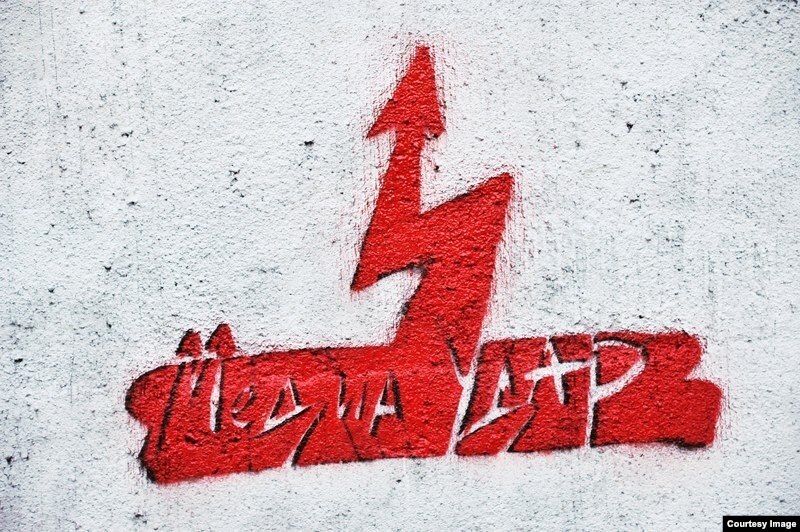
The art of activism of the festival "Mediasar"
In Moscow, at the Artplay site, the festival of activist art "Mediaudar" opens. The program includes lectures, discussions, performances, films and workshops. As the organizers of the event emphasize, their goal is not so much to demonstrate already created works, but to create a platform for the exchange of experience and ideas for the further development of activist art. The festival will last until November 9th.
The festival "Mediasar" is held for the third time. The first event took place in the fall of 2011, the events of the second festival took place throughout 2013. This time, at the international festival of activist art, participants from Moscow, St. Petersburg, Nizhny Novy Novosibirsk, Yekaterinburg, and activists from other countries will come. As the organizers of the project emphasize, "Mediaudar" is a kind of offline platform, on which activists from different cities and countries can communicate with each other and exchange experience, says the art critic, curator of the festival Tatyana Volkova :
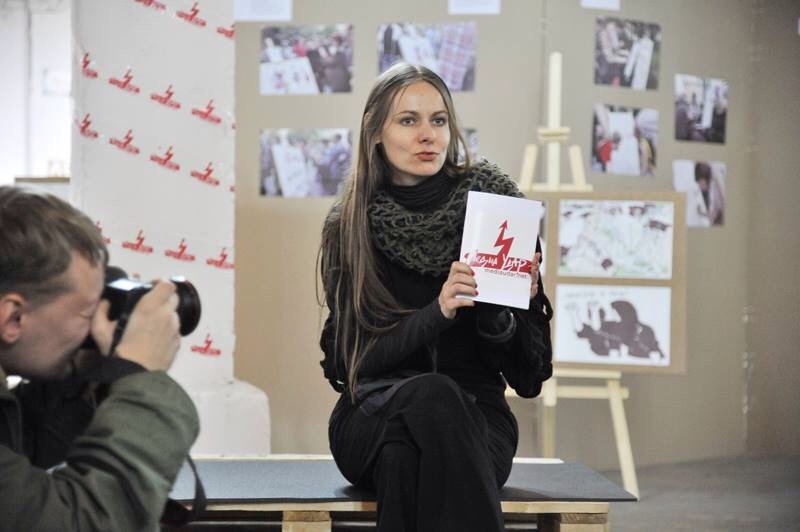
- This is a community of artists, activists, curators, art historians, philosophers, journalists who are interested and engage in activist art. The task of our festival is the study and development of activist art. This year in Moscow we hold a festival in the format of an activist camp. We will have a hostel in our hall, where our participants may stay overnight, there will be a kitchen, media, a library, a printed workshop, a workshop for creating printing facilities, that is, all the infrastructure necessary for life and work. The most important task of the festival, we do not set a representation, not a show of already created works, but the interaction of participants, the formation of new projects, new connections, and new processes.
-Are there any differences in the festival of this year from the previous ones? What events of this year would you highlight?
Human rights activities are the basis of activism and activist art
- We have already formed several thematic sections. We have been continuing some since past years, but new events have appeared. From November 1 to 9, a huge number of discussions, lectures, and workshops will take place in two rooms in parallel. We will also work for Free Market, to which you can bring clothes and objects. We even want to make such a "market of ideas", that is, organize an exchange of ideas. We have thematic sections associated, for example, with tactical media, that is, with the media that the participants themselves create. Foreign participants come to us: from New York, very interesting activist artists Natasha Dhillon and Amin Hussein. We have a section related to fashion. Its participants prepared the magazine-Quir-Fem-Winz "Hold the Rwanin" and will present it. German participants come who will show a film about rental resistance in Berlin. We will also present our collection of theoretical texts, which is called "Media Drum. Activist art today." We have a permanent section “Feminist cuisine”, we will present its new projects, and, in particular, the puppet performance “Aphrodite Belt”, the joint work of artists and sex workers. In addition, there will be several partnerships: with the Film Festival, the Festival "Voice of the streets" is the Street Art festival, with the women's artistic workshops "Kitchen," said Tatyana Volkova.
The festival will also be a charity auction in support of the defendants in the "swamp business" . It is scheduled for November 8, the participants of the project "Zone of Law" Maria Alekhina and Nadezhda Tolokonnikova will perform leading. Tatyana Volkova explains: human rights activity is an integral part of activist art:
Activist art always works with social problems, pain points and therefore often provokes aggression from those people with whose phobias we are fighting
- Human rights activities are the basis of activism and activist art. This is an integral part of what is happening at the festival. We have a permanent section at the Festival "Deliecefombia". It is associated with the protection of the rights of drug users. For many years we have been working in this area and make art projects, presentations, discussions. The artist, poet and activist Alexander Delphin will give a lecture on this topic. Cooperation with the girls from the Law Zone began a long time ago, when they were artists of the Pussy Riot group, now we continue to cooperate with them through the human rights line associated with political prisoners.
According to Tatyana Volkova, since activist art, as a rule, works with sharp, relevant topics, the organizers of the festival are ready for provocations. Last year, such cases have already been:
- We had a section where a transgender activist performed. Right activists, among whom were Enteo, began to threaten that they had come to smash our festival. But we were ready for this, put up security. These activists went to the police and wrote a statement on us about the promotion of homosexuality. But there was no corpus delicti: firstly, there was no propaganda, and secondly, we indicated "18+" and there were no children. The police did not start a case in the police department. Of course, we are always ready for provocations, because we work with sharp topics. Activist art always works with social problems, pain points and therefore often provokes aggression from those people with whose phobias we are fighting: drugophobia, homophobia, sexism, and so on, ”says Tatyana Volkova.
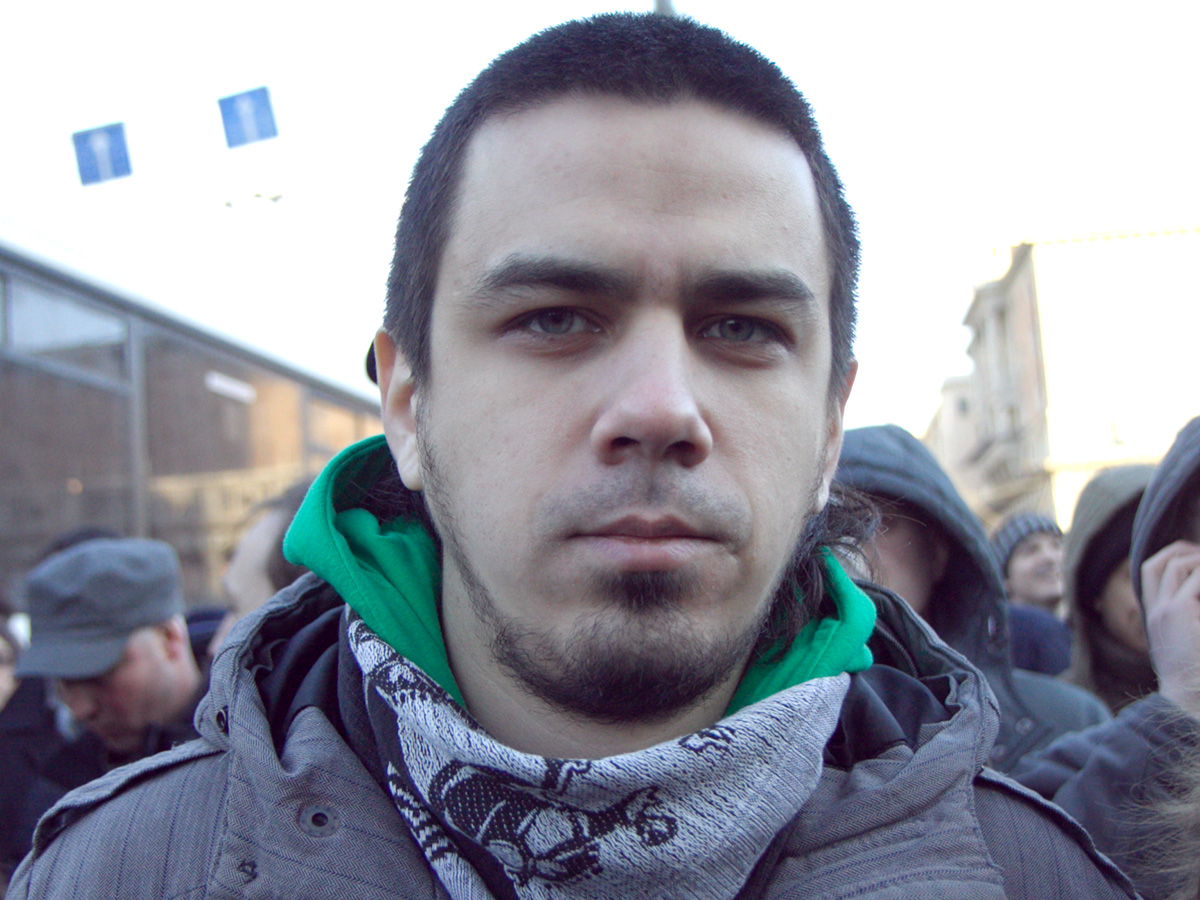
The participant of the working group of the festival Artem Loskutov , who this year makes a lecture called “What you cannot talk about” and so far cannot reveal the content of his speech, notes that a decline is now observed in activist art, which is associated with a common decline in the socio-political life of Russia. What is the further development strategy to choose activist art? The answer to this question will be sought by the participants of the festival, says Artem Loskutov:
- In activist art, there was a big surge in 2011-2012, just like this surge was in political life in Russia. After this surge, an era of reaction, a decline in activity inevitably occurs. Since activism, actionism-no matter what it is called in Russian-political art, it also has a decline. Now it is important to talk about how to exist further in these conditions. What makes sense to do? What can you? Everyone saw everything: what happens to artists who are not political activists and fall for their political activity under repression, which happens with artists who also fall under repression for artistic activity. The most loud example is Pussy Riot, but there are many small similar examples. In this sense, it is important not to close in Russian problems, in Russian discourse. This festival is international, there are participants from other countries in which the situation is different, but who may have encountered something very similar a little earlier, have experience different from ours, and are able to share this experience. Perhaps in this way we will find a solution and agree to something,-hopes Artem Loskutov.
As stated in the text of the festival , its organizers strive to outline the “new contours of political connection”: “Freedom of self -realization in all its aspects, these are what we need, and not prisons and barracks that all government agencies of Russia turn into! We need to create our own infrastructure. We create a laboratory of such changes. In order to return to the Square in a new quality.”