
Translated material
NPOs against the prosecutor's office
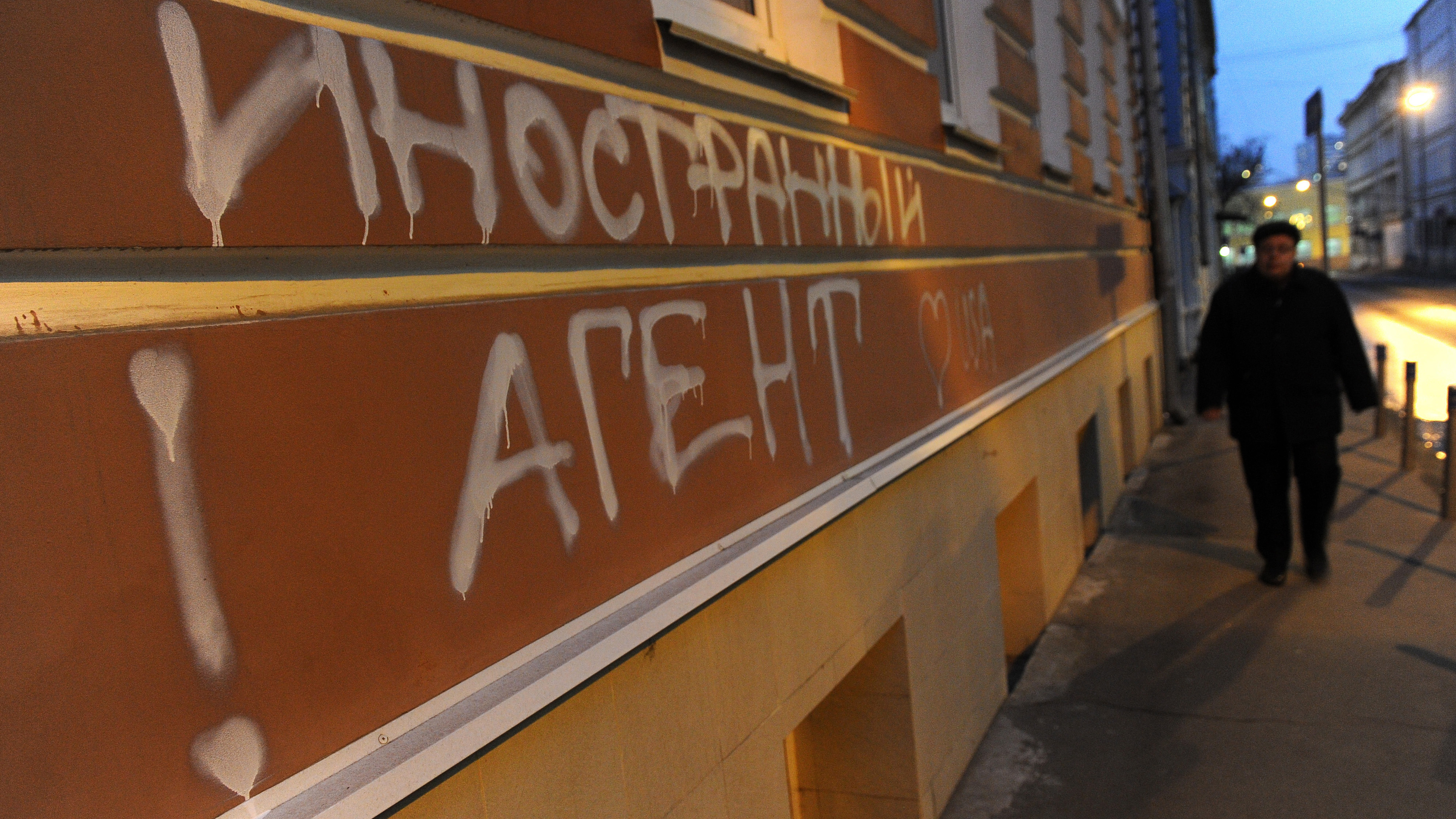
The Constitutional Court accepted complaints of organizations "Memorial" and "Agora" to the norms of the Law on the Prosecutor's Office
Human rights activists believe that the unknown law on the prosecutor's office contains norms that completely untie the hands of prosecutors who have the right to appear with checks to any organization at any time, and leave the audits without any rights at all. Organizations "Memorial and Agora" hope that the Constitutional Court will oblige legislators to finalize the Prosecutor's Office so that prosecutor’s inspections can occur not by the inexplicable manifestation of employees of the department, but only in the case of serious incidents that really require outside intervention.
Irina Fliga, director of the Memorial Scientific and Information Center, believes that scheduled or unscheduled inspections that occur several times a year in many NPOs, should not be in principle.
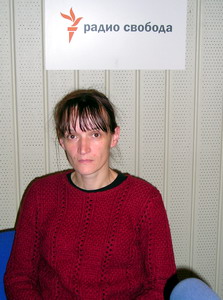
- We create our own organizations in order to verify and control state bodies, while we exist for extra -budgetary money, which means that the authorities should not worry at all, what we are doing. But today's Russian government perceives any independent behavior as something alien, which is happening under hostile Western influence. And they try to suppress this behavior in every way. This spring a new Civil Code was adopted, and very large changes were made there regarding public and non -profit organizations. And the Law on Public Organizations and NPOs cannot act - in the part where it has lost compliance with the Civil Code. And no one is in a hurry to eliminate this contradiction. I really respect those organizations that are not lazy to sort things out with the state in court, and I believe that this sense -pointed game - sued - lost, sued - lost, in fact, I am not at all meaningless. There are many cases when NGOs win in court.
“But some organizations lose and cease to exist.”
- Yes, you mean the Anti -Discrimination Center "Memorial" , of course, the loss is also very likely, and yet I think that you need to go to the courts. These processes cannot pass easily and smoothly. If we return to our complaint to the Constitutional Court, then it is actually a philosophical issue-what to do with prosecutorial inspections of public and non-profit organizations: they should be somehow ordered or they should not be carried out at all. We are simply used to such a state of affairs that we are being checked all the time, but in fact, it seems to me that all these checks are generally illegal. This is a long-standing dispute in our "memorial"-what to sue, what to complain of: that the audit was carried out with such and such violations, or that the audit is generally illegal. After all, the prosecutor's office should leave for some signal that a crime is committed somewhere. And what can be a planned audit of the prosecutor's office in a public organization? When you translate all this into normal human ideas, it becomes clear that we should not have any planned checks at all. But now everything gets away with everything.
The head of the Freedom Freedom of Information, Ivan Pavlov, welcomes the adoption of complaints “Agora” and “Memorial” for consideration by the Constitutional Court, although he does not hope for a decision that will facilitate the life of public organizations.
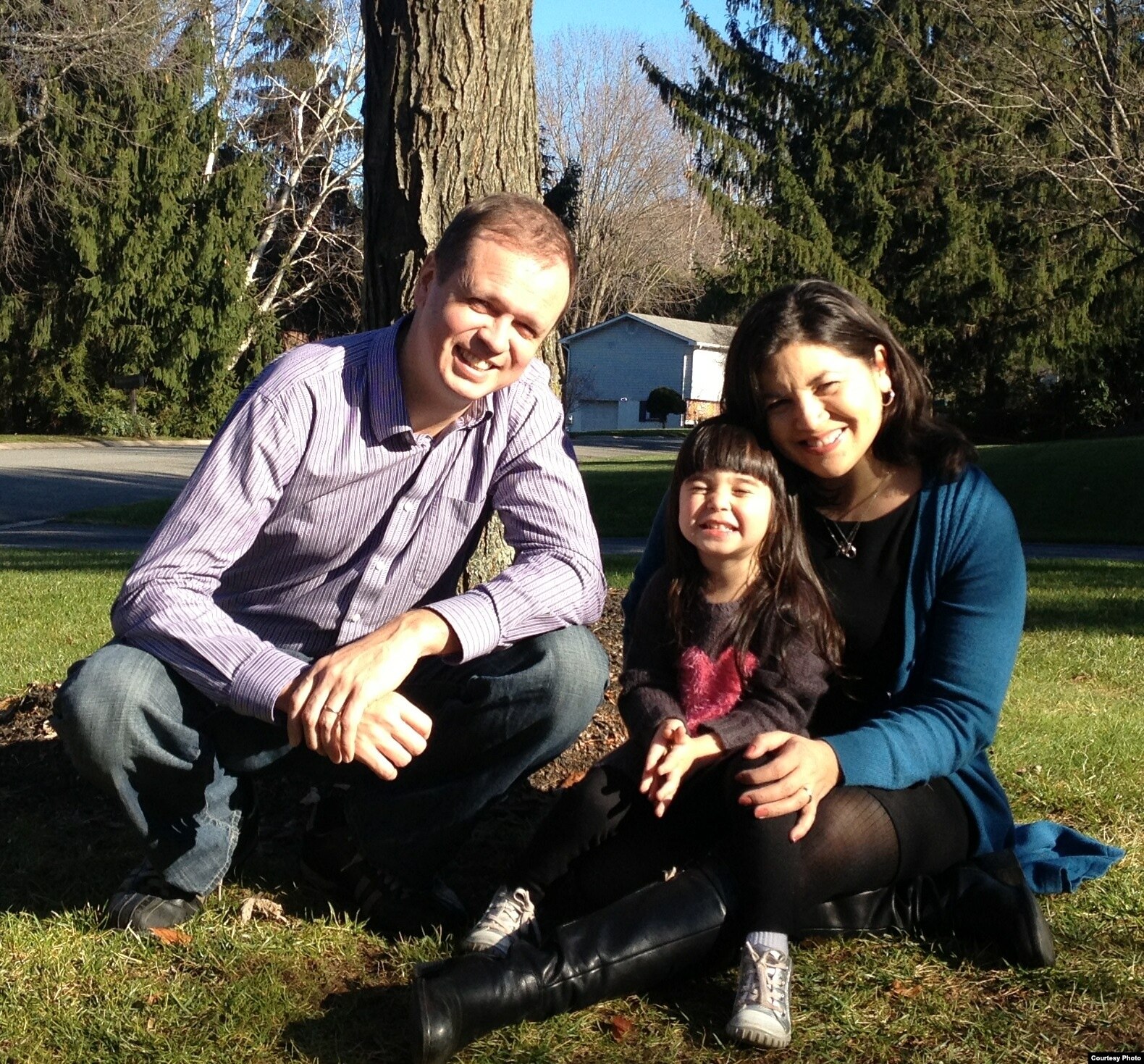
- All that is now required from the Constitutional Court is to confirm its own decree of 2001, which states that the legislator has not very accurately formulated the powers of the prosecutor’s office in terms of inspections and the rights of those whom she checks. But recently, the Constitutional Court is often inconsistent and has been changing its position in political affairs. In fact, the law completely unleashes the hands of the prosecutor's office and connects them to those organizations that are being verified. The prosecutor’s office was extremely activated in 2013, when it was necessary to make the law on “foreign agents”. Since the beginning of last year, a wave of inspections of non -profit organizations began, and not only them - they also checked the business. The prosecutor's office is now a powerful lever in the fight against civil activism, which did not like the Russian authorities so. The Constitutional Court must state a simple fact that the law on the prosecutor's office is not clearly formulated. The law should contain clear formulations, transparent and understandable procedures that occur during inspections, and it should also fix the list of rights for those whom the prosecutor's office checks.
Member of the human rights Council of St. Petersburg , Yuri Vdovin, believes that the Russian authorities have a clear attitude - to cease to exist or deprive the conditions for work independent NGOs.
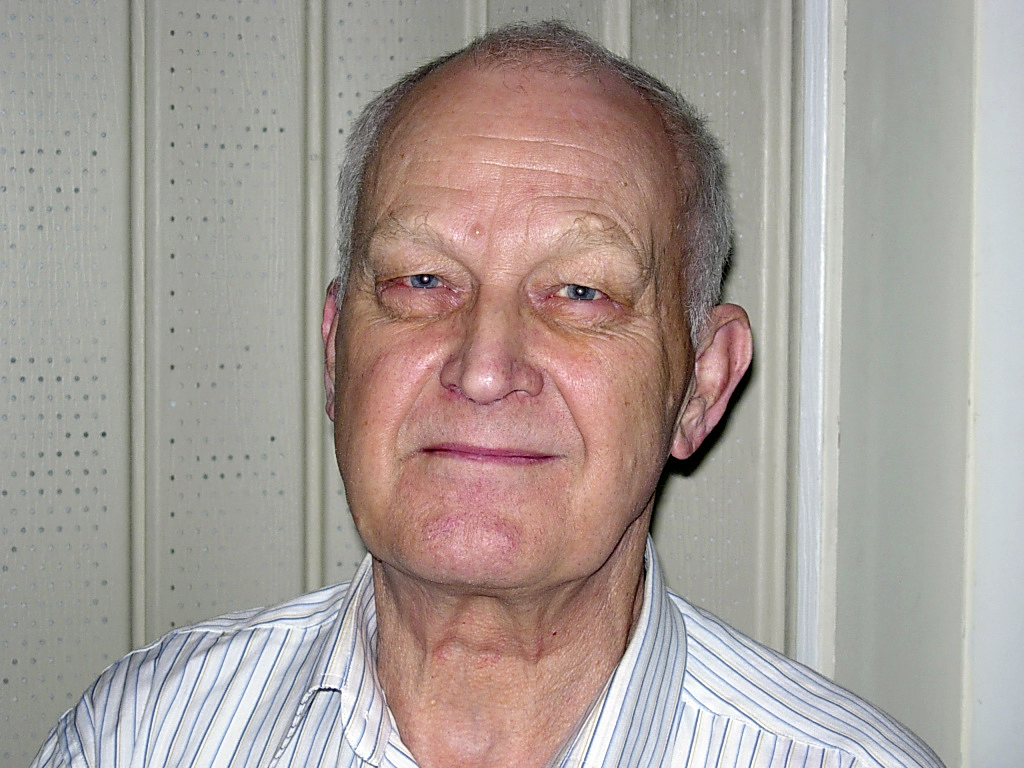
- The authorities know that independent NGOs are looking for the shortcomings of this very power, it advertises these shortcomings, and the authorities really do not like it. NPOs are aimed at ensuring that the authorities work for citizens, and not for itself. The question of whether all these checks are legal or illegal, does not play any role at all - you can forget about the legality in our country for a long time. We have absolutely illegal attitude towards independent NGOs, all these persecutions, their declaration by foreign agents, the fifth column, and national representatives-all this is from the field of the crimes of the authorities that will someday be investigated. And the Constitutional Court for a long time is not a constitutional court, but a voicing will of the president. But I hope that all this will not continue for a long time, that still, sooner or later, common sense will triumph. Now it is difficult to imagine, but six months before the fall of the Berlin wall, no one also suggested that it could collapse. Something similar can happen here-God forbid, so that without severe excesses.