
Translated material
Prochuropean Union
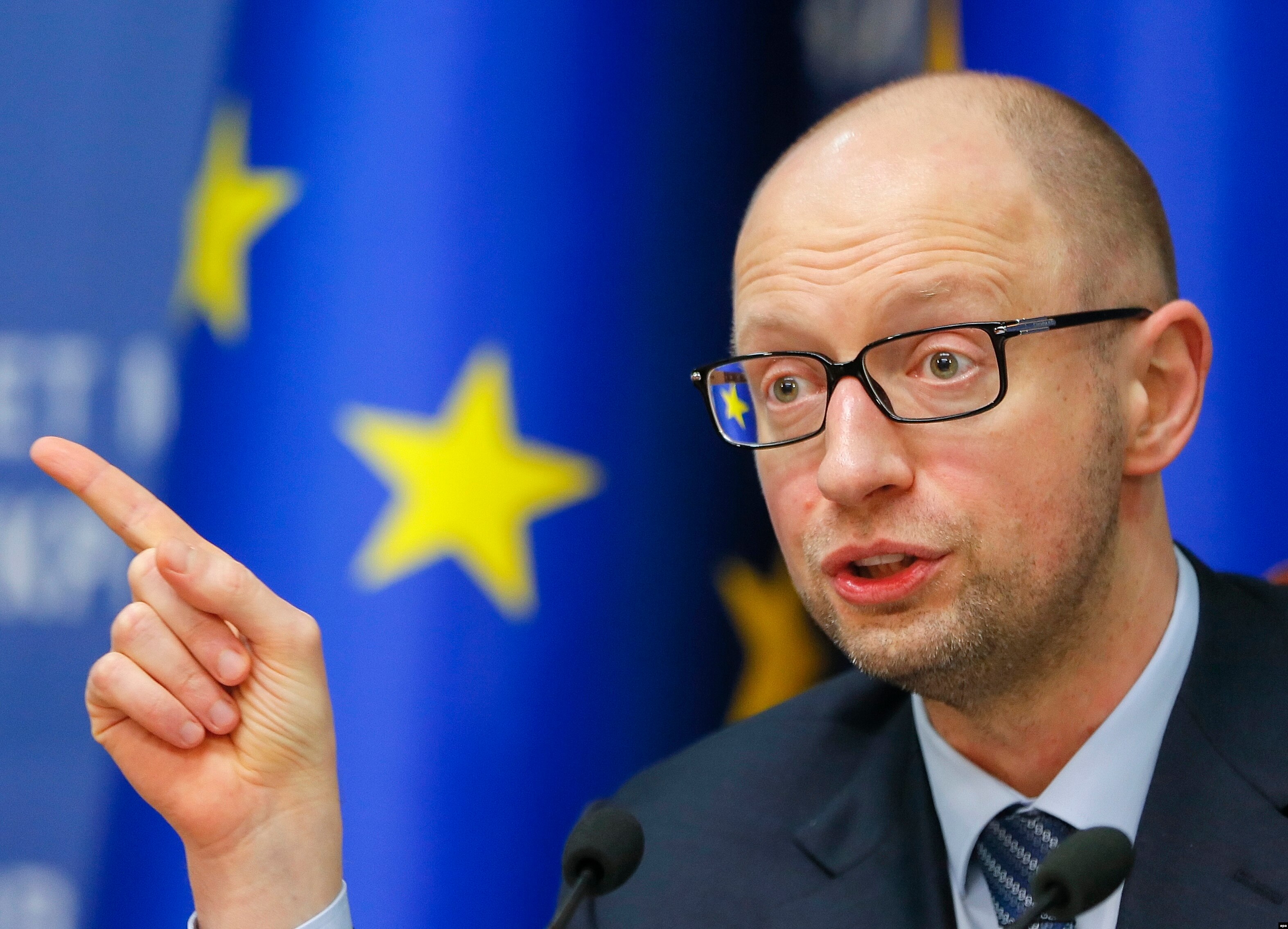
The leaders of the five Ukrainian parties entered into a coalition agreement
On the day of the Euromaidan anniversary, the leaders of five of the six parties that won the parliamentary elections in Ukraine announced the paraffin of the coalition agreement. Officially, this document and the formation of the coalition itself should be approved after the start of the work of the New Verkhovna Rada, whose first meeting is scheduled for November 27.
The coalition agreement was para) by the leaders of the “Popular Front” Arseniy Yatsenyuk, the presidential “Petro Poroshenko Bloc” Yuri Lutsenko, “Fatherland” Yulia Tymoshenko, the radical party - Oleg Lyashko and the representative of “Self -Help” Oksana Syroed. Over the text of the document, which has 70 pages, representatives of five political forces worked for more than three weeks.
“In the entire history of independence, the Ukrainian people first gave the pro-European and pro-Ukrainian forces the constitutional majority. Of the coalition, the coalition will have 300 out of 423 deputy mandates. On the basis of this coalition agreement, a simple, clear and understandable program of the new government of Ukraine is already being prepared,” said the leader of the People’s Front, Prime Minister Arseny Yatsenyuk .
The coalition agreement provides for the restoration of the Ukrainian authorities in the territories of Donbass, now controlled by the separatists, as well as the appeal of Kyiv to international courts with claims relatively abducted by Russia of Ukrainian assets and property in the Crimea. According to the political scientist, the deputy of the new parliament from the radical party Igor Popov , this document is about the abolition of the non -block status of Ukraine, and in the future - about the country's entry into NATO:
- The main thing is the attitude to the conflict in the east of Ukraine and the attitude to foreign policy. Five fractions of the new parliament agreed that in the new military doctrine, which should be accepted in the near future, a probable enemy will be indicated, and we all guess who will be this probable enemy. All five factions agreed that immediately the Verkhovna Rada should decide on the abolition of non -block status and the gradual integration of NATO structure. As for the economy, a consensus was also found in all basic parameters, macroeconomic indicators, budget, and foreign exchange policy.
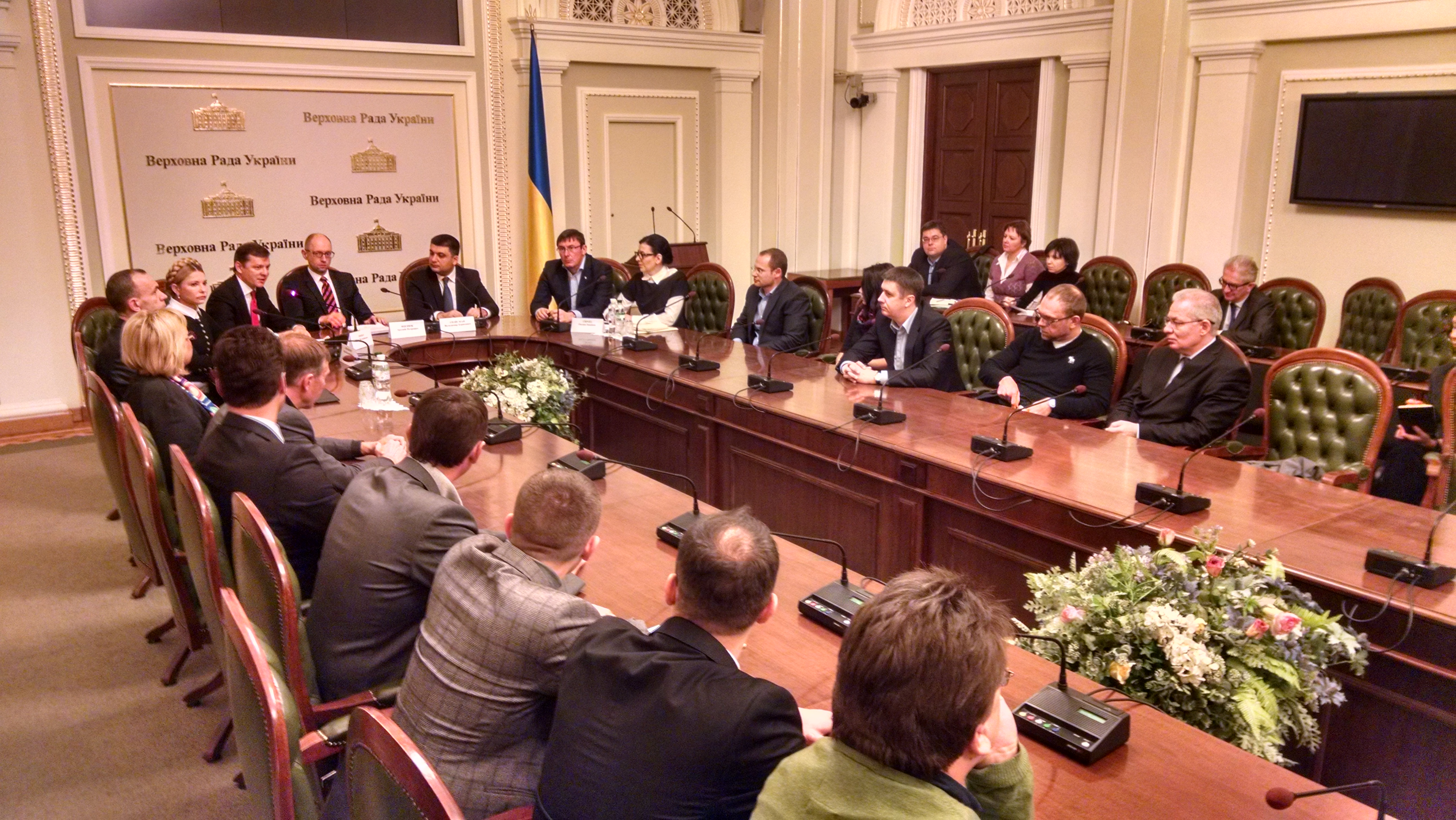
The parliamentary coalition, which of the winners of the elections will not be included only by the “Opposition Bloc”, consisting mainly of representatives of the former ruling party of regions, will be officially formally formed after the start of the work of the new Verkhovna Rada. Her first meeting is planned on November 27. As noted by the head of the sociological service “Ukrainian barometer”, Viktor Skyzhenko , a paraffin coalition agreement is unlikely to change significantly, and this document, obviously, will become framework for all pro-European National Democratic Forces of Ukraine:
The coalition agreement is a direction for all political forces, with the exception of those who pull Ukraine back to Russia
- Those who paraapid the agreement most likely do not follow their political logic, but how many public requirements and acute post -Maidrome syndromes, that is, people want changes. Even if this document is not fully executed, it will become a kind of framework agreement for all the political forces of the National Democratic orientation, which focus on reforms and the European Union. On the other hand, it will be very difficult to fulfill it, since all the good and important for Ukraine is written there, and the signatories are very different and conflicting political forces. It is difficult to call them equal partners, so each of the five parties, if the coalition agreement is not fulfilled, will blame its allies of this. The coalition agreement itself is, rather, a kind of direction for all political forces, with the exception of those who pull Ukraine back to Russia.
After the creation of the coalition, the Verkhovna Rada should approve the new government. For the final coordination of its composition, no more than ten days are left, since otherwise negotiations with the International Monetary Fund on the receipt of a new portion of a loan will be disrupted. None of the participants in the coalition negotiations objects that Yatsenyuk retains the post of prime minister. Serious contradictions remain between the “Petro Poroshenko Bloc” and the “People’s Front”, in particular, according to the portfolios of power ministers.
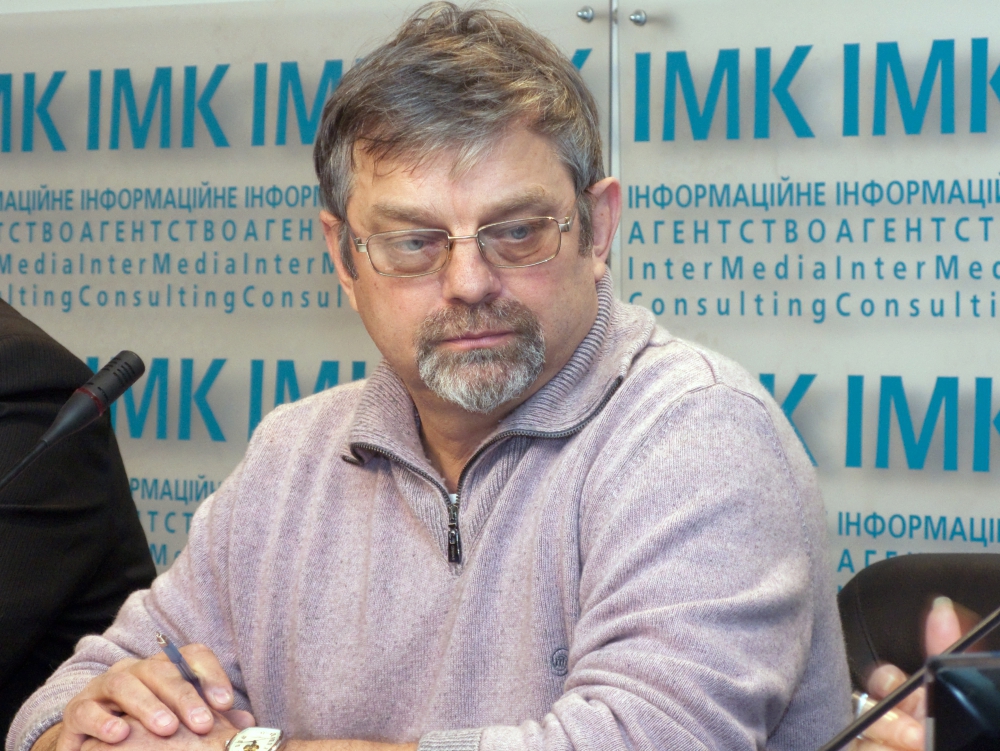
- Unfortunately, the worst happened. Poroshenko understands that he lost the parliamentary campaign, although he really wanted to win it in order to create a presidential majority in the Verkhovna Rada and change the constitution, expanding his powers. Now the current president is trying to go in another, obvious way. He wants to subjugate the entire power block, and not just ministers whom the president can appoint himself under the current constitution. In fact, we are talking about the desire of Poroshenko to change the model of government in Ukraine from the parliamentary-presidential, if not for the presidential, then for a semi-presidential one. This is the whole conflict around the section of ministerial portfolios. I think that the new Verkhovna Rada will react quite fiercely to such attempts by the head of state and may even try to take away from the president the right to appoint ministers of defense, foreign affairs and prosecutor general of Ukraine. I predict that now this war for posts in the government will end in favor of the parliament, that is, the parliament will control the post of head of the Ministry of Internal Affairs, not the president, ”said Viktor Skyzhenko , head of the Ukrainian barometer sociological service.