
Translated material
The oath in chorus
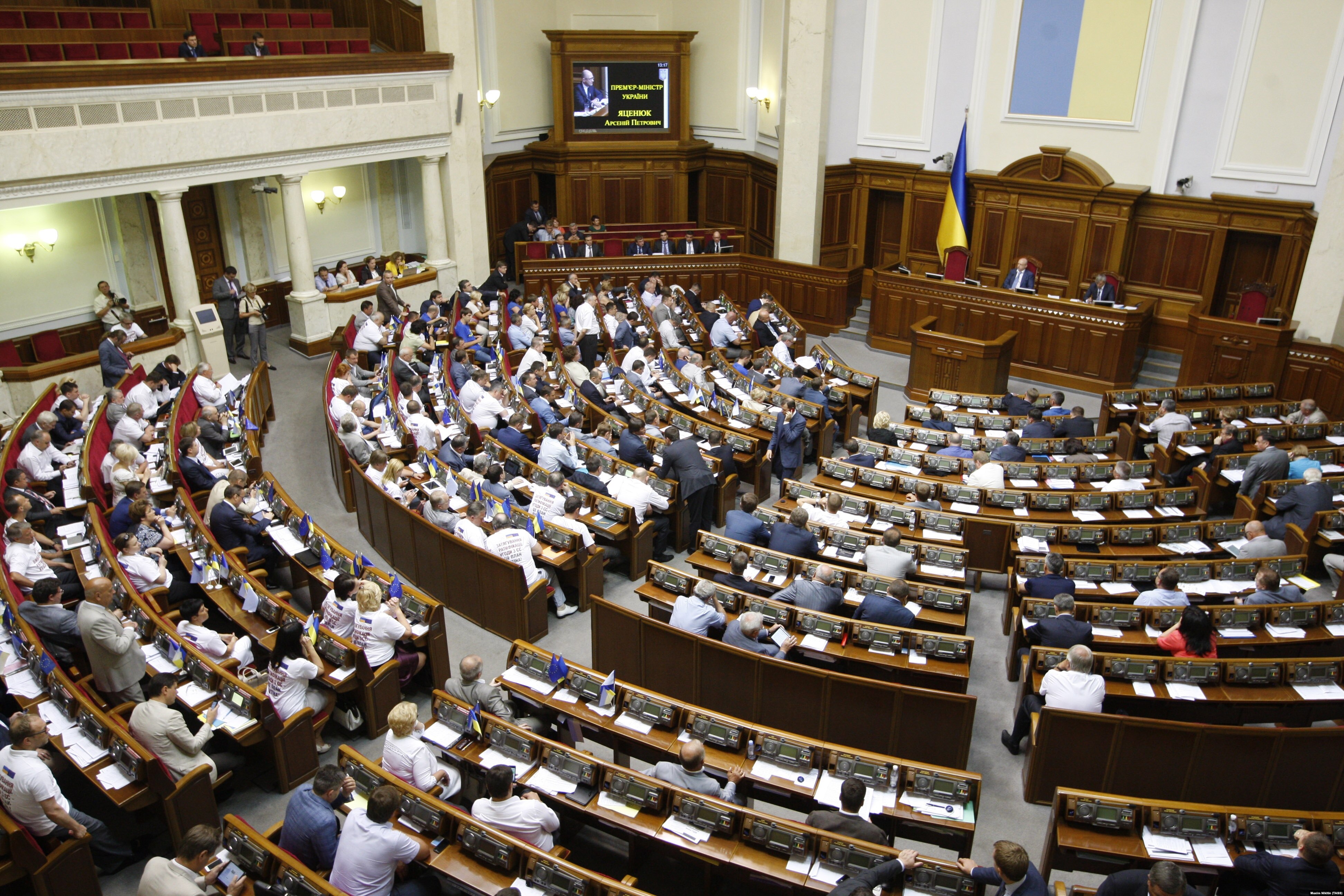
The New Verkhovna Rada begins work in Kyiv, supporters of European integration have a constitutional majority in it
Almost a month after the election, the deputies of the Verkhovna Rada of Ukraine of the VIII convocation on Thursday gathered for their first meeting. He was also attended by the head of state Petro Poroshenko and members of the government. In accordance with the Constitution of Ukraine, the Cabinet of Ministers resigned the authority to the newly elected Verkhovna Rada. On Thursday, deputies formed the factions and signed a previously paraffin coalition agreement. The composition of the Cabinet of Ministers will be approved on Tuesday, December 2.
In anticipation of possible provocations of Rada, employees of the Ministry of Internal Affairs guarded intensively. The day before, activists promised not to put into the building of the re -elected deputies who voted for the so -called "dictatorial laws" on January 16 of this year.
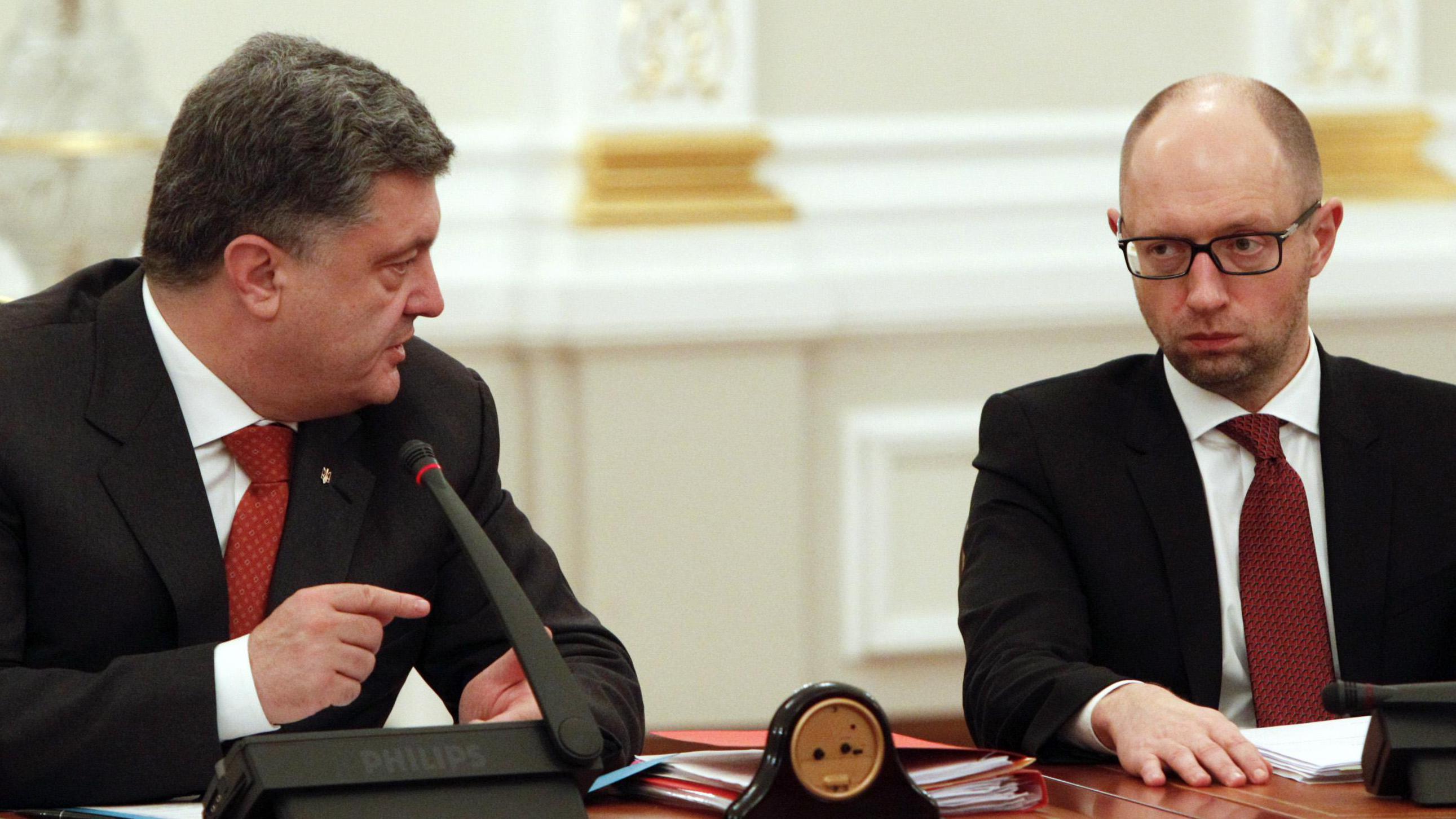
For the first time since the time of Ukrainian independence, there will be no communists under the dome of parliament. In the new higher legislative body of the country, six winners of the parties that won the elections are represented. Five of them - the “Popular Front” of the Prime Minister Arseniy Yatsenyuk, the presidential “bloc of Petro Poroshenko”, “Self -help” by the mayor of Lviv Andrei Sadovoy, the radical party of Oleg Lyashko and the “Fatherland” Yulia Tymoshenko - formed a coalition.
The coalition included 302 deputies (the minimum majority is 226 parliamentarians, and the majority of 300 votes can change the Constitution of Ukraine), however, according to Petro Poroshenko, the number of coalition deputies may increase in the future. The “opposition block” will be opposed, which included many representatives of the former ruling party of regions.
The work of the Verkhovna Rada began with the solemn acceptance by deputies of the oath. Traditionally, such a right is granted to the oldest of all the people's deputies, but this time they decided to change the procedure. The reason for this was that the oldest deputy of the parliament of the new convocation was an 81-year-old representative of the former ruling Party of Regions Efim Zvyagilsky (he won the elections in one of the single-mandate districts), who voted on “dictatorship laws” of the then President of Ukraine Viktor Yanukovych on January 16, 2014.
For this reason, the coalition leaders called to deprive Zvyagilsky such an honorary mission, granting the right to read out an oath, for example, the leader of the Crimean Tatars Mustafa Dzhemilev (71 years old) or Yuri Shukhevich (the leader of UNA-UNSO and the son of the commander of the Ukrainian rebel army Roman Shukhevich, he is a little more than more than a month younger than Zvyagilsky). However, in the end, they decided that for the first time all the deputies will simultaneously read out the text of the oath from their jobs and put signatures under this document there. After that, the parliamentarians sang the state anthem along with the folk choir of Ukraine named after Verevka.

On the agenda of work on November 27, 12 issues related to procedural issues, as well as the appointment of the speaker of the parliament, his deputies and the prime minister, were included. According to the agreements between the "Popular Front" and "Bloc of Petro Poroshenko", the chairman of the VI was occupied by the representative of the Presidential team Vladimir Groysman. Arseniy Yatsenyuk was expectedly elected prime minister.
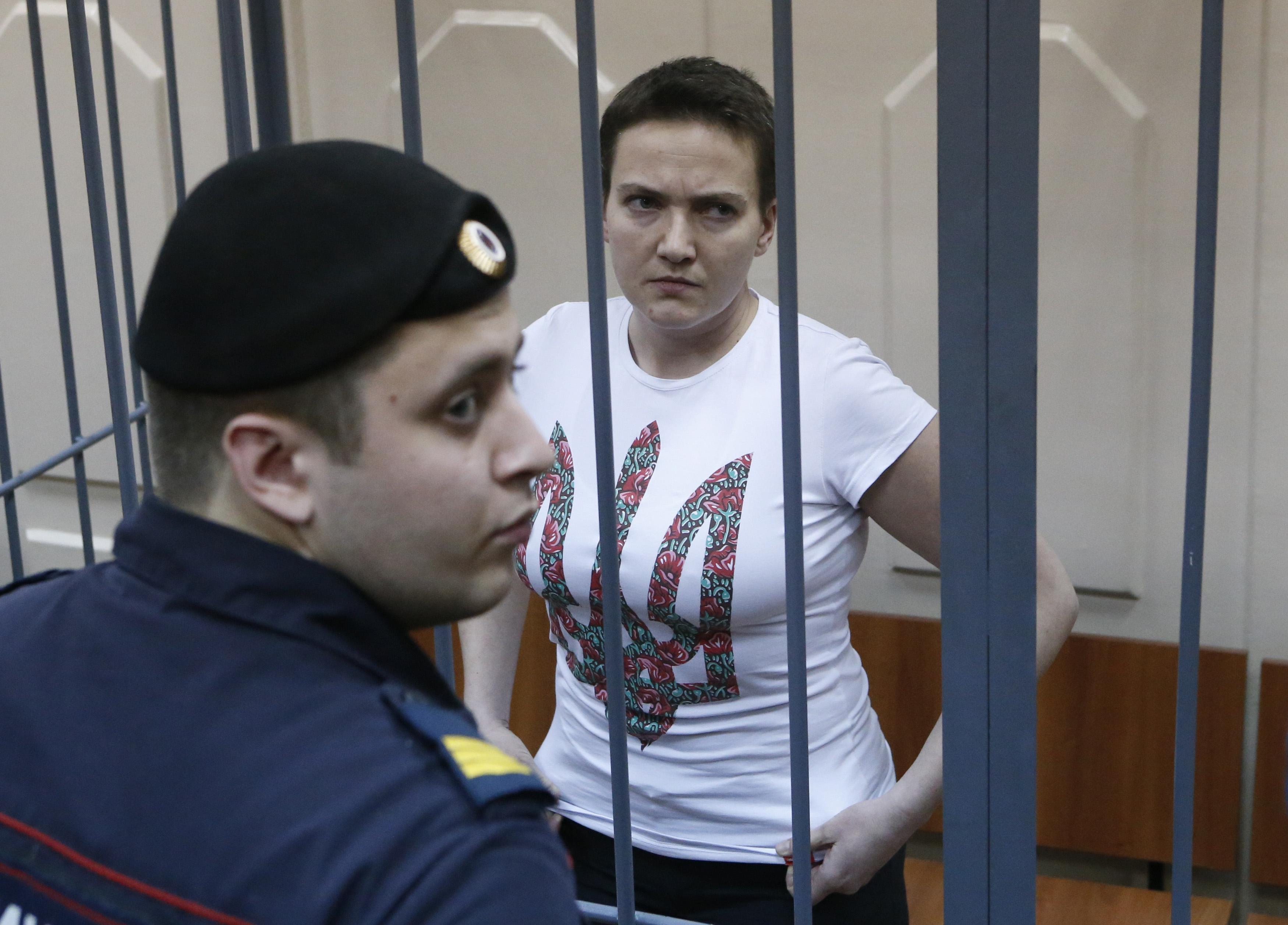
After the leadership of the parliament was elected, the people's elected chosen ones formed the factions, and then, as expected, the leaders of the five factions put their signatures under the coalition agreement. In it, in particular, there is a paragraph that a prisoner in Russia, who was chosen by a deputy of the BP from Russia, should become a representative of Ukraine in the Parliamentary Assembly of the Council of Europe, which can accelerate the process of its release from the Russian prison. The coalition agreement also implies in the future the deprivation of the people's deputies of deputy inviolability, the adoption of the law on the impeachment of the President, the return of sovereignty over the territory of Crimea and the restoration of the course of Ukraine to join NATO.
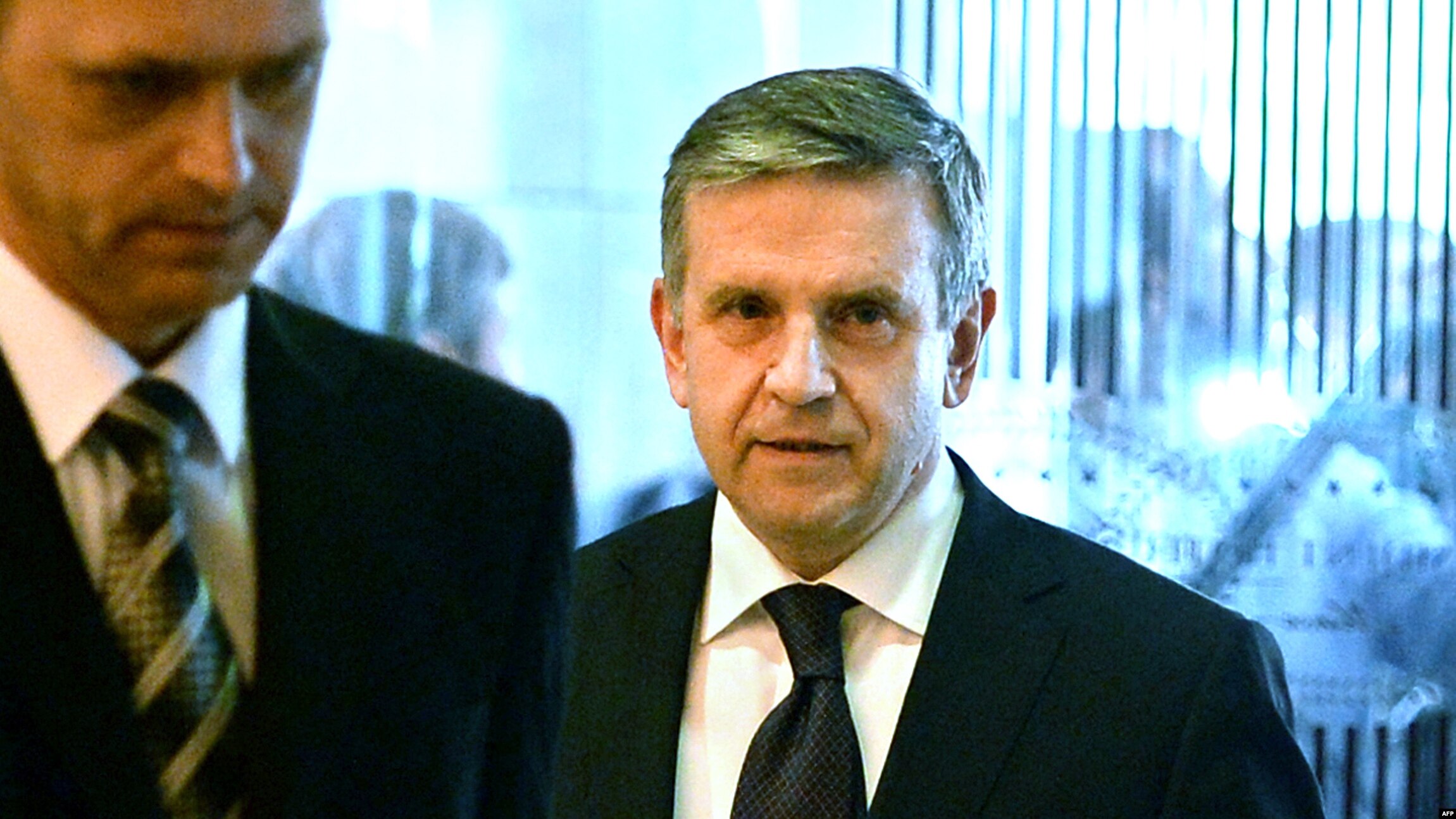
Late in the evening of November 26, Ukrainian journalists who were waiting for the meeting of the representatives of Blok Petro Poroshenko became witnesses, as the Russian ambassador Mikhail Zurabov left the presidential administration, abandoning any comments. Ukrainian media write that Poroshenko spoke almost an hour and a half in his office by phone with Russian President Vladimir Putin in the presence of the Russian ambassador. According to the press, Putin demanded the recognition of the separatist republics and the refusal of Ukraine from joining NATO and the EU, threatening to begin the large -scale attack of his troops in Ukrainian positions in the Donbass.
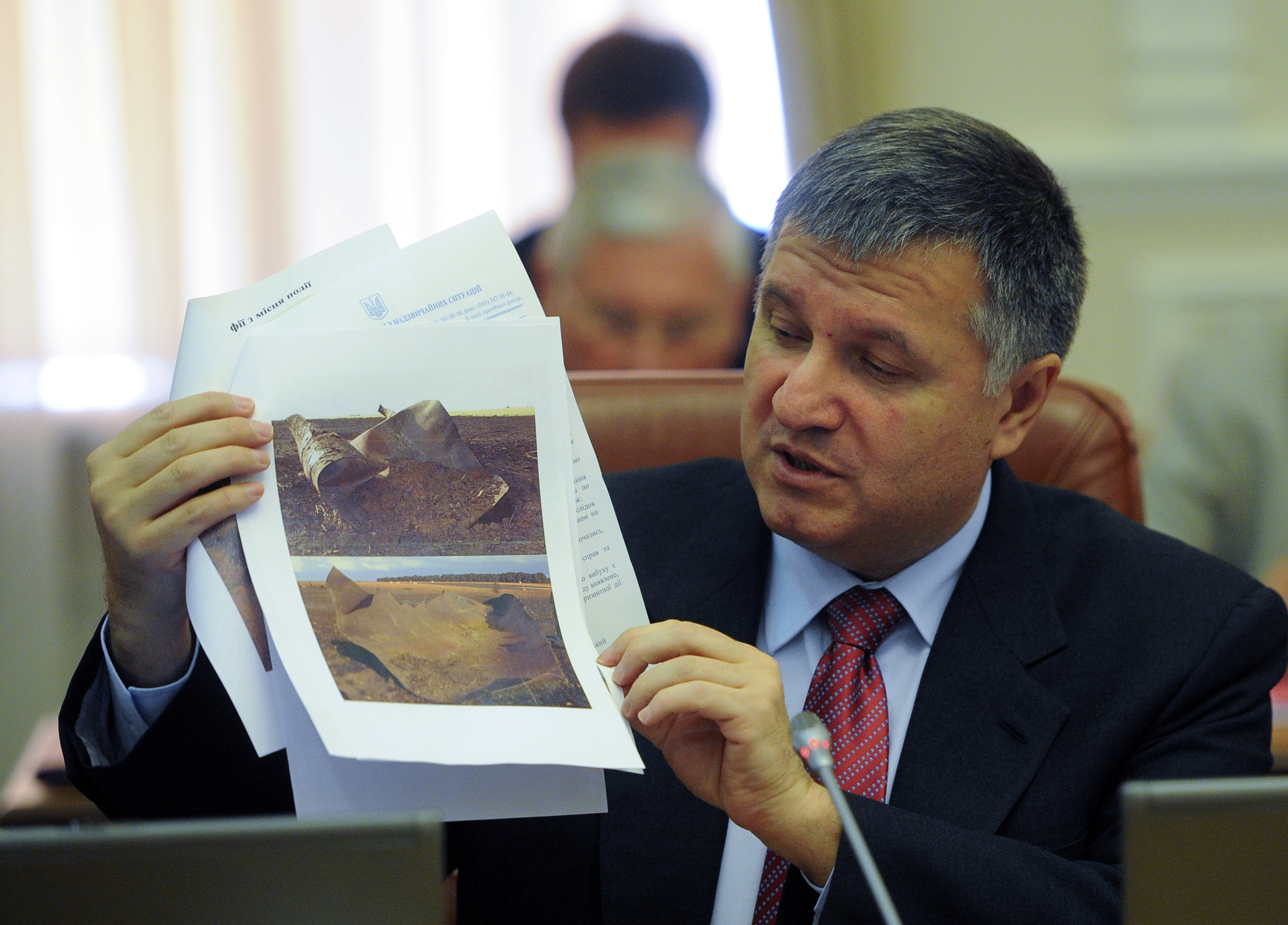
Ukrainian deputies will begin the approval of the entire composition of the new government at the next meeting, December 2. Negotiations on the division of ministerial portfolios, as some of their participants note, are far from completion. The position of the Minister of the Interior, on which Arseny Yatsenyuk, would like to see his one -party man, the current head of the Ministry of Internal Affairs Arsen Avakov, and Petro Poroshenko, Stepan Poltorak, who has been this position since October of this year, remains controversial, as before. The president proposes to leave as Minister of Education Sergei Kvit, Culture - Evgenia Nishchuk, Foreign Affairs - Pavel Klimkin, and for other posts in the government proposes to appoint several top managers of large Western campaigns of Ukrainian origin who have been educated abroad.