
Translated material
The Russian authorities will cut expenses based on new low oil prices, the ruble has flogged immediately
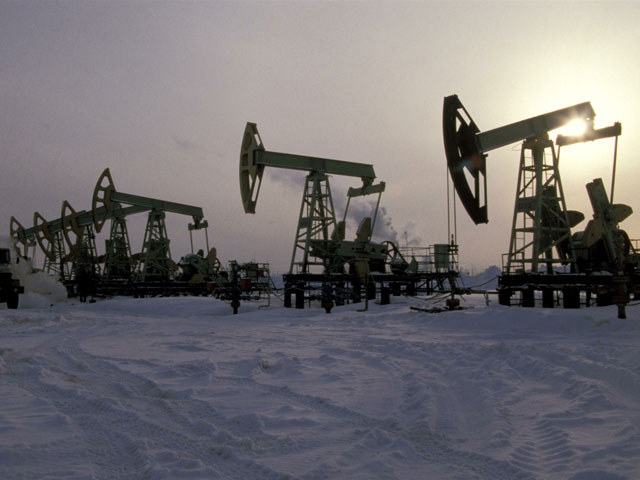
The dollar and the euro beat new records at the beginning of trading on the Moscow Exchange: the dollar was approaching 50 rubles, the euro exceeded 62 rubles. The fall of the ruble is associated with the collapse of world oil prices after the OPEC solutions : the cartel decided to maintain existing quotas for oil production - 30 million barrels per day.
At 10:05 Moscow time, the weighted average US dollar exchange rate to the Russian ruble with the term of “Tomorrow” accounts at the auction of the Moscow Exchange jumped 2.04 rubles compared to the weighted average exchange rate of the previous trading day and amounted to 49,5298 rubles.
In relation to the official course, the American currency flew by 2.07 rubles. In relation to the last transaction of the previous session, the American currency added 1.07 rubles.
The weighted average of the euro with the term of calculations "Tomorrow" jumped at 2.09 rubles relative to the exchange rate set by the Bank of Russia for today, and amounted to 61.7097 rubles. Compared to the last transaction on Thursday, the euros grew by 78.32 kopecks. The euro exceeded in the morning and a mark of 62 rubles, reports Finmarket .
The OPEC decision does not reduce quotas for the extraction of raw materials to operate until June 2015. And until that time, the fate of Barel is predetermined - for a rise in price, he has no good reason.
- Sechin: oil prices can fall below $ 60
OPEC considered that with current oil quotes, they will be able to supplant cheap American shale projects from the market. At a price below $ 70 per barrel, about half of these projects will go within six months.
Exchange speculators, in anticipation of a possible new fall in oil prices, immediately rushed into the foreign exchange market. The euro now costs more than 60 rubles, the dollar - almost 49. If oil prices collapse below $ 70 per barrel, the Central Bank will have to seriously engage in the support of the ruble.
As the director of the Energy Development Fund Sergey Pikin explained, while the fall in foreign currency revenue is compensated by the increase in the value of the currency. “But for industry, for ordinary citizens, the increase in the cost of imported goods is not good,” he said.
Officials of the Ministry of Finance said, after the OPEC decision that Russia needs to revise its budget guidelines and now consider the price of $ 80 by a non -pessimistic forecast, but moderately optimistic. Why the Russian leadership was confident in the impossibility of reducing oil prices below 90 or 80 dollars, it is still impossible to explain, the “Independent Newspaper” notes.
The expenses of the 2015 budget are calculated based on the $ 96 per barrel, but the government cannot cut the approved state programs already approved. The commission created even before the fall of oil prices to optimize budget expenditures now calculates the possibility of reducing expenses in 2015 by 10%.
Since the sequestration of social expenses is impossible for political reasons, the authorities promise to climb "into the cube" while maintaining low oil prices. According to Anton Siluanov, from the reserve fund in 2015, it may be possible to spend 500 billion rubles from the 3.9 trillion there now. Before that, the Ministry of Finance intends to devastate the anti -crisis reserve, which next year will amount to 120 billion rubles.
However, the most significant changes in budget policy can only occur when layout the next budget for 2016, Kommersant reports. According to the head of the Department of Long -term planning of the Ministry of Finance Maxim Oreshkin, the adaptation of Goskasen to a new level of oil prices should mean a more stringent approach to expenses.
Only direct losses of the economy from reducing export revenues when falling the average annual price to $ 80 per barrel will amount to about $ 70 billion, said the head of the Economic Expert Group Evsey Gurvich. For the budget, 20% subsistence of the average price means reducing oil and gas revenues by 2 trillion rubles, or 2.5% of GDP. The devaluation of the ruble can compensate for these losses by about 30%, however, given the slowdown in growth and acceleration of inflation, the budget loss may be higher.
Earlier, the Ministry of Finance estimated the losses of the 2015 budget from low oil prices, as well as from low economic growth rates and problems with imports of 1 trillion rubles. And Minister Anton Siluanov warned that new oil prices in the world market came for a long time.
Russian companies restrainedly reacted to the results of the OPEC meeting. Rosneft has a sufficient supply of strength, because the cost of production in the company is the lowest in the world - just above four dollars per barrel, ”the company representative said.
LUKOIL Vice President Leonid Fedun, anticipating the OPEC decision, claimed that the company would withstand a reduction in oil price to $ 25 per barrel, but most Russian companies, even at a price of $ 80, would be forced to turn part of their projects. "The level of hedging of oil prices will now be $ 60 per barrel and lower, which is murderous for most marginal projects," he said.
If the trend of falling oil prices and sanctions will remain, then by 2017, production in Russia will decrease by 25 million tons per year (5% of the current annual volume), said RBC Dmitry Alexandrov, deputy leader of the Universal Capital IR investment. The development of shelf projects and a number of complex deposits of Eastern Siberia will have to be frozen.