
Translated material
Nowhere to run
The most famous Norwegian defender of refugees Fridtjof Nansen believed that six years spent in Bergen were crucial for his personal development. Nowadays, in the city, which influenced the formation of Nansen, a daily struggle for the rights of asylum suppliers is being carried out. Most of all, the public is outraged by the bureaucratic attitude to the Azilants and the deportation of children born and grew up in Norway.
According to the Immigrant Affairs Department, in 2014, 9834 people were asked asylum in Norway, most people arrived from Eritrea (2717) and Syria (1647). Among the azilants were Russians (183) and Ukrainians (111). Requests for refuge are not considered immediately, sometimes people are forced to wait years or even for decades. Therefore, the data on positive answers specified in the police report refers to the requests of previous years.
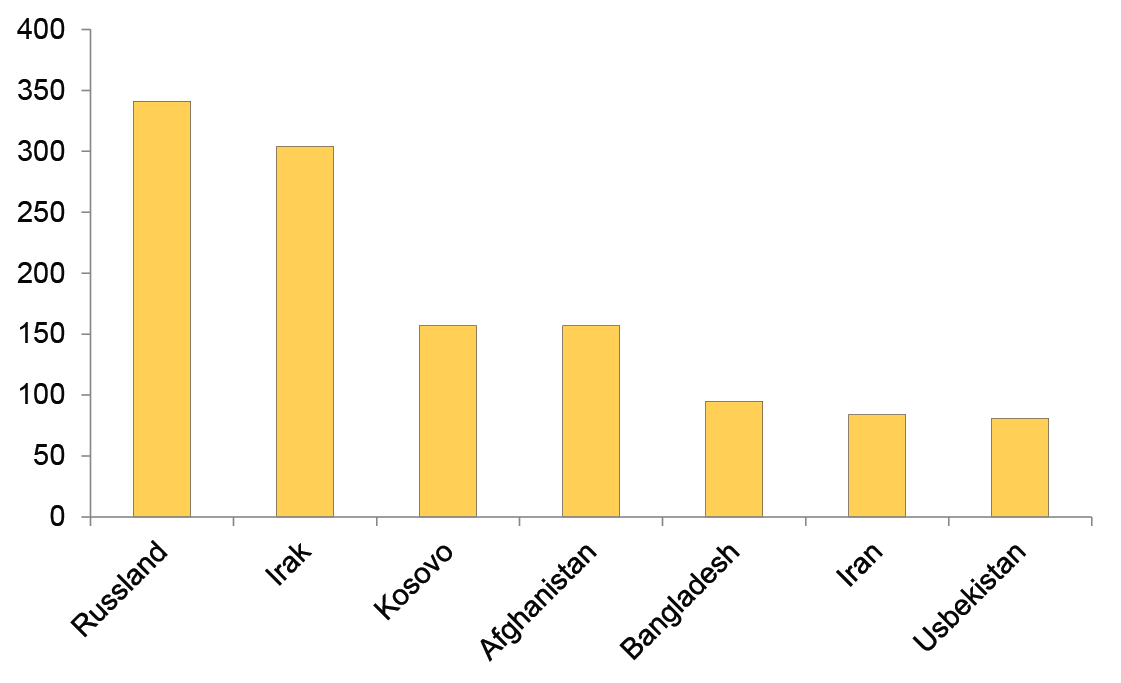
In 2013, asylum -asylum, “received positive” in 65% of 9,000 cases considered. Refugees from Eritrea (2200), Somalia (1300) and Syria (700) received the most positive answers (71%). In 2013, 1300 people were deported , and 1900 asylum petitioners left for their homeland under the voluntary return program. The largest group in the list of returned persons-2012 is Russian citizens.
Activist work with refugees is hard to emotionally. Part of the activity is half -Legal. In many cases, human rights activists are powerless. For leaders, there is a danger of persecution by the authorities. On November 11, 2014, three policemen in civilian clothes conducted an illegal search in the house of Rudy Bakken - a man who is a trustee of illegal immigrants and the leader of several major azilant support groups.
Although, according to the law, illegal immigrants have the right to medical care in an emergency, they are afraid of expulsion from the country and do not turn to ordinary doctors. In March 2014, a non -state medical center for illegal immigrants appeared in Bergen "We will help you and no one will know about it." 60 people work in the center.
Most city activists work in legal projects. There are state and independent integrative groups in each area of Bergen. They are based in cultural or religious centers, arrange concerts, holidays with national dishes, shows of ethnic clothing, social and artistic actions.
In March 2014, a three -day course for foreigners "can" can "was held. The themes of the meetings were self -esteem, the ability to cope with difficulties, awareness of their own strength and motivation. Women were told how to create network structures, participate in social work and working life. During the feminist festival for young foreigners, they gave a lecture on the history of feminism in Norway.
In 2010, as part of the "refugee telemarathon", students of a creative school under the leadership of Natasha Aliyeva touched a 600 m2 canvas the largest work created in this way
Meetings are periodically organized at which foreigners help to write a resume, correctly draw up documents, talk about legal rights. Activists from Nye Sos Rasisme help small and adult foreigners make lessons. For some people, especially for those who have just begun to teach Norwegian, such support is priceless. It can be difficult for refugees through severe life tests to find strength not only to learn the language, but even just to overcome the psychological barrier, live on, stop being afraid, start trusting people, go out into the street.
International groups play a huge role in the fight against the social isolation of foreigners, but also show society the advantages of diversity and reduce the degree of xenophobia. Political activists lead the campaign against bureaucracy, xenophobia, protect specific people, make statements for the press, rallies and processions, and assist people in camps. Money for refugees (and those that are in Norway, and those located in other countries) are collected tirelessly - for this, auctions, concerts, exhibitions are held. Donations are collected at rallies and holidays, charitable boxes can be seen in stores and organizations, people with coppers are on the squares, go along the entrances and call the door. Some leaders of initiatives personally withdraw the collected money to those in need of other countries.
Norwegians often go to volunteer work in third world countries. Charity in Norway is the norm of life, helping the needy children accustom at school. Many monthly transfer money to accounts of various social funds or organizations, wealthy people consider charity public duty. At the same time, left -wing radical activism rarely receives serious financial support and survives only due to the enthusiasm of the participants.
The largest general-Rvei charitable campaign is the annual televisionemarathon, TV-Aksjonen, conducted since 1974. The very first marathon, and also four of the subsequent ones were devoted to refugees directly, and most marathons collected money for organizations that help refugees. In 2010, in the framework of the "refugee telemarathon", students of a creative school under the leadership of Natasha Aliyeva touched on a canvas of 600 m2 the largest work created in this way. 43,000 legs are symbolized by 43 million refugees. The canvas was placed on the highest Bergen Gora, Ulricen, and then sold. The marathon then collected 208.5 million Norwegian crowns.
I participated in the 2013 telemarathon and I think that the result could be much better if the organizers did not spend so much money on a variety of advertising stuff used, or rather, not used during the action.
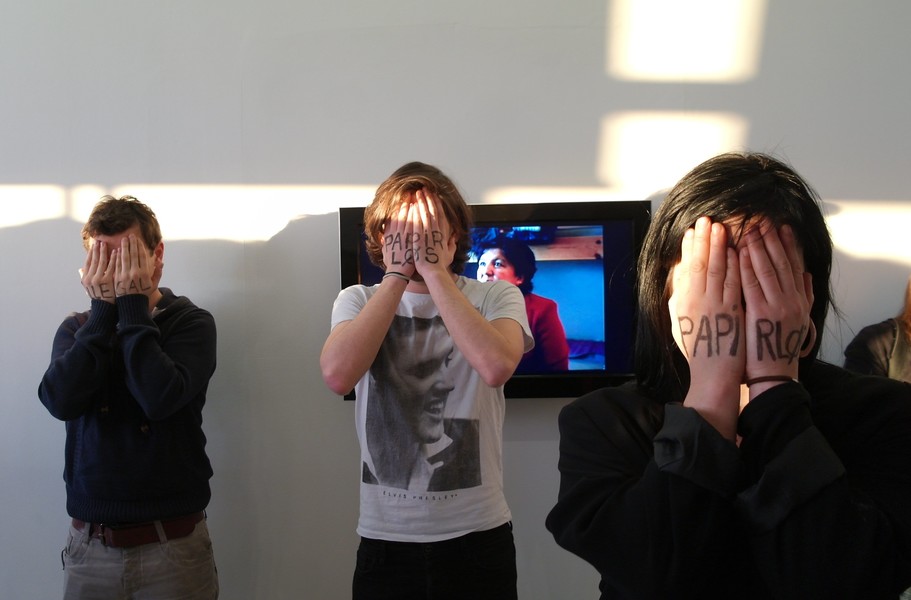
In April 2013, Katrina Meissfjord and Malin Lennsteem-Ortvall invited artists and artists to participate in the “Welcome to Reality” campaign-8 personal dramatic stories, living storytellers among installations. The Lampeza project called for solving the problem of the death of countless African refugees trying to get to the Italian island. The film of Mona Bentzen was dedicated to the fate of people forcibly deported to Kabul. A flash mob, during which people covered their faces with their palms with the word Papirlutch, urged to equalize the rights of people who have documents and lost papers.
The most famous refugee child in Norway is Nathan Stayet from the city of Itra Arna. On May 16, 2012, Nathan, together with his parents, should have been sent from the country, but people at the May Day processions - 2012 spoke out against this. 600 people gathered for the rally in support of the boy. Seven parliamentary parties, priests, teachers, human rights activists, lawyers and mayor of Bergen demanded to leave a family in Norway. All television channels made reports that Nathan celebrated his seventh birthday next to Prime Minister Jens Stoltenberg, with the slogan "Three years is enough" in his hands.
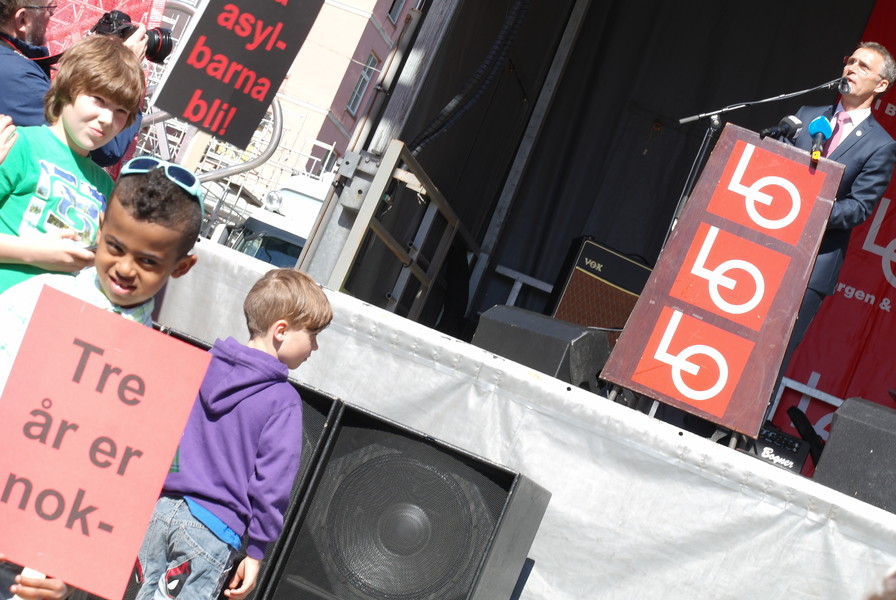
The requirement "lived for three years in the country - it remains" quite reasonable. However, in cases with deported children, more often we are not even talking about three years (seven -year -old Nathan was born in Norway). Activists demand that the affairs of refugee children be considered in the first place. They say: "The child learned the tongue, started friends, began to root for the local football team - there is no point in sending one of us."
33-year-old Aina Heldal, who is now the leader of the campaign against the deportation of the six hundred refugee children, played a decisive role in the fate of the Eschem family. Nathan’s case was the first in the political career of Aina. She could not think about anything else, wrote to politicians, organized rallies, spoke with reporters, went to court, arranged support shares in churches, stopped paying membership fees of the working party, promised a folk riot - and won.
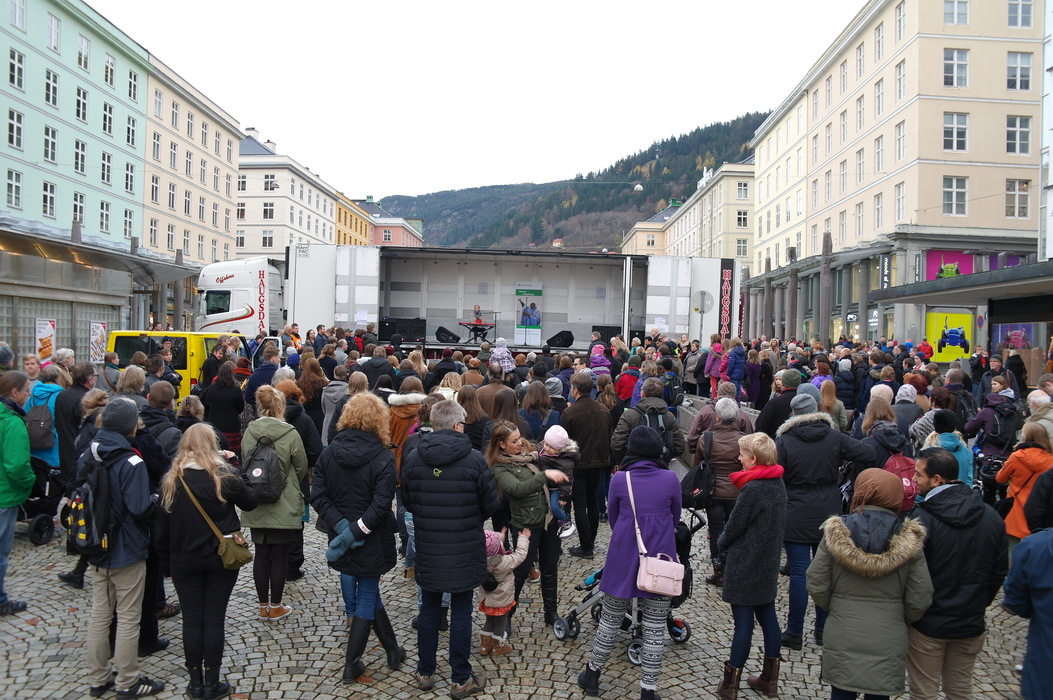
In October 2012, in the building of the Bergen City Council, a presentation of a new photo book about refugee children "I love Norway, but Norway does not love me." For the name, the words of the deported girl Nau Ibrahim are chosen. The authors of the book, Tina Poppe and Kari Gellein, told the Norwegian society that children living in centers for asylum petitioners along with their families.
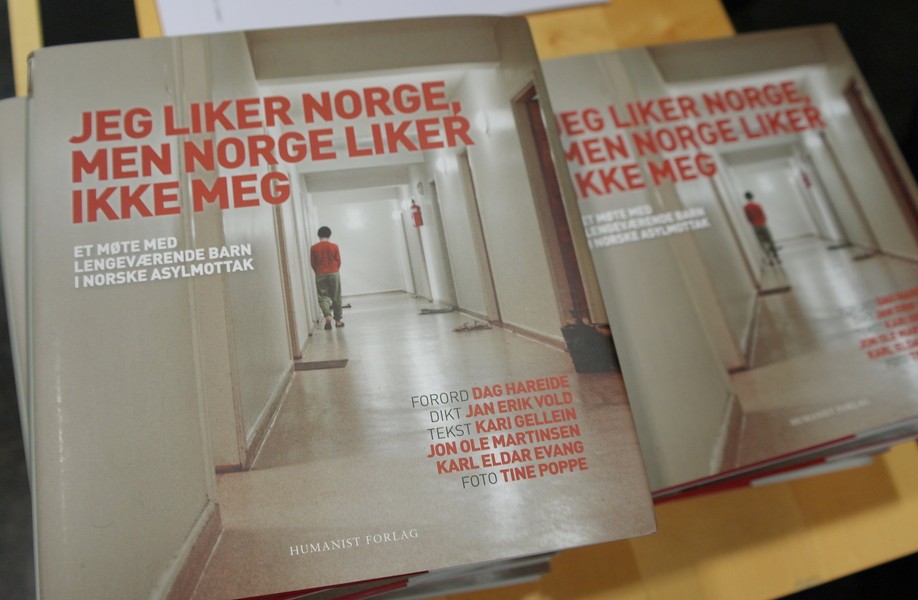
While bureaucrats from civil service are delaying the consideration of refugee affairs, children's problems turn into adult problems. Mistakes made by parents when paperwork are caused by the expulsion of adults even if the rest of the seven refuge members receive. The author of another well -known book "Illegal Norwegian", a refugee from Russia Madina Salamova (Maria Ameli), also came to Norway in childhood, lived illegally here for many years, was deported and was able to return to the country on a working visa.
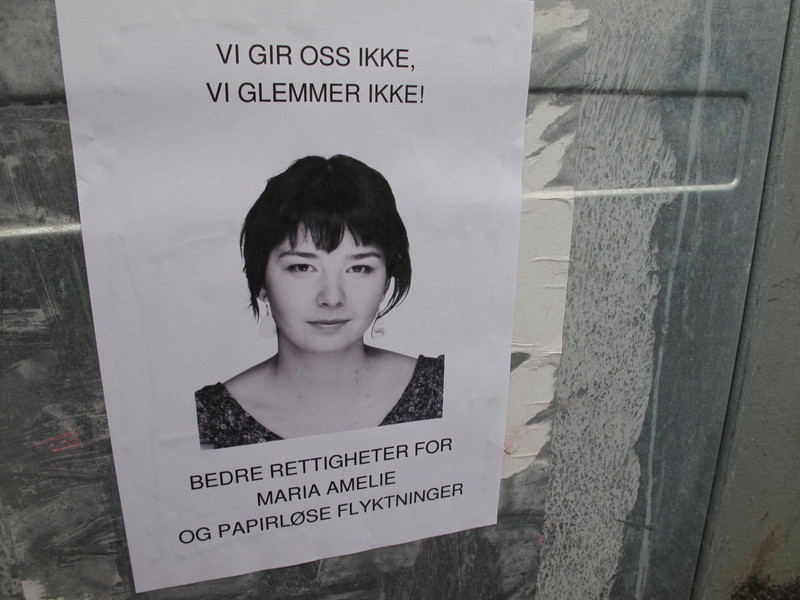
On the anniversary of the arrest of Maria Ameli, on January 12, 2012, a general -Rwege street action was held in support of illegal immigrants. Some Irene Militeg from the SV party said: "Instead of living on a benefit without the right to work, refugees could benefit the country. Norway policy delete illegal lifes." Ali Watti from the organization of "Rights of Illegal" explained why the refugees who announced the hunger strike to the ceremonies of St. John, did not want to return to their homeland voluntarily: "Apatience to be returned for death. We did not come here for money, and then to get protection." Adidju Congolese refugee cried because she received a refusal to manage immigrants: "My husband died in the war, and the child was born and raised in Norway. Now the child and I have to go to the Congo. The wait was too long. You get used to security, and you are sent back."
It is unacceptable that the richest country in the world shifts responsibility for refugees to poor countries in troubled regions
The employee of the refugee center in Arn Halligeire Berg said: "This is absolutely abnormal when people are in Norway without any rights." The history of the Iraqi Kurd Taiman Fatah, who came to Norway, was caused by a large public resonance, 14-year-old and deported for formal reasons. In 2001, Taimana’s mother, along with six children, fled from Iraq. In 2005, the whole family received shelter, while the Taiman was 18 by the time of consideration of the case, the case was allocated to separate production and brought to deportation. In February 2014, at the initiative of Rudy Bakken, a citywide campaign began against the deportation of the Taiman. The shares were collected up to 400 people. A week after the start of the campaign, she was supported by all parties, except for the Party of Progress, and the Tyiman group on Facebook increased to 8365 people, Internet users were photographed with posters against deportation. The slogans sounded: “There are no illegal people”, “No children are illegal”, “There is no temporary resolution of a residence”, “Taiman lived with us for 13 years. He is not a criminal”, “The taiman must live with his family in Norway,” “It could be your or my brother.”
Per Christian Sebak, a representative of the Jewish community, said that the situation reminds him of the attitude to Jews in Norway in the interwar period. Historian Per Christian understands well what it is - to be expelled from the country. He holds an annual memory of 530 Norwegian Jews deported on November 26, 1942. Activists go with torches in the Molenpris area, stop at all houses in which deported live, light candles, talk about every person. A minute of silence is spent near each house. The Bergen residents say that they will never forget their neighbors, and consider November 26 one of the Black Days of Norwegian history.
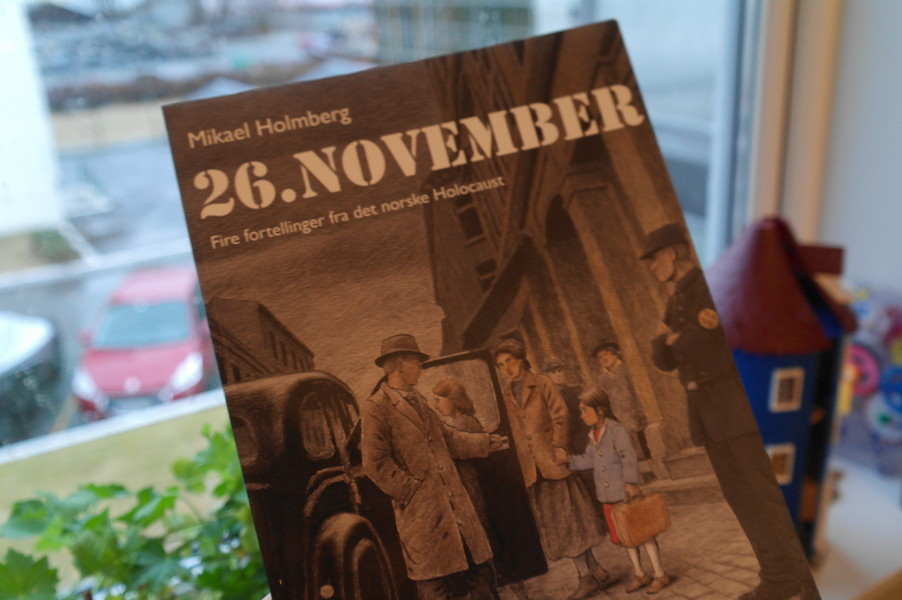
In 1943, in Bergen there were people who transported women from the Jewish family of Russian origin to Sweden - from the Lax family. The surviving women perpetuated the memory of the tragedy of their family with the help of laxas-premium, which is awarded to fighters with racial and religious discrimination. In 2013, Aina Heldal, a fight, the protruding of the Eschem family, who showed the whole city how to protect their neighbors.
The deportation of the refugee from Burundi Raisa Gasage in September 2014 served as the reason to start a new public campaign. The townspeople came to protest to the court building and said that the Raisa family was divided after 8 years of stay in Norway: the mother and two children (13 and 14 years old) were left in the country for humanitarian reasons, the father and the eldest daughter were expelled from the country. Rice was an activist Rux Kors and Way Forward, studied at the University of Berggen, had a bachelor's degree in the field of social anthropology, entered the magistracy. The police detained her in the reading room of the library.
In May 2013, activists staged a rally due to a decision on expulsion to Palestine Hadil and her two-year-old child born from the Norwegian. The police did not find good reason not to destroy the family: "It was necessary to serve a petition for reuniting a family from abroad."
I want to finish my story about the Bergen wrestlers for refugee rights by the words of the activists themselves. "It is unacceptable that the richest country in the world shifts responsibility for refugees to poor countries in turbulent regions. The proposals of the Norwegian government to tighten politics in relation to refugees and applicants of political asylum are absurd. This is not worthy of such a privileged nation as ours. Government proposals violate the children's children's convention. Officers use laws only for the laws only for In order to remove the responsibility, among other things, to introduce very tough rules for combining the family and, with the help of propaganda, is trying to show a threat to Norway. Return, should stay. "
You can find films and photos of protests for the rights of refugees in the Russian -speaking network newspaper Bergen hare. ” Take a look at the book “ The city says: activism in Bergen ” . And remember: freedom disappears immediately, as soon as its boundaries cease to protect.
Lyubava Malysheva-a civil activist, a photographer-documentary, lives in the Norwegian city of Bergen
Read other texts from the cycle about activism in Bergen: activism in Bergen (feminist organizations ), rainbow days (LGBT movement) , against garbage ( environmental activism )