
Translated material
"Glasnity began with Estonia"
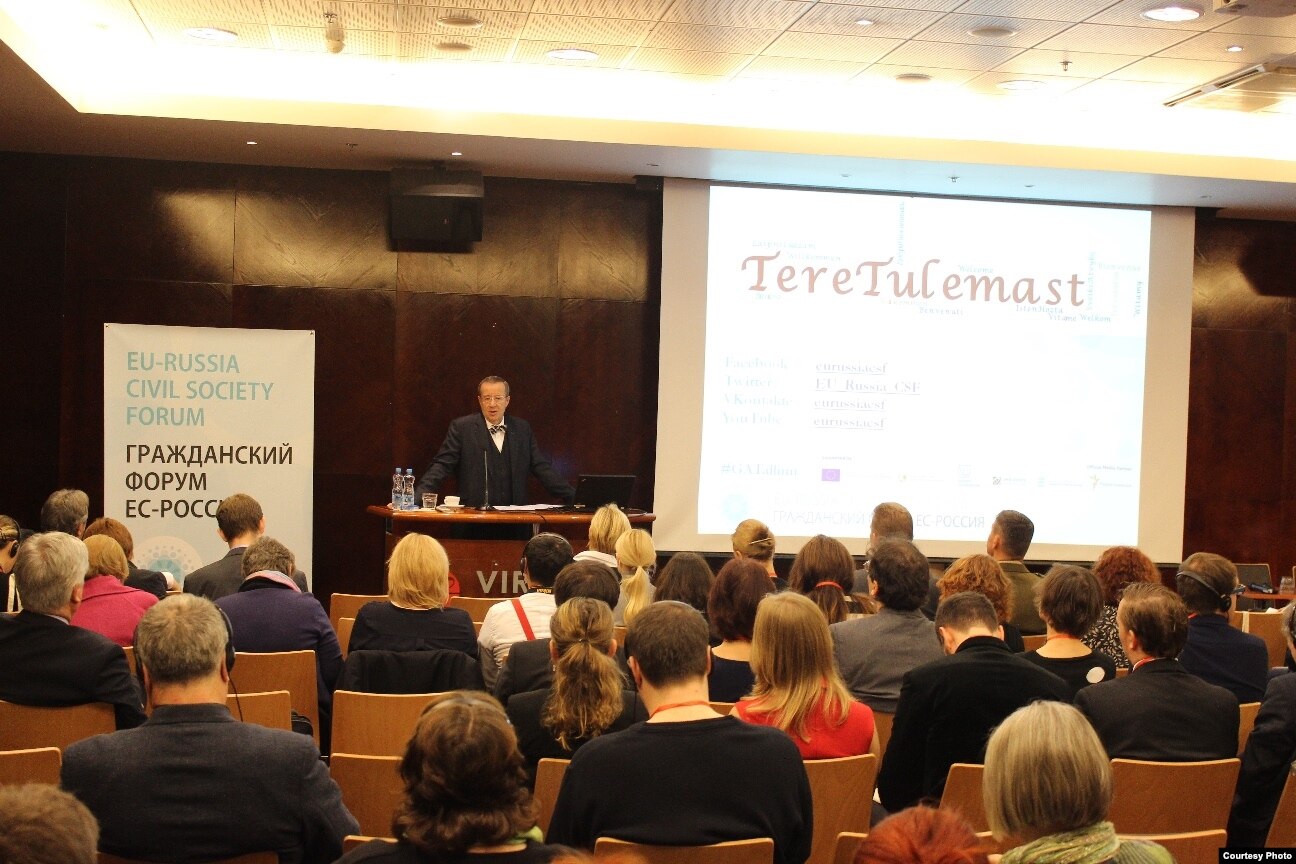
In Tallinn, the fifth General Assembly (General Meeting) of the Civil Forum of the EU - Russia completed work.
“Eighty percent of the population of those countries that Radio Free Europe/Radio Liberty still live in a state of lack of freedom in 1989,” said the General Assembly of the Civil Forum of the EU in a welcoming word, the president who hosted the Estonian Forum, Ilves (the head of the Estonian state specially agreed on the percentage of the population, and not about the number of countries that are about which The RS broadcast in the 80s). With these words, the president quite accurately outlined the situation in compliance with civil rights and freedoms in the post -Soviet space and, above all, in Russia. By the way, Mr. Ilves is a former analyst of the Research Institute of the Republic of Sakha in Munich, and then an employee of the Estonian service, where he worked until 1993.
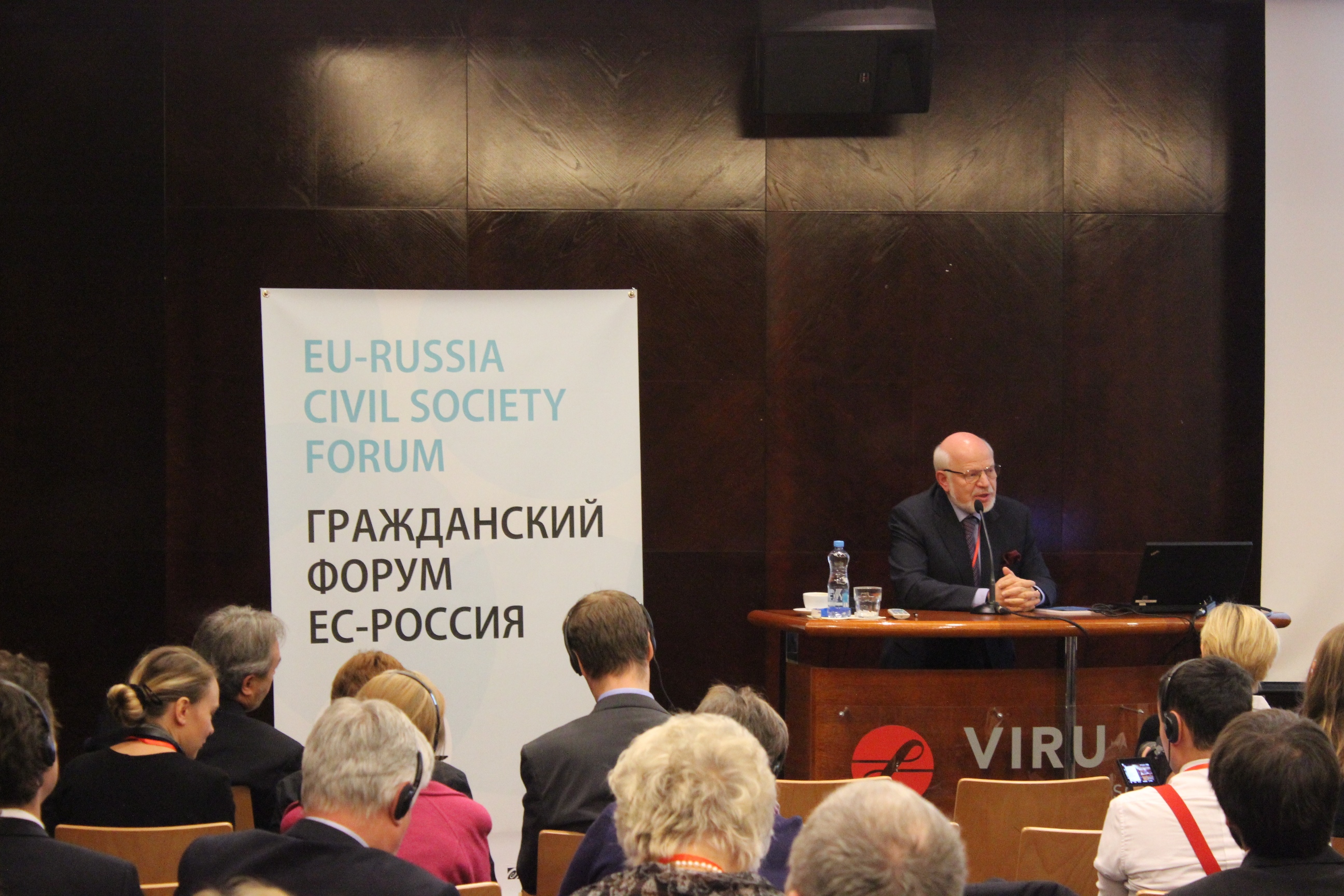
A curious fact was brought by the head of the Presidential Council on civil society and human rights, Mikhail Fedotov, who represented at the opening of the Assembly, said that the draft law on the press, in the development of which he participated in the late 80s, was first printed in Estonian in one of the Tallinn sports (!) Newspapers. Then the “reverse translation” appeared already in many other editions of the USSR-then it was believed that if some publication was allowed in one place, then this automatically meant permission to print in another. And this technique made it possible to avoid censorship inevitable for central Soviet publications. So, noted Mr. Fedotov, the publicity in the USSR actually began with Estonia, where the not already adopted law was printed for the Soviet Union for the first time, and his draft, issued for public discussion. Which, according to the head of the Presidential Council, makes Tallinn a symbolic place for holding the General Assembly of the Civil Forum of the EU - Russia.
It is very important to feel that we are a lot, that we support each other together
The organizers of the Assembly set themselves a difficult task - to find a general strategy for more than 130 different in spirit and tasks of NGOs, which are members of the EU Civil Forum - Russia. Representatives of NPOs who came to Tallinn wanted to discuss not only the Ukrainian crisis, freedom of speech on the Internet or ways to confront the inclusion of some NPOs in the register of foreign agents. For example, Igor Batov, Chairman of the Council of Environmental Human Rights Council in the Pskov Region “Free Coast” on the sidelines of the Assembly told me about the so -called “megasvinars” built in the field. According to Igor Batov, despite the fact that these pigsters are spreading a terrible smell throughout the region, it is more important for the authorities to show Moscow that they successfully confront Western sanctions, in response to which, a ban on imports to Russia from Western Europe was introduced.
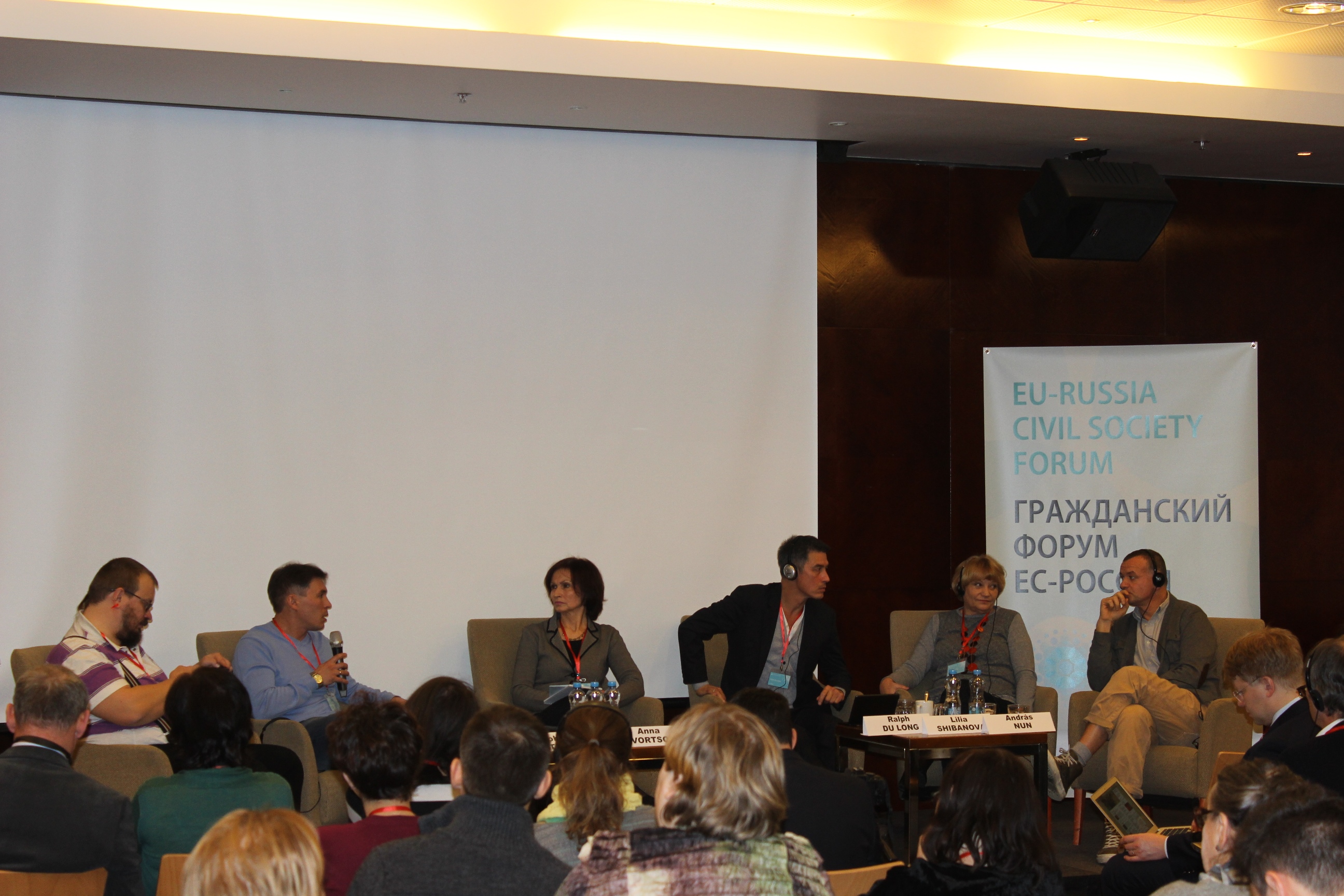
“Protecting the civil rights of people, NPOs are most often forced to enter into the fight against power structures that these rights infringe on. NPOs who are engaged in social problems, cannot be done to one or another,” Anna Skvortsova, director of the Center for the Development of Non -Profit Organizations in St. Petersburg, said in an interview. According to her, this does not mean that some NPOs work “correctly”, while others do not. This is the essence of their activities, although not everyone understands this, which is why mutual accusations arise - then in excessive flirting with the authorities, then in the reluctance to conduct a constructive dialogue with them. Such a platform as the General Assembly can help develop mutual understanding on this issue, the development of ties between NPOs at a horizontal level, Anna Skvortsova is sure.
The head of Ella Polyakova, the head of the organization “Soldiers' Mothers of St. Petersburg,” spoke about horizontal connections in the work of NPOs, more precisely, about their almost complete absence, and, and, and at the discussion of the Ukrainian crisis. This leads, in her opinion, to severe consequences, when, for example, contractors or conscripts do not want to participate in the conflict in the east of Ukraine in search of asylum, and then are again in Russia and are subjected to persecution.
“The biggest danger to us is apathy,” says Fedor Kravchenko, head of the Association of Lawyers in Media Support. Despite all the difficulties, inconsistency, and even the deliberate stupidity (words of Mikhail Fedotov) of laws on foreign participation in the media, bloggers and regulation of activities on the Internet, there is still an opportunity to defend in court, and it must be used, Mr. Kravchenko notes, who has more than once managed to achieve favorable for his clients. Especially in arbitration courts, where, according to him, mostly highly professional judges work. "True, the authorities understand this, and now the system of arbitration courts in Russia is deliberately destroyed. And this is another disturbing tendency for the country," notes Fedor Kravchenko.
To the honor of the organizers of the General Assembly, all the problems related to the development of the further development of the Civil Forum of the EU - Russia were posed openly - starting from the question of registering the forum as a legal entity and ending with an understanding of whether Russia and the European Union are represented together by a certain space of general legal and civil values, or it is an attempt to establish a closer dialogue between the “parties”. The last problem was not especially acute at the moment when the idea of such a forum appeared and its constituent meeting was held in 2011. Over the past years, the situation has been transformed so much that the strategic tasks of the EU Civil Forum - Russia has to rethink. The challenges and problems related to the development of the forum strategy were formulated in the documents proposed for discussion and became the subject of discussion at the General Assembly.
It cannot be said that the discussion during the Panel discussions held within the framework of the General Assembly concentrated completely on Russian problems, although the main attention was focused, of course, to them. Representatives of NPOs from the EU countries also talked about the difficulties that they have to deal with and, while often recognizing that the level of these problems is not comparing with Russian. Zenon Mikhailovsky, a representative of the Polish branch of the Watchdog organization, monitoring observance of freedom of speech in Poland, said that there is a threat to this freedom in his country. However, Mr. Mikhailovsky noted, “freedom of speech is such a thing that should be monitored constantly.” The head of the Estonian Youth Association "Open Republic" Evgeny Krostafovich, proudly spoke of the current openness of the work of law enforcement agencies of Estonia, immediately faced a reminder that this openness could quickly become the case of the past if civil society loses vigilance and considers the case done forever. "
The forum in Tallinn has become a convenient platform to refer to existing problems, but the mechanisms by which the Civil Forum of the EU - Russia will be able to influence their solution, so far are only being developed. Some participants expressed disappointment in this regard, although no one expressed regrets about their arrival in Tallinn. “In conditions when the authorities are constantly crushing and 80 percent of the time have to be spent on the“ design ”of their activities, just so that you are not closed, it is very important to feel that we are a lot, that we are together and support each other,” Anna Skvortsova emphasized.
-
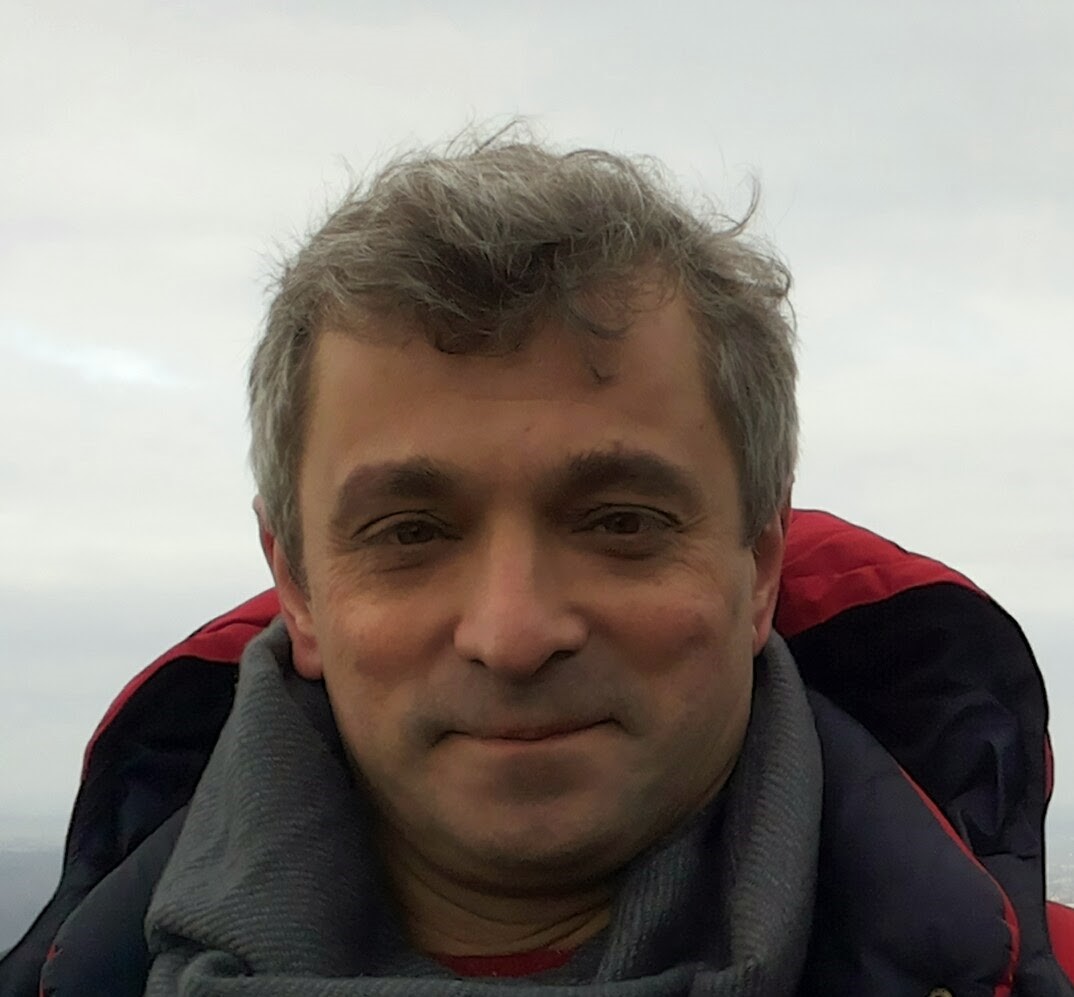

Andrey Sharogradsky
International Radio Offer Freedom. Author and host of the information and analytical digest, podcast "Time of Freedom"