
Translated material
Flates in the three -dimensional world
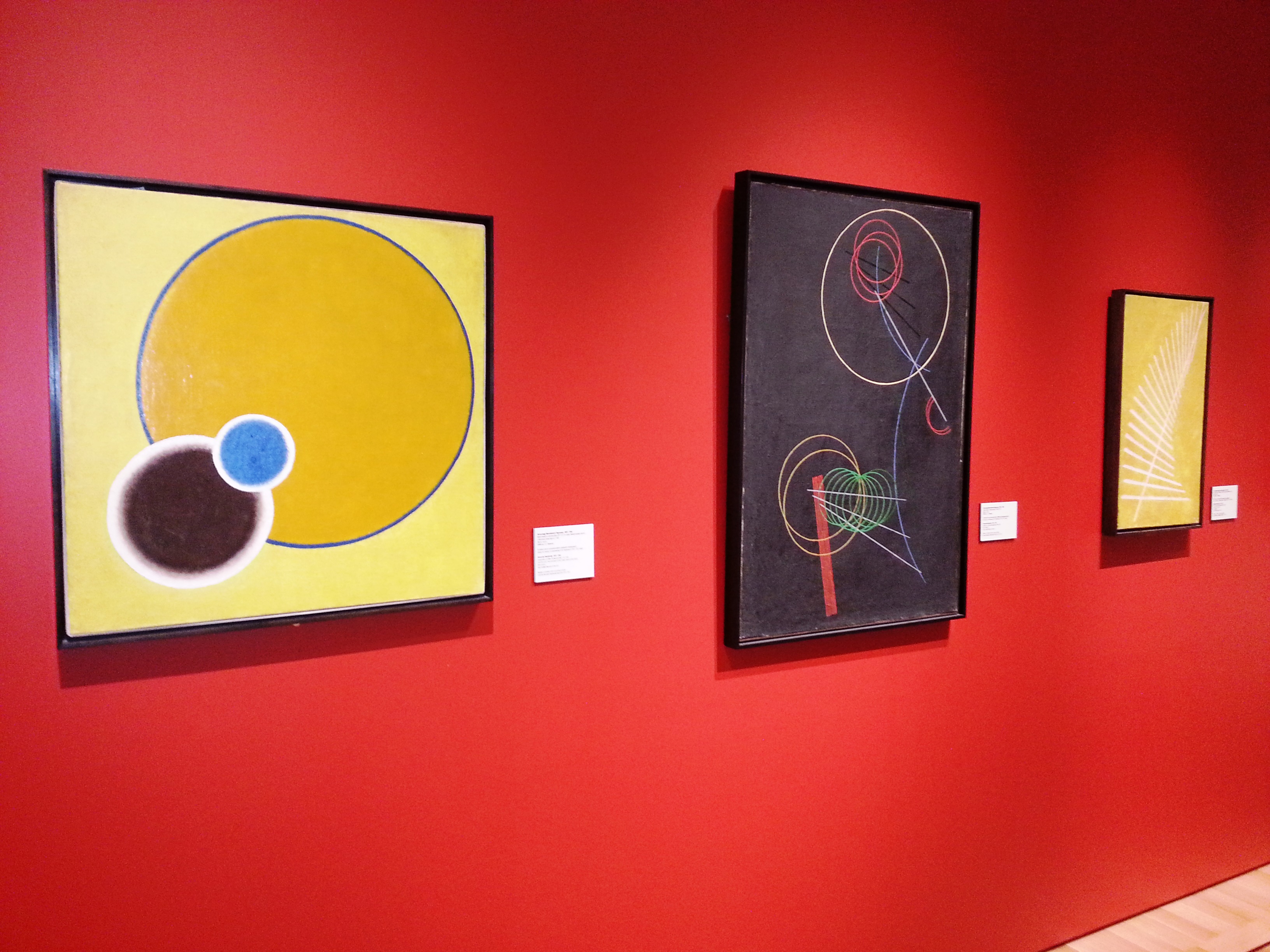
The ideas of Rodchenko and Stepanova are in demand by modern artists in actual art, design and photographs
The Russian avant -garde lasted a tiny period of time by historical standards. For innovative experiments and a free visual language in the USSR, socialist realism was violated for a long time. Nevertheless, the achievements of the avant-garde are the most valuable of created by Russian artists in the 20th century. Once again, you can make sure of this at the exhibition, which opened in the Pushkin Museum of Fine Arts. Its name is "visiting Rodchenko and Stepanova."
The combination of two names in one exhibition is more than justified: Alexander Rodchenko and Varvara Stepanov were not only spouses who lived together for 40 years, but also like -minded people, one of the creators of a new direction in art - constructivism. Rodchenko is most known to the wide viewer of his photographs, and even, perhaps, posters, among which there is a very textbook, called "Books". Everyone remembers him: a woman in a scarf (and it was Lilya Brik) holds a hand in a wide open, screaming mouth with a mouthpiece. Under the name, Barbara Stepanova most often recall her work in the Meyerhold theater. But the exhibition is good in that all the stages of the work of two artists, equally successful in various fields, from painting or book graphics to the creation of fundamentally new clothes and furniture, where the main property is rationality, the desire to check the algebra harmony. No wonder both artists called their own volumes, lines and planes built on the game "structures".
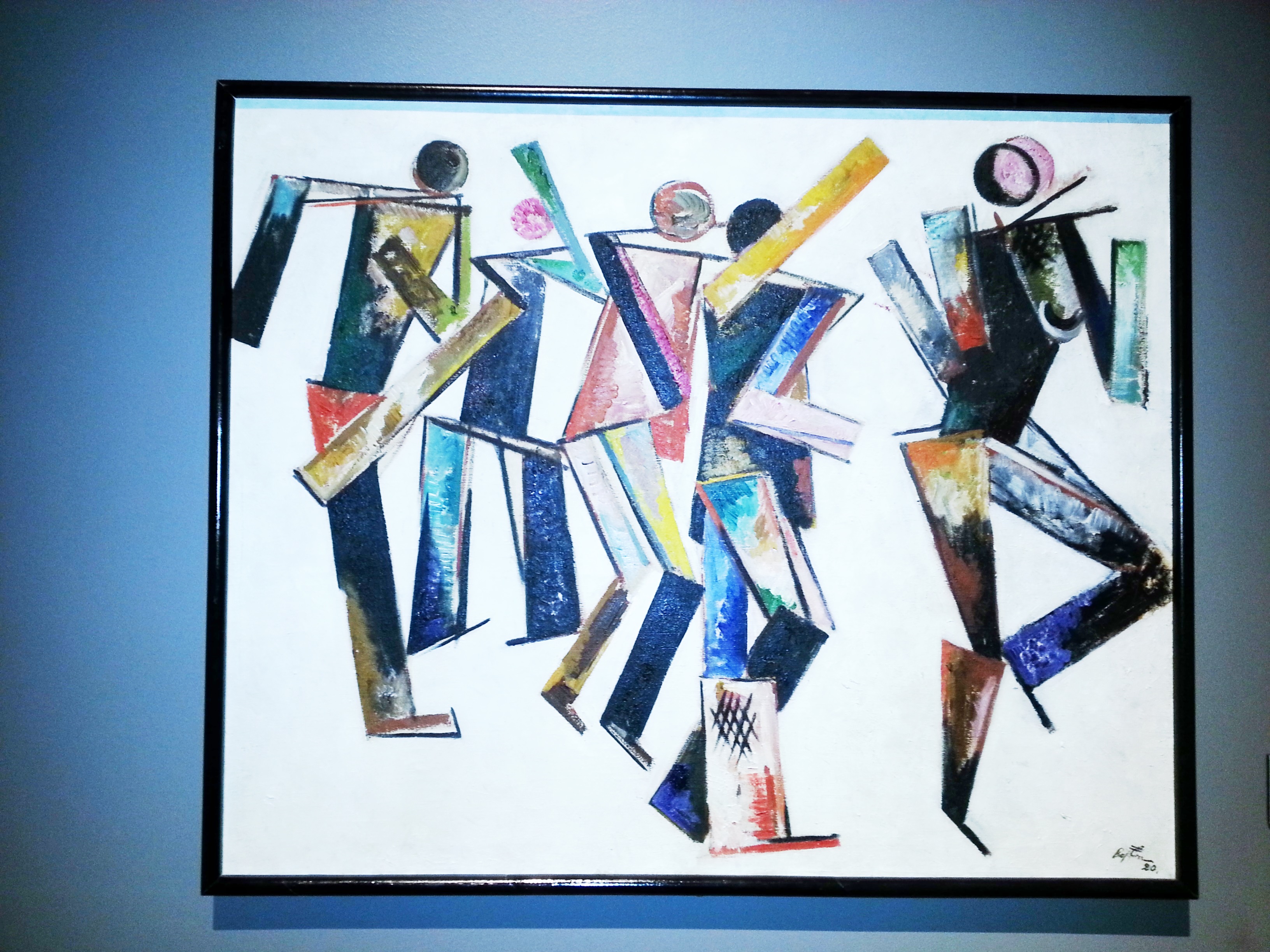
The grandson of Rodchenko and Stepanova, the curator of the exhibition at the Pushkin Museum , Alexander Lavrentiev, says that many contemporary artists and designers are directly related to the heritage of Russian constructivism:
- First of all, Vyacheslav Kolyichuk comes to my memory. This is a unique master. By the way, he collected for George Kostaki the very oval structure that Rodchenko gave Kostaki at the beginning of his gathering. The design was disassembled into separate details, and now Colechuk, as a person engaged in programmed art, that is, geometric art, the art of constructions, began to study Rodchenko’s work very carefully and understood the key on which they were built.
- And what kind of key is this?
- It is a sheet of plywood, cut by the type of nesting doll into concentric elements and then deployed by a fan in space. So I told you two words, and this, in fact, is the essence of the program. Each time, the options for this turn, of course, the artist controls and determines himself. Vyacheslav Kolyichuk and I worked together for a long time at the Institute of Technical Aesthetics, where he was responsible for modern
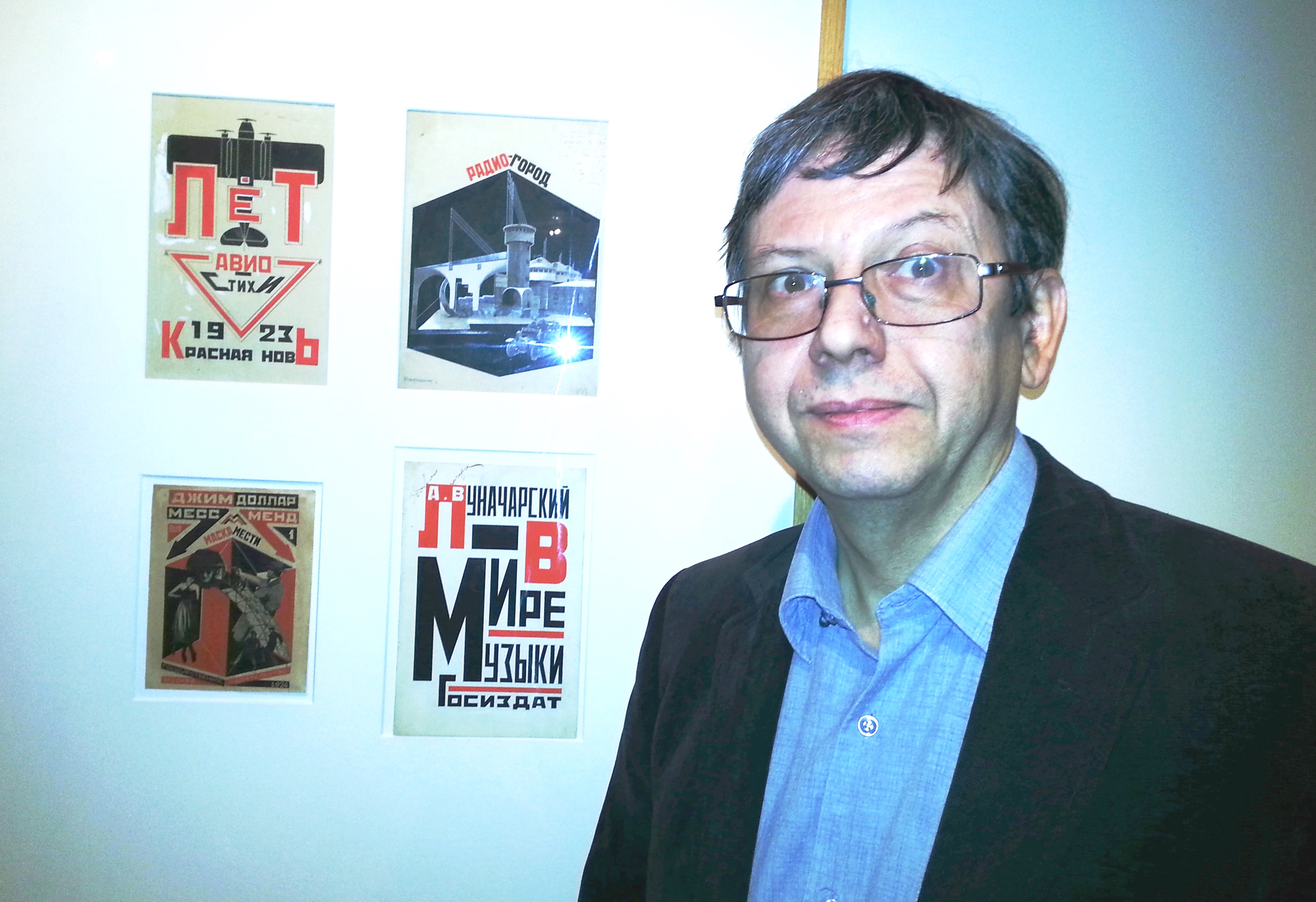
Experimental trends in design, and I was responsible for the old days, that is, for the legacy of the 20s of the last century. We understood each other very well, and for us it was a completely single thread. Be sure to recall Francisco Infante with its reflective surfaces, mirrors and installations designed for the game, at a look from different points of view. He is programmatically coming, maybe more from Malevich, but in his works there is still this constructive vein. What he does is again today's continuation of one of the vanguard lines.
In turn, Russian constructivism is not something that arose from the air, from nowhere. If we look with you samples of the Russian note, for example, the 14th, 15th, 16th centuries or some old objects of peasant life, we will see the same geometric forms and hints of these joints, to the intersections, from which the artists of the avant-garde later made a fan of fantastic compositions. This means that both in nature and in culture have peculiar geometric invariants, and these invariants are realized already in each era in completely different ways. If you dig further in the history of culture, we can find some kind of analogies in mosaic floors and in ornamental drawings. But the whole focus is that before the Russian avant-garde, all these things existed only in the line of applied art, but at the time of the most active searches, the artists saw that these motives, these forms had a very powerful visual, spiritual potential, that they may try to say something with the help of this. What is not amenable to explanation by other means.
The ideas of Rodchenko and Stepanova are in demand by modern artists in actual art, design and photographs
In the days of Rodchenko, a book about flatters was very popular. This is such a hypothesis of mathematicians, presented, for example, in the book translated into Russian and published in 1912 by the book of the Englishman Charles Howard Hinton . It was called the "fourth dimension and the era of a new thought." And there the hypothetical world of creatures is described that live in a plane. What is it for? This is necessary as an abstraction for the possibility of describing the fourth dimension. This is how we, people from the three -dimensional world, perceive these flat creatures from our point of view. And suddenly, our world is also only one of the possible projections, states, and creatures from another dimension see us completely differently than we are with each other?
- And what, Rodchenko and Stepanov knew this book?
- Yes, they read it, she was in the library at Rodchenko. He was interested in everything that was connected with the knowledge of the world. He translated these innocent ornamental fun into such an intellectual plan. He became an artist of a different type. There are artists of an emotional warehouse, there are artists of the campaign warehouse, there are introvert artists, there are bunters artists, but Rodchenko is an analyst. This analytical charge is just what is valuable and necessary for modern actual art.
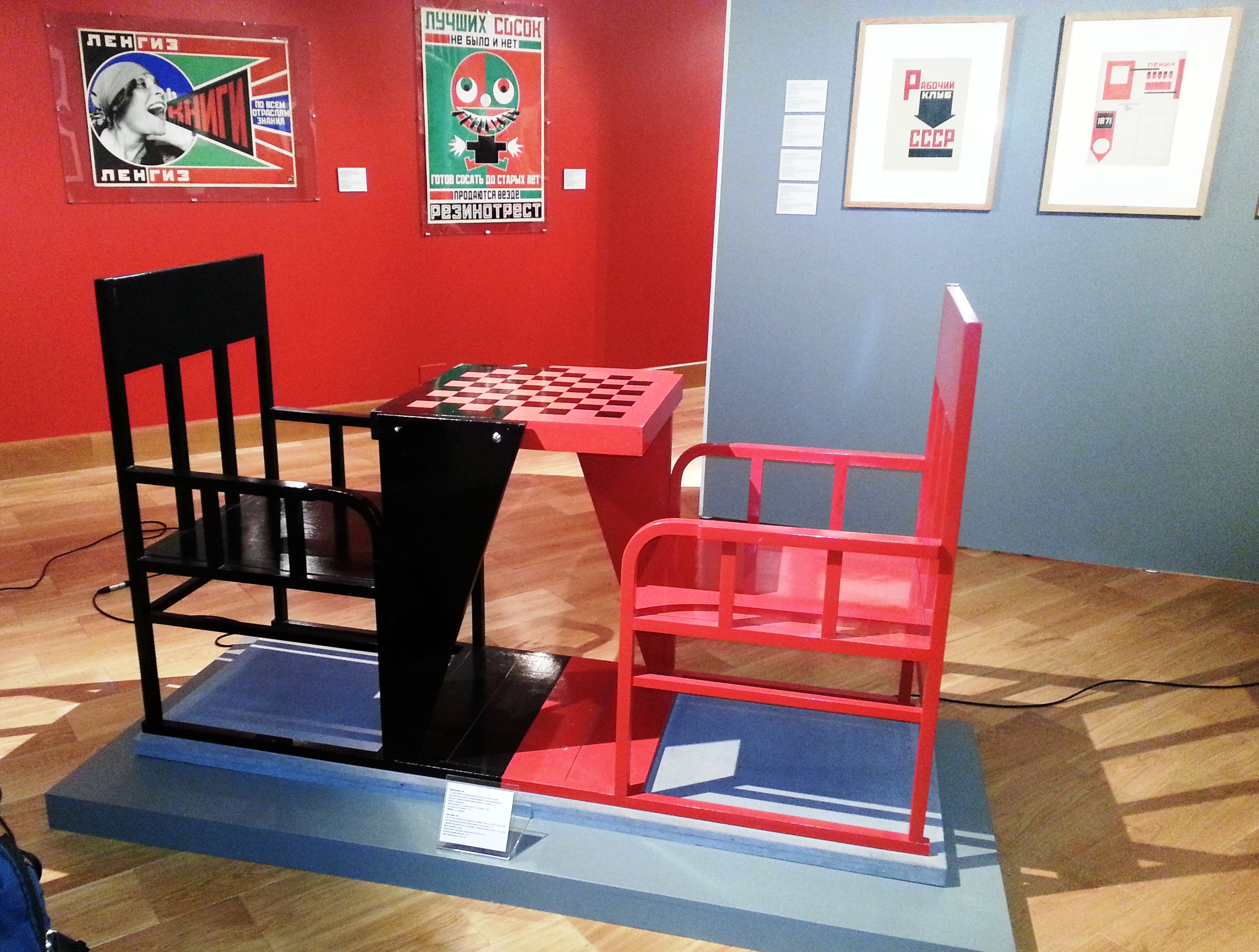
And again, there you can find roll calls and connections with more ancient, archaic things. I was once in the Museum of Decorative and Applied Art, where I saw very interesting wedding huge vessels. I don’t know why they are intended for, but they are decorated with a zigzag line. If we look at the Rodchenko project of the rostrum of the working club, then there this zigzag line is used as a constructive element. And in Melnikov, the same zigzag line determined his layout of the Sukharev market. And in Klutsis, the same zigzag line is in the series "Radio-Orators". Finally, in Barbara Stepanova, the same zigzag line in her fabrics. For artists, the perception of world order can be reflected by drawing portraits and still lifes, but you can such a strange analytical creativity, ”says Alexander Lavrentiev .