
Translated material
International Olympic Reform
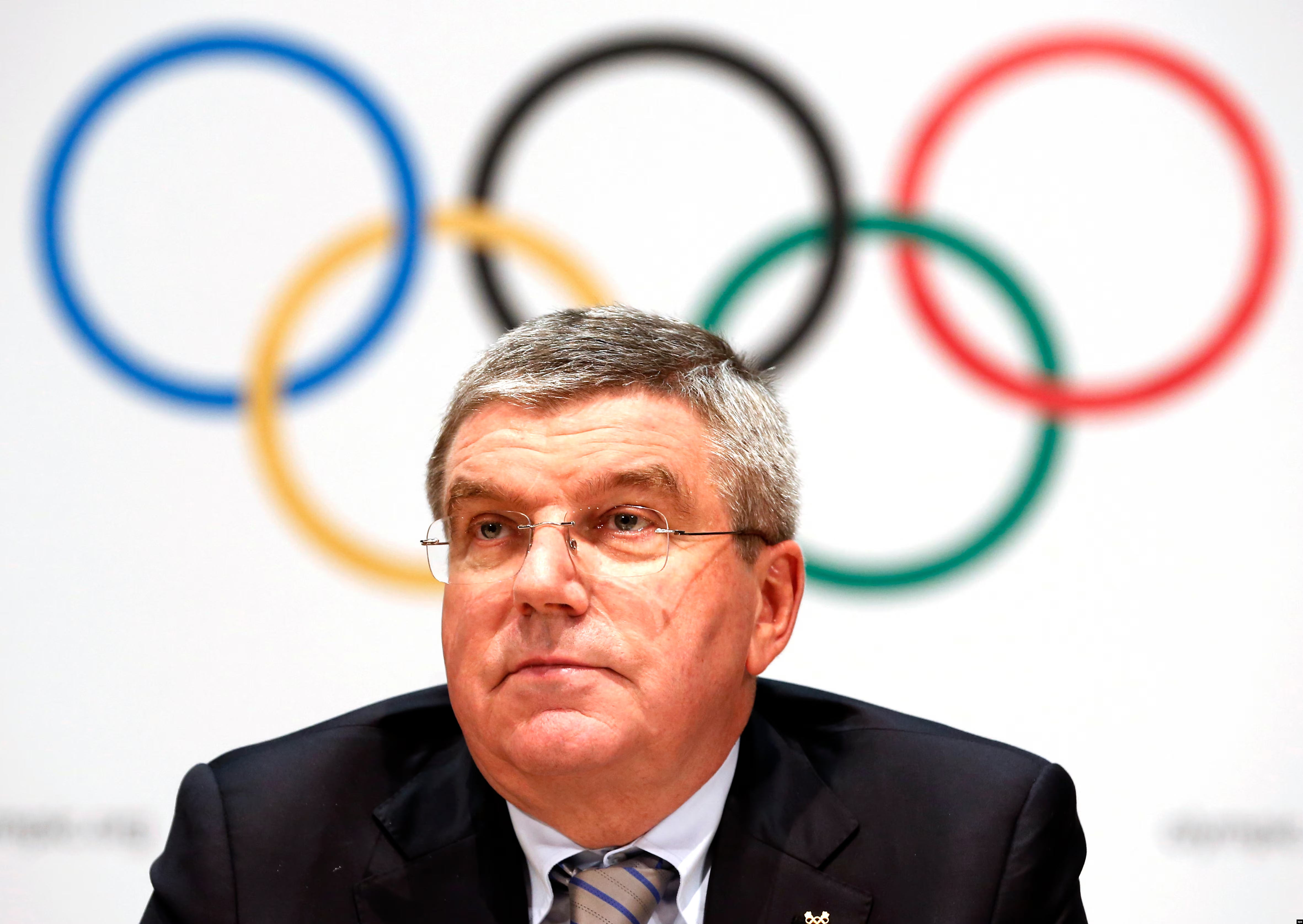
At an extraordinary session of the IOC, new principles of development of the Olympic movement are approved
An extraordinary session of the International Olympic Committee ended in Monaco, at which new principles for the development of the Olympic movement were approved.
President of the IOC Thomas Bach sent 40 theses to reform his organization back in November. They received the general name "Agendal 2020", and it was their discussion that was devoted to the work of an extraordinary session of the IOC.
What is the essence of the IOC reform and what is the need for such a reform?
Frankly, the conference documents do not say anything intelligible on this important topic. The main initial motive for the IOC leadership looks like this: the organization needs changes, and they need to be carried out at the moment when things are going well, and not when the crisis flows.
Nevertheless, it can be assumed that the IOC has two reasons for unrest. The first is obvious: a crisis in the election of new Olympic capitals. The second that the IOC prefers not to notice and does not say aloud about it: the situation with doping.
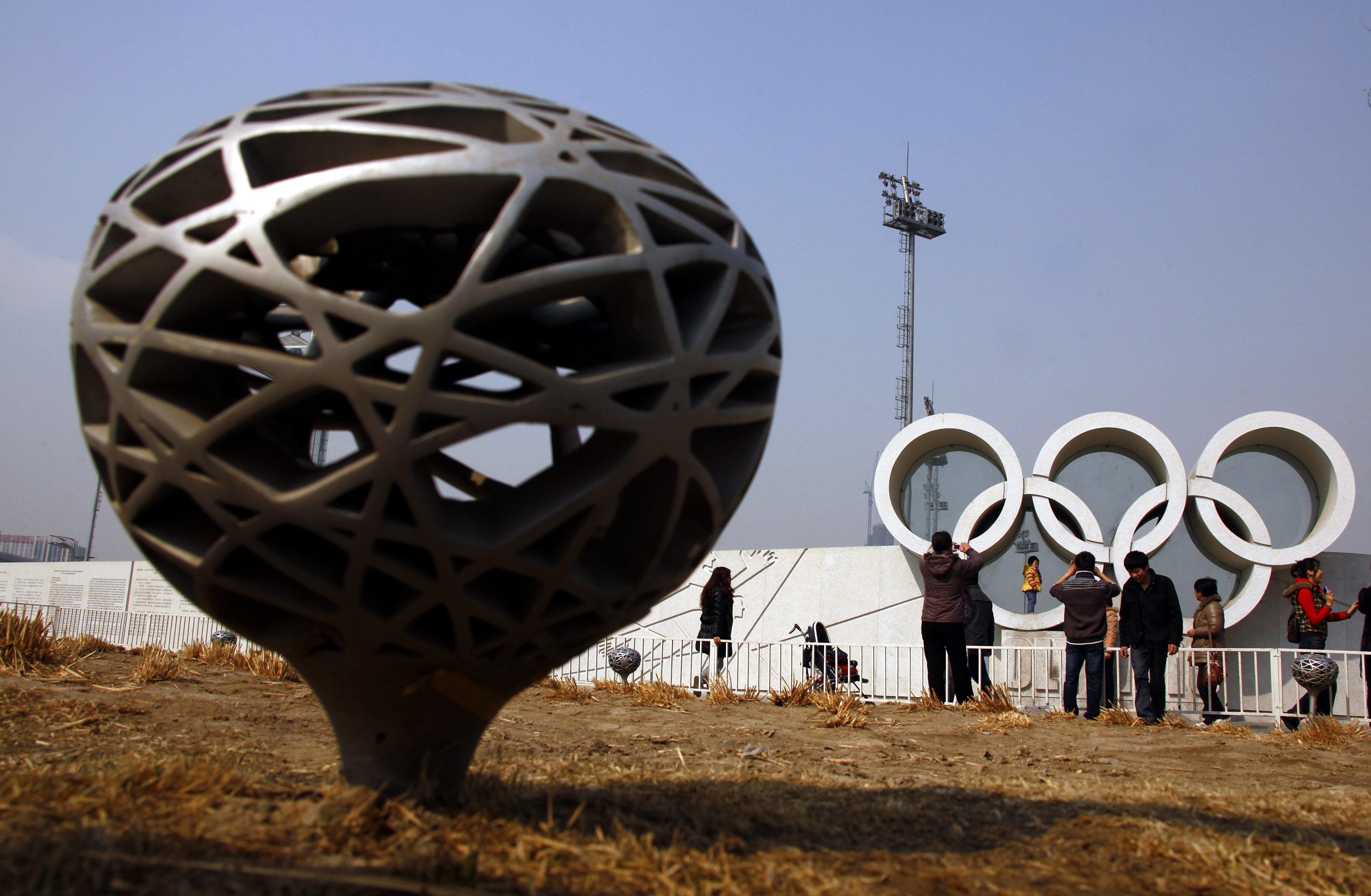
The first question is noticeable with the naked eye: several states have been amended from the claims to the next games, and now the three consecutive Olympics will be held in Asia . Recall that the 2016 summer games will be held in Rio de Janeiro, and then Olympic attention will move to Asia for several years. Winter games of 2018 will be held in Pyeongchang (South Korea), summer games of 2020-in Tokyo (Japan), the next winter games of 2022-in Alma-Ata (Kazakhstan) or Beijing (China). The place of the last games has not yet been determined, but new candidates are no longer expected. At the same time, recently there have been a number of fundamental refusals of claims to games from a number of countries, such as Ukraine or Germany, precisely due to financial feasibility. The governments and citizens of these countries abandoned their Olympic claims, citing the fact that the expenses have unjustified the expenses, and there is something to spend money without the Olympics - even in prosperous Germany, not to mention the tormented Ukraine. ( Russia, by the way, will apparently claim the games of 2024 in St. Petersburg , but this is a separate conversation.)
The question of doping, of course, goes far beyond the session of the IOC, and it was not examined separately on it. However, the last largest scandal with the exposures of Russian sports, made and published by German television company , of course, is indicative. In Russian sports, a number of very revealing doping historians have recently been revealed-in sports walking, with a marathon, in biathlon. Of course, this happens far not only in Russia, to take at least the case with the American bike lover Lance Armstrong. But this only suggests that the general and radical struggle with the doping that the IOC declared, creating at the beginning of the 21st century the World Anti -Doping Agency (Vada), so far does not bring results.
The general and radical struggle with doping, which the IOC declared, creating at the beginning of the 21st century the World Anti -Doping Agency (Vada), until the results are brought
The voices of those who believe that the fundamental difference does not exist between the prohibited and permitted medical drugs are loudly heard, and that the ban on doping should be abolished. Thus, the responsibility for their own health will fall completely on the athletes themselves, and the role of a large show will be fully recognized for large sports, where, as they say, all means are good ... Of course, this approach is unlikely to have a chance of implementation, but, despite all its cynicism, discussing its main provisions on the sidelines of the IOC is still conducted.
So, the IOC, having financial power and support of the majority in stock, decided on reforms. History teaches that the empire, located in prime, is not inclined to reform. On the other hand, the lack of reforms is a direct road to imperial decay and decay. Perhaps, remembering this, the IOC proposed his plan. As a result, the main tasks included in the "agenda-2020" were named:
- the ability to hold different games competitions on a significant distance from each other, even in different countries;
- relief of the application and presentation processes aimed at reducing the cost of the election race;
- the ability of the organizer of the games to offer new sports for inclusion in the Olympic program;
- restriction of disciplines in summer games up to 310 (the number of athletes is about 10.5 thousand), in winter games - up to 100 (about 3 thousand athletes);
- the desire for an equal number of male and female disciplines in games, an increase in the number of mixed disciplines;
- emphasis on reducing infrastructure costs for competitions, the possibility of building temporary arenas;
-Translation of the Youth Olympic Games for odd years since 2023;
- establishing contacts with professional leagues so that the best athletes of the planet participate in the games;
- inclusion of a ban on sexual discrimination in the Olympic Charter;
- restriction of the age of individual members of the IOC for 70 years with the introduction of exceptions based on the results of voting at the session, but not more than 4 years;
- The institution of the Olympic television channel.
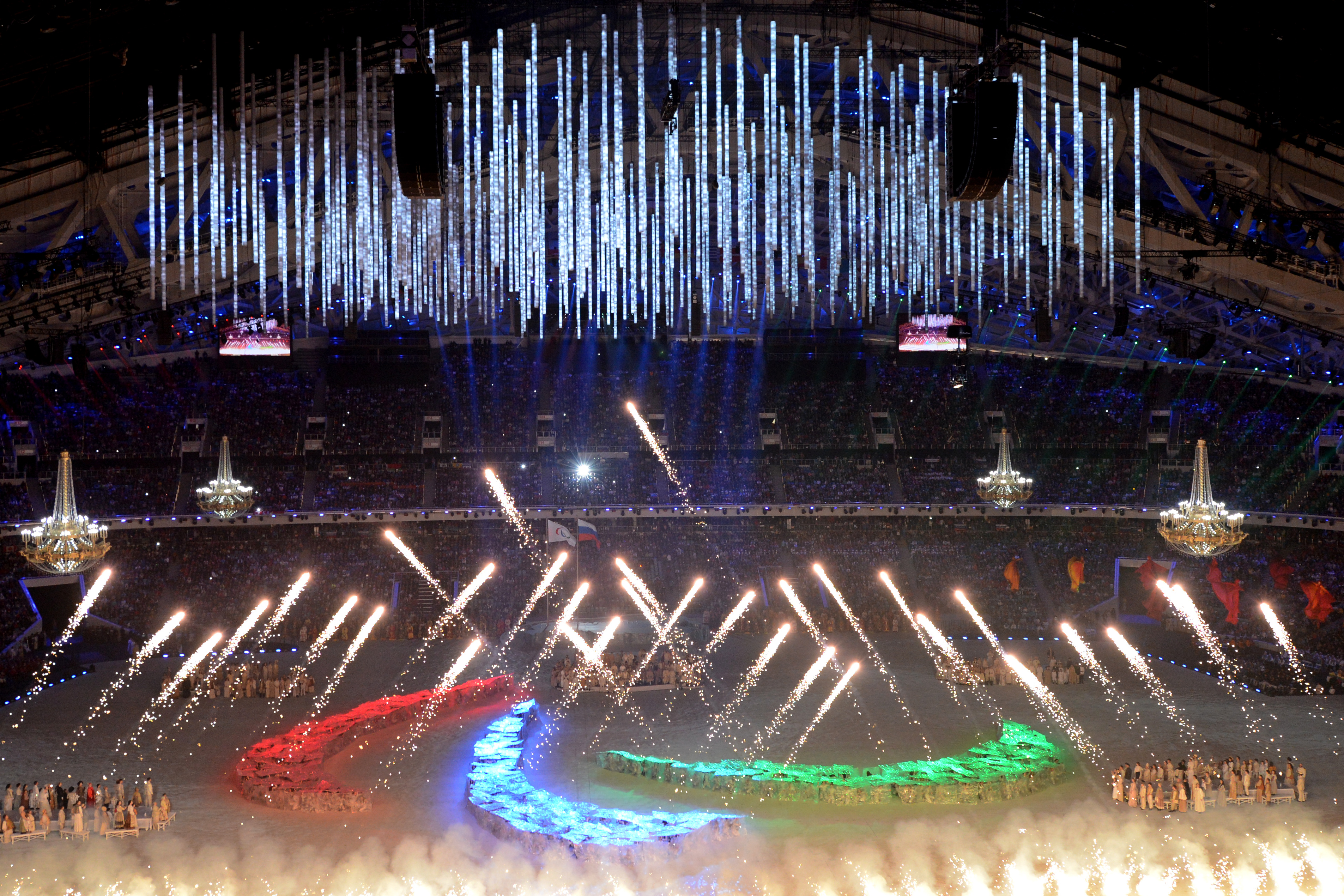
Perhaps each of these tasks will somehow affect the situation in the IOC as a whole. But with a fugitive reading, it seems that the global tasks of the IOC in this list do not look global, and the reform, being broken into the components of the part, will be purely bureaucratically buried under a number of meaningless events. The decision is purely imperial, as the IOC, which has long become a transnational empire, where the Olympic principles conflict with reality has long become, and the empire does not react to this. That is how it was in a situation where, on the opening day of the 2008 Olympics, the Russian-Georgian war began in Beijing. That is how it was in Sochi-2014, when events on the Maidan in Kyiv were held during the Olympics. I’ll risk saying a “blasphemous” thing: the slogan sport outside the policy today obviously becomes obsolete! Not noticing this, the "IOC Empire" is very at risk ...
However, on December 9 at the same session, the National Olympic Committee Kosovo was recognized as a full member of the IOC. The consequences of this decision, I think, still have to evaluate both athletes and politicians.