
Translated material
How to bypass page blocking on Facebook?
Facebook is subject to the laws of the countries in which it operates. The social network restricts access to content (posts, pages, events) at the request of local authorities. State authorities refer to local laws. If Facebook does not comply, the social network could be blocked completely. For example, India, Turkey and Pakistan have strict laws against insulting religious feelings and criticizing the state. These countries are the most likely to require Facebook to block content. For comparison: in India over the past six months there have been about 5,000 such requests, in Russia - 29. It is worth noting that Facebook, unlike Twitter, does not disclose information about which pages it blocks and on what basis, publishing only numbers in regular reports.
We don't know for sure. Users who create pages can limit access by location and age in the settings: for example, if they do not want the page to be seen by US residents and people under 19 years of age. Apparently, when blocking pages and events at the request of the authorities, Facebook uses the same mechanism - content is limited only to residents of the state that sent the request. When Russian Facebook blocked an event in support of Alexei Navalny, only users in Russia lost access to it.
If you log in as an unregistered user, Facebook determines your location based on your device's IP address. If you log in using your username, Facebook will determine where you live by analyzing a variety of data : where you work, who you communicate with, in which cafes you take selfies. You can write in your profile that you live in the Seychelles, Facebook won’t believe it. Moreover, if you went on vacation to New York and decided to go from someone else’s computer to a page blocked in Russia, the social network may not let you in, having figured out where you actually live.
(What is Tor? This is a system that allows you to hide your real location. It helps you access sites blocked by IP address through a special browser. You can find out more and download the browser here . In the fall of 2014, Facebook simplified access to the social network through Tor.)
Let's say you are trying to enter an event that is blocked for residents of your country. You will see this picture:
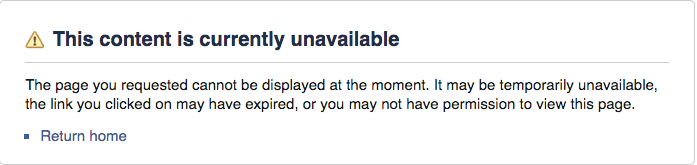
If you just want to read what is being written about this event, just go to Facebook using the Tor browser at facebookcorewwwi.onion . But those who want to join (report their intention to come to the meeting) will have to log in using their login, and neither Tor nor other anonymizers will help here. Facebook will figure out that you live in a country where this event is blocked.
You can create a new Facebook account and use the social network through the Tor browser. You can also “change” your location using apps like Hola and Zenmate . But we must remember that according to Facebook rules, users are not allowed to create more than one account. So it remains to decide what is more important to you - the laws of your country, the rules of Facebook, or your ideas about human rights.
Everything is simple here: on Twitter, you just need to change your location data to go to a blocked page. You can log into VKontakte through the same Hola and Zenmate .