
Translated material
What happened to the "Trust"
Forbes - about the first Russian bank, which became a victim of a crisis
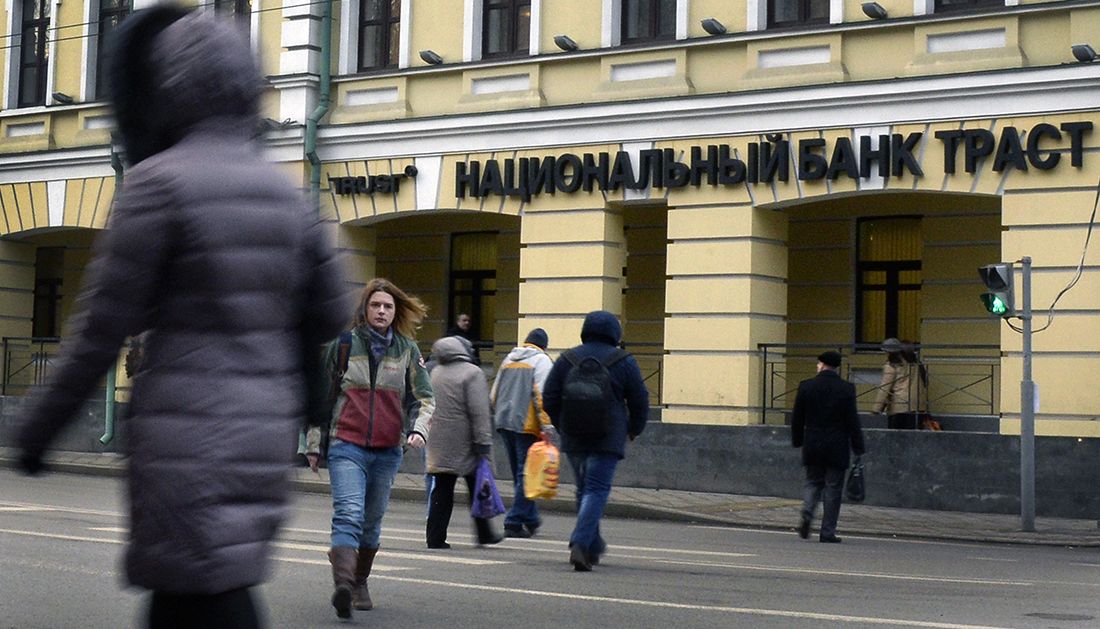
The Central Bank of Russia on Monday, December 22, announced the reorganization of Trust Bank (it is widely known in the country after an advertising campaign with Bruce Willis). The bank does not have enough funds to pay off the depositors: if they did not massively pick up their money, the “Trust” would be afloat, but now he needs the help of the state. Forbes correspondent Elena Zubova tells how the “Trust” was on the verge of collapse.
The Central Bank requires that the capital sufficiency standard be at least 5%; During the year in Russia, seven banks were from time to time below this level, and Trust was constantly at risk. Last week, due to a sharp collapse of the ruble, the depositors went to pick up their money, Trust, according to various sources, lost 3 to 10 billion rubles and could no longer fulfill his obligations to customers.
The Trust had enough “bad assets” due to unsuccessful work in the consumer lending market, which the bank masked in its reports. According to Forbes, the credit institution had a giant liquidity gap of 89 billion rubles-the worst indicator among banks in the TOP-50, but Trust wrote in the reports that there was no negative liquidity gap.
“A large gap of liquidity was formed because“ Trust ”financed“ long ”losses with short depositors in the short means of depositors. It was worth only the depositors to pick up the money, and the bank came to an end, ”says Forbes source.