Translated material
Fear and indecision in the Kremlin
Why is Putin afraid of Navalny: a review of the Western media
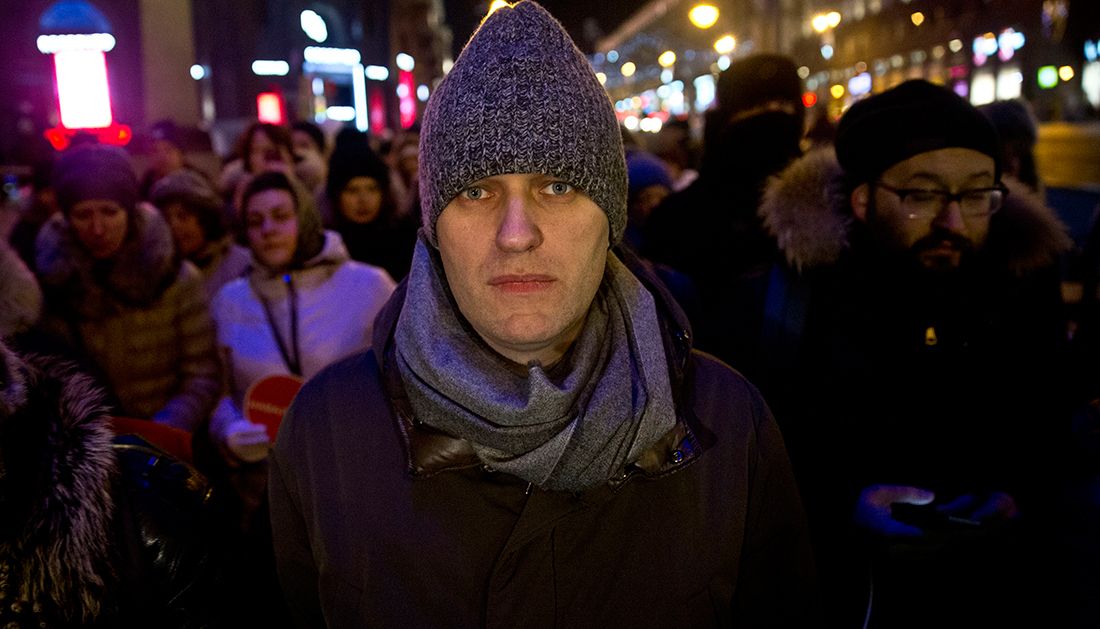
For the largest foreign media, the figure of Alexei Navalny has long been equal in scale with the figure of Mikhail Khodorkovsky. For several years, authoritative Western publications have been closely following the misadventures of the opposition, trying to catch the mood of the Kremlin for how the next criminal case is being decided. The process of Yves Rocher was no exception; On the contrary, he attracted the attention of publications that were previously not interested in Russian politics.
Along with The New York Times, The Washington Post and Buzzfeed, speakers or large materials about the verdict Alexei and Oleg Navalny were dedicated to Slate, Vox, Mashable and dozens of other publications. Someone saw behind the verdict the cruelty of the Kremlin, someone is indecisive, but most of the materials are permeated with one idea: the sentence indicates the fear of the Russian authorities before the opposition, which in the near future can increase pressure on the Kremlin using the dissatisfaction of the population from the economic recession.
Medusa selected the most interesting publications of foreign media about the Yves Rocher case.
In Moscow Shadows: the first thoughts about the sentence to Navalny (-yn)
The British The Guardian published on her website the post of the largest American specialist in Russian law enforcement agencies Mark Galeotti. In his blog, in Moscow Shadows Galeotta distinguishes several basic trends in connection with the verdict Alexei and Oleg Navalny.
Firstly, the Kremlin acted awkwardly and involuntarily rallied the opposition. Having transferred the verdict to December 30, the authorities not only did not avoid street protests, but also doubled their danger: Navalny’s supporters went outside on the day of the sentence and can repeat the action on January 15. Secondly, the verdict demonstrated the weakness of the government and the lack of unity in it. Thirdly, the Kremlin made it clear that he was ready to take hostages-if earlier the family of political opponents were brought out from under fire, now the situation has changed.
“A conditional term by Alexei Navalny has become the worst of possible compromises - one that does not suit any of the parties. Such a sentence certainly does not shut his mouth, while the “mercy” of the Kremlin will not suit either the Sympathetic Navalny or the supporters of the “hard hand”. In addition, the verdict in a clear way is not satisfied with the prosecutor’s office and investigators who insisted on the real term, nor more moderate supporters of the law and business. ”
Buzzfeed: Kremlin's cruelty
The Kremlin’s readiness to take hostages in the fight against opponents is a note by Miriam Elder - the former Moscow correspondent The Guardian, and now the chief of the political bureau of Buzzfeed. Unlike other well -known prisoners of Butyr’s prison, from Alexander Solzhenitsyn to Evgenia Ginzburg, Oleg Navalny is not a famous dissident, writes Elder. He did not criticize the Kremlin and did not try to overthrow the government. He worked at the post office. Oleg Navalny goes to prison only because his brother Alexei Navalny is.
“Having planted Alexei Navalny, the Kremlin would turn him into a martyr. Instead, the state hopes to slowly break it, piling up new things, placing it under house arrest, excommunicated it from the Internet. When it became clear that these actions did not help, the Kremlin set about his relatives. "
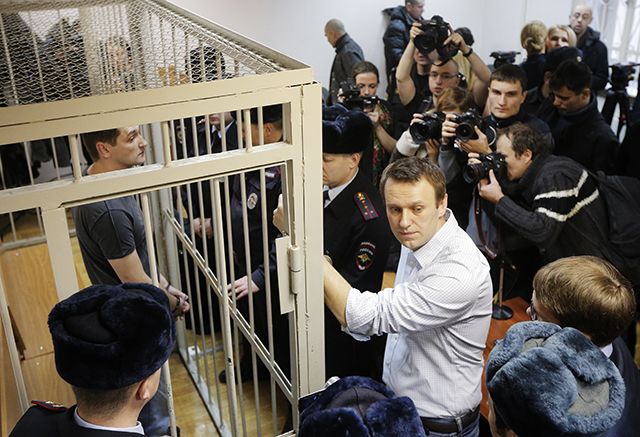
The Washington Post: The treatment of the leading oppositionist gives out the concern of the Russian authorities
“Vladimir Putin claims that he enjoys the support of the vast majority of Russians, but if so, why is he so afraid of Alexei Navalny?” - Ask the authors of the editorial column in The Washington Post. Putin’s support is largely explained by the Kremlin’s monopoly in the media market, but difficulties that, obviously, will be rich in the coming year, can lead to large-scale performances, which will not even be able to suppress the rustle. Whether the resistance of the Putin regime will increase, will depend on the policy of the United States and the European Union.
“Until now, Mr. Putin’s strategy has come down to one set of actions: tightening repressions within the country, unleashing military adventures in the international arena and a merciless bombardment of the country of nationalist propaganda. However, the cost of foreign adventures continues to increase, and soon the Russian oligarchs will require the Kremlin to loosen the pressure on Ukraine for the weakening of sanctions. ”
The New York Times: Can the Internet win Putin?
One of the main American newspapers answered the verdict of Alexei and Oleg with a Navalny column Emily Parker, a former employee of the publication and author of the book “Voices from the Internet underground”. Parker calls Alexei Navalny the “Dissent of the XXI century”, who was the first to use the network in Russia to mobilize their supporters. It was Navalny that made it so that of the non -meaningful sandbox, the Internet turned into a threat to the Kremlin.
“Navalny proved that the Internet is not just virtual power. But this force is not limitless. The main problem of the opposition is public apathy, it is also the most reliable support of authoritarianism. The Internet itself can hardly be able to cope with it, but the Internet and this battle has an ally - an economy. The economic decline in Russia can lead to mass performances, and if the revolutionary situation develops, Navalny and his supporters will be able to use it. ”
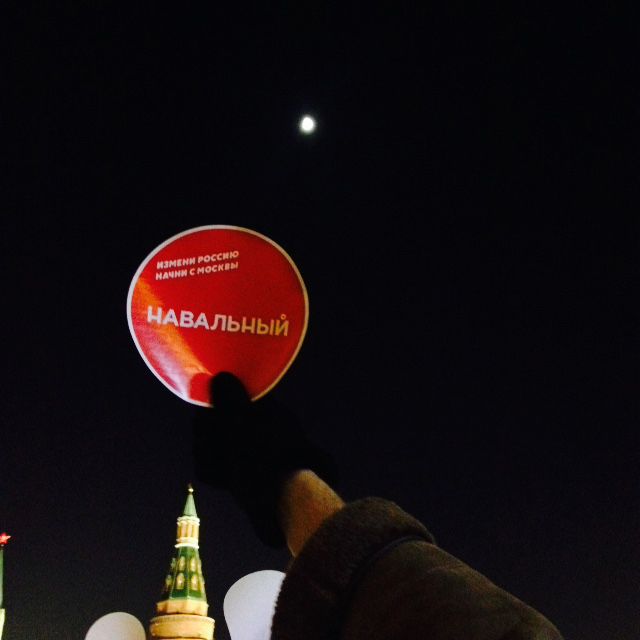
Vox: Who is Naval and what is he so terrifying Putin?
The flagship of the American “explanatory journalism” and one of the most important new media, the VOX publication, devoted a large publication of the biography of Navalny, the essence of his activity, the history of his success and what the activity of Navalny and his supporters threatens Putin's Russia. Unlike the opposition of the past - Mikhail Khodorkovsky or Harry Kasparov, who acted mainly alone - Alexei Navalny was able to gather a real army of supporters, and the Kremlin completely does not understand how to deal with it.
“The Kremlin from the very beginning did not know how to be with it. The usual methods of combating opponents were in the case of a bulk useless. He does not need access to the state media, he has his own blog, and he cannot be shut up, excommunicated him from the federal broadcast. It is not rich and not involved in a large business - it means that it cannot be discredited by indicating criminal enrichment. He was not even able to squeeze him out of the country - Navalny claims that he was bored from the house in black bread. ”
Slate: Who is afraid of Alexei Navalny?
The editors of the liberal American online publication Slate took advantage of the verdict in the Yves Rocher case to tell its readers about who Alexei Navalny is. The publication traced the opposition’s biography in detail, describing how Navalny turned from a blogger into the leader of the anti-Putin's performances of 2011-2012, and not forgetting to mention that many supporters of the opposition accused him of intolerance and even compared with Putin.
“Navalny managed to rally the core of his supporters, but the opposition Putin remains in Russia a niche. The most important question now: will the Russians begin to blame Putin of collapsing the economy. This cannot be asserted with certainty, but if they start, then Navalny, without a doubt, will become the main contender to lead these sentiments. Until now, all the Kremlin’s attempts to silence were surprisingly helpless, and today's sentence is no exception. ”
PS MASHABLE: Why are the Russians protest: the story of Navalny in photographs
The IT publication of Mashable spoke about the history of Alexei Navalny with the help of a photo gallery, focusing mainly in fact in practice "Yves Rocher" and protest on Manezhnaya Square: