
Translated material
Revenge for the prophet
What is Charlie Hebdo and why the newspapers arranged a massacre in the editorial office
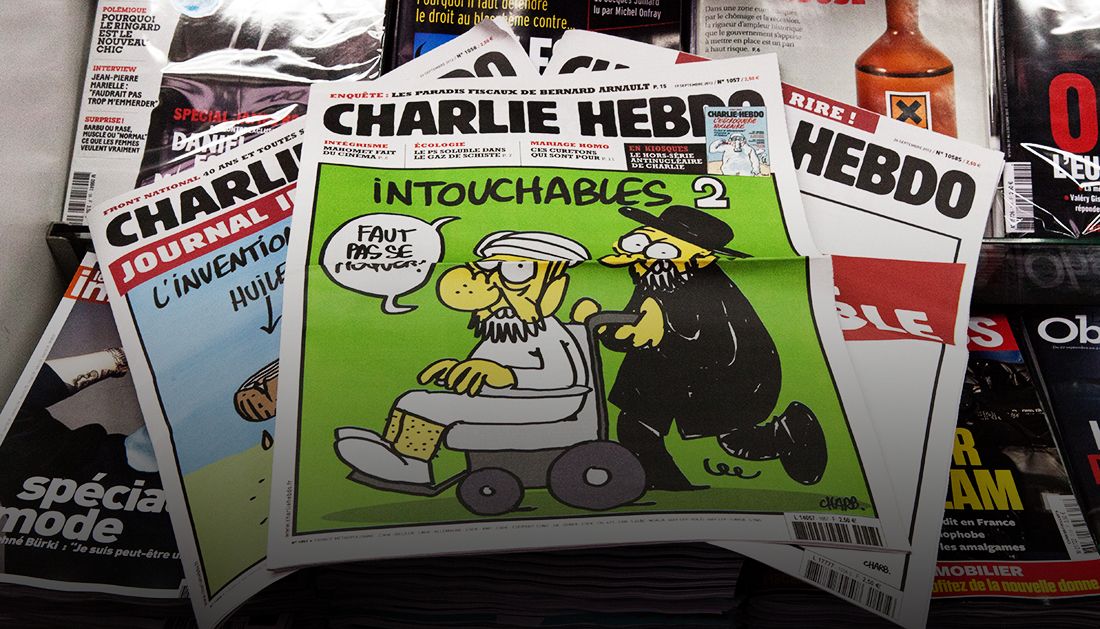
On January 7, several people armed with machine guns and grenade launchers broke into the editorial office of the Paris weekly newspaper Charlie Hebdo and opened shooting. 12 people died, including the chief editor and cartoonist Stefan Sharbony (Sharb); At least five were serious injuries. Francois Holland President immediately left for the crime scene, who called the incident a terrorist attack. According to eyewitnesses, the attackers shouted the Islamic slogans and promised to avenge the insults of the Prophet Muhammad. "Medusa" explains what Charlie Hebdo is - and why the terrorists chose the editors of this particular publication.
What is Charlie Hebdo?
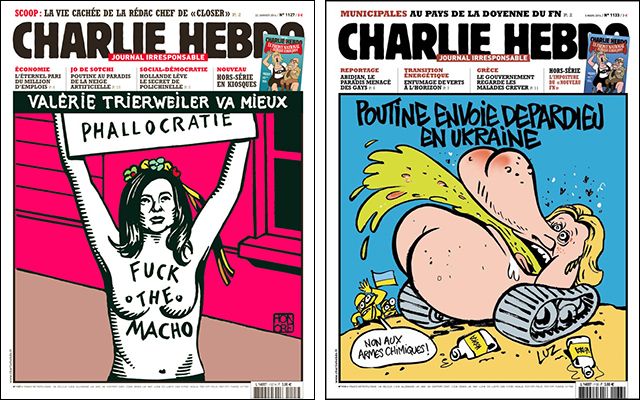
The weekly newspaper Charlie Hebdo was founded in 1969 on the basis of the monthly satirical magazine Hara-Kiri. The newspaper is expressed on the verge of a foul about any current events, including tragic ones. First, the publication was called Hara Kiri Hebdo-in honor of the monthly predecessor. However, a year after the opening of the French authorities, the publication was banned - for a joke about the death of the former president of the country Charles de Gaulle. The newspaper changed the name to Charlie Hebdo and continued to work. By 1981, the publication lost popularity and closed. And in 1992, a successful restart took place: the first number of the updated Charlie Hebdo bought more than 100 thousand people.
What are they joked in Charlie Hebdo?
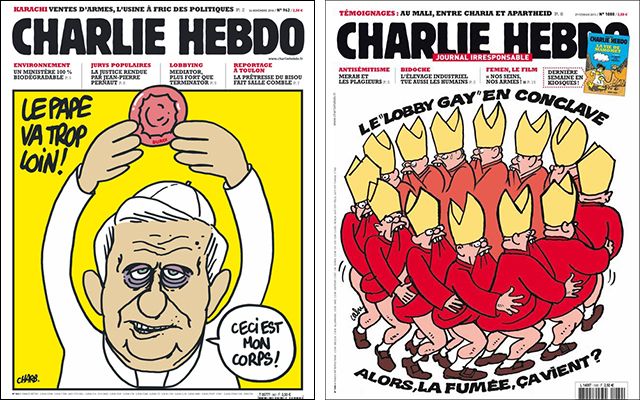
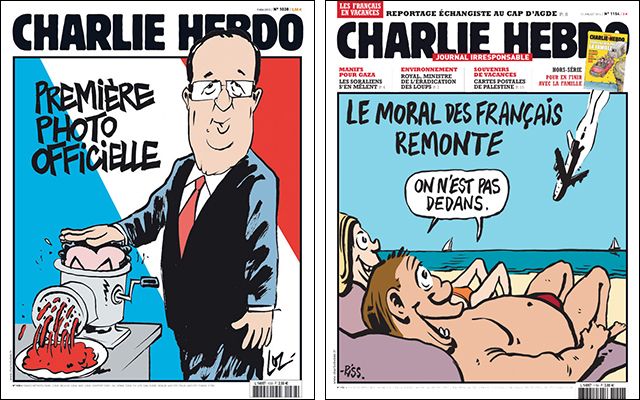
The editors of Charlie Hebdo adheres to anti-religious and extreme left views and publishes cartoons, columns, articles and other satirical materials of a socio-political orientation. At different times, almost all religions were ridiculed in the first lane - from Catholicism to Islam; Politicians, especially French.
Why is Charlie Hebdo so outraged by Muslims?
Charlie Hebdo is a consistent anti -religious publication that pays special attention to caricatures and articles on the topic of Islam. The newspaper, in particular, reprinted a series of caricatures on the Prophet Muhammad from the Danish edition of Jyllands-Posten, the initial publication of which caused an extremely negative reaction in Muslim countries and mass protests. Reprinting of carications increased the circulation of the newspaper one and a half times. The Prophet Muhammad appeared on the pages of Charlie Hebdo many times; Once even in a half -naked form. On one of the editorials, Muhammad held himself by his head and said: "It's hard when the fools honor you."
Why are they doing this?
Charlie Hebdo believes that there are no forbidden topics for jokes, and religion is no exception. In 2008, the newspaper won a lawsuit in a lawsuit from representatives of Muslim communities, outraged by the reprint of cartoons at the Prophet Muhammad. The editorial office explains that a lot of provocative materials on various topics are published weekly, but only caricatures to the prophet cause a sharply negative reaction.
In addition, in the spring of 2006, Charlie Hebdo published a “twelve manifesto,” in which Islamism was called “New Totalitarianism”. “Having defeated fascism, Nazism and Stalinism, the world is faced with a new global threat to the totalitarian type - Islamism. We ... call for resistance to religious totalitarianism, to the assertion of freedom, equality of capabilities and security for everyone, ”the article said. The authors of the manifesto said that "this is not about the clash of civilizations or about the antagonism between the West and the East, but about the global struggle in which the democrats are opposed by theocrats."
Is this the first attack on the editorial office?
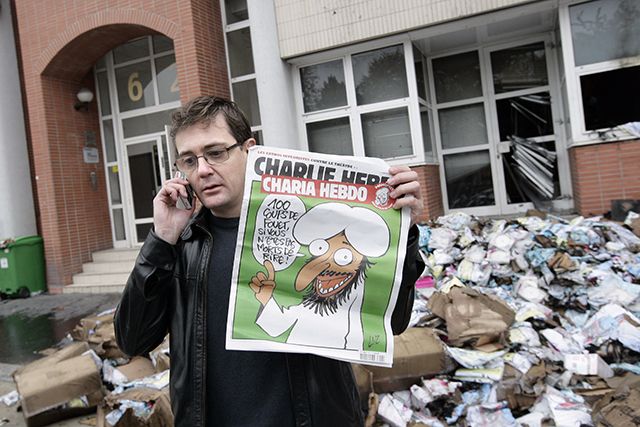
In 2011, Charlie Hebdo was renamed Charia Hebdo, called the Prophet Muhammad an invited editor, and placed an image of the prophet, speaking: “One hundred strokes whipped to those who will not die of laughter.” The day before the issue of the room, the editors of Charlie Hebdo were thrown with bottles of incendiary mixture, the building was completely burned out. The editors before this case, and after it repeatedly received threats from radicals.
What did Charlie Hebdo do now?
On January 7, Charlie Hebdo came out with an advanced novel by the French writer Michel Welbek, “submissiveness”, which tells about the victory in France in 2022 of the Muslim President and the Islamization of Europe. In addition, a few hours before the attack on the editor on Twitter Charlie Hebdo, a caricature of the Islamic state leader Abu Bakr al-Baghdadi appeared.