
Translated material
The EUROZONE Economics slows down more and more, the euro loses to the dollar
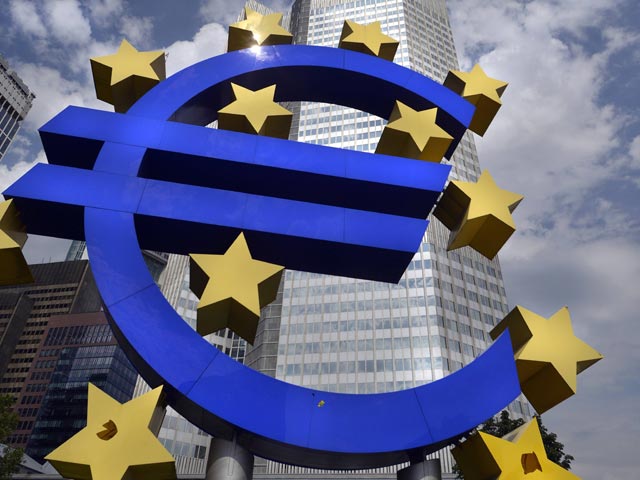
In December, the eurozone economy demonstrated sluggish growth. The study shows that the IV quarter in terms of indicators turned out to be the worst in the last year, writes BBC .
The business activity index of purchasing managers (PMI) of the analytical company Markit and the Royal Institute of Procurement and Supply (CIPS) in December reached 51.4 points, which turned out to be lower than forecasts, but above the November level of 51.1. The PMI index is based on the analysis of indicators of the construction industry, the service sector and industry.
The growth of the eurozone economy in the last quarter of this year amounted to 0.1%. In general, according to analysts, the last 18 months the eurozone economy grew, even if this growth was not always impressive.
Since the beginning of the year, a low level of inflation has been observed in the Eurozone countries, and therefore consumers postponed large purchases and investments, waiting for a further drop in prices.
A decrease in oil cost only aggravated the problem. Since August of this year, the price of a barrel of Brent oil has fallen more than doubled - up to 51.54 dollars. On Tuesday, the price of WTI oil in the United States for the first time since April 2009 fell below $ 50 per barrel.
In November, the inflation rate in the eurozone amounted to 0.3%. Experts do not exclude that the December indicators of inflation will be negative for the first time since October 2009.
The other day, the head of the European Central Bank, Mario Draga said that the Eurozone is threatened by deflation and that the ECB should resist this threat.
Against the backdrop of these statements of the draga, the euro exchange rate to the dollar on Monday sank to nine -year minimum 1.1864 - the last time this was observed in March 2006.
Fearing deflation, the European Central Bank reduced the basic interest rate on loans to 0.05%. He also announced the launch of a program for the redemption of various assets of securities to ensure additional financial injections into the economy.
At the same time, the ECB decided not to follow the path of the central banks of Britain, the USA and Japan and refused to redeem the public debt of the eurozone countries.
However, analysts expect that in January 2015 the European Central Bank will nevertheless announce the beginning of the redemption of government bonds - this program is known as Quantitating Easing ("Quantitative Economic Stimulation").