
Translated material
Penetration "Rosneft"
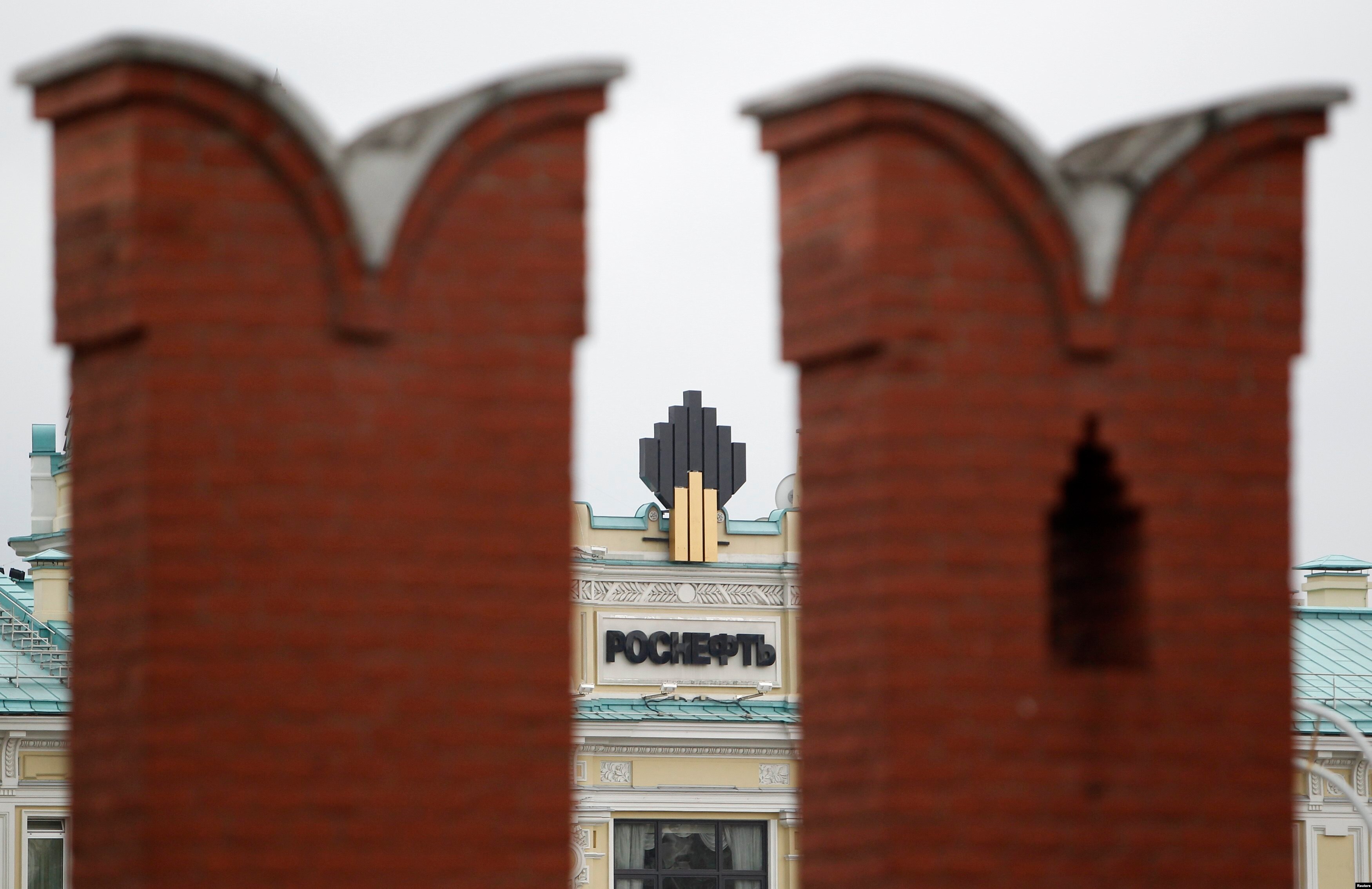
The Georgian opposition requires to cancel the deal of the country's largest oil and oil company with a Russian oil giant
New Year begins in Georgia with a major political scandal. The Georgian opposition requires the country's authorities to cancel the deal between Petrocas Energy Group, who belongs to the businessman David Jacobashvili, who lives in Moscow, and Rosneft. As a result of this transaction, Rosneft received 49% of Petrocas shares, which, among other things, owns a strategically important oil terminal in the city of Poti. Oppositionists claim that Rosneft is actively working in Abkhazia, so the transaction violates the law of Georgia "On the occupied territories." Nevertheless, the Georgian authorities are in no hurry to make radical decisions, fearing the aggravation of relations with Moscow.
Petrocas Energy Group businessman David Jacobashvili is rightfully considered one of the most successful companies operating in Georgia. She owns a strategically important oil oil terminal in Poti and the largest Georgian network of gas stations. That is why the deal between Petrocas and Rosneft on the sale of 49% of the shares was in Tbilisi a real sensation. The Party of Mikhail Saakashvili The Unified National Movement demanded that the authorities immediately cancel the deal on the grounds that Rosneft is actively working in Abkhazia, thereby violating the Georgian law "On the occupied territories." Oppositionists consider the penetration of a giant Russian company into Georgia, which is under the "sanctions pressure" of the USA and the EU into Georgia.
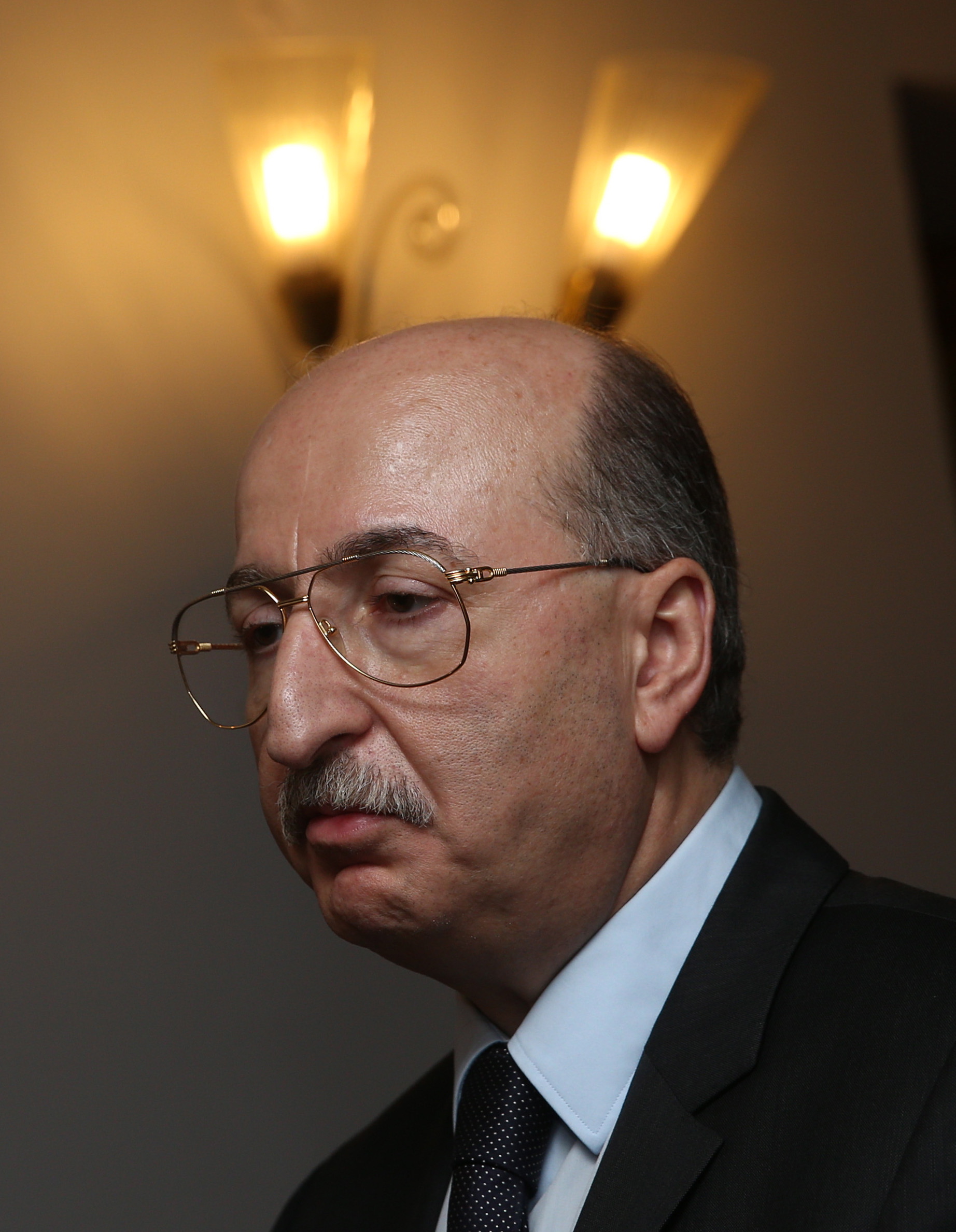
Almost none of the Georgian experts and politicians believes that such a major deal could be made without coordination with the Kremlin in conditions when Moscow is increasingly looking for new ways to communicate with Armenia, which recently joined the Customs Union. This was in an interview with RS by one of the leaders of the National Movement David Darchiashvili:
- "Rosneft" is a link in Putin's policy. This is not just a business, but a business accountant and an employee of Russian politics. We see a great risk that Rosneft will be represented in Georgia at such a level. Moreover, we do not exclude that this is only the beginning of the operation to master the coast and communications of our country by the Russian authorities.
- What steps does the opposition intend to take specifically? Your statement says that Rosneft violates the law “about the occupied territories”, but do you have any evidence of this?
- The opposition can only demand and appeal to public opinion in order to influence the intragous policy. I have no reason not to trust the statements that Rosneft really works in Abkhazia, and this is a direct violation of the Georgian law "On the occupied territories." The Georgian authorities must act according to the law and prohibit the functioning of Rosneft in Georgia, says David Darchiashvili.
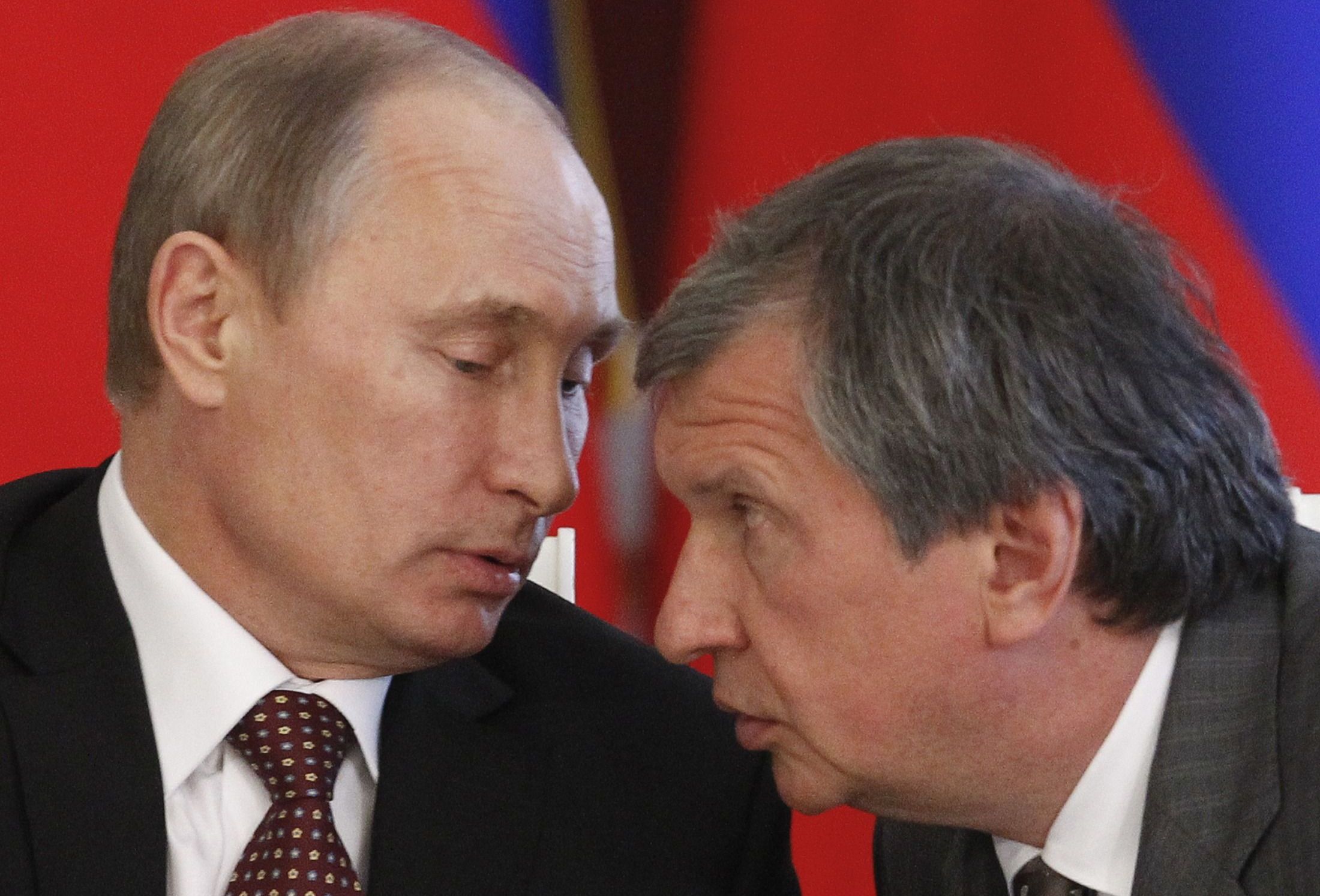
The largest Radio Freedom in recent years was told by the vice president of Petrocas Energy Group Niko Medlishvili :
-I confirm that Rosneft becomes the owner of 49% of Petrocas Energy Group shares, but the control package still remains with businessman David Mikhailovich Yakobashvili, who lives in Moscow and runs the company from there. Petrocas Energy Group belongs to the oil refinery in the port of Poti. We are engaged in crossing oil products, but do not produce oil. In addition, we owns the largest network of gas station stations in Georgia operating under the GULF brand. There are, of course, other assets, but I listed the most significant of them.
- How long did the negotiations last, why, in your opinion, Rosneft has become interested in these assets?
- Negotiations were held since November 2013. As for why Rosneft decided to acquire 49% of the shares - the reason, apparently, is that it has long been cooperating with Petrocas Energy Group. It is through our terminals that oil products pass, which are then transported to Armenia. That is why, in my opinion, Rosneft made such a decision.
- Rosneft is one of the largest Russian state companies. Does the transaction concluded by you indicate about the growth of the interest of Russian business in Georgia, despite the disagreements still preserved in interstate relations?
- Of course! Interest is growing, even despite political differences and the lack of diplomatic relations between the two countries. Let's see how events will develop, but I hope that Rosneft's activity will become an incentive for other Russian companies.
- The amount of the transaction is kept secret, but a message about the readiness of Rosneft flashed in the Tbilisi press to take possession of the Petrocas Energy Group stake. Is there such a probability?
- I cannot confirm this information. At the moment, 51% of the shares remain in the hands of Mr. Jacobashvili.
- The opposition claims that Rosneft violates the law of Georgia "On the occupied territories", as it works in Abkhazia. So, in their opinion, the activities of Rosneft in Georgia should be prohibited, and the transaction with Petrocas is canceled. What is your position on this?
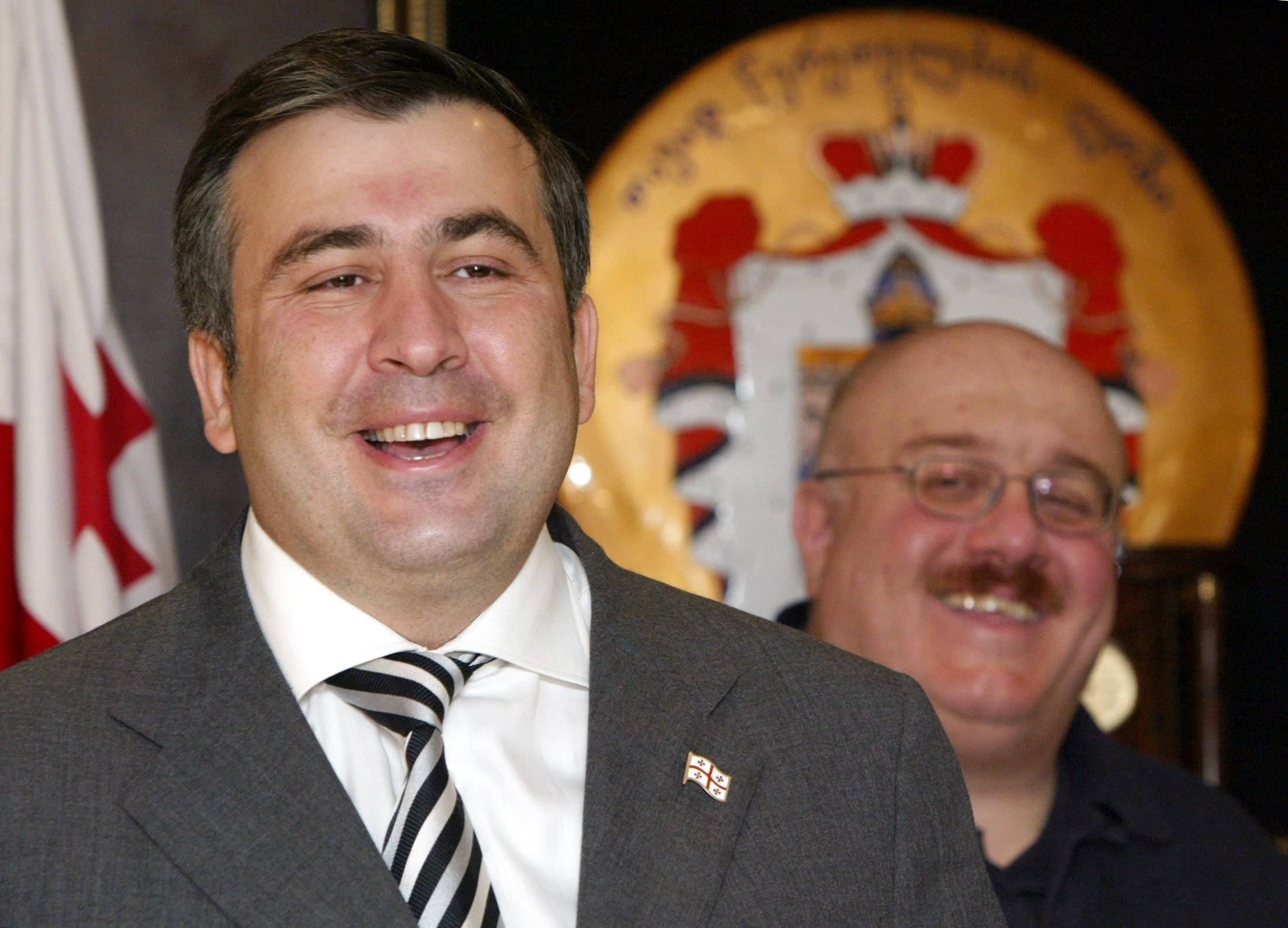
- Rosneft and Petrocas Energy Group did not violate Georgian legislation. Petrocas shares were bought by a company that is really included in Rosneft, but it does not operate on the territory of Abkhazia, ” Niko Mchedlishvili Vice-President of PetroCas Energy Group said in an interview with Radio Liberty.
Meanwhile, the Georgian authorities make it clear that they do not intend to cancel the deal. The official argument sounds like this: the government cannot interfere in business affairs and dictate conditions to companies, one of which simply decided to sell 49% of the shares of the other. In this vein, for example, the head of the parliamentary faction of the ruling party "Georgian Dream", Georgy Volsky , spoke out. However, the authorities are somewhat cunning, since it is still not about private, but about the state Russian company, which has fallen under the sanctions of the West. In addition, even if the subsidiary of Rosneft, which bought a stake in Petrocas, does not work in Abkhazia, Rosneft itself never hidden interest in the former Georgian autonomy. In case of desire, the Georgian government can find arguments for canceling the transaction, but this would be a public slaughter of the Kremlin and the end of warming in Russian-Georgian relations, which began after the change of power in the country.