
Translated material
A special monument
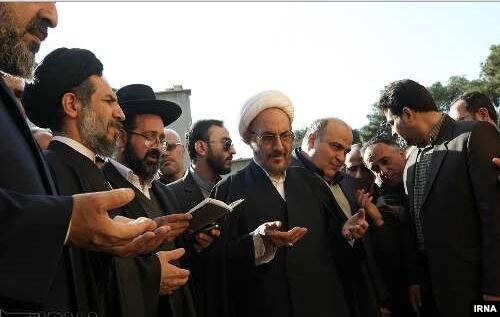
In Tehran, the monument was opened by Iranian Jewish soldiers who died in the war with Iraq in the 80s of the last century
The current authorities of Iran are well known to the very strict anti -Israeli rhetoric and the refusal to recognize the "Sionist regime" of Israel. Nevertheless, in the capital of Iran, the other day a monument was erected by Iranian Jewish soldiers who died in the war with Iraq in the 80s of the last century . The opening ceremony was held with the participation of government officials who also visited the graves of fallen military personnel.
Photos of the ceremony were distributed by the Irna State Information Agency. They can see how officials pray with the representatives of the Jewish community of Iran and lay wreaths on the graves of those who, in the sounding speeches, were called "martyrs" who gave their lives for the freedom of Iran.
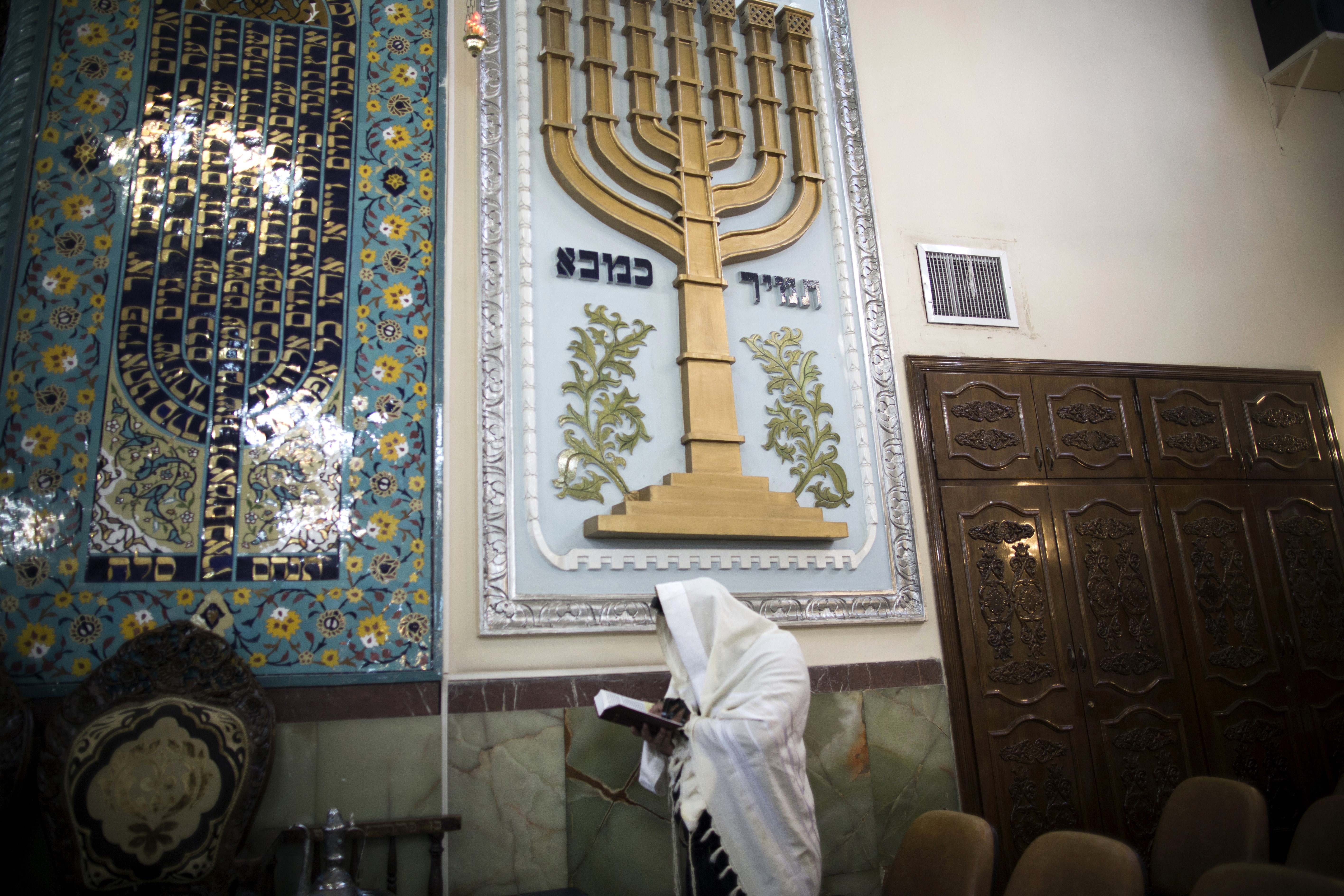
Jewish community of Tehran
Now in Iran there are about 25 thousand Jews - most of them live in Tehran, Isfahan and Shiraz. Before the Islamic Revolution of 1979 there were more than one hundred thousand. There are several dozen synagogues in the country. Jews, like other national minorities, are guaranteed a certain number of places in parliament. However, Iranian Jews are obliged to take the oath of fidelity to the country's supreme spiritual leader and agree that Islam is a state religion in Iran.
Iranian specialist, an university employee in Birmingham Scott Lucas has no doubt that the Iranian authorities pursue political goals by installing a monument to Jeanese soldiers:
- Although Iran is an Islamic Shiite state, they try to demonstrate that they respect the rights of religious minorities. At the same time, the Iranian authorities clearly make it clear that they share the Iranian Jews and Jews living in Israel. This was announced at the aforementioned ceremony by the vice speaker of Parliament Iran, Mohammad Hasan Abutorbi-Fard, who said that "the special position of the Jewish community, supporting the creation of the Islamic Republic and faithful to the Supreme Leader of the Islamic Revolution, demonstrates the inextricable connection between the Holy Religions." The vice speaker also condemned, as he put it, the “violent and inhuman” policy of the Prime Minister of Israel Beniamin Netanyahu.
Unlike his predecessor as president of Iran, Mahmud Akhmadjad, who questioned the Holocaust and predicted Israel , the current head of state Hassan Rukhani pursues a more open policy. He abandoned such rhetoric, although many Iranian officials still speak out of Israel in the spirit of Akhmadzhad, who refused the Jewish state in the right to exist.
- Rukhani wants to show the world that he is trying to establish a dialogue not only with friends, but also by Iran’s enemies. Therefore, he resorts to more restrained expressions, ”concludes Scott Lucas .