Date
Author
Александр Гостев; Сергей Добрынин
Source

Preserved copy
Translated material
Thunderstorm atmosphere
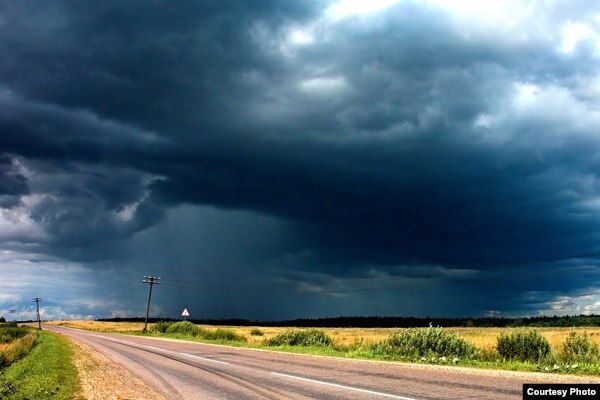
The fight against global climate changes today depends on the first politicians of the world - who cannot agree
The largest insurance companies in the world recently released data on general damage from natural disasters in 2014, which amounted to more than $ 106 billion throughout the globe. Global climate changes and extreme droughts, floods, hurricanes, temperature changes, leading to a violation of the usual way of life of entire nations, are becoming more noticeable. However, the world community, as the latest events and international summits showed, is still not ready not only to develop a single program for counteracting these changes, but even correctly assess the scale of danger.
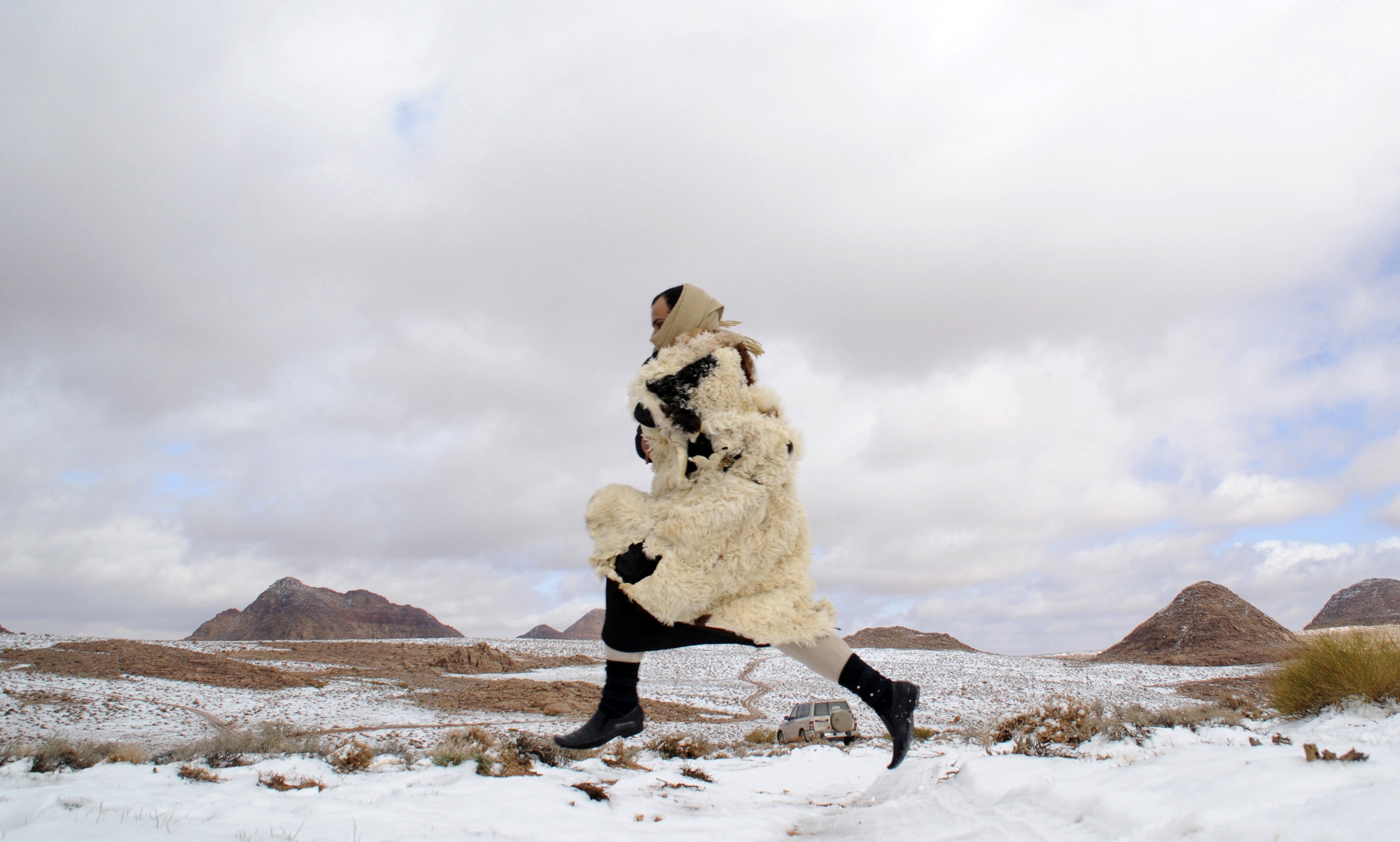
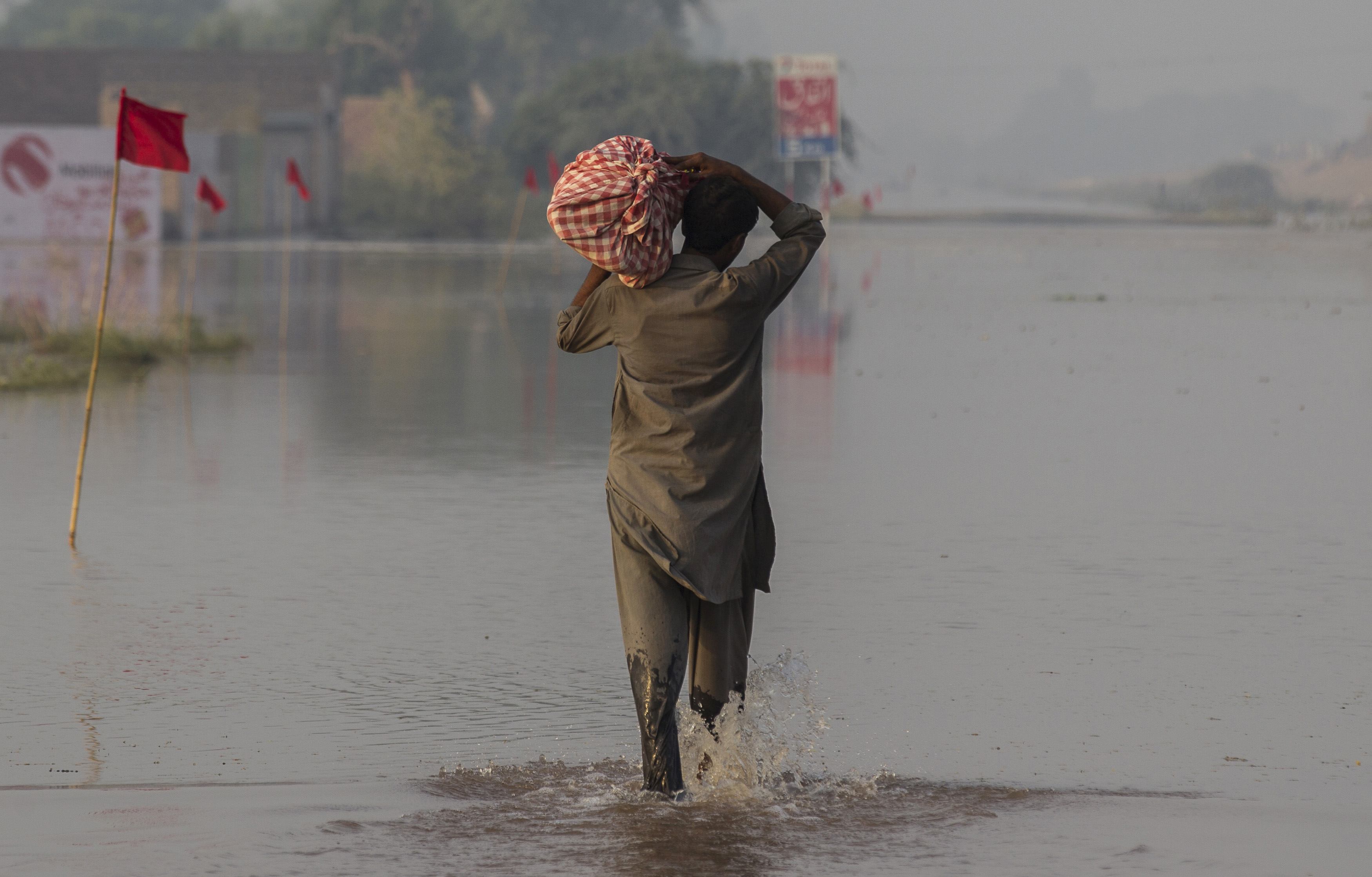
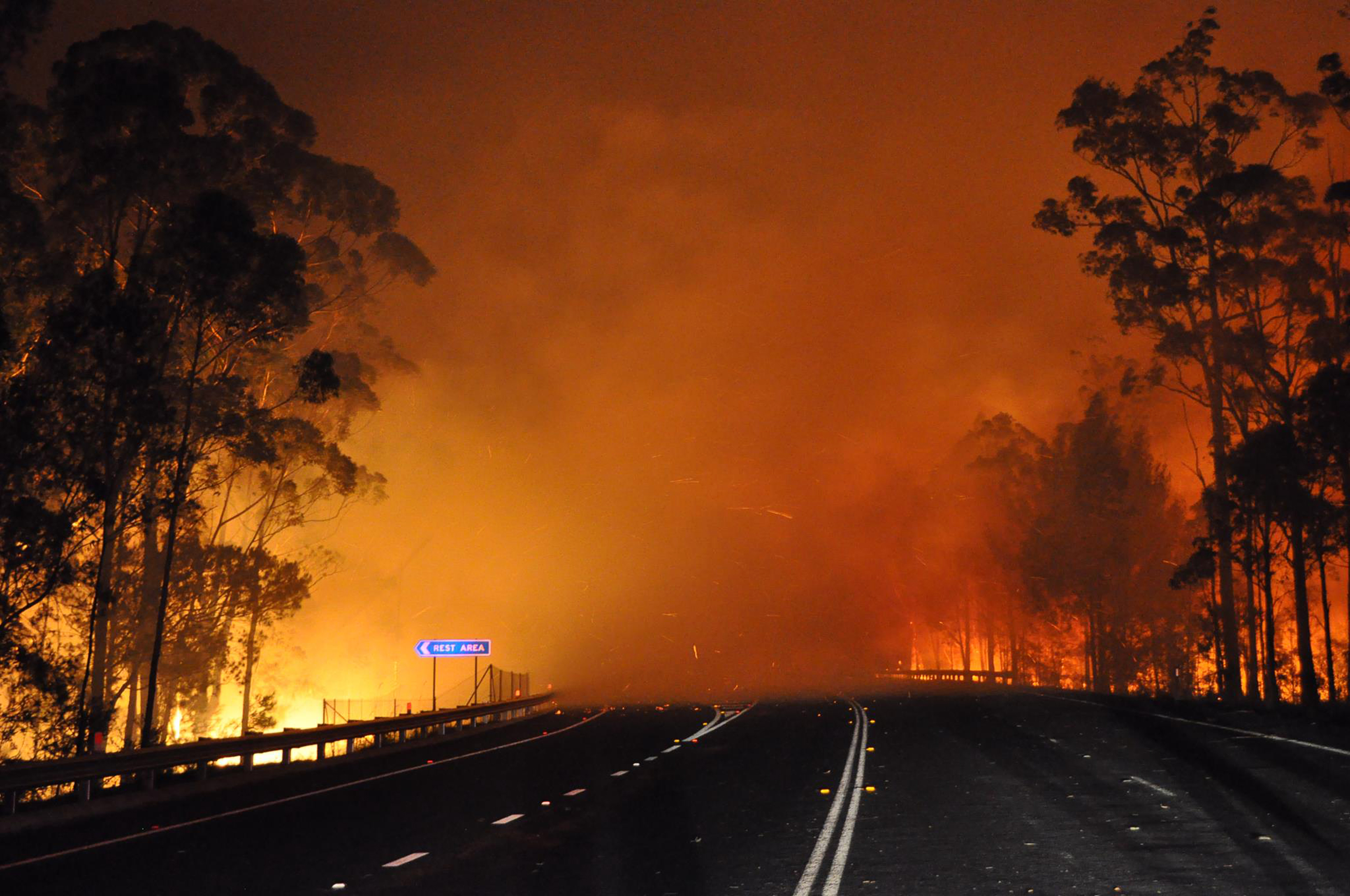
At least 12 thousand people became victims of various natural disasters last year, without taking into account millions of so -called “indirect deaths” caused by climate global climate, wars or epidemics. Extreme winter temperatures and snowfalls in the USA and Japan, storms with hail and unprecedented rains and winds in Europe , tremendous floods in the Balkans , India and Pakistan , forest fires in Australia and droughts in China - all this, among other things, was celebrated, according to weather forecasters, which was generally the hottest on the planet in history in the whole history Meteurications.
At the same time, in 2014, the level of concentration of greenhouse gases, primarily CO2 , in an atmosphere, which is now exceeding 142 percent, also reached its maximum in 2014 - if you take the scale of the pre -industrial era in 100 percent. The progressive warming of the ocean is also of particular anxiety, emphasizes Christian Fierses , the UN special secretary of the UN special department, which, by the way, has been adopted, by the way, more than 20 years ago:
- The heat is constantly absorbed by the oceans. There is no doubt that ocean water will continue to heat up, this process goes continuously. At the same time, what is happening, to be honest, is partly saving us - because the oceans take over the heat that otherwise hit the ground. While the water pays for us.
The UN Climate Protection Conference in the capital of Peru Lima , ending in the last month of 2014, did not bring the expected results. Representatives of more than 190 states of the world, participating in its work, only approved an interim document on reducing the emissions of greenhouse gases into the atmosphere, which scientists and environmental organizations called extremely weak, compromise and vague. According to the UN plan, a new fundamental agreement on how the international community intends to respond to global climate changes after 2020, should be signed at the Summit in Paris at the end of 2015. It will affect world energy, transport systems and economic development plans in future decades.
However, negotiations in Lima only showed how much the positions of different countries are still different in this matter. As a result, the final document of the conference in the pen is a simple transfer of measures that this or that state could, but is not obliged to accept, to restrict emissions into the atmosphere of greenhouse gases, primarily carbon dioxide - although at the beginning all participants seemed to be expressed to act as decisively as possible.
At the same time, most countries of Asia, Africa and Latin America are afraid that any new restrictions in the field of greenhouse gases emissions will undermine the development of their economies, and consider any proposals to introduce any general, uniform to all limiting norms, while rich states, whose share is the lion's fraction of the atmosphere, insist on the introduction of such norms for everyone without without Exceptions. In any case, the latest events in the world and at a conference in Lim in particular were a cold shower for more than a hundred developing countries, says Alexei Kokorin , head of the Climate and Energy program, the Climate and Energy of the Russian Representative Office of the Russian Representative Office:
- Developing countries realized that they are most vulnerable. They themselves cannot reduce CO2 emissions, because, firstly, they are very small, and secondly, they simply do not have enough resources for this. The maximum that they can do is adapt to climate change, and even in this they need help. It also became clear that those goals that were beautifully declared (and are now declared) to the UN - for example, to keep a temperature change at a level of not more than 2 degrees Celsius from the pre -industrial level in the 21st century - it cannot be achieved. Everything goes to the fact that there will be an increase not by 2 degrees, but by 4 degrees - and this is a much greater purity and the strength of dangerous phenomena. We saw the confrontation between not “developed” and “developing” countries, as it was once, but the most vulnerable countries and largest countries, which include, for example, states such as Saudi Arabia, China, to a certain extent India, which are in no hurry to reduce emissions, and the average developed countries are not in a hurry to help the weakest.

- What kind of disasters or phenomena threaten these developing countries against the backdrop of climate warming?
- Of course, not the temperature. The waves of heat are also significant for them, but still these are southern countries, it is not a wave of heat in Moscow. First of all, the deficiency of fresh water in the vast territories of Africa, Asia and Latin America is threatened. At the same time, India, of course, is affected by this, but almost only the northern part of India. China is affected, but relatively little. But others, smaller countries are much more affected. The second point is an increase in the level of the oceans, which is now best calculated, and it is clear that one meter of average increase, in fact, is already a matter of time. At the same time, one meter due to physical reasons - it will be one and a half meters in the tropics and, say, half a meter, for example, on the Barents Sea. For many small island states, which are about 30 or 40, this is a disaster, some of them will simply die.
- In what perspective can this rise in the level of the oceans occur?
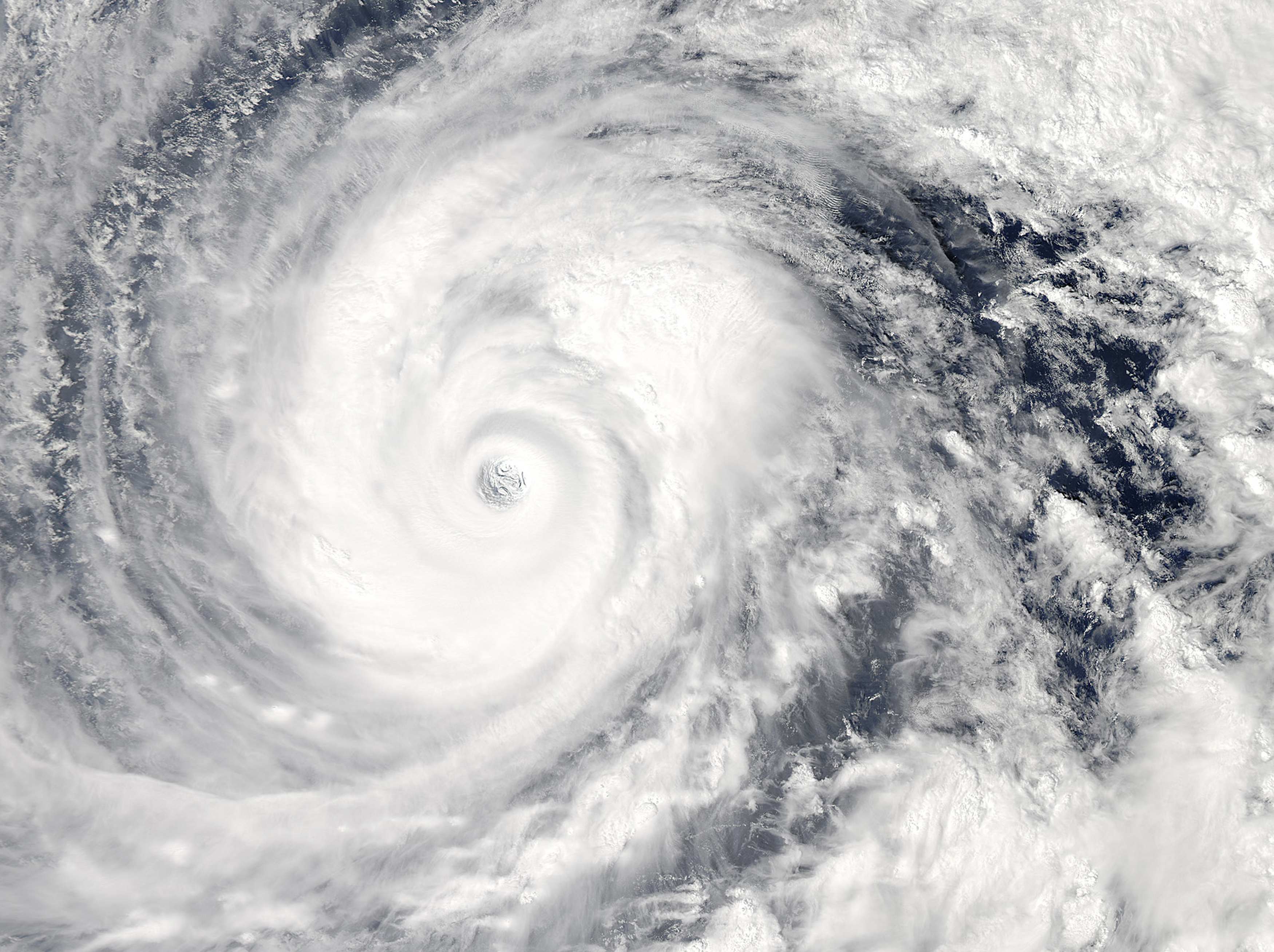
-In 50-70 years. You live on the island, your ancestors lived on this island, and here it turns out that due to the fact that in the world they cannot reduce some emissions, your island will flood! Naturally, your reaction will be very sharp, radical. And for the whole world, this is an increase in the number and strength of dangerous hydrometeorological phenomena. And if in Russia it will be more extreme precipitation, floods, waves of heat, then in the southern countries these are typhoons, hurricanes. That is, objectively northern countries, including the Mediterranean and most of the United States, Japan, look less vulnerable.
-What has changed over the past 15-20 years in climate science? Have we learned to better monitor how climatic changes occur? Are there any more disagreements in the scientific environment that this is caused by human activities?
- A lot has happened in climatic science. Firstly, an isotopic analysis proven that an increase in the concentration of CO2 in the atmosphere, which we see and which intensifies, accurately occurs due to human activity. More than 20 years ago, this has not yet been. And there were doubts-or maybe these are some natural things, cycles? Secondly, it became clear that anthropogenic climate changes are superimposed on natural variations caused by ocean cycles. If we see somewhere a slowdown in climate change, then this does not mean that the process of strengthening the greenhouse effect has slowed down, no-we have such a phase of interaction with ocean cycles. Over these 20 years, we have been collected incomparably more data on the ocean. And the main evidence of global warming, that it is, is the progress of the upper layer of the ocean. To a depth of 700 meters, a thousand meters, to two thousand meters, a significant increase in its temperature determined by devices reaches. We clearly record an increase in the number and strength of dangerous natural phenomena associated with stormy winds, with sediments (both plus and minus), and with floods, and with droughts. This is also a fact. That is, knowledge has become much more, they have become much more definite, although not always as "hopeless" as it was supposed.
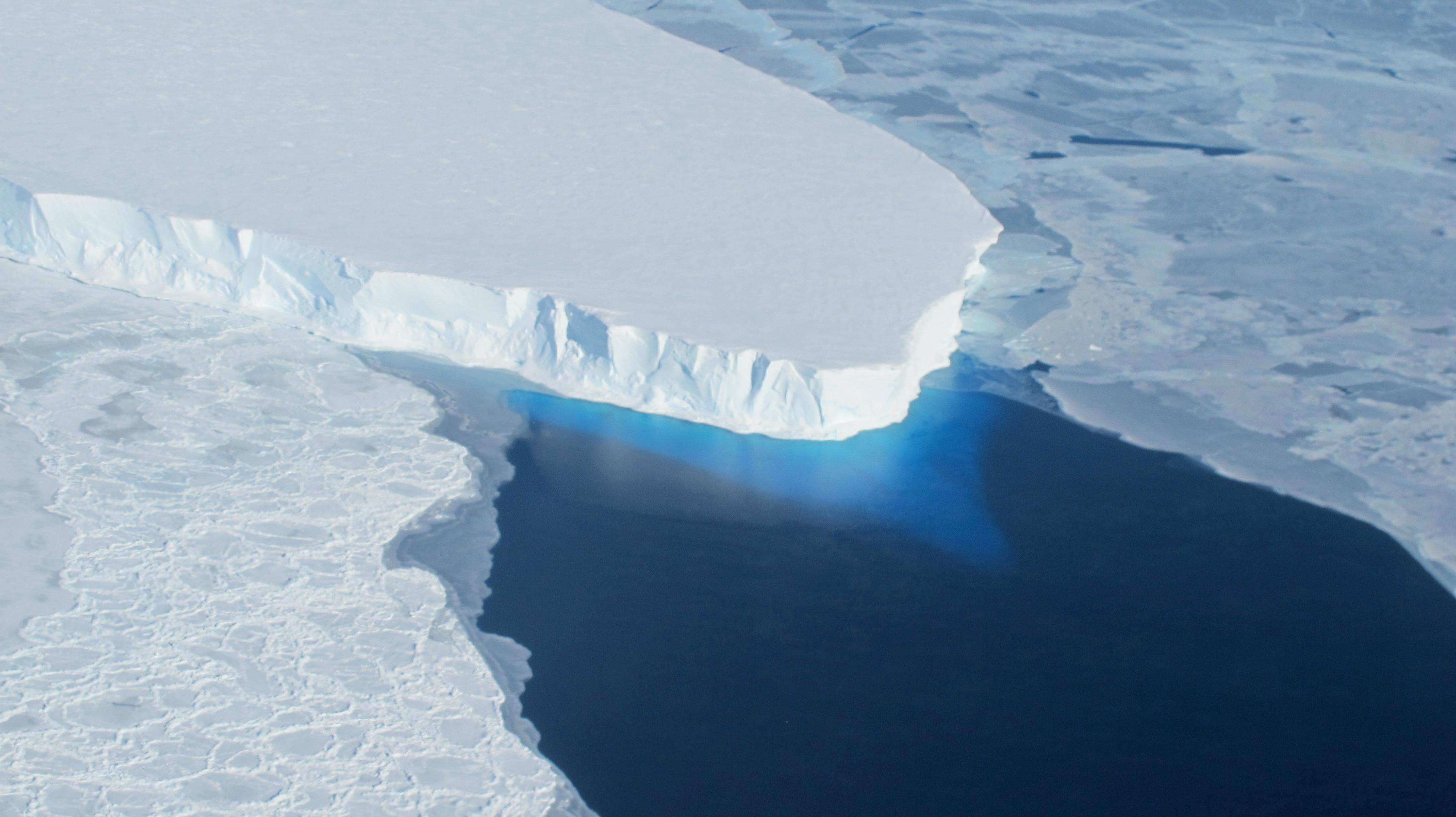
- Is there a unity of opinions among climatologists today?
- Among climatologists, consensus exists according to basic things. In terms of parties, of course, there is no consensus. Let's say it is not known when our concentration of CO2 in the atmosphere will still increase, albeit not by a third, but by 25 percent - and at the same time the ocean will answer? Will it absorb C2 or less? This is unknown. There are no consensus on typhoons, and their number and strength are growing. The damage grows, of course, their unpredictability is growing. But the fact that the number and strength is no common opinions.
-Somehow the biosphere is already reacting to such changes?
- The biosphere responds. CO2 concentration is something like a sinus. When summer is in the northern hemisphere, then we have more phenomena, when the summer in the South is less. Just the biosphere in the Northern Hemisphere than in the South. And the amplitude of this sinus is about the same for the last 50 years. Now, if this amplitude increased, or somehow twitched, there would be a question: maybe we have already brought the biosphere out of balance? Perhaps this is not yet. Another thing is that the effects of global warming with might and main affect certain types, on separate ecosystems.
-You said that even a reduction in emissions will not be able to stop the warming of 2 degrees on the Celsius scale until the end of the 21st century or even 4 degrees. Can you describe what the earth, warmed up by two degrees, will look like?
-With +2 degrees-more or less disastrous. It will be necessary to make considerable efforts to adapt the agriculture and water in many countries of Asia, Africa and Latin America, including Central Asia, of course, the Mediterranean. Of the regions that have finally turned into a desert, primarily from the Sachel zone in Africa , people will just have to be relocated. There will be small parts of sushi, where people will live really bad or they will not be able to exist without constant help.

Also, some small islands will still expect flooding , although not so fast. But very few people live there, let's hope that everything will be fine with them. One or another base territories, the same Venice, will need to be saved, for a lot of money. But by investing this money, the problem can be solved. And if the Earth warms up by 4 degrees, then the number of areas where it is very difficult to conduct agriculture will already be much larger. By the end of the 21st century, even in Russia, agricultural conditions will deteriorate everywhere except the North-Western Federal District. But, speaking of Russia, this is only a matter of funds. And for some countries such as Kyrgyzstan, this can simply become a tragedy, people will not be able to live there. There will be one way out for them - to migrate from there, ”says Alexei Kokorin , head of the Climat and Energy program, the Climat and Energy program.
-

Alexander GOSTEV
The editor of the RS information service, international observer, author and editor of the heading and podcast "Atlas of the World"
Gosteva@rferl.org -


Sergey Dobrynin
Radio Observer Freedom, journalist-investigator