
Translated material
The world through the lenses
Wearing for the first time after a ten -day festive break contact lenses, I was at first horrified by my own apartment. What before seemed clean to me turned out to be a mixture of dog wool and dust in the corners, under the doors and even on electric sockets.
Usually, for my short -sighted eyes, lenses are written out minus 1.8, but before the New Year, only lenses remained in the local pharmacy for minus two, and they turned my world after the holidays into a parade of parts that I had not noticed before - or did not want to notice.
On that day, with my new eyes I looked at the harsh faces of the fellow travelers on the bus, wrinkles on strangers and my own faces, trying to guess which of them came from frequent smiles, and what from grief and experiences. In the details, I examined the contents of a crowded trash at a stop, followed the movements of the saleswomen who change the price tags in the grocery store on the corner.
It’s easier to look at your life with short -sighted eyes: you can easily forget about those details that cannot be seen.
In the evening in the theater, she looked at the beautiful actor who played the role of a sufferer who chose between death as a free person and the first one in slavery in slavery. She followed his lips and eyes, and mostly the elderly eyes of the audience, which - so unlucky in the lobby in the intermission - seemed to feel this drama well.
It’s easier to look at life with short -sighted eyes: you can easily forget about those details that cannot be seen. When you wear the lenses, first it is painful to look at the light and sky: it seems too bright. In the evening before going to bed, I took off the lenses, returning to the usual world of softer outlines. But already in the morning it is necessary to decide whether to stay in it-or still not be afraid of a sharp, sometimes painting reality.
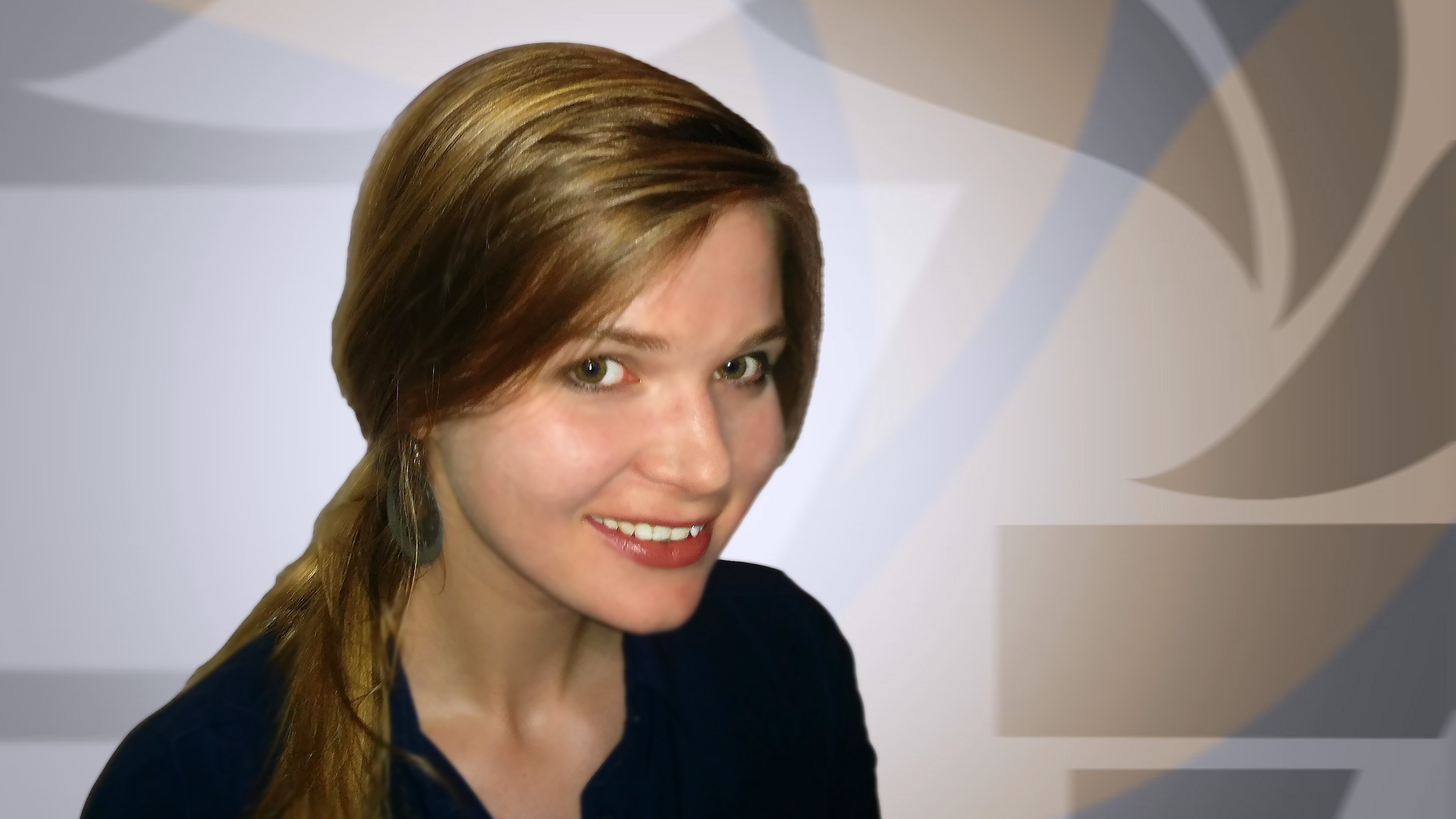
Evgenia Kulgina - freelance correspondent of Radio Liberty in the Khabarovsk Territory, laureate of the competition of young journalists "Challenge of the XXI century"