
Translated material
Language of history: What does he say about Russia?
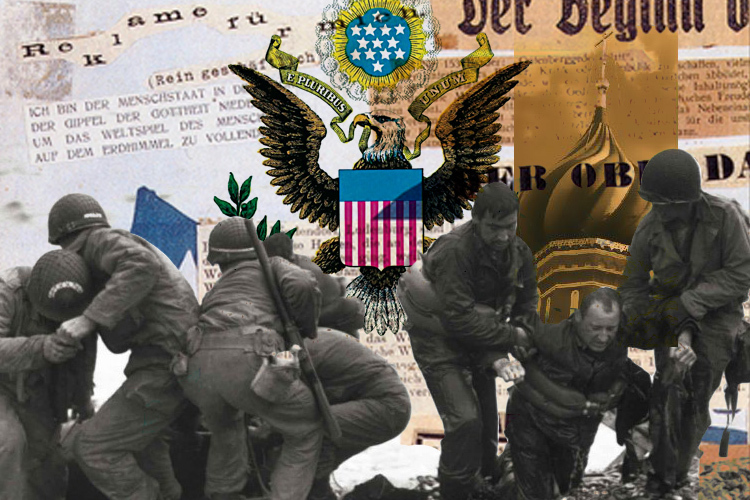
Recently, several books were published in Russia on one of the most relevant and painfully sharp topics of modernity - history and mythology. Their spectrum is very wide: from a deeply funded “dictionary of historical concepts” to the Folk History genre “unexceptable history of the United States” that was written in the widespread spread. However, they are united by a very specific “optics” of the author’s view of history: the usual connections between the cause and consequence, events and processes, historical figures give way to a different, unobvious logic - myth. And this key category is interpreted in different ways.
History in concepts
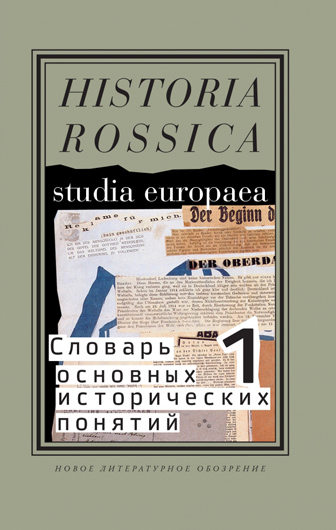
The milestone in humanitarian thought was the publication of the “Dictionary of the Basic Historical Concepts” (Moscow, “New Literary Review”, 2014), the basic publication, traditionally designated by the name of its chief editor - Rainhart Kozelleki. For the Russian reader, the collective of translators selected nine of the most important articles, among which there are such as “revolution” or “people”. It seems that without them it is impossible not only to describe the historical past, but also to read Russian classics-if only you want to open something new in it.
 © "New Literary Review"
Actually, according to the authors, “concepts” we think of any history, using their help or to designate the historical phenomenon - or, on the contrary, to change historical reality. The matrix proposed by the German group of Kozellek is half a century ago, is well working on Russian material: now we only have time to “call” things, index, fix what is happening (not necessarily changes), but not to direct to the future (almost complete absence of neologisms with the end of the “-ym” indicating the temporary dimension: the usual commune no longer calls for time, ahead of time, in the time of time. coming).
The main historical concepts are important for our era - the era of modern. It was in it that we first realized ourselves as “the last modernity”. Behind her, perhaps, the inevitable end follows. Alas, the theory of “end of history”, the collapse of humanity and the nuclear apocalypse, are corresponded to these eschatological expectations, alas, and at the level of folk historical myths, faith in the close -up of a worldwide catastrophe, generously flavored with ideas about the world conspiracy and secret government.
Our “final” moods, as the authors explain, are nothing more than the reverse valency of high expectations of the new time, when hopes seemed to seek to refute the entire previous historical experience - frankly, not very much to optimism and hopes for a bright future. Thus, so far in communication these concepts dominate, developed by ours not so distant ancestors, we are still historical optimists and hostages aimed at the “beautiful far” measurement of history.
According to the authors of the “dictionary of basic historical concepts”, we ourselves “invented” concepts, and they have already began to influence our life; True, such a close relationship appears only in modern times. A striking example - as Lenin thought of the historical term “revolution” (at the same time almost without processing it), or as under the influence of the concepts of “mass and nation”, Hitler’s specific combinatorial thinking was formed. With these historical concepts, their language and their realities, we are still immersed in the past.
Concepts tend to expand, constantly absorbing new meanings; An attempt to catch the elusive historical reality, to identify the meaning of an event or process, considered motionless, once and for all defined, is undertaken only after the act of recording. With this culture of “telling history” we owe Christianity and its special perception of time - the unattainable, but such a familiar desire to “stop the moment”: after all, everything is unique and individually, nothing will happen again. And the property to generalize, including projecting personal life experience on history, is one of the key to human consciousness.
History is known through the language (and how else?), But thinking with concepts that first describe and then change reality, only strengthens the seemingly insurmountable barrier between historical experience and our representation about it. Kozellek believed that this type of historicism is characteristic of the era of European New Age. This is primarily due to the specifically European education and methods of disseminating knowledge and information.
Risking to understand the authors better than themselves, I will assume that the creation of a story in concepts should be replaced by historical myths. According to this criterion, one can measure the correspondence of the “modernity” (“modernity”) of certain societies, since historical concepts are obviously aimed at thinking of humanitarian knowledge about oneself, about the language (self) description and ways (in itself) of the presentation. Russia and Russian historical consciousness are far from modern here.
Archetypal king
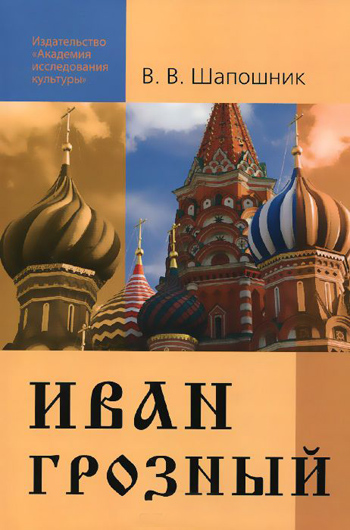
An attempt to rethink the myth of the most important myth for the history of Russia about Ivan the Terrible, belonging to the pen of a historian from St. Petersburg Vyacheslav Shaposhnik and, unfortunately, published with a meager circulation of three hundred copies (St. Petersburg, “Academy of Research of Culture”, 2015).
 © "Academy of Research of Culture"
It would seem that the new one can say about the first Russian king? All historical sources telling about him have long been known and thoroughly studied, and meanwhile, every few years with enviable constancy, the next biography of "Ivan the Terrible, for the cruelty of the nicknamed" Vasilyevich "".
And the point here, obviously, is not only and not so much in the political conjuncture or ideological order: with all the polarity of opinions about the odious figure of Ivan the Terrible, the flow of academic research of the topic does not run out, each generation of historians must decide on their attitude. Why so?
The author’s answer to this key question is simple and convincing: in the Russian historical thought there is no more or less generally accepted point of view on the life and activity of a person who has become a kind of national Russian historical concept, migrating from the sphere of competence of scientists to the “Name of Russia” talk show. Should there be such consent among professional historians? According to the Shaposhnik - undoubtedly, for it sets the trunk line of the perception of Grozny, which can already be proved or refuted, but cannot be noticed.
To this end, the St. Petersburg historian makes an ambitious attempt to enter the figure of the first Russian autocrat into the general context of the tradition and continuity of power in Russia (I note that Russian historical science has long abstained from such intentions: it is unlikely that someone can finally legalize the place of Ivan the Terrible in our history). Thus, even such measures as oprichnina are successfully tested for “legality”. According to the Shaposhnik, in general the king has more similarity with the statesmen of his era than the differences ("Terrible only brought to the end that it was begun by its predecessors - the great princes of the Moscow"). Yes, the distant consequence of his activity was the crawl of the country into confusion, but one of the author’s conclusions reads, all the acts of the first Russian king were the repetition of the already passed: the main directions of domestic and foreign policy, and the foreman, the church transformations, the boyar “non -plots”, and the campaigns of Moscow to Novgorod, and even the separation of the land “Opchit” - all this was already in a fundamentally different scale).
The significance of Ivan the Terrible, the Shaposhnik sees that it was his figure that became decisive for the description of any other Russian ruler: the measurements are applied to Vladimir Saint, and Vladimir Lenin, and to Vladimir Putin - they say, try to compare. This also applies to the space of historical memory (from where Terrible can no longer be expelled), and the actual “history” itself. I will explain the latter: according to the author, on the one hand, on the one hand, the king did not undertake anything beyond the framework of the historical logic of his time, and on the other, the first to have the courage to take responsibility for making the most important decisions about the historical fate of Russia. In other words, he realized his “modernity”, even though this was expressed in the preparation of his subjects for a terrible court: “Was it difficult to execute the king? It was probably. But he saw his duty in this, and he was obliged to fulfill it, to eradicate a lie in Russian land. But “without a thunderstorm” it is impossible to the king - because “it is not for nothing that he wears a sword”. "
Ultimately, Ivan IV turned out to be an archetypal Russian ruler and on the murderously logical path that he made from attempts to reform and reign together with the chosen Rada to an unlimited authoritarian system and the regime of state terror, as if confirming that the transformations in Russia were initially doomed to failure.
The traditional and ungrateful task of the most outstanding Russian historians was the search for an explanatory model for understanding the reign of Ivan the Terrible rich in tragic events. CM. Soloviev, who created the most fundamental author’s “history of Russia”, believed that the king fought with the boyars as a representative of the state principle with Rodov, S.F. Platonov, whose concept served as a kind of bridge between pre -revolutionary and Soviet historical science, believed that Grozny's activity was aimed at the destruction of princely land ownership. Already in Soviet times, the cult of the first Russian autocrat as a great statesman arose, who managed to strengthen the state before the terrible shocks of the troubles, and the brutal reprisal against the boyars and princes was interpreted in the spirit of confrontation to conservative classes. One of the most original thoughtful Soviet historians, A.A. Zimin, represented oprichnaya terror as a set of measures aimed at eliminating the consequences of specific fragmentation. (The current historiography may well continue: “Once the formidable managed to solve relevant problems, and its descendants could not, and even led the country to the most severe crisis of the Time of Troubles, it turns out that Ivan IV was a great ruler that ahead of time.” And, alas, from the point of view of the historical myth in these words there is his own truth.) And only our “first historian” and the last chronicle ”” N.M. Karamzin openly admitted that in the transition to the oprichnin there is no logic, causal relations are absent by definition, and the sovereign himself was a crowned terrorist.
Before the introduction of the oprichnina in the presentation of the header, Ivan acts as a tough and smart politician who knows how to set specific goals and achieve them. Reforms of the early 1550s, which all Russian historical science argued about, appear as a number of measures mobilizing the state designed to strengthen political unity and increase military power. The most complex of these transformations - a change in the position of the Black -Holy Peasantry, still not having a generally accepted interpretation - is, in the opinion of the author, a manifestation of state liberalism. The highest taxes were levied from the smallest in area, but the most fertile farms of the Black -bearing peasants, which made up the Terrible, according to some estimates, up to half of the Russian population working on Earth. The high performance of their labor was the result of personal freedom and almost ownership of land (I recalled Nekrasovsky: “The will and work of a person / marvelous divas create.” I will add from myself that we are talking about the very peasants-owners that Stolypin dreamed of-perhaps the greatest Russian reformer of the past century-and which, alas, do not still have). The most significant military success of the reign - the capture of Kazan - is included in a number of such events as standing on the Ugra River in1480, the liberation of Moscow in1612, the expulsion of Napoleon from Russia in1812 and victory in the Great Patriotic War, thereby receiving symbolic status in historical memory.
How much more should we repeat this path - from the reform to the oprichnin? It is only worth the ruler of Russia to realize his independence, as he introduces the regime of an unlimited personal authority: this is how the modern historian understands the logic of Ivan the Terrible (or its absence).
Injured past
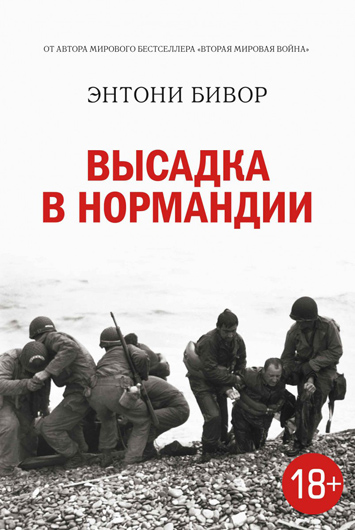
Representatives of English -speaking historical science and journalism choose a completely different way of working with historical myths. Two works on Non/ Fiction were presented on the already famous (and popular) topics in Russia: the book of the British historian Anthony Bivor is devoted to the landing of the Allies in Normandy in June1944, and the joint work of the Hollywood director Oliver Stone and the professor of history of Colombian University Peter Kuznik - “Unexcited History of the United States” (both Moscow, Moscow, Moscow, Moscow, Moscow "Hummingbird", "ABC-Atticus", 2015 and 2014, respectively).
 © "Hummingbird"
Anthony Bivor created his own, recognizable from the very first words, the style of the story about military history. It seems that his approach is close to the English -language reader: true to his rules, refraining from assessments, the author writes mainly not in the “historical”, but in the “simple” past tense. Before us are the events that just happened. Perhaps in June1944 in Normandy, and possibly yesterday in the courtyard of a neighbor. And it is not necessary to compare what happened to what happened earlier or later: on the contrary, Bivor calls to perceive history as a chain of completely independent episodes, often deprived of any obvious connection and deserving a special story. Actually, this is a long description stretched in time “Story of History” (in a scientific-narration), and there is the text of the English historian about the key allied myth of the Second World War.
“The more described, the better understanding” - following this simple rule, Bivor's narrative leads. I will add from myself: the more believable attempts to reconstruct the experience of those who landed on the deserted and cold beaches of Normandy on June 6, 1944, “back to things” are perceived - as if it proclaims such a historical letter and describes in detail weapons mechanisms, the structure of planners or landing vessels. Game in the war for adult men? If it weren’t for such a description in the memoirs of one American soldier: “I never had to see so many brave men who managed to do so much” - obviously, this is the description and in terms of the meaning of exactly the opposite (“so much” - “so little”) - we would only have to guess about the true state of people who survived the appreciation of the landing site of the “Omakh” landing.
As a result, the war, taken in the most recognizable event for the Western world, appears as a controlled chaos: orders are launched from above, and they are executed below at all costs. Such a historical text allows you to feel in dangerous proximity to the harsh military reality - and be horrified: so in this world everything is unpredictable and depends on the slightest chance.
Like other books by Bivor, the “landing in Normandy” belongs to the genre of ego-historia: almost all the documents used are sources of personal origin. The heroic and tragic events of the war are described in the transverse section, as if they were shot by the “hidden perspective” of the Robert Capa camera, with which he also landed on the shore of Normandy on June 61944 (I note that the Russian historian Yu.L. Troitsky proposed a similar method of historical story back in the early 90s)
 © "ABC-Atticus"
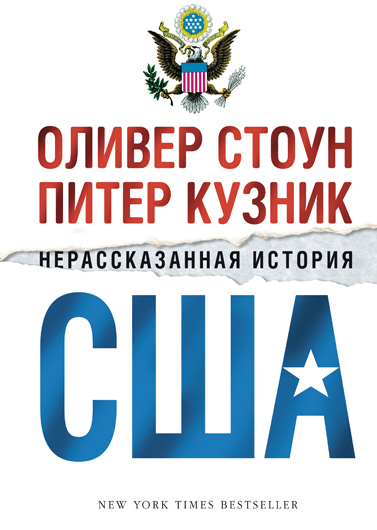
Another book on the topic of demiphologization (or, conversely, mythologization) was co -authored by one of the best American directors of our time, Oliver Stone and historian Peter Kuznik. As the name implies, this is the history of the United States, which is usually “not told”: the authors focus on little -known episodes and half -forgotten pages. True, in the interpretation of Oliver Stone and Peter Koznik, “non -progress” acquires another meaning - these are the “stories” that they prefer to silent about, not to talk aloud. The history of the defeats, failures, scams and frauds of banks and cartels, ambiguous, arousing suspicion, and sometimes criminal actions of the state and its special services, the main thing is the buried hopes for the best future, the fair structure of the country and the whole world.
Reading the "unexplored US history", you do not get tired of being amazed: it would seem, what else do they need? The only world superpower, no, strive for something else. It turns out that the Americans also gravitate towards their national myth-the construction of a biblical city on a hill, the new Canaan, which, according to the founding fathers, expressed almost two and a half century ago, should be a lighthouse that spreads the light of freedom to the whole world, a model for any state that has entered the road of democracy. As we know, from this dream - as well as from any utopia at all - nothing came of it. Crushing blows on the American idea were inflicted just in the 20th century. На них и останавливаются Оливер Стоун и Питер Кузник: Четырнадцать пунктов Вудро Вильсона, обещавших вечный и всеобщий мир и ставших эпитафией Лиге Наций, радикальные реформы «Нового курса» Франклина Делано Рузвельта, положенные под сукно консервативной бюрократией и финансовыми магнатами, «Новые рубежи» Джона Кеннеди, уничтоженные выстрелами в Далласе 22 ноября 1963 года…
Авторы критикуют правительство своего государства за излишний идеализм и утопичность. Несомненно, такой взгляд покажется для российского читателя странным: в массовом представлении именно США предстают самым прагматичным и практичным государством, чьи жители напрочь разучились мечтать. Но Стоун и Кузник недвусмысленно заявляют: сами американцы думают теми концептами, которые услужливо подбрасывают им кандидаты в президенты, не заботясь о выполнении предвыборных обещаний. Не случайно поэтому особое внимание в «Нерассказанной истории США» уделяется именно президентам, их словам и делам.
Книга не просто развивает критическое мышление (и соответствующее отношение к своей истории), но и, совершив причудливый круговорот, возвращается к ключевой идее: раз уж мы такие идеалисты, так давайте быть ими последовательно, помогая странам развивающегося мира, не жалея и отдавая себя, — иначе мы не имеем права выступать моральным авторитетом для всего человечества. Перекличка с проблемой российской идентичности здесь очевидна: официально Россия тоже хочет служить примером для подражания, но это приводит только ко все большей самоизоляции. «Нерассказанная история США» направлена в пределе на излечение исторической травмы, а появление такого острополемического труда объемом почти в тысячу страниц свидетельствует о моральном здоровье общества.
Работа с травмированным историческим прошлым — одна из самых востребованных в мире областей гуманитарного знания: мы учимся не только запоминать, но и забывать. Думается, такую нерассказанную историю, чье полотно целиком соткано из обид и поражений, можно найти в любой стране мира. И ее все-таки надо рассказать, чтобы еще раз не совершать тех же самых ошибок. В России этого пока не сделано.
***
Подведу итоги. Как носители исторического сознания, мы думаем понятиями. Их недостаточная разработанность приводит к опасной подмене: исторические понятия уступают место мифам и целым мифологиям, а историческая реальность втискивается в прокрустово ложе языка описания.
Для «Словаря основных исторических понятий» его авторы по понятным причинам выбирали те понятия, которые были актуальны в современной им социальной реальности («Поставить вопрос сегодня и идти от него в прошлое», — призывал Мишель Фуко). Возникает недоумение: а как быть с теми историческими понятиями, которые, уже оказав влияние, пока еще не отмерли в области повседневного языка, даже больше — продолжают на нас воздействовать? Собственно «исторически научно» Иван Грозный не может быть описан, до такой степени фигура первого российского самодержца закрепилась и удерживает позиции в сегодняшней действительности. Все, что могут здесь сделать историки, — это попытаться в очередной раз примирить «неудобного» правителя с действующей властью и ее идеологическим заказом. В свою очередь, для пожизненной дискредитации достаточно описать политического противника в понятиях исторической реальности Третьего рейха или коммунистического режима, чему яркое свидетельство — события уходящего года и взаимные обвинения главных действующих лиц нашей эпохи.
Язык истории создавался в целях репрезентации современной исторической реальности, тем самым и самоописания общества, так что далеко не все понятия имеют сейчас оригинальную смысловую нагрузку. Получается, что Россия не просто не «современна», но застряла в дебрях Нового времени: современного языка описания, адекватного нынешнему положению вещей, у нас еще не создано.
Одна из проблем истории понятий (а шире и глубже — истории вообще) — поймать ту исчезающую точку в дошедших до нас письменных текстах, в которой и происходит таинственное концептуальное изменение, когда прошлое действительно становится историей. Что здесь чему предшествует? Или встреча с историей круто меняет наши определения и представления, в которых мы описываем реальность, — или же, наоборот, комплекс понятий вокруг исторического опыта оказывает непосредственное влияние на события и процессы. «Это бунт? — Нет, сир, это революция».
Исторические понятия имеют свойство девальвироваться — как своеобразная «валюта», которой мы «платим» исторической реальности (или она — нам). Так, уже упоминавшийся «коммунизм» не только утратил значение всемирного проекта, направленного в светлое будущее, но в России в него перестали вкладывать какое-либо серьезное содержание вообще. Конкретная победа в Великой Отечественной войне, утратив всякую связь с исторической реальностью, превратилась в некую абстрактную и всеобщую победу, за которую и деду (уж не Морозу ли?) спасибо, и георгиевскую ленточку повязать, чтобы не дать распасться духовным скрепам. Девальвации иного рода подверглась «революция»: историческое понятие потеряло практически все хоть сколько-то положительные смысловые оттенки, обретя вместо них стойкую отрицательную и отрицающую частицу. В этой связи вспоминаются лидеры наших протестов, которым приходилось постоянно оговариваться, что «это не революция». Понятия, у которых размывается смысл, требуют дополнительных атрибутов, расширительных толкований (как я уже отмечал, для исторических понятий характерно расширение по определению, с охватом и захватом все новых «кусков» действительности), у них появляются эпитеты, умножающие на порядок изначальную семантику («бархатная революция», «революция роз», «оранжевая революция» — далее по списку). Таким образом, понятия, девальвируясь, теряют связь со своим истоком. Возможно, еще совсем недавно все эти революции и не считались бы революциями — или употреблялись бы в кавычках.
Язык политики развился из языка истории, политические понятия вышли из понятий исторических, и сейчас мы не знаем, что придет на смену привычному гуманитарному описанию реальности. Очевидно, что девальвированное историческое понятие от истории не работает — или же, скорее, действует по новым законам. Поэтому в России и не осталось «политики» и «гражданского общества» в привычном (читай — западноевропейском) понимании. (За указание на феномен девальвации исторических понятий благодарю А.В. Корчинского.)
Контексты употребления исторических понятий (и тем более — мифов) приводят к весьма необычным последствиям в исторической логике. Так, в нынешней официальной российской идеологии можно (и модно) ссылаться, к примеру, на то, что модерность в России появилась примерно на столетие позже, чем в других европейских странах, следовательно, к нашей исторической реальности применимы те понятия, которые соответствуют уровню ее исторического сознания на сегодня — но и только. У нас еще все впереди.