
Translated material
Secrets "Litvinenko affairs"
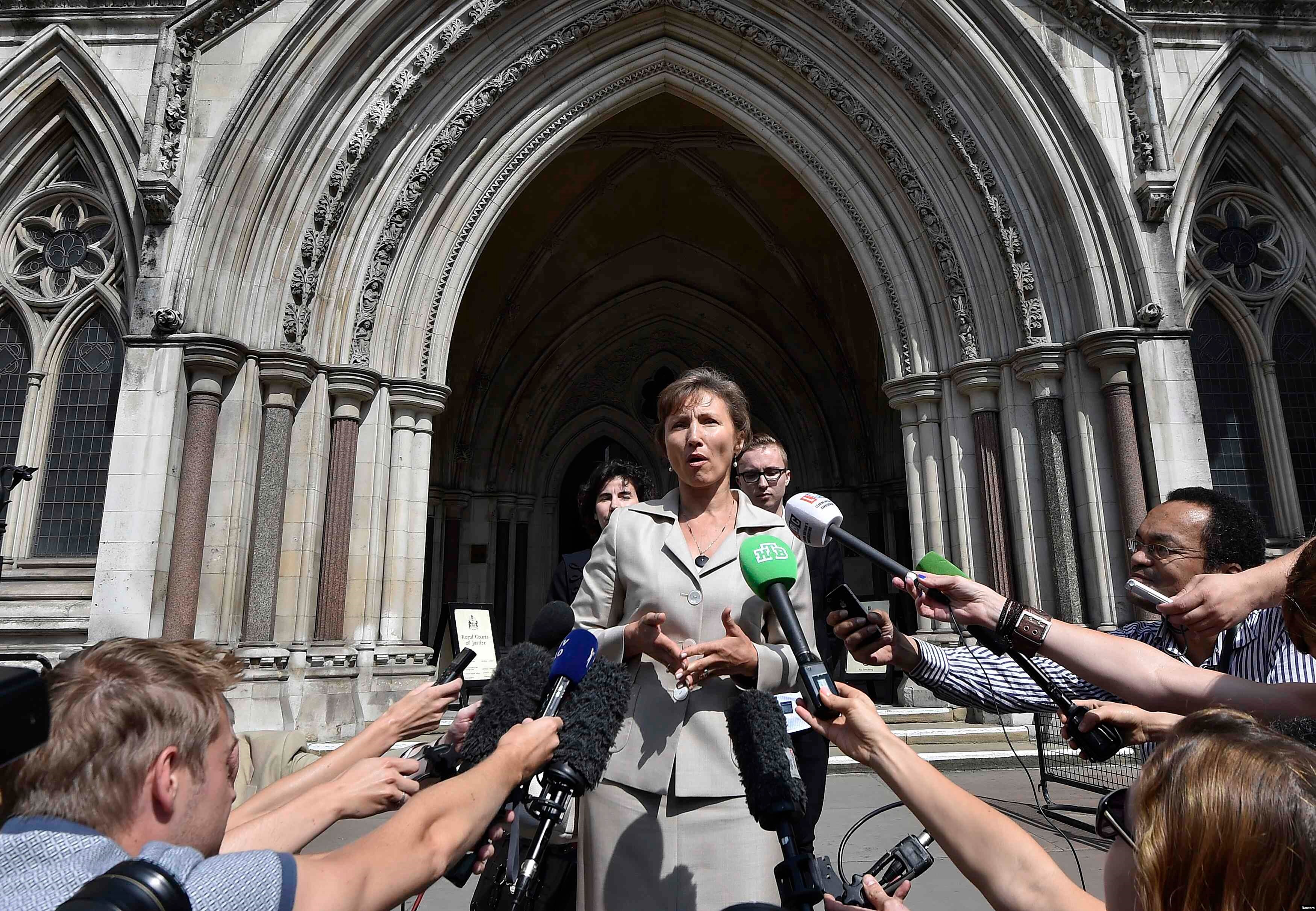
The court in London proceeds to consideration on the merits of the case of Alexander Litvinenko poisoned
On January 27, long -awaited court hearings in the case of Alexander Litvinenko, a former FSB officer who died in the British capital in November 2006 from radioactive polonium poisoning, begin. One of the most important goals of the hearings, according to the leading judge Robert Owen, is to clarify the “possible participation in the murder of the Russian authorities Litvinenko”.
The beginning court hearings in the Litvinenko case are divided into two parts: the meetings open to the public, which will be held within ten weeks, from January 27 to March 31, and for closed ones, during which the secret documents of the British intelligence services related to the murder of the former FSB officer will be considered. In closed meetings, only persons with special admission will be present - prosecutors, some lawyers and special services. Closed hearings will begin immediately after March 31 and will last, most likely, a few weeks. Only upon completion, the leading investigation judge Robert Owen will summarize the public hearing.
The only way to find out what really happened in London is to request all the materials of the police investigation, including secret
Public hearings in the Litvinenko case in the London High Court begin in an atmosphere of increased emotional stress. The fact is that in the most eve of the trial, Daily Telegraph published sensational material that the American National Security Agency (ANB) handed over to the British counterintelligence of the MI5 records of intercepted negotiations between the alleged executors of the murder of Litvinenko and their leadership in Moscow. The newspaper notes that this interception is an important evidence of the involvement of the Russian special services in the murder of Litvinenko. This is what, according to the publication, that explains the confidence of the British authorities in the “state character” of the crime.
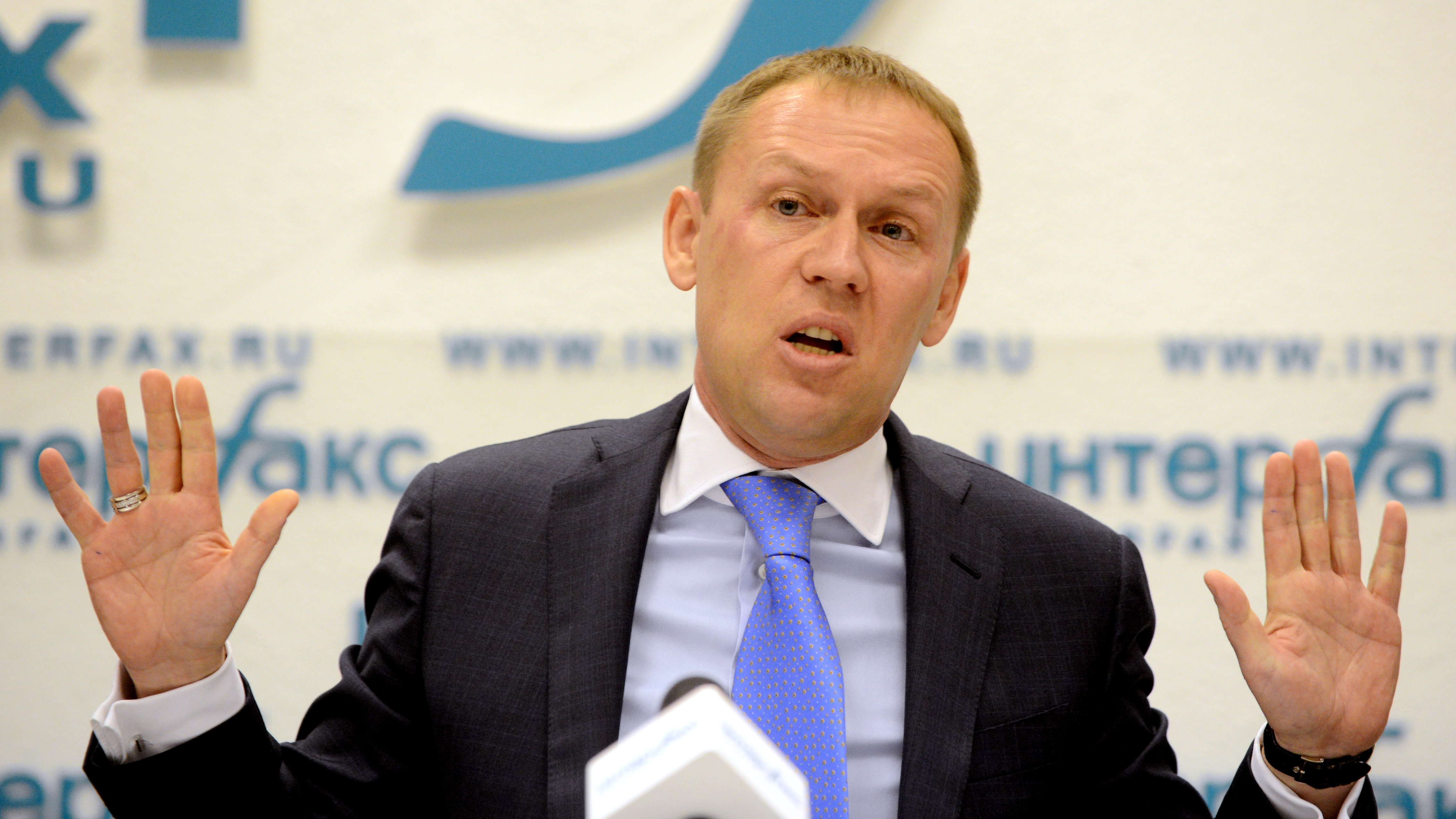
“Daily Telegraph” does not call the names of the participants of the intercepted conversation, but it is known that the British authorities consider the possible executors of the murder of Andrei Lugovoi and Dmitry Kovtun. The warrant for their arrest was issued by Interpol. However, Judge Robert Owen last year stated that after the permission he received to get acquainted with the secret documents of the British special services, which he found evidence of Russia's involvement in the death of Alexander Litvinenko.
This explains why the Litvinenko case led to an unprecedented deterioration of Russian-British relations in the post-war history. In an interview with Radio, Freedom Marina Litvinenko emphasizes that all eight years since the murder of her husband believed that it was a public investigation that would give the opportunity to find out the names of the killers and customer of the murder:
- I believed, I had no doubt that we would definitely reach an open public hearing. We asked the government permission for such hearings in 2011, because we understood that five years have passed since Sashina’s death, and no one intends to extradite suspects from Russia. And the only way to find out what really happened in London is to request all the materials of the police investigation, including secret ones. I had this right during the incest, and I used it.
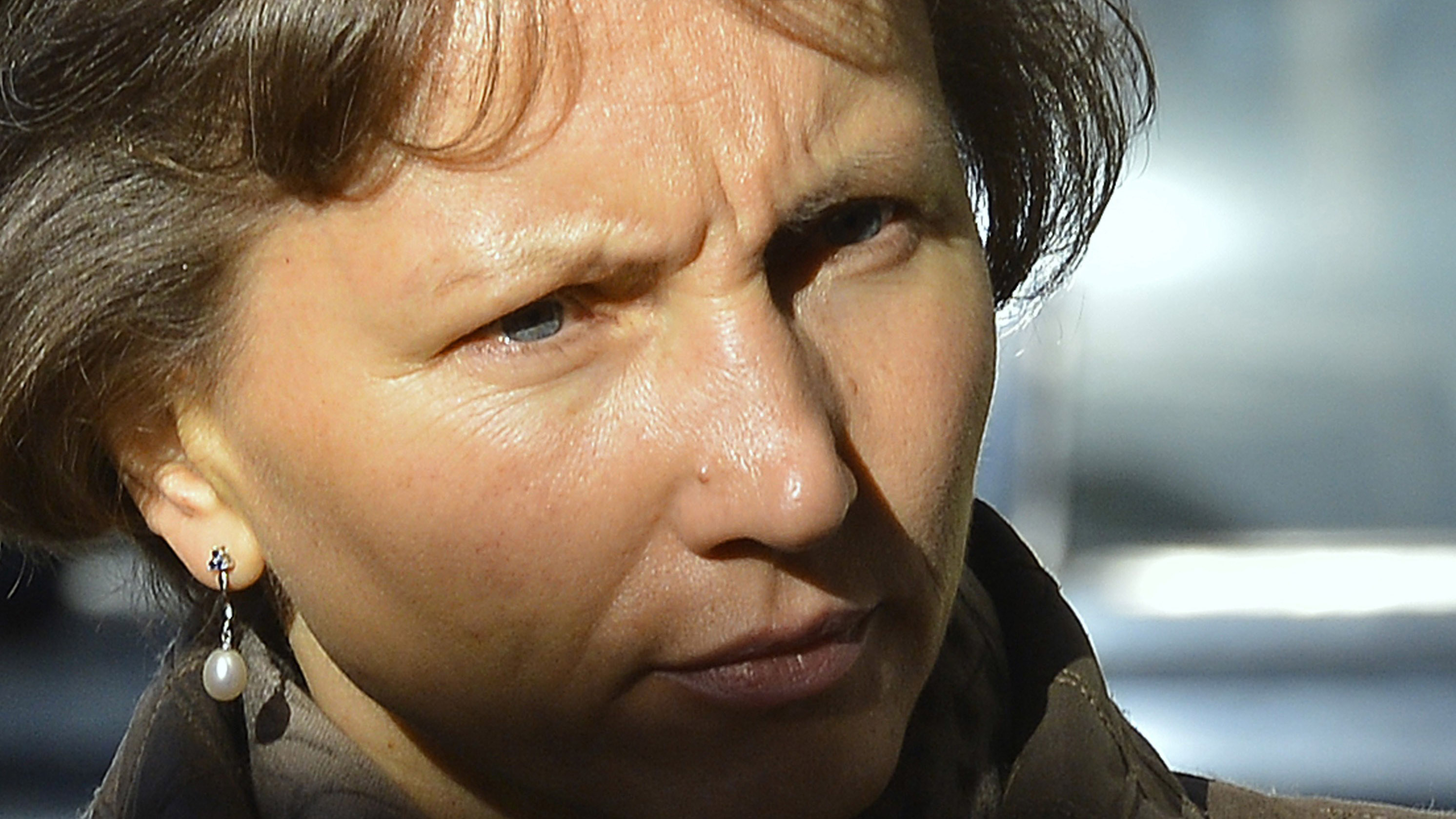
The open public investigation of the murder of Alexander Litvinenko became possible after the so -called incor in this case came to a dead end. This type of inquiry is carried out in the UK in the event of death under unclear circumstances. Under Inkvest, the law prohibits the announcement of secret documents. He who conducted him, Coroner Robert Owen, said that without studying the secret documents of special services, he cannot guarantee a complete and objective investigation of the murder of Litvinenko. He appealed to the government with a request to allow a public investigation, in which the judge has the right to announce secret documents at a closed meeting. However, the British Minister of the Interior Teresa May refused. And only the appeal of the widow of Alexander Litvinenko Marina, with a supervisory appeal to the court, moved the case from a dead point: the court ordered the government to conduct an open public investigation.
In October last year, Marina Litvinenko appealed to the American National Security Agency with a request to announce the content of the interceptions of telephone conversations that Andrei Lugovoi and Dmitry Kovtun during his stay in London in the fall of 2006. What did the Americans answer her?
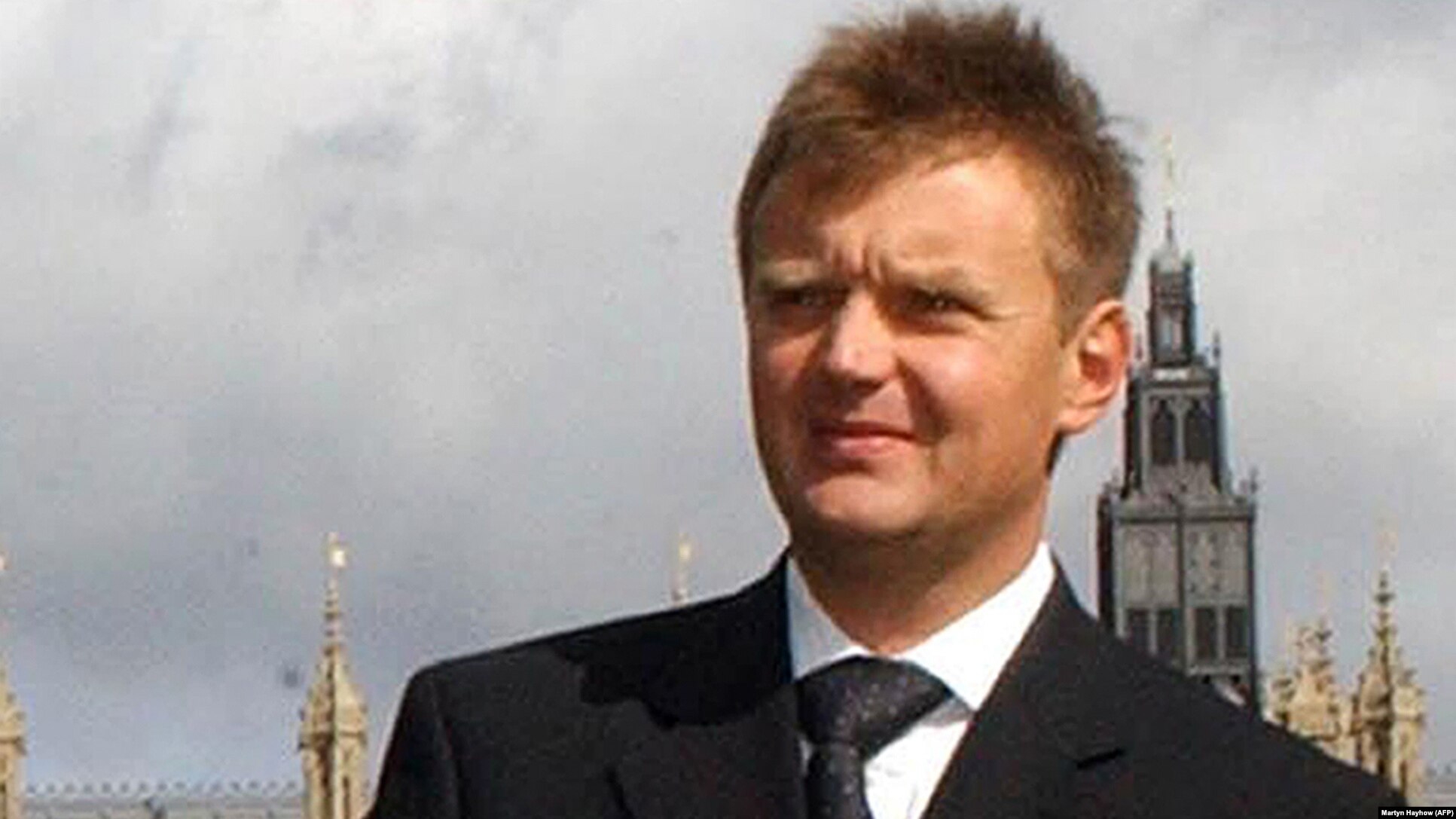
- This business was not so easy and affordable. Personally, I failed to get these materials. There is a hope that they will be at the disposal of the chairman of the court hearings. I hope that these materials are at his disposal and will be announced.
- Do you allow you to attend closed court sessions when the secret documents of the British and American special services will be considered?
- Neither I nor my lawyers will be able to attend these meetings. This is allowed only to people with a special tolerance. Even if I hired in addition to the lawyers I have another lawyer with such a tolerance, he would not have the right to share information with me received at closed meetings. In any case, this information remains behind closed doors.
- Who specifically in this case will be admitted to closed meetings?
- First of all, this is Robert Owen himself, who has such an admission. He has every right to use it. In this case, I completely trust him, in particular, his decisions, which will be made after consideration of secret materials. Those lawyers who are participants in the process and who have such admission will be allowed.